Choosing the wrong sheet of wood for a wet-zone project is a slow-motion structural disaster. It starts with a faint musty smell, moves to a stuck cabinet door, and ends with a warped, delaminated mess that costs a fortune to install and twice as much to rip out.
If you are building an outdoor deck, remodeling a high-humidity bathroom, or assembling kitchen cabinets, navigating the types of “waterproof” plywood can be incredibly confusing. Let’s separate the marketing fluff from actual engineering so you can choose the correct panel without throwing your hard-earned money down the drain.
What Is Waterproof Plywood?
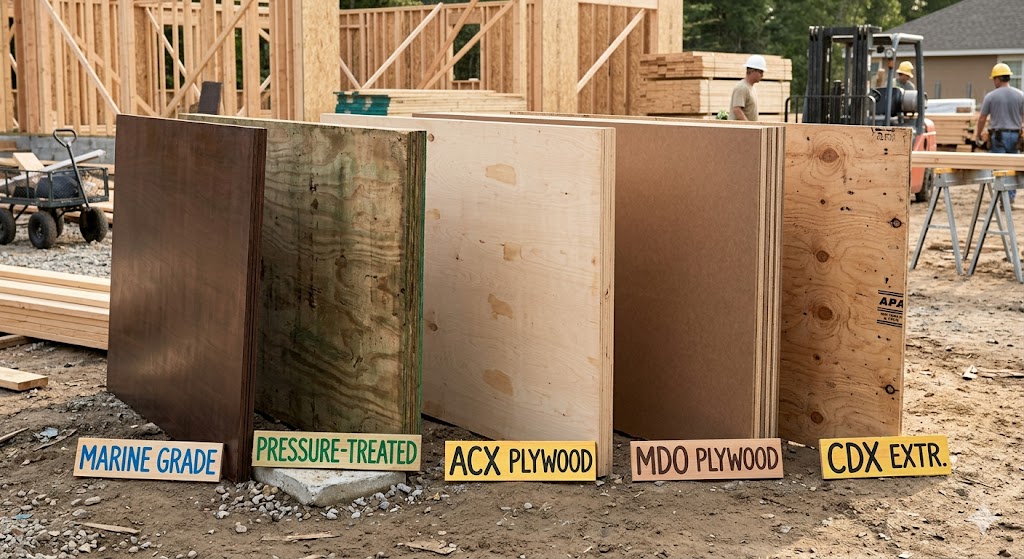
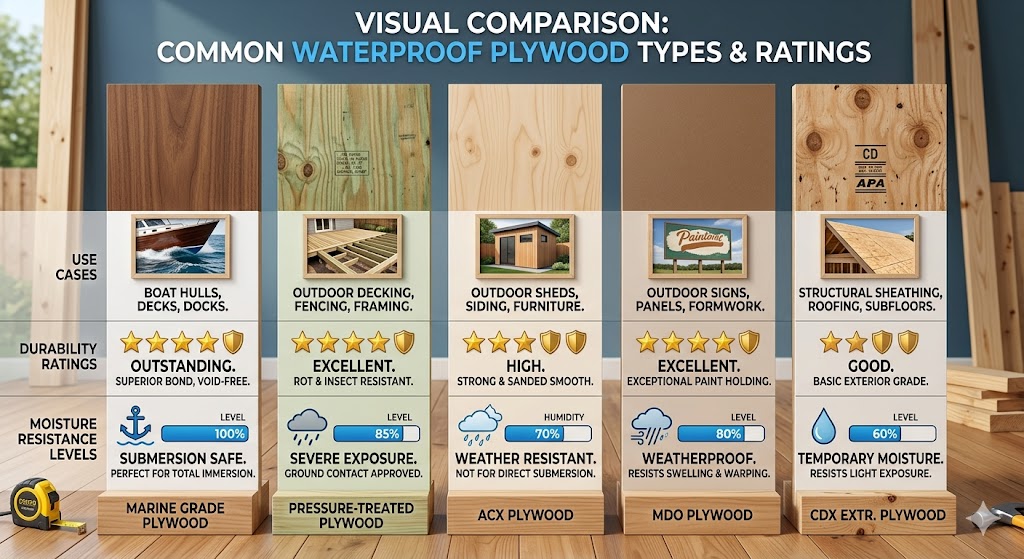
Waterproof plywood is structural plywood manufactured with exterior-grade waterproof adhesives that resist delamination when exposed to moisture. Common types include marine plywood, pressure-treated plywood, ACX plywood, MDO plywood, and CDX exterior plywood.
Sheltered exterior, temporary rain exposure during construction
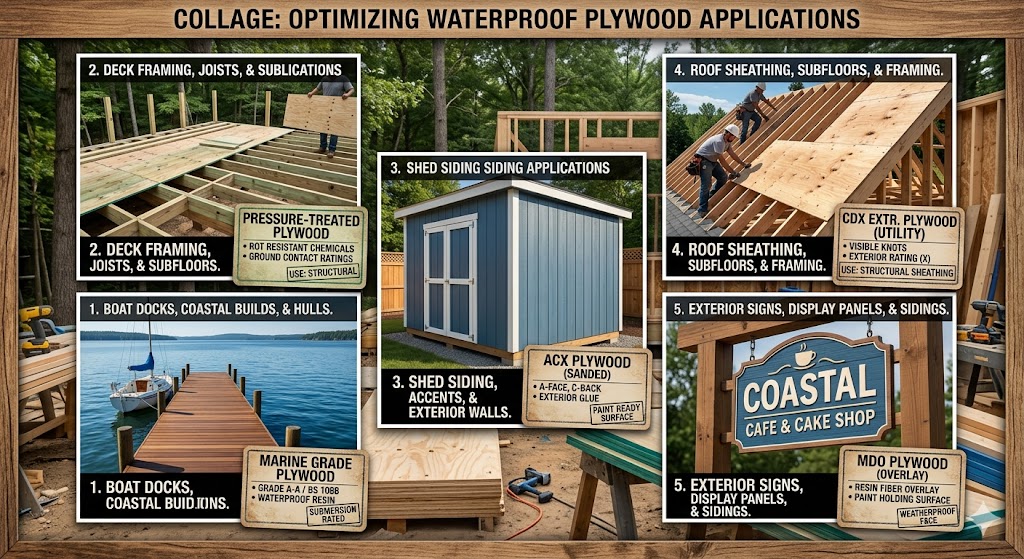
Best Waterproof Plywood by Project
To ensure your build meets local safety and durability standards, match your specific application to the optimized plywood type:
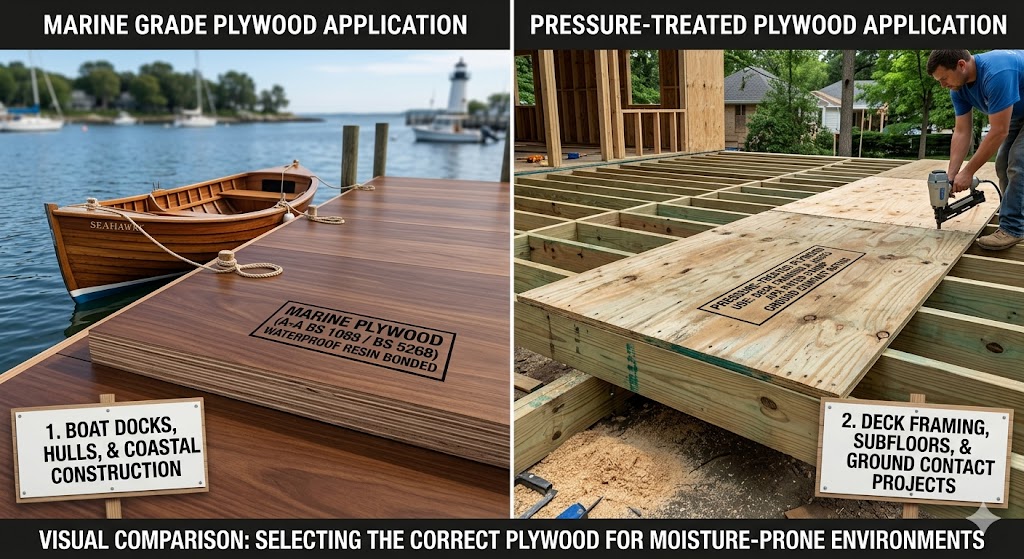
Boats & Docks: Marine Grade Plywood
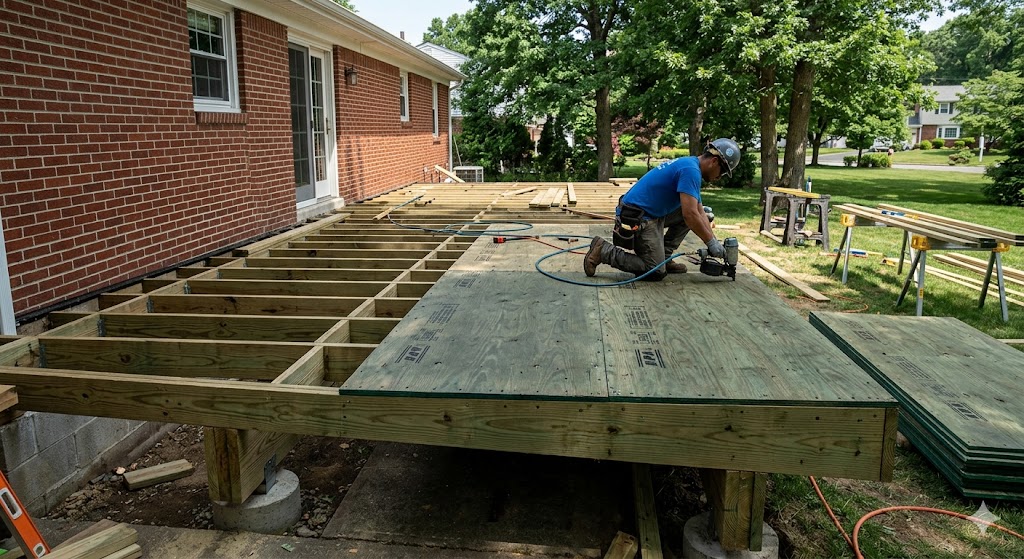
Deck Framing & Joists: Pressure-Treated Plywood
Outdoor Furniture: Marine Grade Plywood
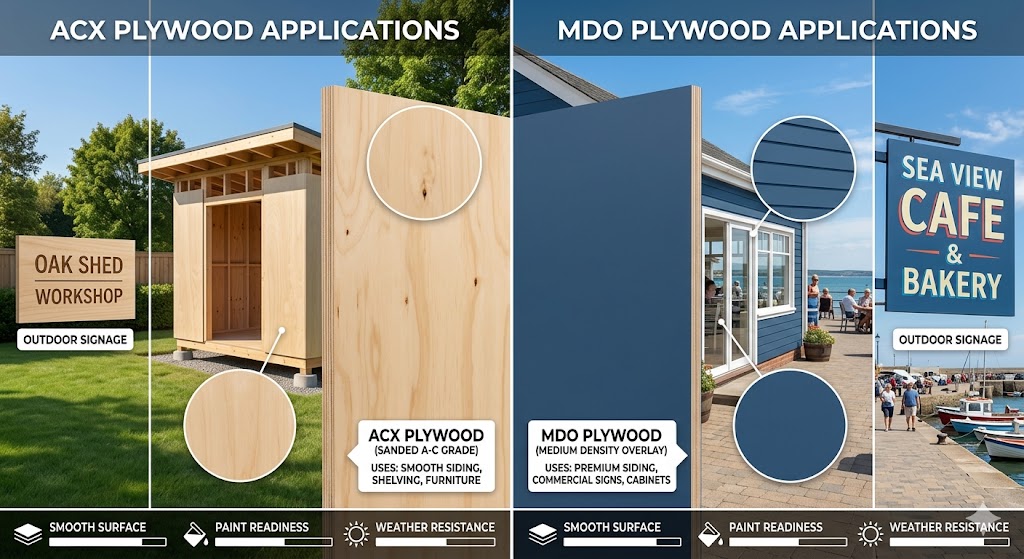
Shed Walls & Siding: ACX Plywood
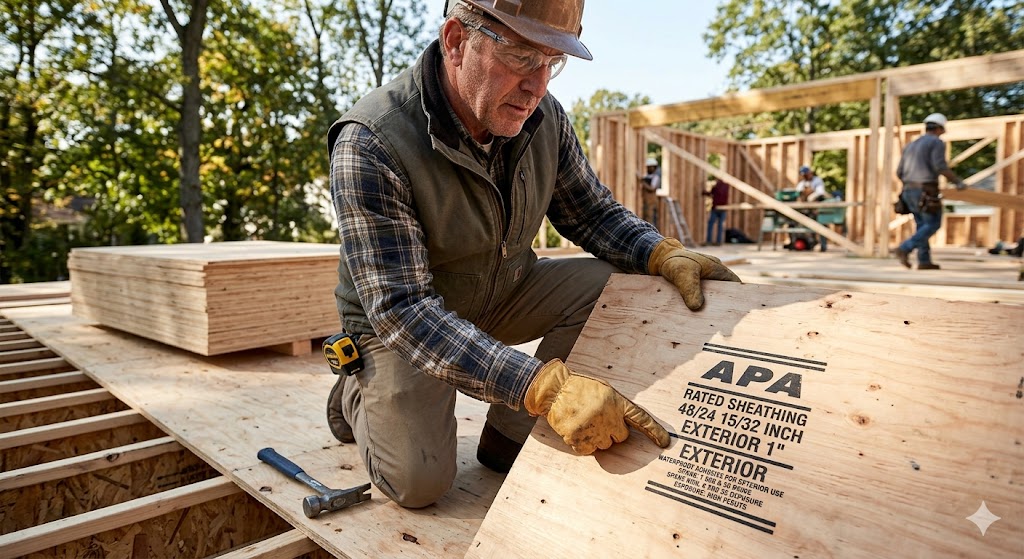
Roof Sheathing & Subfloors: CDX Plywood
Exterior Signs & Painted Displays: MDO Plywood
Cost Comparison Matrix
While stepping up to premium panels increases your initial materials budget, it saves thousands down the road by avoiding early structural failure, mold remediation, and complete tear-outs.
Premium finish face veneer; sanded flat for finish work.
Pressure-Treated
$$
The specialty resin fiber face layer adds to production costs.
MDO (Medium Density)
$$$
Specialty resin fiber face layer adds production costs.
Marine Grade
$$$$
Top-tier pricing due to tropical hardwood veneers and zero-void manufacturing.
📌 Quick Recommendation Guide
Best Overall: Marine Plywood
Best for Decks: Pressure-Treated Plywood
Best for Sheds: ACX Plywood
Best Budget Option: CDX Plywood
Best Paintable Surface: MDO Plywood
The Myth: Is Any Plywood Truly Waterproof?
Let’s bust a critical industry myth right out of the gate: despite the name, no raw plywood is 100% waterproof.
When a panel is marketed as “waterproof,” manufacturers are referring to the waterproof adhesives that hold the layers together and the structural quality of the internal wood plies. The adhesive will not dissolve, separate, or turn gummy when soaked. However, the raw wood fibers themselves are completely organic; they can still absorb ambient liquid, swell, and eventually rot if left raw, unpainted, and unsealed. In North America, look for APA-rated exterior or marine panels and verify the exposure rating stamped on the sheet before purchasing.
The Core Types of Waterproof Plywood
When walking down the aisles of a North American lumberyard, you will primarily encounter four distinct outdoor and moisture-rated sheet goods.
1. Marine Grade Plywood
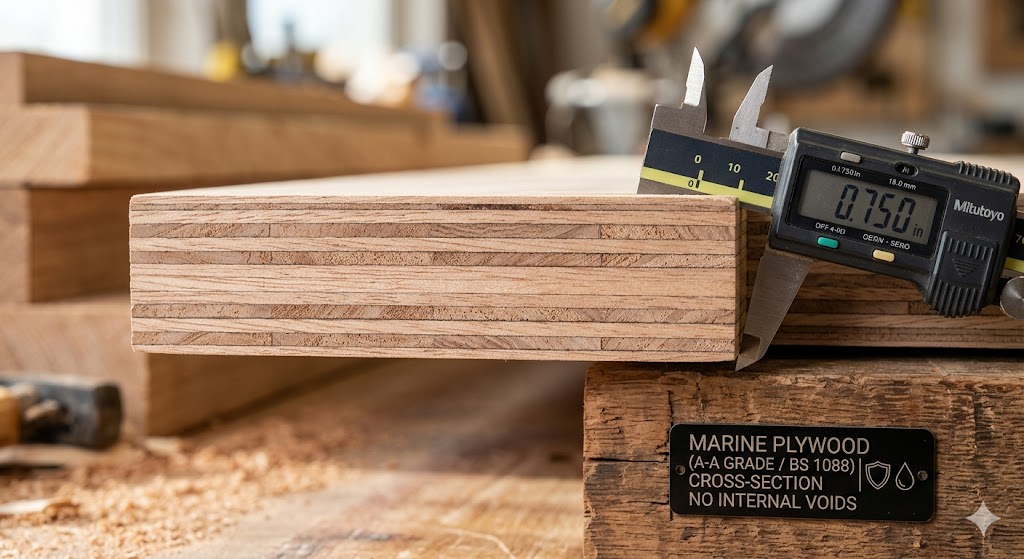
Marine plywood is often misunderstood. It is not infused with rot-resistant chemicals out of the box. Instead, its superpower lies in its flawless structural construction.
It is manufactured exclusively using premium high-density hardwood plies layered with undiluted exterior phenolic resin. Crucially, it features zero internal voids. If you cut a standard sheet of utility plywood, you will frequently find hidden air pockets where a knot fell out of an inner layer during production. In marine grade, those gaps are strictly forbidden. Without interior voids, water cannot pool inside the panel to rot the wood from the inside out. For a comprehensive look at these premium panels, check out our dedicated marine plywood guide.
2. Pressure-Treated Plywood
Unlike marine-grade, pressure-treated panels are loaded with chemical preservatives (like Copper Azole or MCQ) forced deep into the wood fibers under immense pressure.
This chemical treatment makes the wood toxic to rot-causing fungi and wood-boring insects. It is the definitive choice for raw, structural outdoor framing.
3. ACX and MDO Plywood
ACX: Represents a high-grade exterior plywood where the “A” face is sanded perfectly smooth with zero open knots, the “C” back allows minor patches, and the “X” indicates exterior-rated glue.
MDO (Medium Density Overlay): Features a smooth, weather-resistant resin fiber face bonded to an exterior plywood core. It is the secret weapon for signmakers and exterior siding because it accepts paint beautifully and resists water wicking across its flat surfaces.
4. Exterior Grade Plywood (CDX)
The baseline for outdoor construction. The “C” and “D” indicate lower visual qualities (expect rough grain, open knots, and visible filler patches), while the “X” ensures the glue lines won’t break down when exposed to rain during construction. It is meant to be covered up quickly by shingles, siding, or finished flooring. To learn more about its limits, read our comprehensive exterior plywood guide.
🌐 Note on International Standards (BWP vs. BWR): If you are reading international design blogs, you might see terms like BWP (Boiling Water Proof) or BWR (Boiling Water Resistant). These are specific to Indian and Asian grading systems (such as IS:710 and IS:303 regulations). In North America, these criteria map closely to Marine Grade and sanded ACX exterior panels, respectively.
🧪 Real Test: How to Spot Fake Waterproof Sheet Goods
I learned a harsh lesson about industry shortcuts after watching a set of budget “waterproof” laundry room cabinets turn into wet cardboard within two seasons. Shady suppliers occasionally stamp cheaper interior panels with fake exterior or waterproof markings to fetch a premium price.
❌ The Mistake: Manufacturers use boiling-water and delamination testing during certification to guarantee adhesive grades won’t lose integrity. For homeowners, checking manufacturer ratings and APA stamps is usually safer and more practical than attempting a backyard boiling test. If the stamps are missing or look faint and low-quality, treat the panel with skepticism.
Homeowners building outdoor structures often get stuck deciding between pressure-treated sheets and premium marine-grade. Choosing the wrong option for your application can cause major alignment issues or premature wood rot.
Feature
Marine Plywood
Pressure-Treated Plywood
Rot Resistance
Requires sealing
Built-in chemical defense
Structural Stability
Excellent (Zero internal voids)
Moderate (Prone to warping as it dries)
Appearance
Premium, sanded hardwood
Rough, green/brown structural tint
Ground Contact
No
Yes
Boat Use
Yes
No
Cost
High
Medium
When to choose Pressure-Treated: Pick PT plywood for rough framing that will come into contact with the ground, concrete foundations, or support wet deck joists. It is highly chemical-resistant and built to endure mud, dirt, and heavy weather. However, it is often wet, heavy, prone to warping as it dries, and looks rough. To see how these options stack up structurally, see our comparison of pressure-treated vs exterior plywood.
When to choose Marine Grade: Pick marine plywood for boat hulls, docks, high-end outdoor furniture, or pristine vertical structures. It is completely stable, perfectly flat, and incredibly strong. However, it must be painted or sealed to protect it from rot, and it offers zero built-in resistance to insect attacks.
😬 Regret: What Happened When I Used the Wrong Plywood
A few years ago, I tried to save fifty dollars on a custom outdoor storage shed floor. Instead of buying premium pressure-treated sheets or proper exterior plywood, I grabbed a few sheets of standard commercial interior plywood that looked “good enough” on the shelf. I figured a coat of exterior paint would protect it.
That shortcut turned into a massive regret. Within 18 months, rainwater wicked up through the bottom of the frame. The interior glue dissolved completely, causing the floor to sag under the weight of my lawnmower. The layers separated like a wet deck of playing cards, creating a perfect home for black mold. I had to empty the shed, rip out the frame, and rebuild the entire floor from scratch using proper materials. Don’t make that same mistake—pick the correct wood for your environment the first time around.
Common Sizing and Thickness Selection
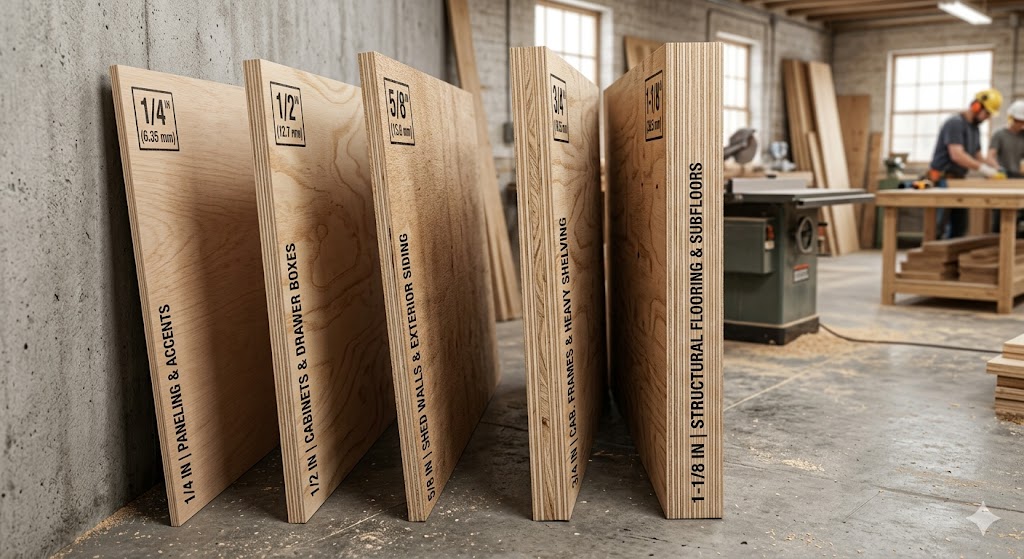
Matching your thickness to your structural framing span prevents sagging and catastrophic failure under heavy loads.
1/4″ to 3/8″ (6mm – 9mm): Best for lightweight vertical wall paneling, ceiling inserts, or curved accent features.
1/2″ (12mm): The standard thickness for exterior shed walls, cabinet shutters, and lightweight shelving units. For layout strategies, read our guide on the best plywood for sheds.
3/4″ (18mm): The mandatory choice for structural kitchen base cabinets, heavy-duty under-sink frames, vanity tops, and outdoor deck subfloors. Learn more about structural load spans in our plywood thickness guide and plan your subfloor layouts using our resource on plywood for decks.
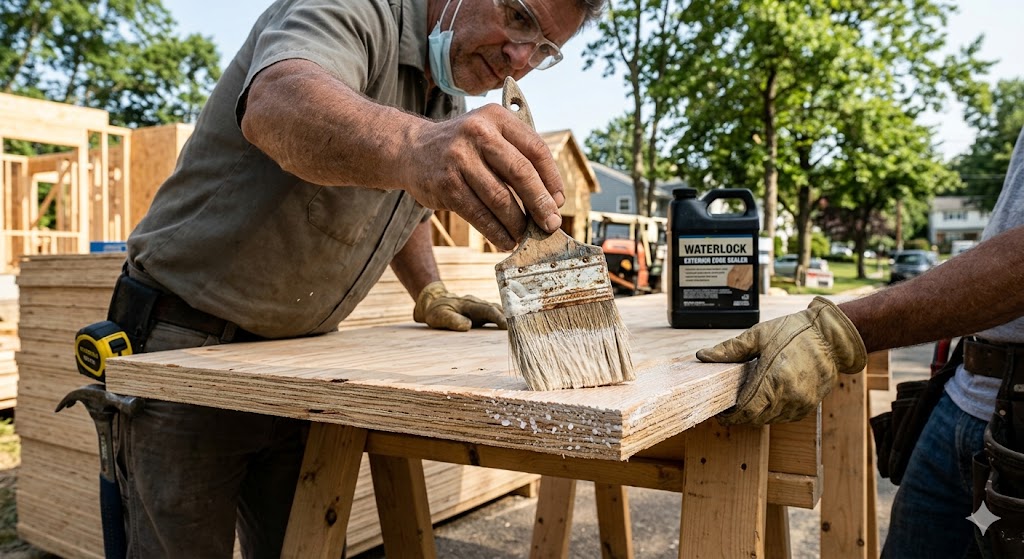
⚠️ Warning: You Must Seal Your Raw Exposed Edges
Even the highest quality marine or exterior plywood will fail prematurely if you leave the freshly cut edges exposed to the elements. Plywood cores act exactly like a bundle of microscopic straws; while the flat face resists water beautifully, the porous edge grain eagerly drinks up standing liquid.
Whenever you cut a sheet down to size, you must seal every single exposed edge using a high-quality exterior wood sealer, epoxy, or water-resistant edge banding before final structural assembly.
Materials and Tools for Success
To ensure your moisture-heavy installation remains fully protected for the long haul, consider using these industry-standard installation products:
Waterproof Structural Sealant: Protect raw edges with a deep-penetrating finish, such as TotalBoat Marine Wood Sealer, to lock out edge-wicking moisture.
Exterior Assembly Fasteners: Prevent ugly rust bleeding through your wood surfaces by fastening with stainless-steel screws and using Titebond III Ultimate Wood Glue for completely waterproof joints.
🛠️ Product Disclaimer: Products mentioned are examples of commonly used materials across the trades. Always verify technical data sheets and product suitability for your specific local building codes and project specs.
Frequently Asked Questions
What is the most waterproof plywood?
Marine-grade plywood (specifically meeting the BS 1088 standard) is the most waterproof option available. Its combination of flawless, void-free core veneers and high-performance exterior phenolic resins gives it the highest resistance to structural delamination under water stress.
Can marine plywood stay outside year-round?
Yes, but only if it has been thoroughly treated with a high-quality UV-resistant exterior sealer, paint, or marine-grade epoxy. Because it does not contain chemical rot preservatives, unsealed marine plywood will eventually decay when exposed to persistent rain and sun.
Is pressure-treated plywood waterproof?
No. The pressure-treatment process infuses chemical preservatives into the wood to resist rot, decay, and insect damage, but it does not prevent water from soaking into the fibers. It will still absorb water, swell, and contract as it dries out unless you apply an exterior water repellent.
Can waterproof plywood be submerged?
Only premium Marine Grade (BS 1088) plywood is engineered to handle continuous submersion, which is why it is used for boat hulls and dock pilings. However, it requires a complete, unbroken envelope of marine epoxy or protective fiberglass coating to prevent the underlying wood fibers from saturating over time.
When properly sealed, painted, and maintained, high-quality exterior or marine plywood can easily last 15 to 20+ years outdoors. If left completely raw and exposed to harsh wet-and-dry cycles, even premium plywood can begin to show signs of surface decay and core warping within 3 to 5 years.
Final Verdict
If your project faces occasional rain, ACX or CDX exterior plywood is usually sufficient. For deck framing and ground-contact applications, pressure-treated plywood is the better choice. For boats, docks, and premium outdoor furniture, marine plywood remains the benchmark due to its void-free construction and superior structural stability. Regardless of the panel you choose, sealing exposed edges and maintaining the finish will determine how long the plywood survives outdoors.