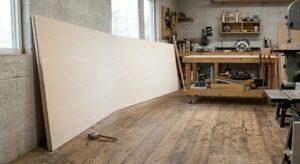
Sande plywood fills a very specific role: it gives you a smooth, paint-ready surface with solid strength—without paying hardwood prices. Once you understand where it fits, it becomes one of the most useful materials in your shop.
If you’re still figuring out how different sheet goods compare, understanding the types of plywood is the first step before choosing the right one for your project.
What Is Sande Plywood?
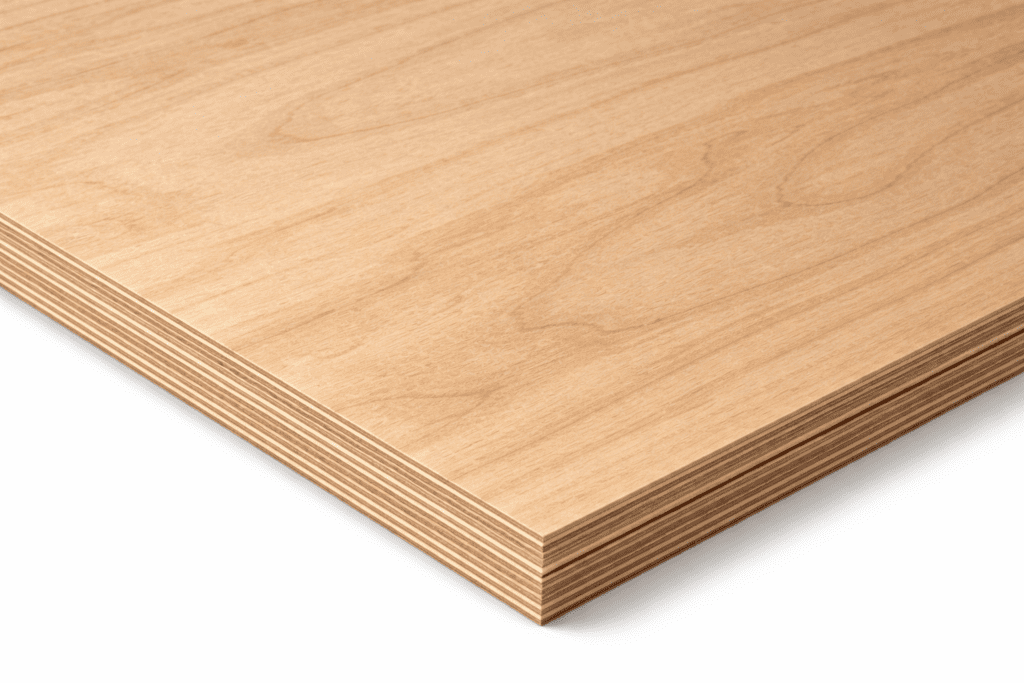
A hardwood plywood made from tropical tree species, typically Brosimum utile. It has a smooth, light-colored face veneer, fine grain, and is commonly used for cabinets, furniture, and interior projects where a clean painted finish is required.
Sande plywood is manufactured using hardwood veneers from Central and South America. Unlike cheaper plywood, it typically has fewer surface defects and a more uniform texture.
Compared to the materials discussed in this plywood grades guide, Sande usually falls into mid-to-high quality depending on the supplier.
🔹 Key Characteristics
Smooth, consistent face veneer
Light color (ideal for paint or stain)
Moderate density (easier to cut than maple)
Strong enough for structural interior use
What Is Sande Plywood Used For?
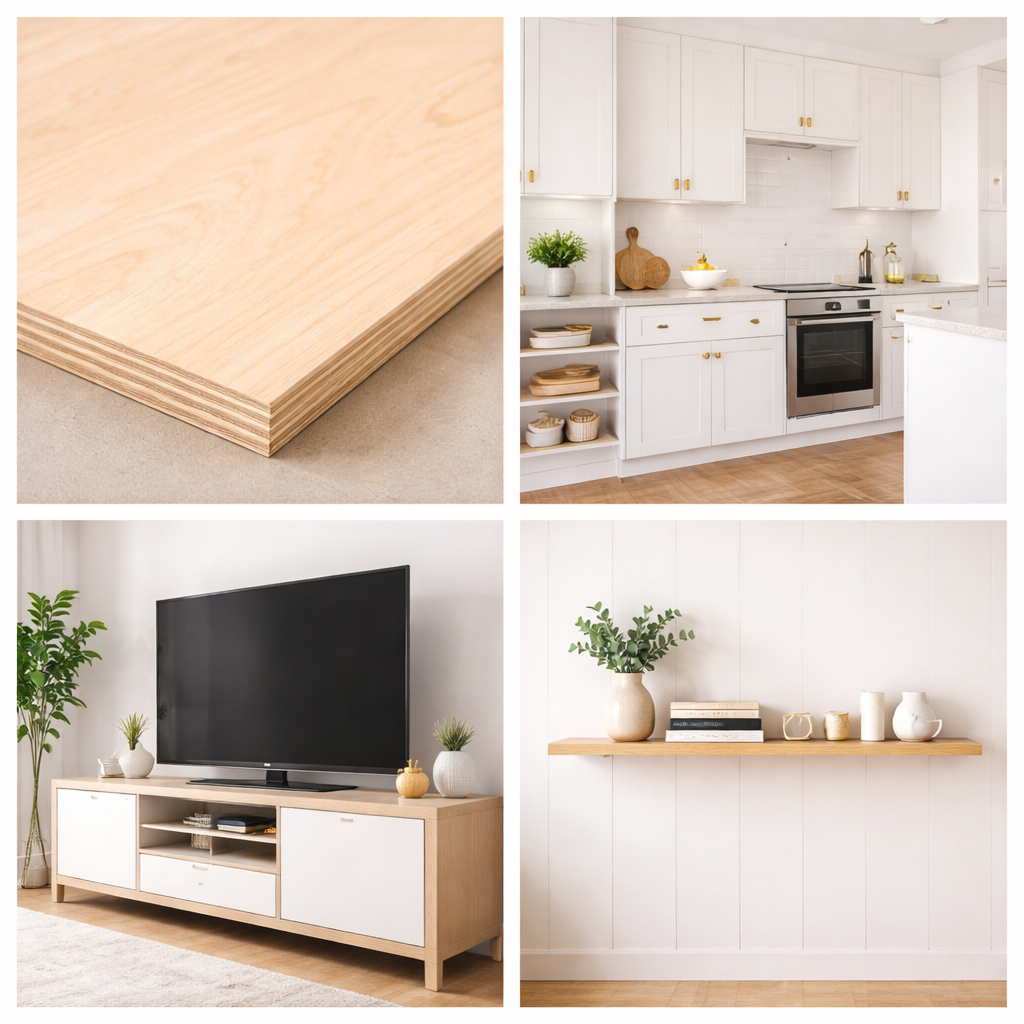
The plywood is used for cabinets, shelving, furniture, wall panels, and DIY projects. It is especially popular for painted finishes because of its smooth surface and easy workability.
Cabinetry and Shelving
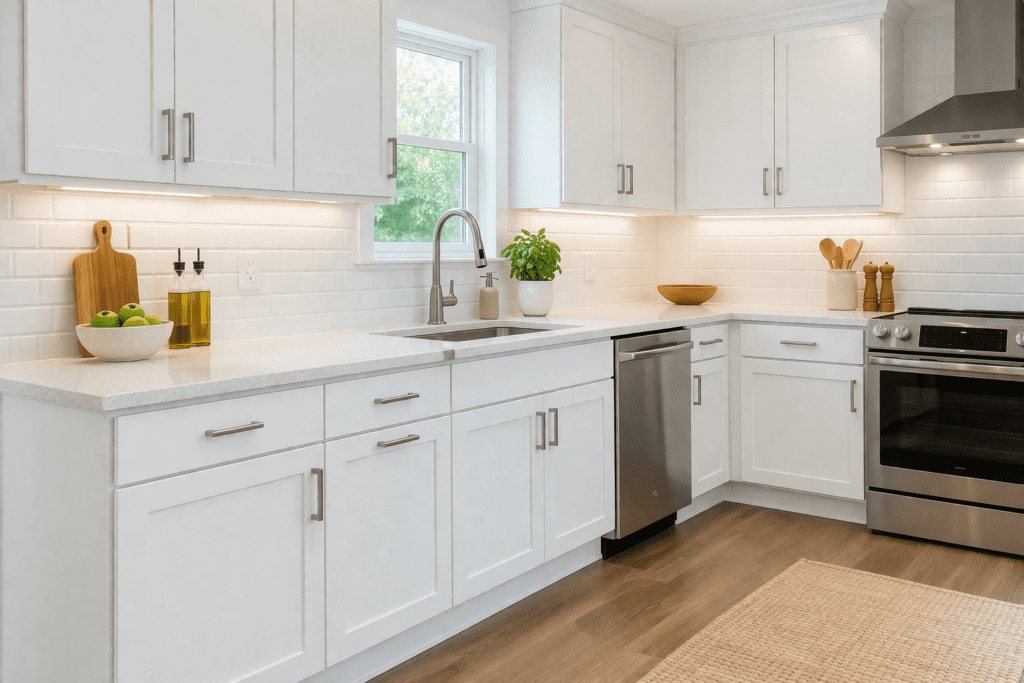
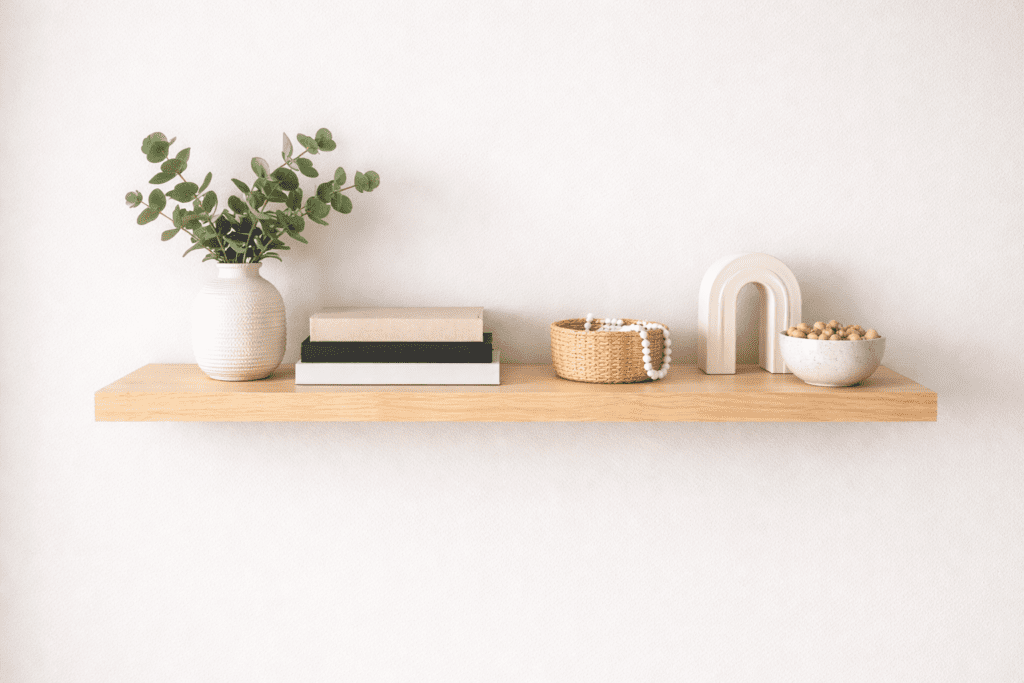
Sande plywood is one of the best materials for cabinet boxes and shelving when you plan to paint.
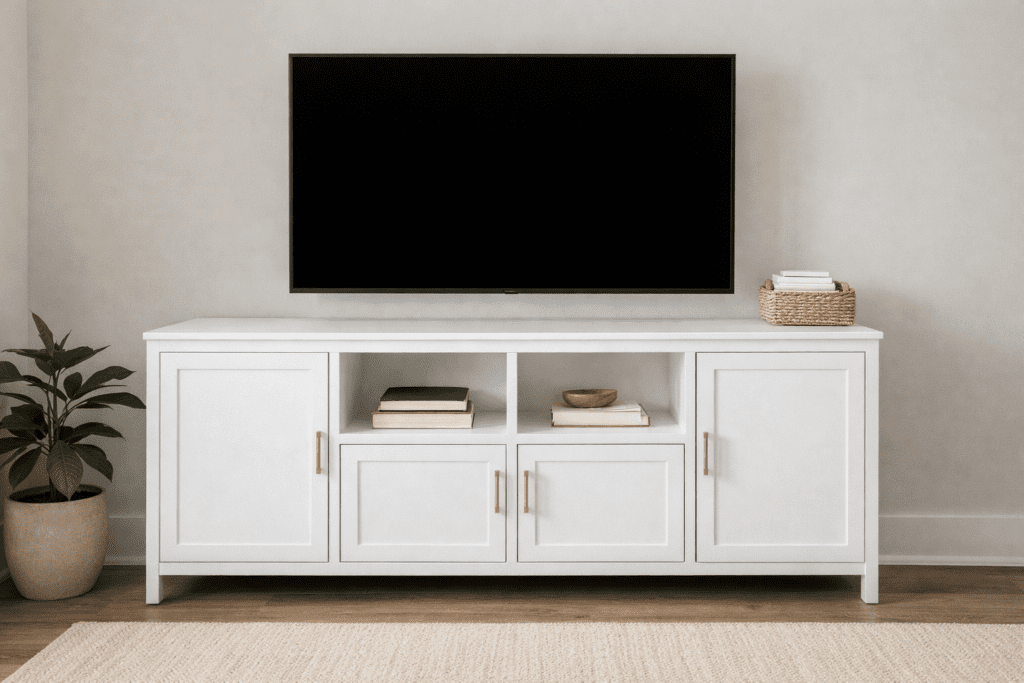
For furniture like desks, storage units, or media consoles, Sande provides predictable cuts and easy joinery.
If you’re deciding between appearance vs practicality, hardwood panels like those inwalnut plywood guide look better—but Sande is much easier to work with and more forgiving.
Decorative Wall Panels
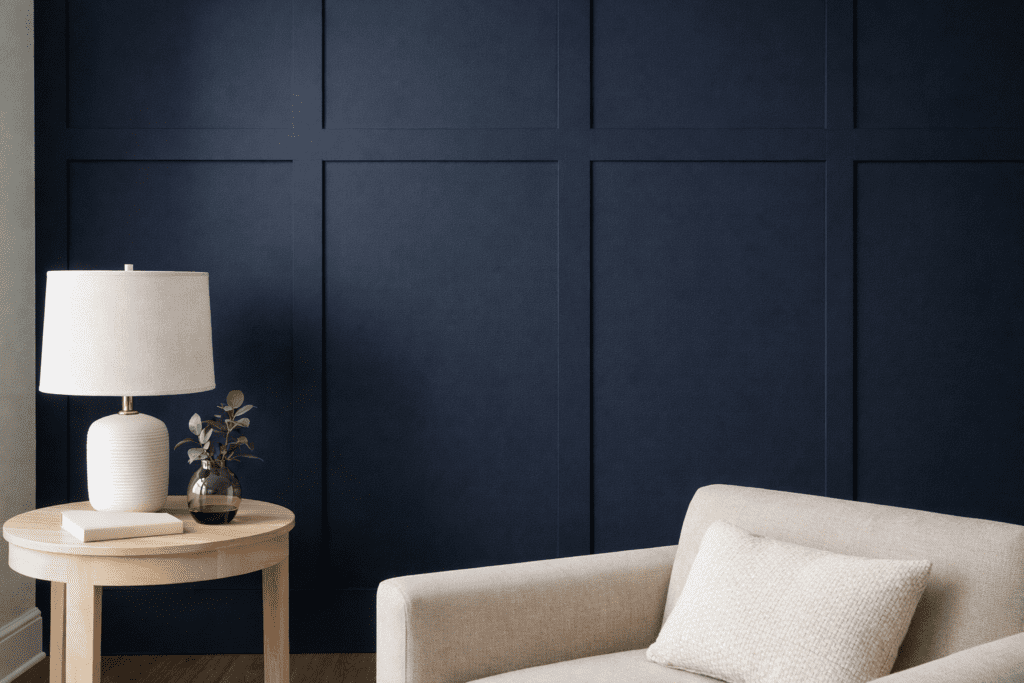
Sande plywood is increasingly used for interior wall paneling, especially in basements or offices.
It works well in spaces where drywall isn’t ideal, as in the setups shown in this basement wall guide.
Marine Interiors (With Sealing)
Sande plywood can be used in boat interiors or humid environments—but it must be sealed.
It is not waterproof and should only be used in marine or damp environments when fully sealed with epoxy or marine varnish.
Without sealing, moisture will cause swelling and eventual failure.
DIY Projects
For DIY builds, Sande is forgiving and easy to use. It cuts cleanly and doesn’t splinter like lower-grade sheets.
Best Projects You Can Build With Sande Plywood
Best projects for Sande plywood: Include cabinets, shelving, TV stands, wall paneling, and painted furniture for their smooth surfaces and ease of finishing.
Sande plywood is smooth, easy to work with, and strong enough for cabinets and furniture, but it is not waterproof and requires sealing when exposed to moisture.
Advantages
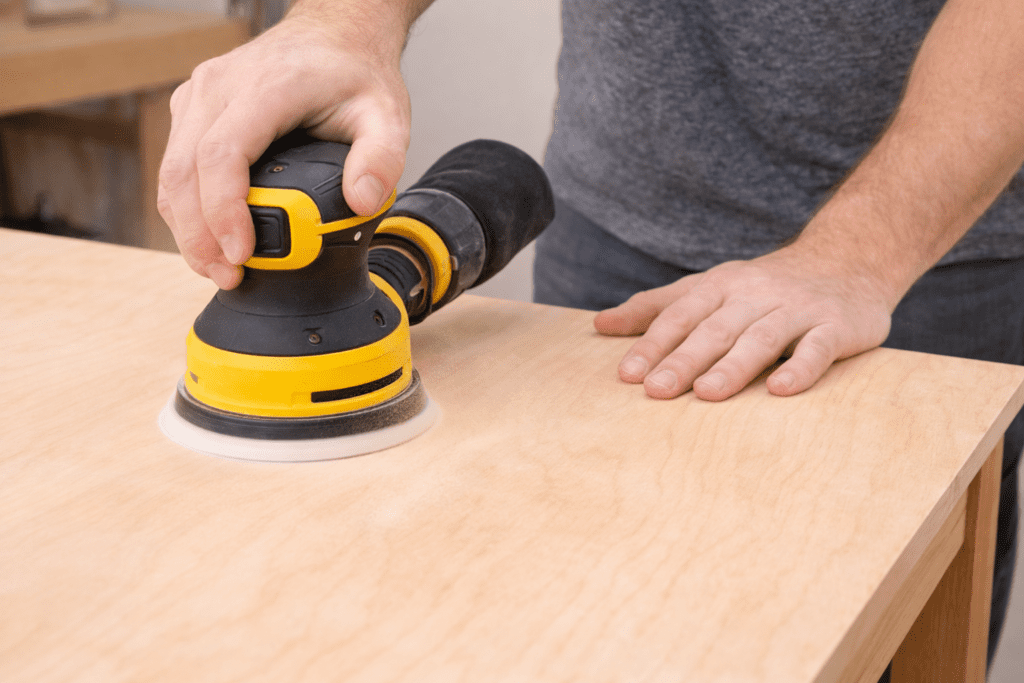
Smooth Surface Minimal sanding is required compared to cheaper plywood.
Good Strength-to-Weight Ratio Strong enough for shelves and cabinets without being overly heavy.
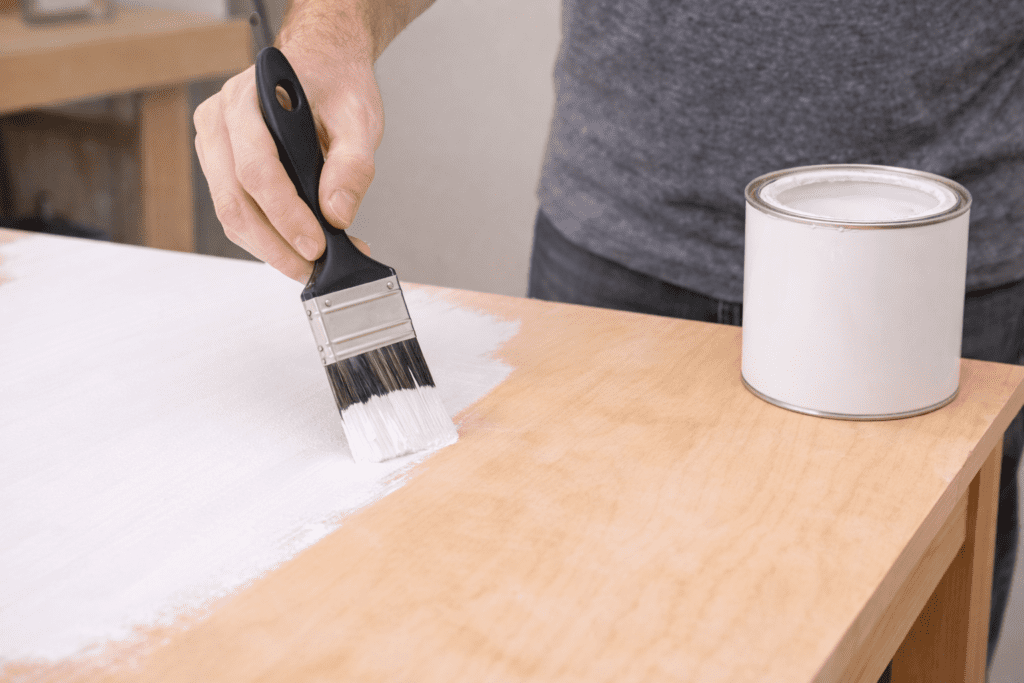
Excellent for Paint One of the best plywood types for painted finishes.
Disadvantages
Not Waterproof Requires sealing in humid areas.
Higher Cost Than Basic Plywood More expensive than pine or OSB.
Availability Issues Not always stocked at major retailers.
When Should You Choose Sande Plywood Over Other Options?
Choose Sande plywood for a smooth, paint-ready surface, ease of workability, and reliable strength for interior projects like cabinets, shelving, and furniture.
Sande plywood makes the most sense when your priority is finish quality + ease of use, not premium wood grain.
You should choose Sande when:
You’re painting cabinets or furniture
You want minimal sanding before finishing
You need consistent sheets without major defects
You’re working on interior builds
For example, when building cabinet boxes, Sande often performs better than lower-grade panels discussed in this plywood grades guide because it saves time during prep.
Sande Plywood vs Birch, Maple, and Marine Plywood
Sande plywood is smoother and better for painted finishes than birch, less premium for staining than maple, and less water-resistant than marine plywood.
Sande plywood has a smoother surface and fewer defects than CDX plywood, making it better for cabinets and furniture, while CDX is designed for structural and construction use.
Most beginners compare Sande to hardwood—but the real decision is often between Sande and construction plywood.
Here’s the difference:
Feature
Sande Plywood
CDX Plywood
Surface
Smooth
Rough
Use
Cabinets, furniture
Framing, sheathing
Appearance
Paint-grade
Not visible
Prep Work
Minimal
Heavy sanding required
👉 If you’re working on structural builds, use sheathing plywood instead of Sande.
When Should You NOT Use Sande Plywood?
Do not use it for outdoor projects, high-moisture environments without sealing, or projects that require a premium wood-grain appearance.
Even though Sande is versatile, it’s not the right material for every job.
Avoid using it when:
You need waterproof performance (use marine plywood instead)
You want a natural stained finish (use maple or walnut)
The project will be exposed to rain or direct moisture
Structural strength is critical (birch or hardwood plywood is better)
If you’re unsure which type of plywood is best for your project, this guide breaks it down clearly.
Is Sande Plywood Good for Cabinets?
Yes, it is a good choice for cabinets, especially painted cabinets, due to its smooth surface, clean edges, and reliable strength.
Yes, it is strong enough for most shelving applications, especially when properly supported. However, thicker sheets (3/4 inch) are recommended for heavier loads.
The most common mistakes are failing to seal it, using dull blades, and expecting it to perform like marine or hardwood plywood.
Avoid:
Skipping sealing in humid areas
Using rough blades (causes tear-out)
Expecting hardwood-level aesthetics
Buying low-grade sheets with voids
Sande Plywood Cost: Is It Worth the Price?
Costs more than basic softwood plywood but less than premium hardwood panels, making it a strong value for paint-grade projects.
Sande sits in the middle of the pricing spectrum:
Cheaper than maple and walnut plywood
More expensive than pine or construction-grade plywood
The real value comes from:
Less sanding required
Better finish results
Fewer defects
In many cases, you save time—and time is money.
Where to Buy Sande Plywood (And What to Look For)
Where can you buy Sande plywood? Typically available at Home Depot, lumber yards, and specialty wood suppliers. Quality varies, so inspecting sheets before purchase is critical.
But here’s the issue:
👉 Quality varies a lot between sheets.
When selecting:
Look at edges (check for voids)
Inspect the surface for patches
Avoid warped sheets
👉 If you’re unsure about sizing, use plywood-thickness before buying.
Buying Guide: How to Choose Sande Plywood
Choose A/B grade faces, proper thickness, and a void-free core for best performance.
High-quality should have a smooth face, minimal patches, a flat sheet, and a void-free core.
When inspecting sheets:
Look for:
Even, smooth veneer
No bubbling or lifting
Clean edges (no internal gaps)
Flat, not warped
Avoid:
Sheets with visible patches
Soft spots in the core
Uneven veneer thickness
This is especially important when selecting materials for cabinets or furniture builds, as discussed in this cabinet plywood guide.
Pro Tips From Real Projects (What Actually Matters)
For best results, always use sharp blades, seal edges in humid areas, and apply primer before painting.
After using Sande on multiple builds, here are the biggest takeaways:
Always use a sharp blade — dull blades cause tear-out
Light sanding (220 grit) is usually enough
Seal edges if moisture is possible
Primer makes a huge difference in the final finish
Don’t cheap out on low-grade sheets
These small details are what separate a clean, professional result from something that looks rushed.
FAQ: Sande Plywood
What is Sande plywood best used for? This kind of plywood is best used for cabinets, furniture, shelving, and interior paneling where a smooth, paint-ready surface is needed.
Is Sande plywood better than birch? No, birch plywood is stronger and more durable, but Sande is easier to work with and better for paint-grade projects.
Sande plywood is one of the most practical materials for interior builds.
Use it when you want:
Smooth paint-ready surfaces
Easy workability
Reliable performance
Skip it when:
You need waterproof materials
You want premium wood grain
If you’re unsure, try it on a small project first—like shelves or cabinet boxes. That’s usually enough to understand where it fits.
Related Posts:
OSB Board: Pros, Cons and Best Uses by Admin August 25, 2026 DIY OSB is everywhere in modern construction and barely gets a second thought — until something goes wrong with it. It sheathes the walls and roofs…
Aspen Plywood: Pros, Cons, Weight & Uses by Admin June 4, 2026 Hardwood If you are weighing your options for lightweight interior builds or looking for an alternative to heavy hardwoods, Aspen Plywood might have crossed your radar.…