Providing Better Information
on Softwood and Hardwood

The Ultimate Resource for Plywood

Recommended Posts

post

by Amy Reed

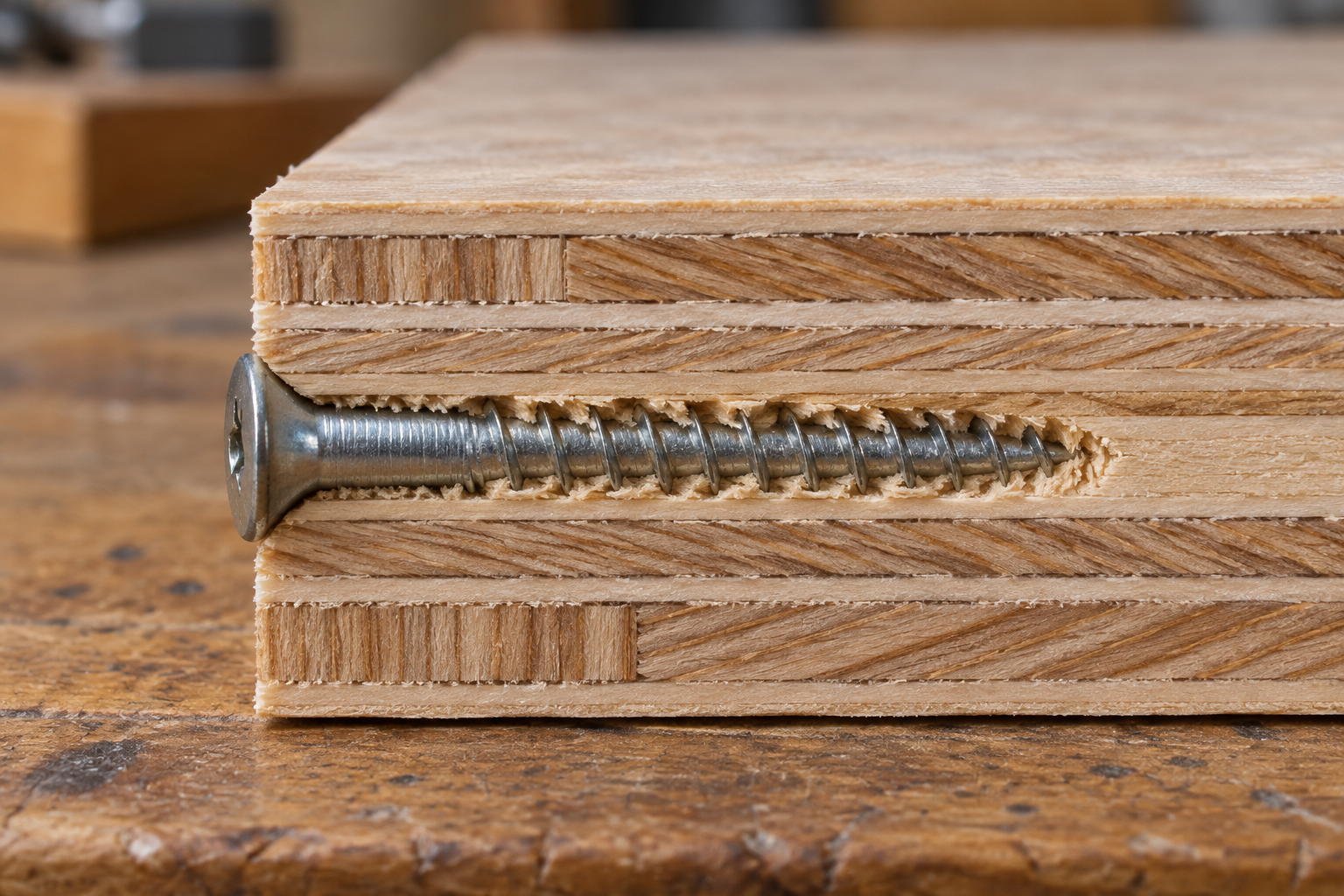
RTD Plywood: What the Stamp Actually Means and Where to Use It

Water stains and watermarks are often caused by spills, wet glasses, cold cups, or hot cups being placed on a wooden surface. In rare circumstances, water stains can be caused by using unsuitable cleaning products.,
post

by Amy Reed

Best Dehumidifier for Basements: 5 Models Compared

Water stains and watermarks are often caused by spills, wet glasses, cold cups, or hot cups being placed on a wooden surface. In rare circumstances, water stains can be caused by using unsuitable cleaning products.,
post

by Amy Reed

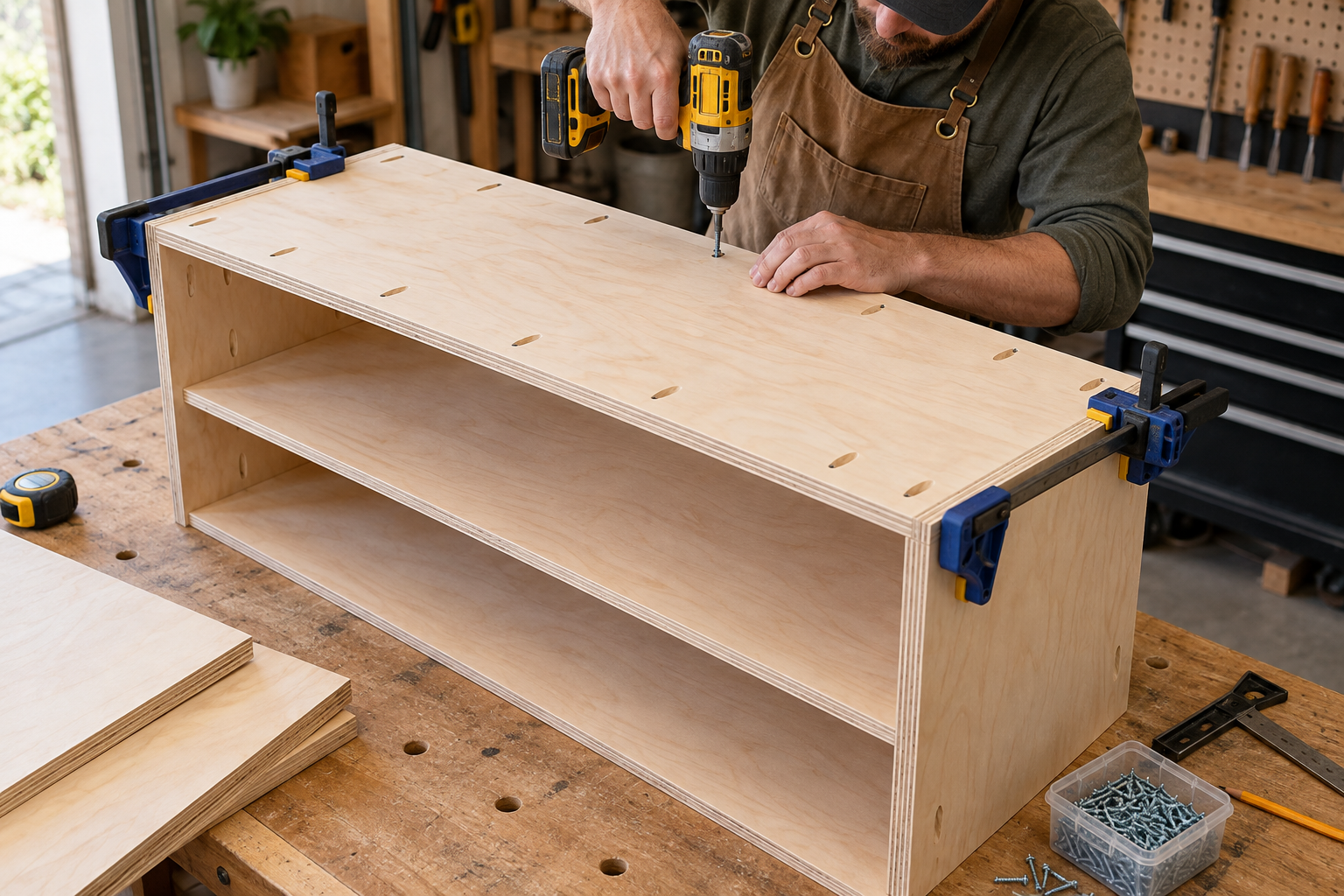
How to Finish Basement Walls (Step-by-Step Guide)

Water stains and watermarks are often caused by spills, wet glasses, cold cups, or hot cups being placed on a wooden surface. In rare circumstances, water stains can be caused by using unsuitable cleaning products.,
post

by Amy Reed

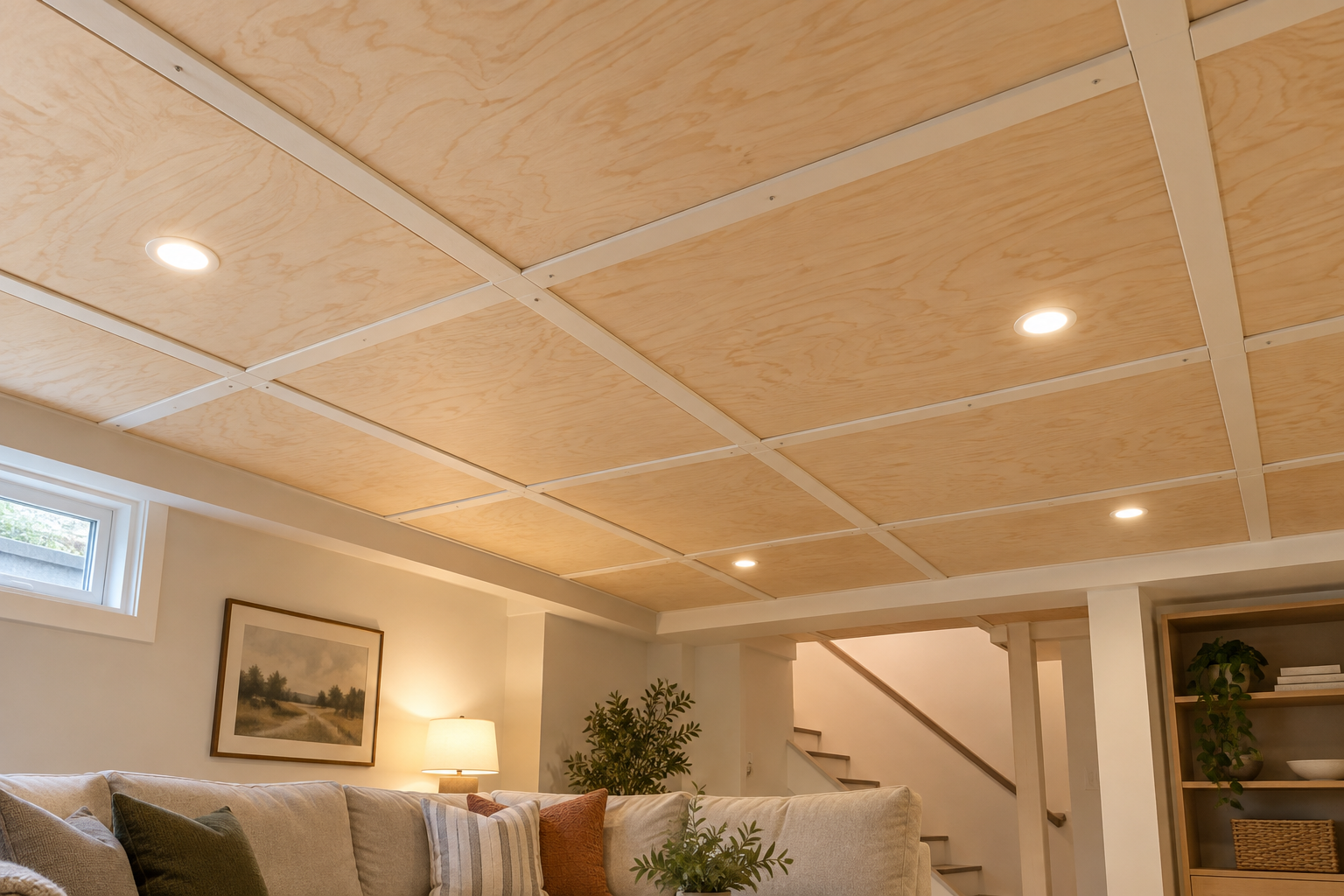
Basement Moisture Test Guide: 5 Tests to Run Before You Finish

Water stains and watermarks are often caused by spills, wet glasses, cold cups, or hot cups being placed on a wooden surface. In rare circumstances, water stains can be caused by using unsuitable cleaning products.,
All Posts

post

RTD Plywood: What the Stamp Actually Means and Where to Use It

post

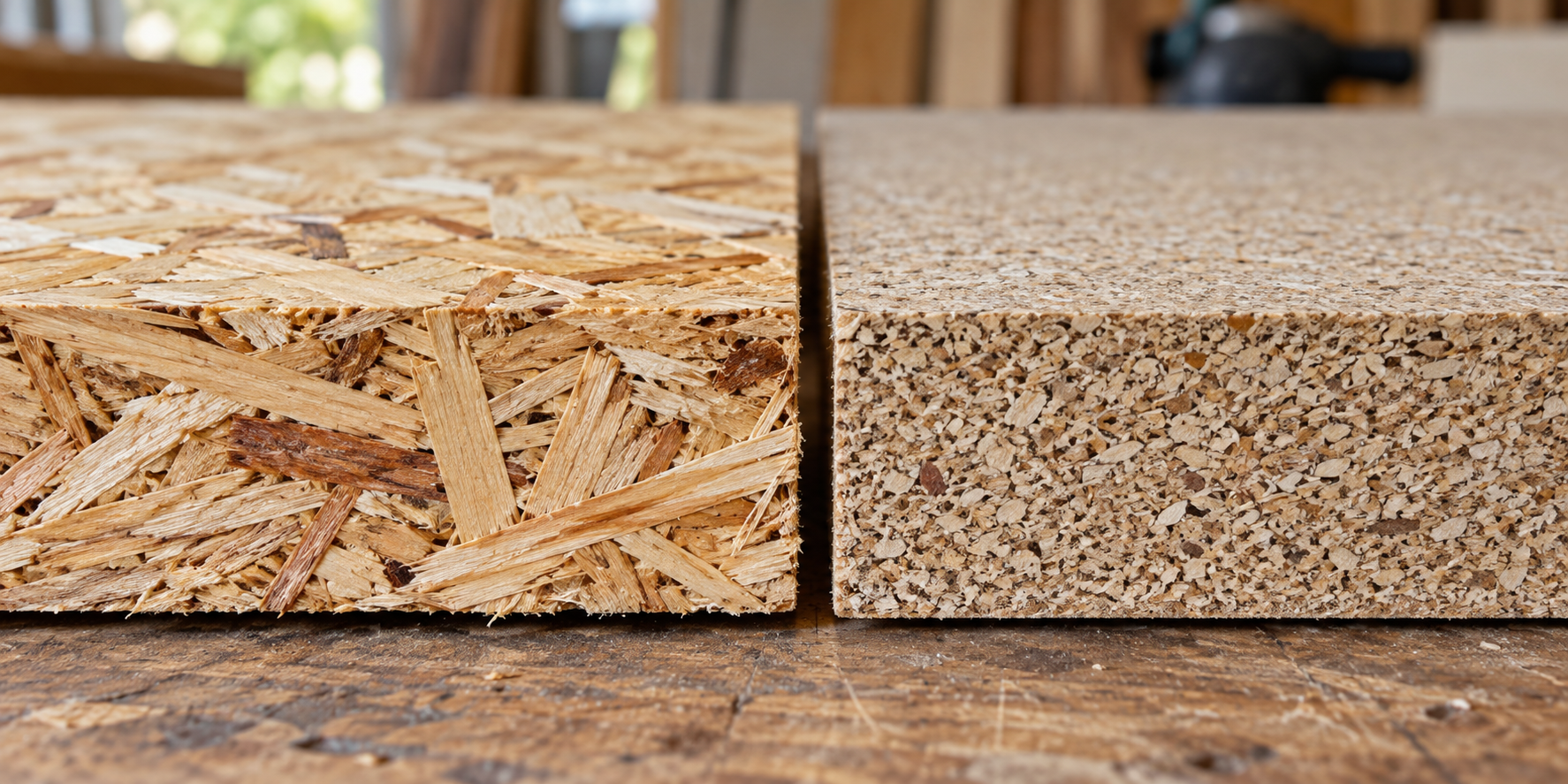
RTD is an abbreviation for Rated — “RTD Sheathing” and “RTD SHG” are shorthand for Rated Sheathing, a performance classification...

by Amy Reed

post

Best Dehumidifier for Basements: 5 Models Compared

post

Buying a basement dehumidifier looks simple until you realize the square footage number on the box was...

by Amy Reed

post

How to Finish Basement Walls (Step-by-Step Guide)

post

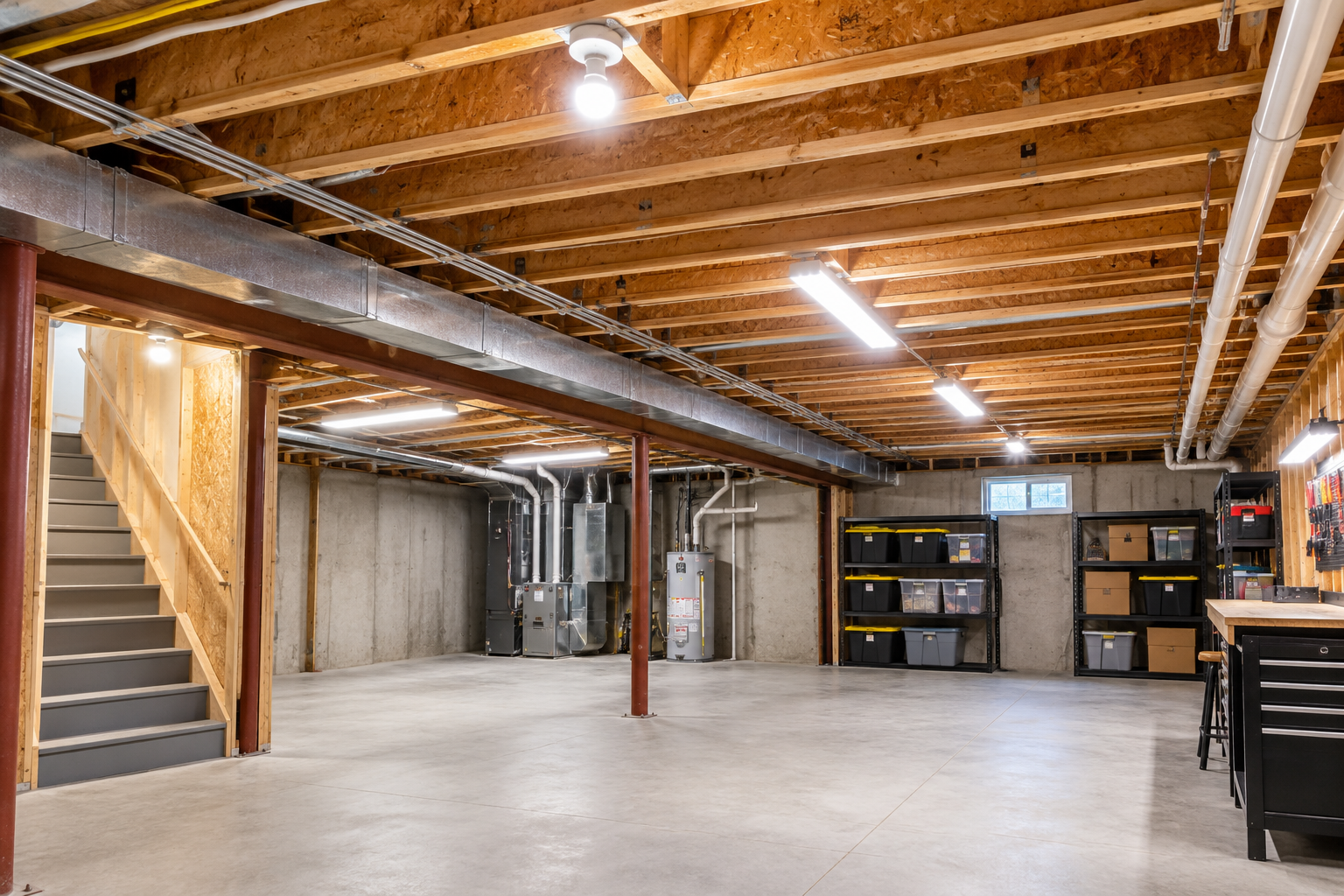
I’ve been in enough basements — my own and other people’s — to notice a pattern: many...

by Amy Reed

post

Basement Moisture Test Guide: 5 Tests to Run Before You Finish

post

The $6 Test Most People Skip Most basement remodels start the same way: run a hand across...

by Amy Reed

post

Mold Resistant Basement Materials That Work

post

The best mold resistant basement materials are inorganic or moisture-tolerant products: fiberglass-faced (paperless) drywall, cement board, PVC...

by Amy Reed

post

Best Plywood for Basement Walls (Grades, Thickness & Mistakes)

post

The best plywood for basement walls is usually ½-inch ACX plywood. It has a smooth face, exterior-rated...

by Amy Reed

post

Basement Subfloor Plywood: Complete Guide

post

The best plywood for a basement subfloor is 3/4-inch tongue-and-groove plywood with an Exposure 1 bond classification...

by Amy Reed

post

Drylok vs Vapor Barrier: Which Actually Stops Moisture?

post

Drylok and a vapor barrier are not interchangeable — they solve two different moisture problems. Drylok is...

by Amy Reed

post

Basement Wall Insulation: What Actually Works and What Fails

post

Insulating basement walls the wrong way is one of the most expensive mistakes in home improvement—and it...

by Amy Reed