Plywood Delamination: When to Repair vs Replace
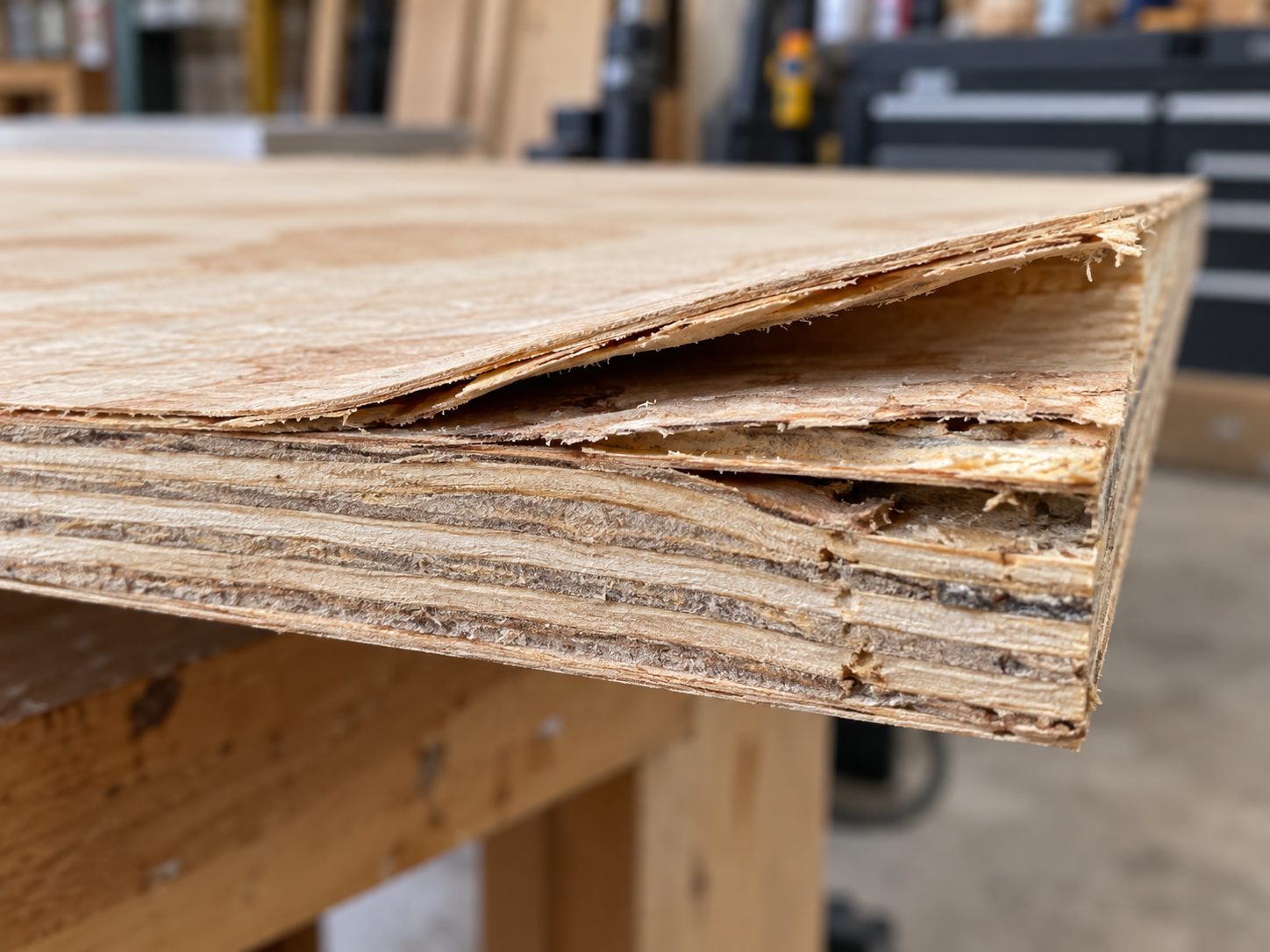
Close-up of plywood delamination showing separated veneer layers and peeling wood along the edge of a plywood sheet.

Repair plywood delamination only when the separated area is small (about the size of your palm or less), the wood is dry and firm, and the panel isn’t structural. If a subfloor, roof deck or wall sheathing has confirmed structural delamination, have it assessed and replace the affected panels when necessary. Replace any panel where … Read more

Categories DIY

French Cleat Tool Holders: 10 DIY Designs (With Cut Lists)

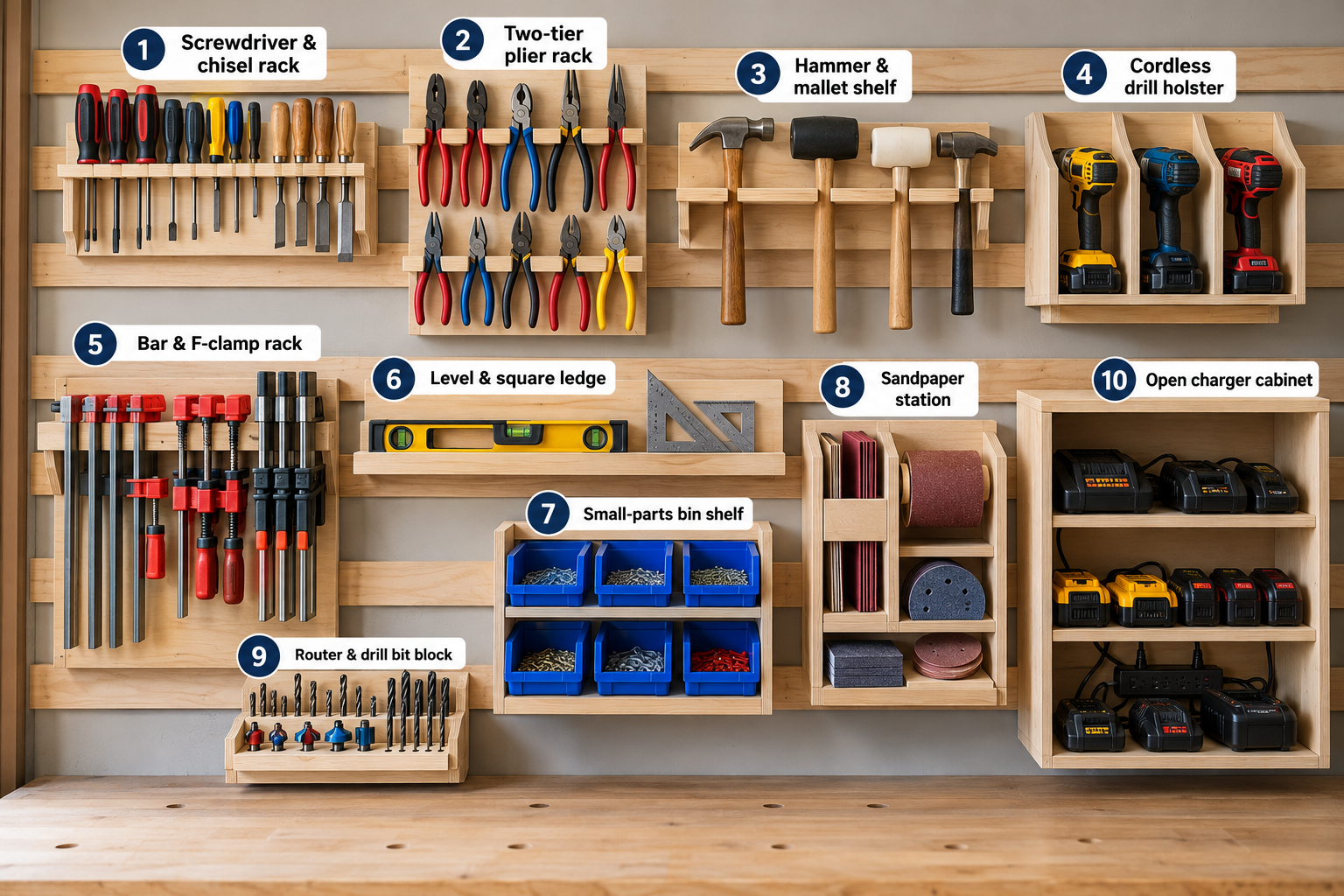
French cleat tool holders mounted on a plywood workshop wall, featuring DIY racks for drills, clamps, screwdrivers, hammers, pliers, and other tools.

All 10 French cleat tool holders on this page use the same cleat: 3/4″ plywood, 3-1/2″ wide, with a 45° bevel, glued flush to the top of a 3/4″ plywood back. Build every holder to that one profile and any holder hangs on any row of your wall. This page gives the dimensions and cut … Read more

Categories DIY

Cheap Basement Wall Ideas That Actually Look Finished

Cheap basement wall ideas featuring painted plywood paneling, smooth drywall, and painted concrete walls in a finished basement

The cheapest basement wall is a masonry coating rolled straight onto the concrete. The cheapest wall that looks like a real room is usually painted plywood or plain drywall. Which one wins depends on one question: will there be foam insulation behind it? This page ranks eight low-cost wall ideas by relative cost. It covers … Read more

Categories DIY

Rockler Woodworking: What to Buy and What to Skip

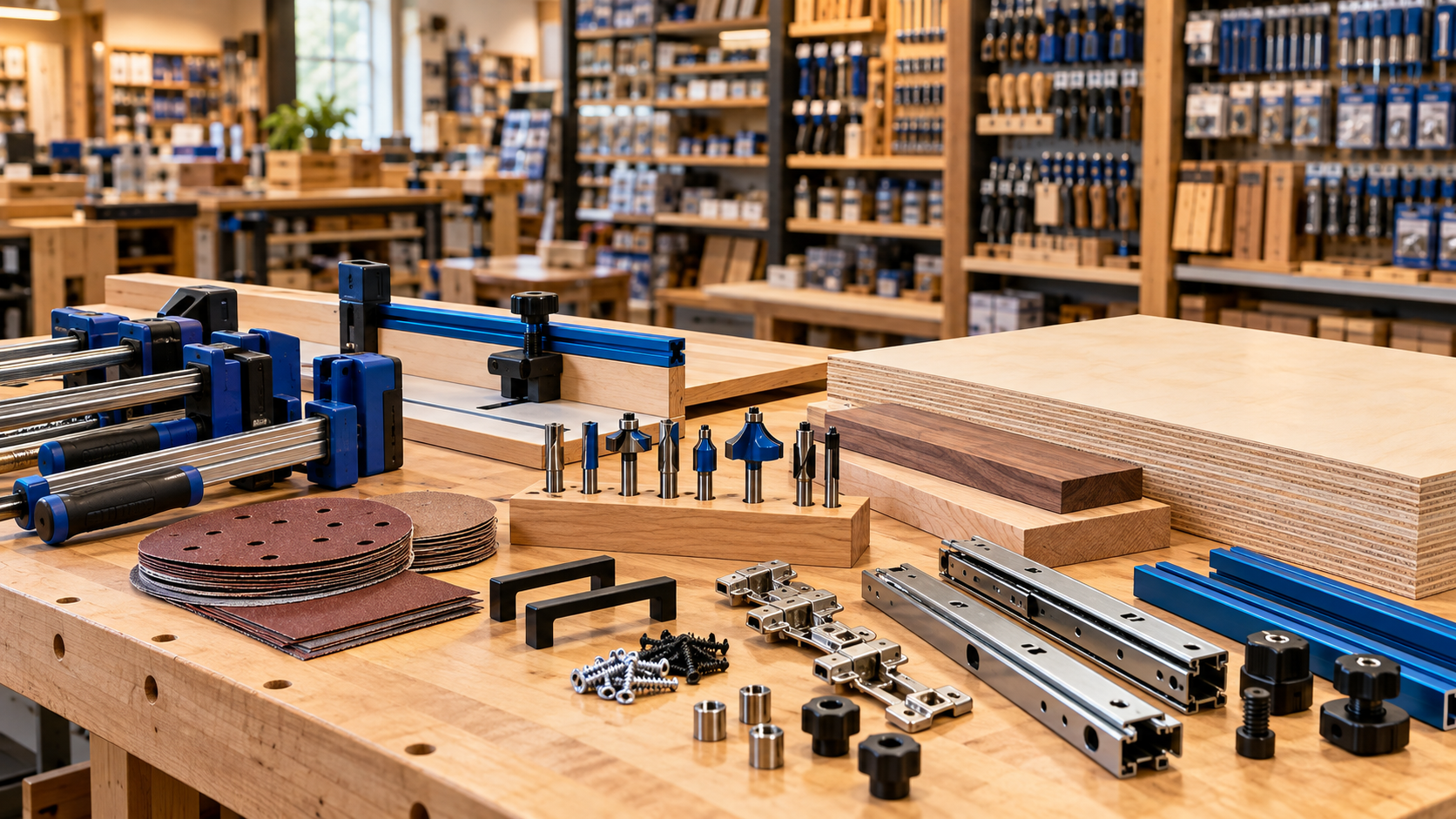
Rockler Woodworking tools, cabinet hardware, router bits, clamps, jigs, and plywood displayed on a woodworking supply store workbench.

Rockler Woodworking is worth it for three things: specialty hardware, shop jigs and accessories you won’t find at a big-box store, and small batches of hardwood or plywood you want to pick by hand. For big-brand power tools and everyday supplies like sandpaper and glue, compare prices first, because the same items are usually sold … Read more

Categories DIY

Marine Plywood for Transoms: Thickness & Sealing

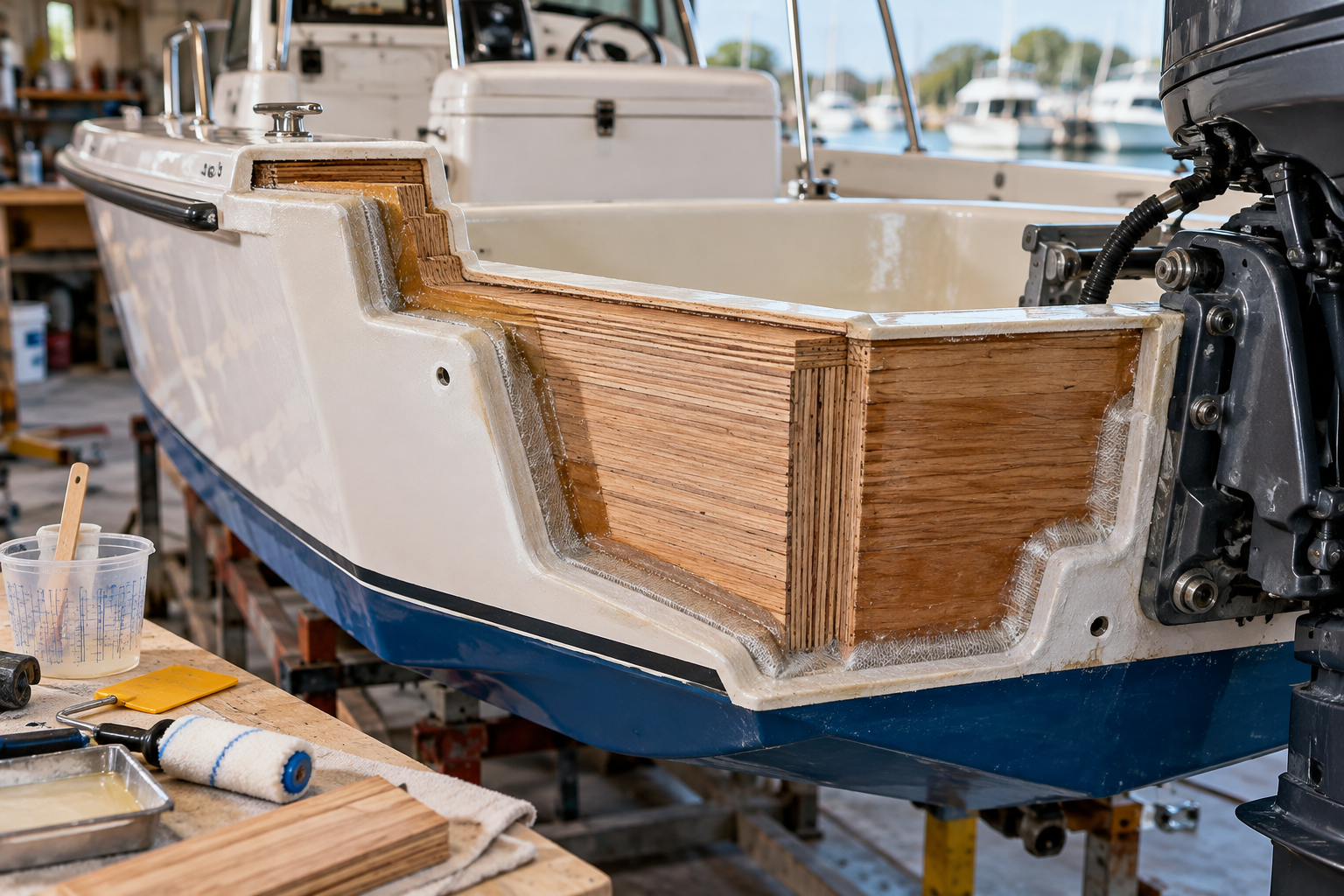
Marine plywood for transoms showing exposed laminated plywood layers, fiberglass reinforcement, and epoxy sealing on a boat transom.

Marine plywood for transoms is laminated in layers and often starts with two 3/4-inch panels (about 1-1/2 inches of core). The correct finished thickness depends on the boat’s original construction, the engine mounting system and the manufacturer’s specifications. This guide covers choosing the plywood, estimating a layup, laminating the core and sealing it against moisture. … Read more

Categories DIY