RTD Plywood: What the Stamp Actually Means and Where to Use It
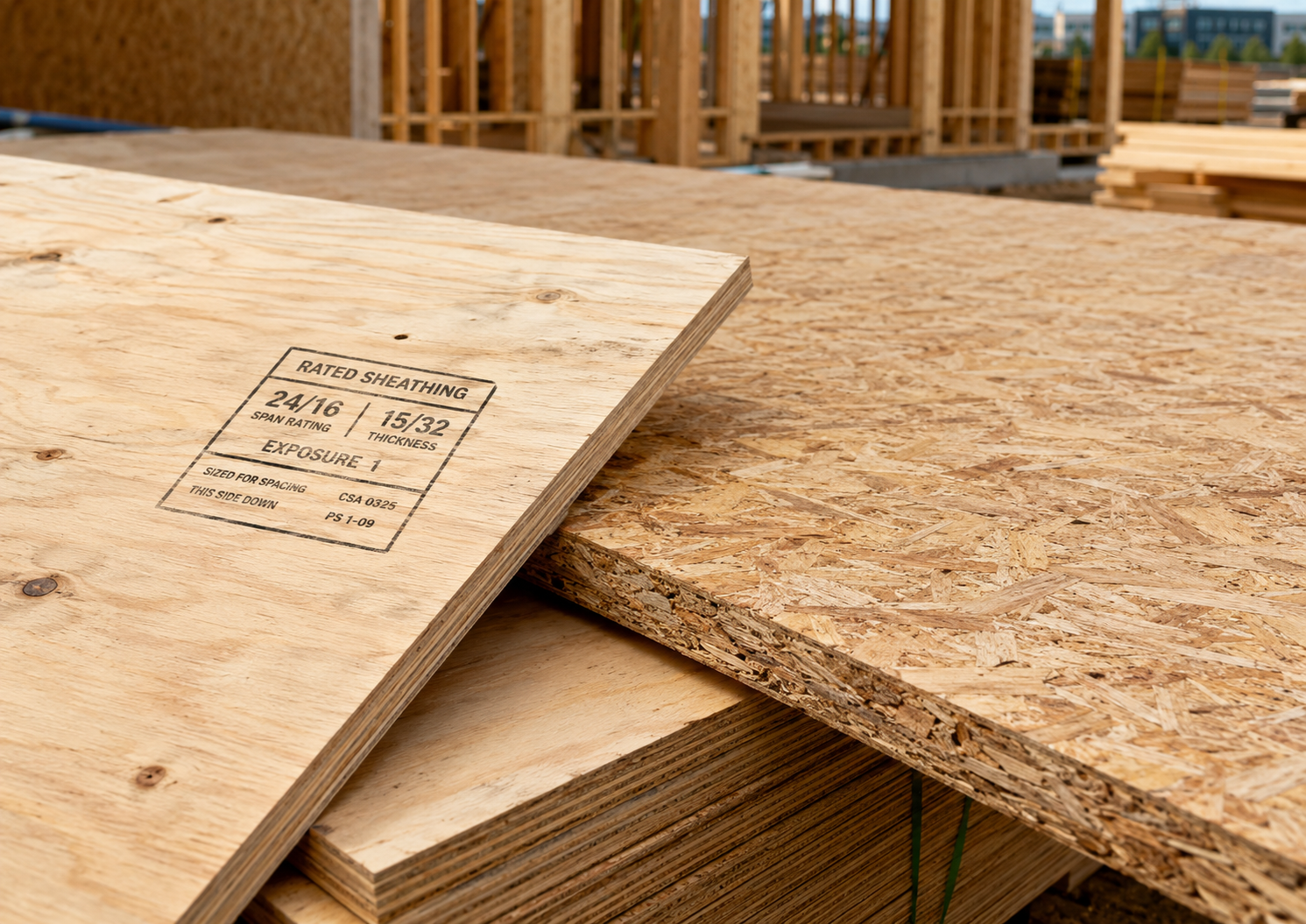
RTD is an abbreviation for Rated β€” “RTD Sheathing” and “RTD SHG” are shorthand for Rated Sheathing, a performance classification used by APA – The Engineered Wood Association. It is not a special manufacturing process, a glue technology, or a separate grade of plywood. Rated Sheathing can be plywood or OSB and may be manufactured under either the … Read more
Categories DIY

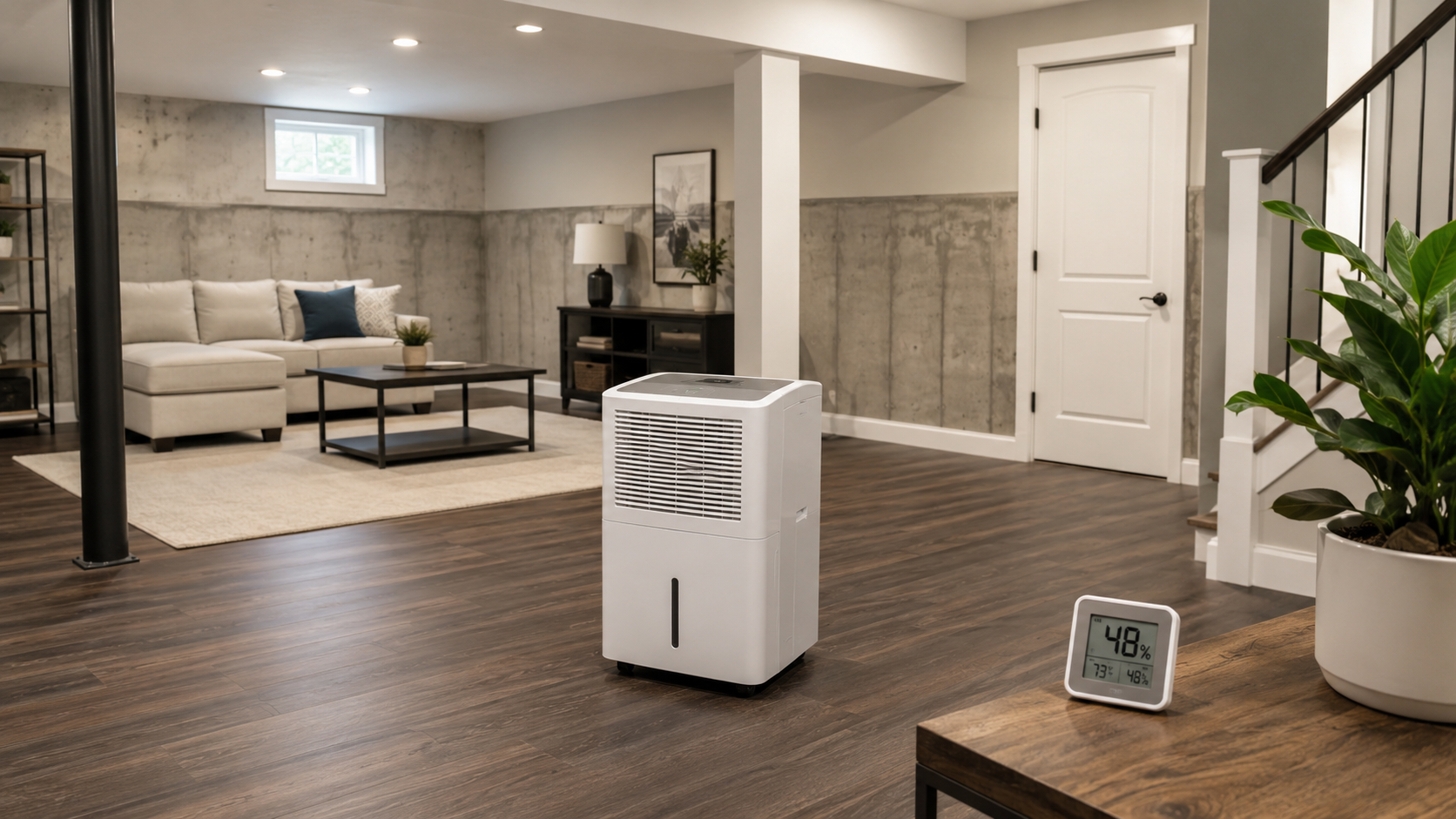
Best Dehumidifier for Basements: 5 Models Compared

Basement water intrusion that a dehumidifier cannot fix

Buying a basement dehumidifier looks simple until you realize the square footage number on the box was measured under conditions that look nothing like a basement. That single misunderstanding is why so many people spend a summer listening to an undersized unit run 24 hours a day while a $12 hygrometer stubbornly reads 62% β€” … Read more

Categories DIY

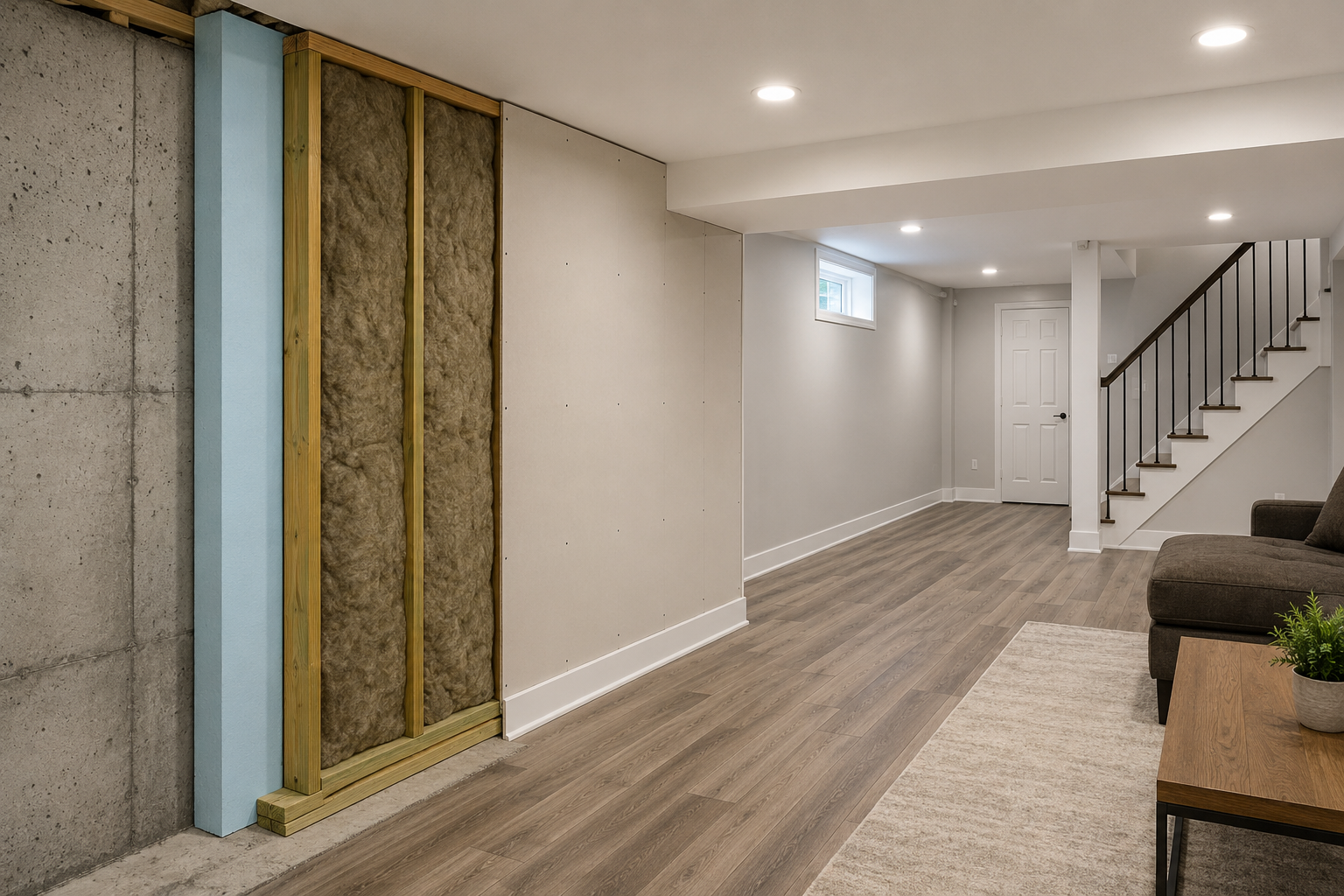
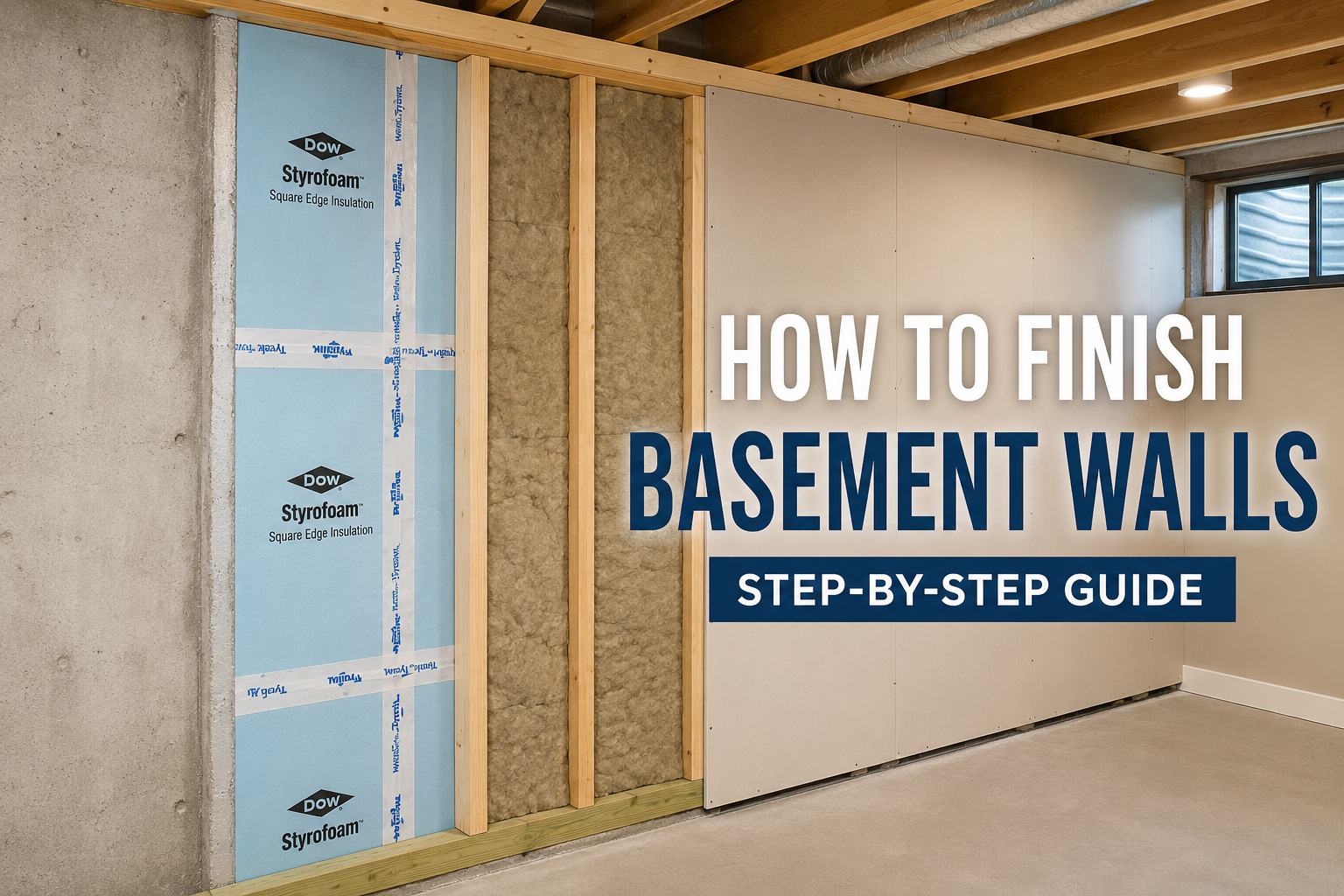
How to Finish Basement Walls (Step-by-Step Guide)

Basement wall finishing stages showing concrete, rigid foam insulation, wood framing, mineral wool, and drywall

I’ve been in enough basements β€” my own and other people’s β€” to notice a pattern: many finished basement wall failures begin with moisture-management decisions rather than visible carpentry defects. Framing went up before anyone checked whether the wall was dry. Insulation went in before anyone thought about where moisture would go. The drywall looked … Read more

Categories DIY

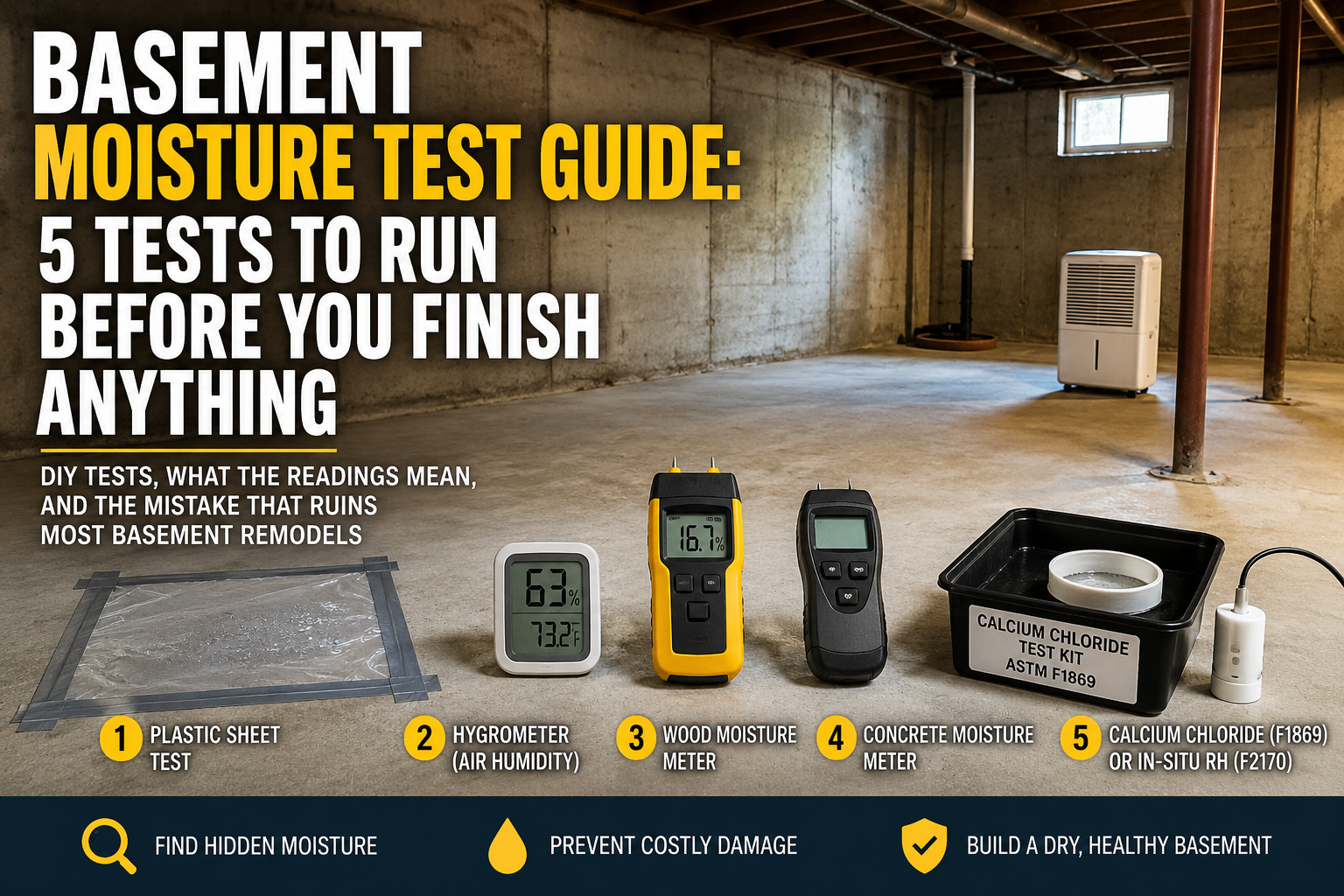
Basement Moisture Test Guide: 5 Tests to Run Before You Finish

Basement moisture test tools arranged on a concrete floor, including plastic sheeting, hygrometer, moisture meters, and a calcium chloride test kit

The $6 Test Most People Skip Most basement remodels start the same way: run a hand across the concrete, decide it feels dry, and start framing the next weekend. Then, a year or two later, the bottom edge of a wall goes soft. Paint bubbles. That faint musty smell shows up and never quite leaves. … Read more

Categories DIY

Mold Resistant Basement Materials That Work

The best mold resistant basement materials are inorganic or moisture-tolerant products: fiberglass-faced (paperless) drywall, cement board, PVC wall panels, mineral wool insulation, closed-cell rigid foam (XPS or EPS), and pressure-treated or Exterior-rated plywood. The rule is simple β€” mold needs organic food and moisture to grow, so every material you put in a basement should … Read more

Categories DIY