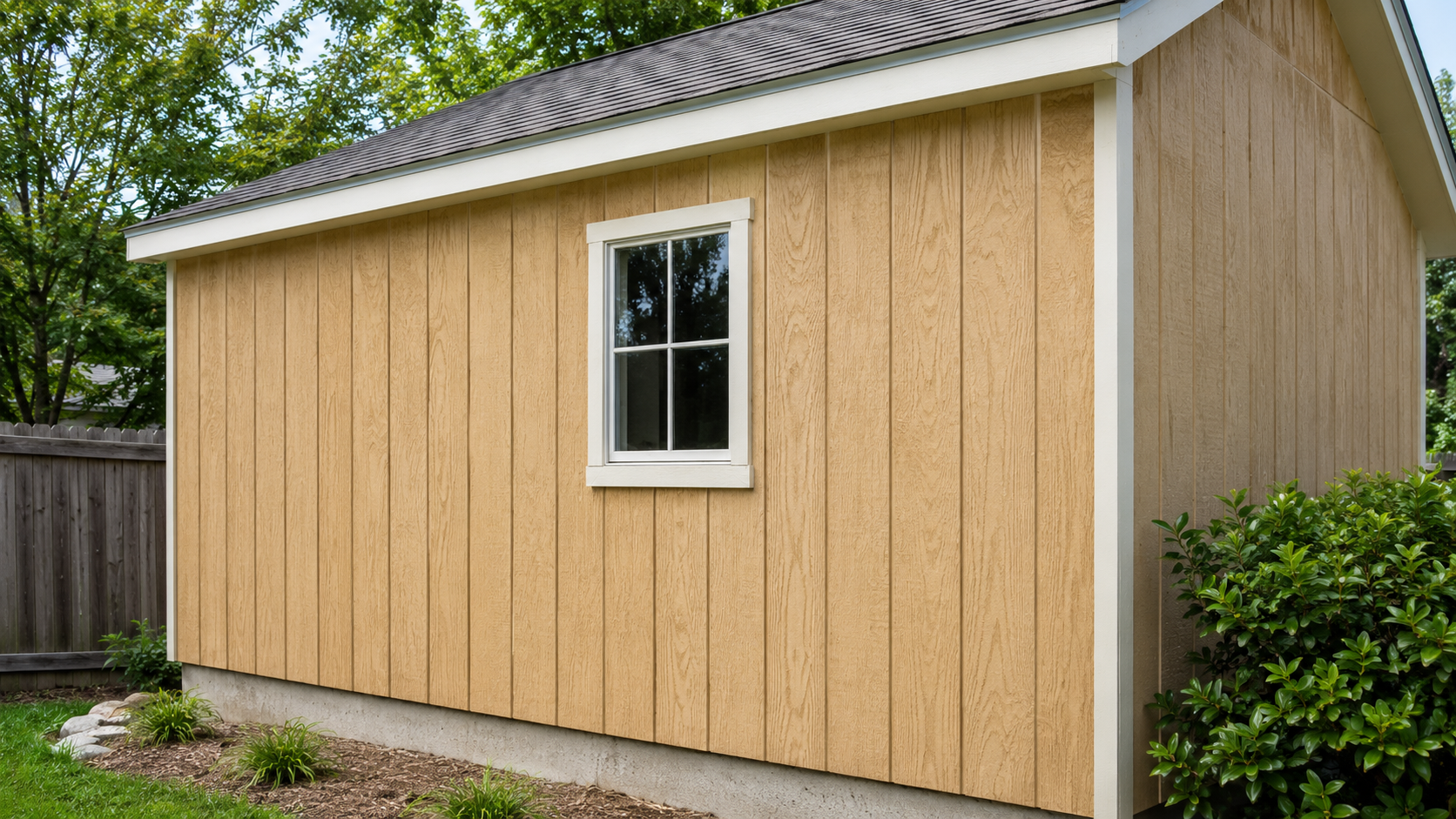
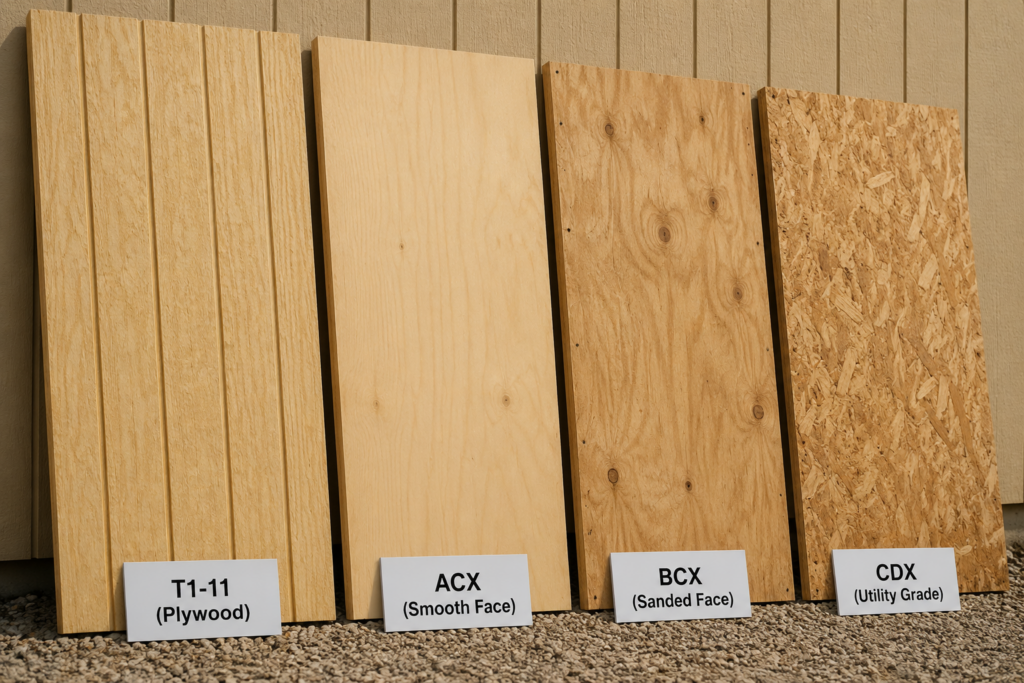
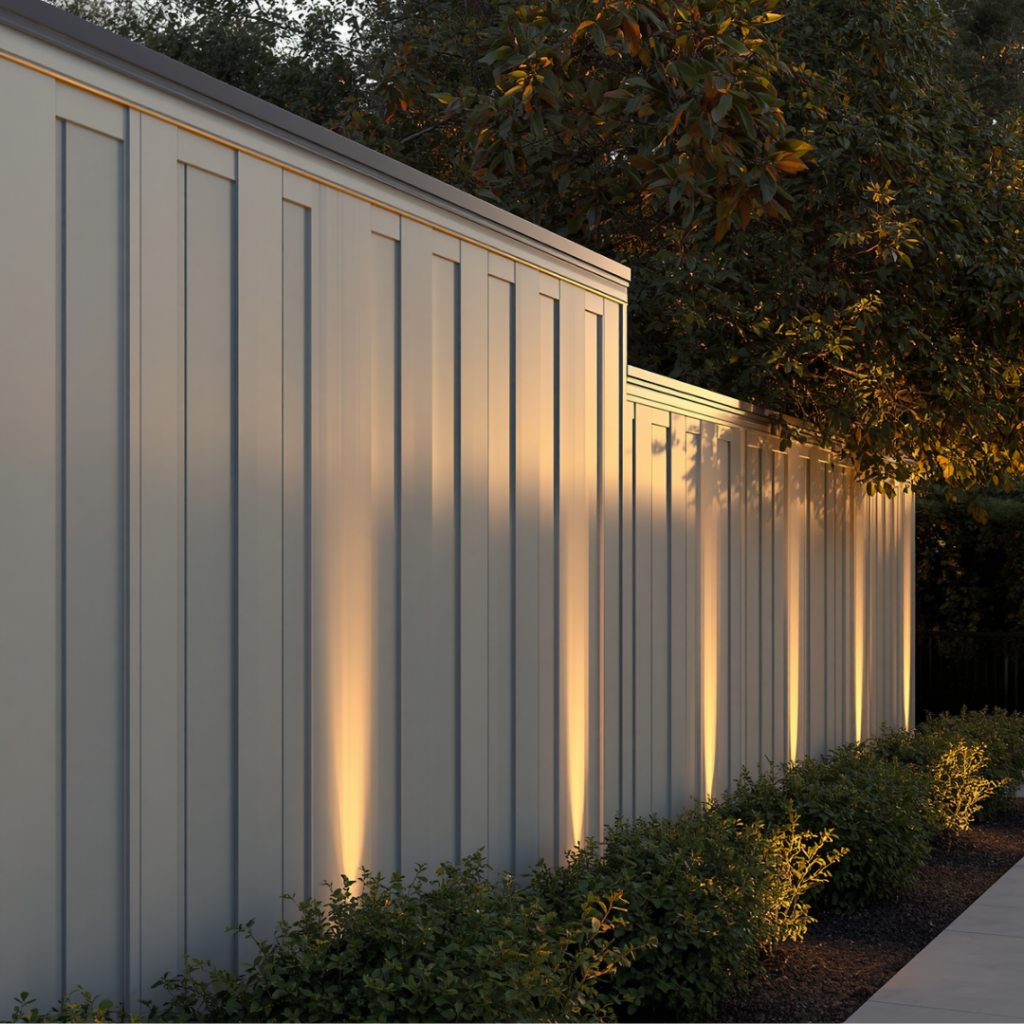
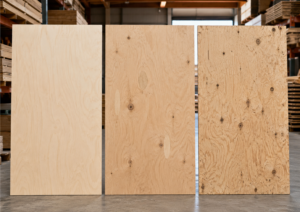
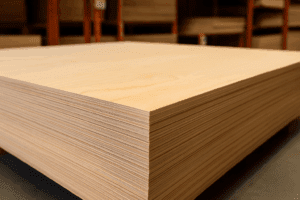
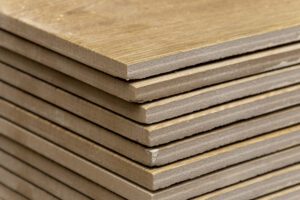
Choosing the best plywood for exterior siding comes down to one decision most people get backward: they shop by price first and exposure second. For most homes, sheds, and garages, 5/8″ plywood T1-11 is the best all-around choice — it acts as siding and sheathing in one panel. If you want a smooth painted finish instead of grooves, ACX or BCX exterior plywood with battens is the next best option. Pressure-treated plywood earns its place only in areas with ground contact or in constantly damp locations.
This guide breaks down every option, what each one actually costs, and the sealing mistakes that cause plywood siding to fail years early.
Quick Comparison: Exterior Siding Plywood Options
Plywood Type
Best For
Finish Quality
Relative Cost
Verdict
T1-11 (plywood)
Sheds, garages, cabins, homes
Grooved, rustic
$$
✅ Best overall for siding
ACX
Visible painted siding
Smooth A-grade face
$$$
✅ Best for smooth finish
BCX
Painted siding on a budget
Good B-grade face
$$
✅ Solid value pick
Pressure-treated
Near-ground panels, damp climates
Rough, must dry before paint
$$$
✅ Situational
Marine grade
Boats, docks — not walls
Excellent
$$$$
❌ Overkill for siding
CDX
Sheathing under other siding
Rough C/D faces
$
❌ Not a finish material
T1-11 (OSB)
Temporary or budget structures
Grooved
$
⚠️ Weakest against moisture
Quick decision table:
Your Situation
Buy This
Shed, garage, or workshop
5/8″ plywood T1-11
House siding, rustic look
5/8″ plywood T1-11, primed all sides
House siding, smooth painted look
ACX with battens
Budget build, one good side needed
BCX
Bottom course near soil or splashback
Pressure-treated panel
“Cheapest thing that works”
3/8″ T1-11 — but read the thickness section first
What Makes Plywood “Exterior Rated” (And What It Doesn’t Mean)
The “X” in grades like ACX, BCX, and CDX stands for exterior-rated adhesive. It means the glue holding the veneer layers together can survive repeated wetting without the panel delaminating.
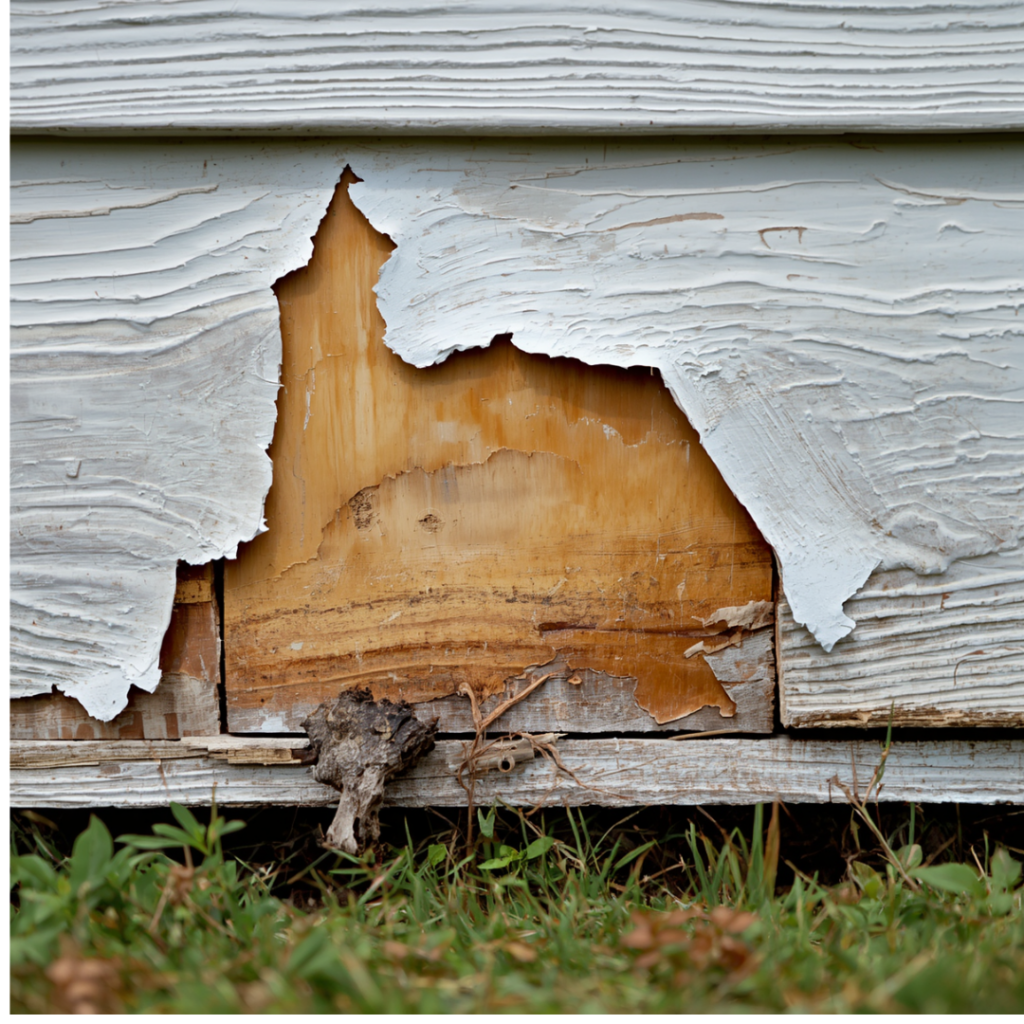
Here’s what the X does not mean: the wood itself is not waterproof. Exterior plywood still absorbs water through its faces and — much faster — through cut edges and fastener holes. Unsealed exterior plywood on a wall will swell, check, and eventually rot; the glue just fails last, not first.
That distinction drives everything else in this article. The panel you buy matters, but the priming and edge-sealing you do matters just as much. For a full breakdown of how the moisture-resistance tiers stack up, see our guide to waterproof plywood types.
T1-11 Plywood: The Default Choice for Most Projects
T1-11 is a 4×8 exterior plywood panel with vertical grooves milled into the face to mimic board-and-batten siding. It’s been the workhorse of sheds, garages, barns, and cabins for decades for one structural reason: it’s siding and sheathing in a single layer. For many outbuildings, you can nail plywood T1-11 directly to the studs and skip the separate sheathing entirely, which saves both material costs and a full installation step.
Two things to get right when buying it:
Plywood, not OSB. T1-11 comes in both. The OSB version is cheaper, but its edges swell badly when they take on water, and swollen OSB edges never shrink back. If the wall will see real weather, plywood T1-11 is the better long-term panel even at a higher sheet price.
Groove spacing. Panels come with 4″ or 8″ on-center grooves. This is purely aesthetic — pick the look you want, because you’re committed to it for the life of the siding.
We cover panel selection, solo installation technique, and long-term maintenance in detail in our full T1-11 siding guide.
❌ The Mistake: Nailing T1-11 tight to a concrete slab or soil grade. The bottom edge of the panel is exposed end grain — the most absorbent part of the entire sheet — and splashback from rain will feed it water all year. Keep the bottom edge at least 6–8″ above grade and seal it before the panel goes up.
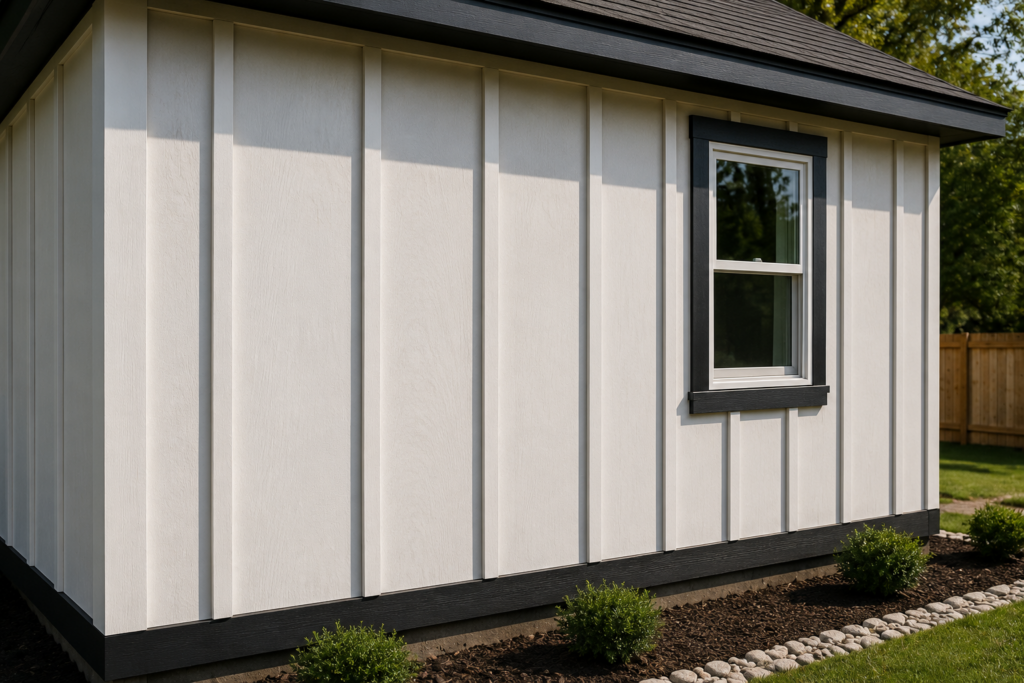
If grooves aren’t the look you want, smooth exterior plywood installed as panels with battens over the seams gives you a clean, modern board-and-batten style.
ACX has a sanded, nearly defect-free A-grade face over an exterior-glued core. It takes paint beautifully and is the right choice for highly visible walls on a house.
BCX has a B-grade face — still sanded and paintable, but with a few small repaired knots. In most mills, BCX is simply plywood that didn’t quite make the ACX cut, which makes it a genuine value play: same core, same exterior adhesive, slightly busier face, noticeably lower price.
For a full comparison of the faces, cores, and where each grade makes sense, see our BCX vs CCX plywood breakdown.
💸 The Cost Difference: On a 400 sq ft shed, stepping down from ACX to BCX typically saves $8–$15 per sheet — roughly $100–$190 across the job — and under two coats of quality exterior paint, most people can’t tell the difference from ten feet away. Save ACX for the wall facing the street.
Pressure-Treated Plywood: When Moisture Is the Enemy
Pressure-treated plywood has preservatives forced deep into the wood fibers, making it resistant to rot fungi and insects. For siding, it’s a situational tool, not a default:
Use it for: the bottom course of siding near grade, panels behind landscaping that stays damp, skirting, and walls in relentlessly humid climates.
Skip it for: entire wall fields in normal conditions. It costs more, arrives wet and heavy from the treatment process, is prone to warping as it dries, and can’t be painted until it fully dries out — often 3–6 months. Paint it too early and the finish peels.
One point that surprises people: pressure treatment protects against rot and insects, but it does not stop the wood from absorbing water. Treated panels still swell and move with moisture, so sealing still matters. Our pressure-treated plywood guide covers treatment levels, drying times, and safe handling.
⚠️ Warning: Pressure-treated wood requires compatible fasteners. Modern treatment chemicals corrode standard steel nails. Use hot-dipped galvanized or stainless steel fasteners, or you’ll get rust streaks down your siding and failing connections within a few years.
Marine Grade Plywood: Almost Never Worth It for Siding
Marine plywood is the premium tier — void-free hardwood core, top-quality veneers, exterior-rated waterproof adhesive throughout. It’s engineered for severe moisture exposure, such as on boat hulls and docks.
For vertical wall siding, it’s overkill. A wall sheds water; it doesn’t sit in it. You’d be paying two to four times the price of ACX for durability your application will never test — and marine plywood still requires paint or sealer, because the panel has no chemical rot preservatives at all. The exceptions are extreme coastal exposure or a design that genuinely traps water. For everyone else, put the money into better primer and flashing. Full details in our marine grade plywood guide.
CDX: Sheathing, Not Siding
CDX shows up in every “cheap exterior plywood” search, so let’s be direct: CDX is wall and roof sheathing meant to be covered by housewrap and a finish material. Its C and D faces are rough, knotty, and patch-filled, and the exterior glue is only intended to protect it from weather during construction — not for years of direct exposure. Painted CDX on a wall looks rough on day one and worse every season after. If budget is the constraint, 3/8″ T1-11 or BCX is a better answer.
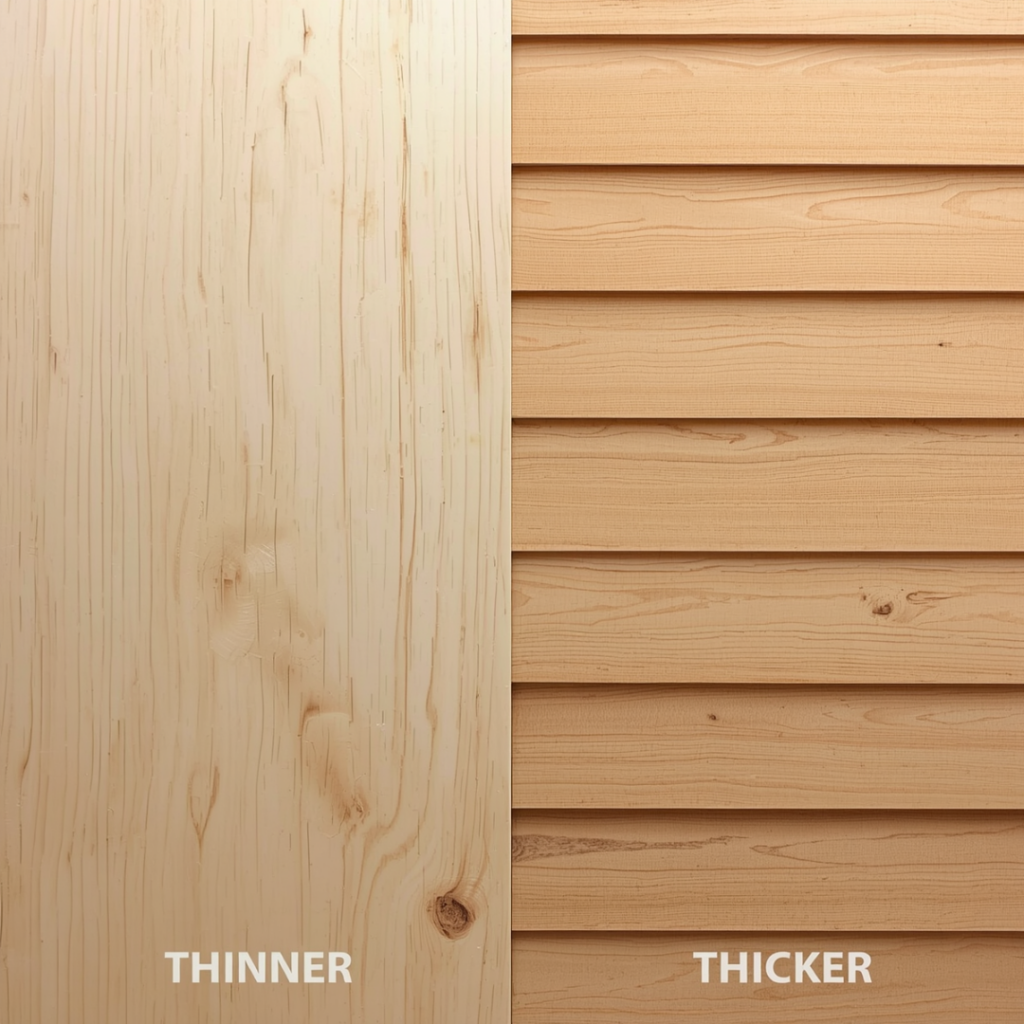
Thickness: 3/8″ vs 5/8″
T1-11 and most siding panels come in two common thicknesses, and this choice matters more than most buyers realize:
3/8″ Panel
5/8″ Panel
Weight/handling
Light, easy to cut
Heavier, stiffer
Rigidity on the wall
Flexes between studs
Stays flat
Direct-to-stud (no sheathing)
Marginal
✅ Yes, at 16″ OC
Fastener holding
Adequate
Strong
Best for
Small sheds, temporary structures
Garages, workshops, homes, anything long-term
😬 The Regret: The most common complaint from owners a few years in isn’t rot — it’s waviness. Thin 3/8″ panels nailed straight to studs telegraph every bit of framing irregularity and flex in wind, and the oil-canning look is permanent. The $10–15 per sheet saved on day one buys a wall you’ll dislike for twenty years. For anything you care about, buy 5/8″.
Cost Comparison
Prices vary by region and lumber market, but relative positioning holds steady:
Panel (4×8)
Typical Price Range*
T1-11 OSB, 3/8″
$25–$40
CDX, 1/2″
$30–$45
T1-11 plywood, 3/8″
$35–$55
BCX, 1/2″
$40–$60
T1-11 plywood, 5/8″
$45–$70
ACX, 1/2″
$55–$80
Pressure-treated, 5/8″
$50–$85
Marine grade, 1/2″
$90–$180+
*Check current local pricing — sheet goods fluctuate significantly with the lumber market.
Remember to price the whole wall, not the sheet: T1-11 that replaces separate sheathing can beat a “cheaper” panel that needs sheathing underneath it.
The Sealing Steps That Decide How Long Your Siding Lasts
Contractors who work on failed plywood siding will tell you the same thing: the panel brand almost never caused the failure — the installation did. The difference between plywood siding that lasts 8 years and 25+ years comes down to five steps:
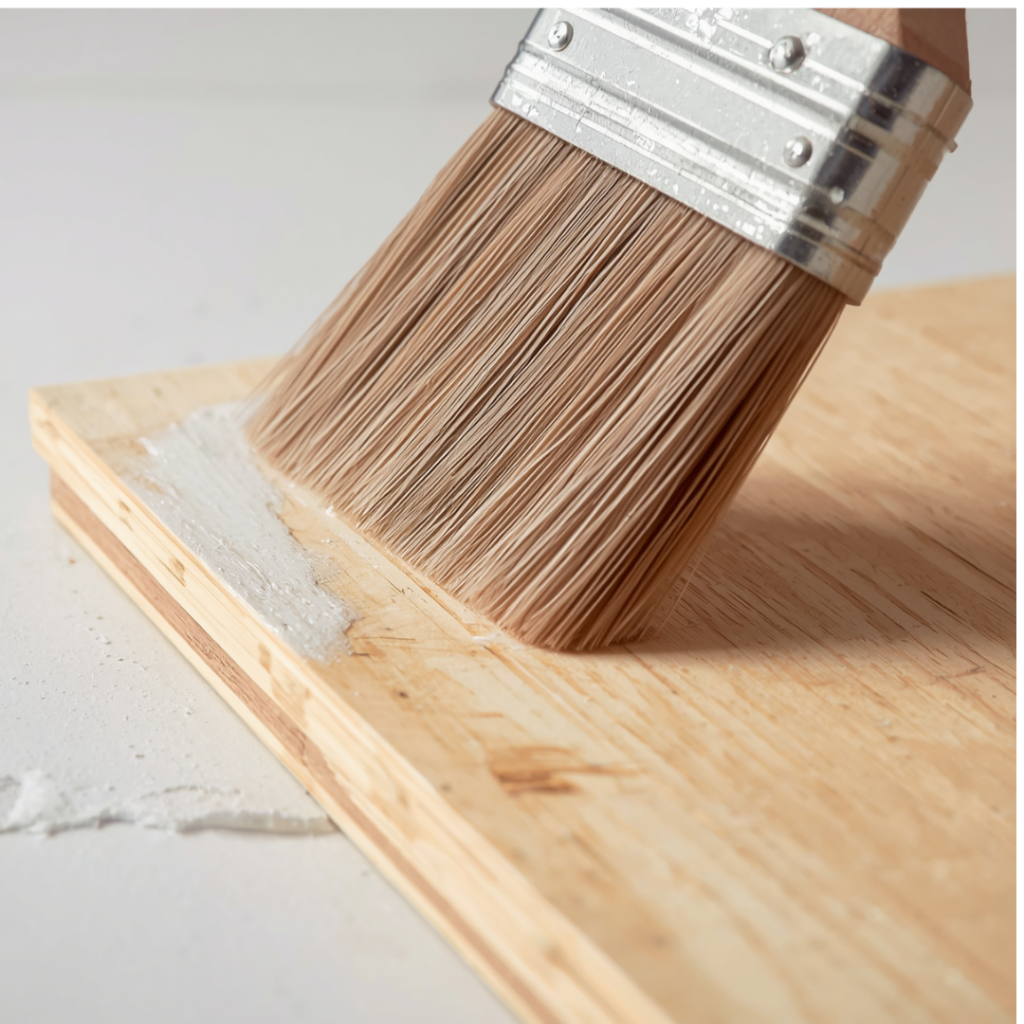
Prime all six sides before installation. Face, back, and all four edges. The back and bottom edge are exactly the surfaces you can’t reach once the panel is on the wall.
Seal every cut edge immediately. Fresh-cut end grain absorbs water dramatically faster than the panel face. Prime cuts the same day you make them.
Z-flashing at every horizontal seam. Butting panels vertically and caulking the joint fails; caulk cracks, and water wicks straight into both edges. Metal Z-flashing sheds it instead.
Keep 6–8″ of ground clearance. Splashback is the number-one rot entry point in plywood siding.
Repaint on schedule. Every 5–7 years for paint, sooner for stain. The finish is the actual waterproofing; the panel is just the structure.
🧪 Field Check: Before repainting older plywood siding, contractors probe the bottom 12″ of panels and the trim around windows with a screwdriver and check suspect spots with a moisture meter. Readings sustained above roughly 20% moisture content mean active water intrusion that paint will seal in, not fix. If you find soft spots, deal with the rot before refinishing — our guide on how to prevent and treat wood rot walks through the repair-or-replace call.
Using interior plywood outdoors. Interior glue delaminates when wet. No amount of paint fixes this — water enters through edges and nail holes regardless. Panels typically fail within one to two years.
Painting pressure-treated panels while still wet. Wait until the wood fully dries (test: water should absorb, not bead) or the paint peels in sheets.
Skipping the panel backs. Unprimed backs absorb humidity from the wall cavity and the panel cups.
Caulking horizontal seams instead of flashing them. The single most common source of hidden rot in plywood siding.
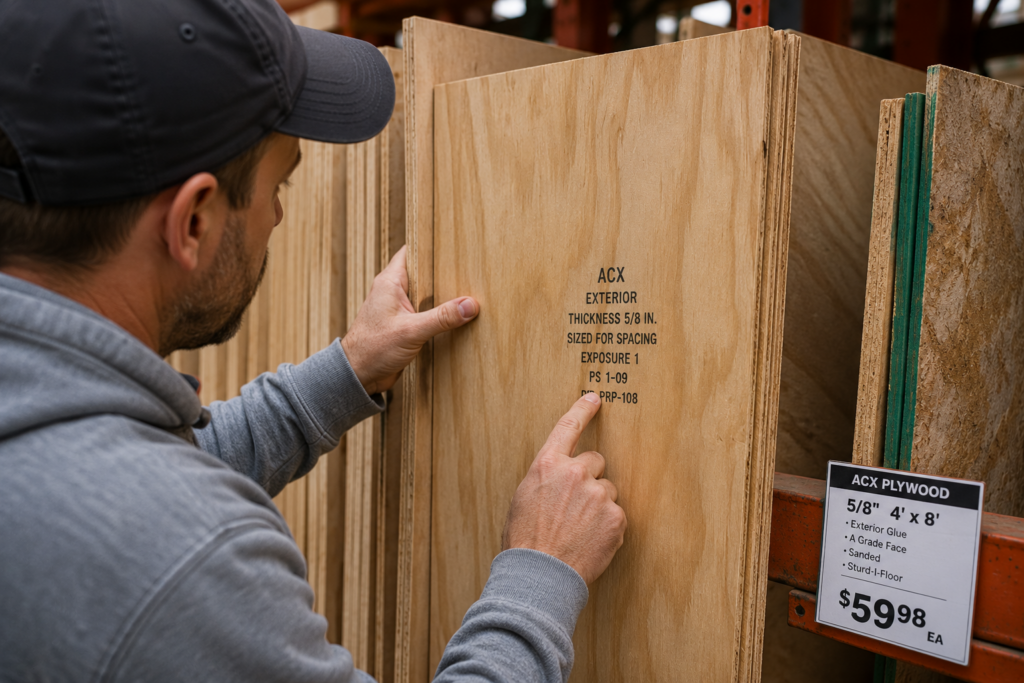
Buying by thickness label without checking the stamp. The grade stamp tells you adhesive rating and exposure class — more important than the fraction on the price tag.
Buying Checklist
Before you load sheets on the cart:
Grade stamp shows Exterior (not just Exposure 1)
Plywood core, not OSB, if the wall sees direct weather
5/8″ thickness for anything permanent
Sight down each sheet edge — reject warped or twisted panels
Check edges for core voids and delamination
Enough primer to coat all six sides of every panel
Compatible fasteners (galvanized or stainless, especially with treated wood)
FAQ
What is the best plywood for exterior siding? 5/8″ T1-11 plywood is the best choice for exterior siding on most homes, sheds, and garages. It serves as siding and sheathing in one panel, holds up well when primed on all sides, and costs less installed than smooth panels over separate sheathing. For a smooth painted look, ACX is the best choice.
Can I use CDX plywood as siding? No. CDX is sheathing meant to be covered by housewrap and finish siding. Its rough C/D faces and construction-phase moisture protection make it a poor finish material that deteriorates quickly under direct, permanent exposure.
How long does plywood siding last? Properly installed and maintained plywood siding lasts 20–30 years or more. Panels installed without primed backs, sealed edges, flashing, and ground clearance can begin failing in 5–10 years, especially in humid climates.
Is pressure-treated plywood good for siding? Pressure-treated plywood is good for siding sections near the ground or in constantly damp locations. For full walls, it’s usually unnecessary — it costs more, warps as it dries, and can’t be painted for 3–6 months after purchase.
Does exterior plywood need to be sealed? Yes. Exterior-rated adhesive keeps the plies from separating, but the wood itself still absorbs water. All exterior plywood siding needs primer on every surface (including the back and edges) plus paint or stain, renewed every 5–7 years.
Is T1-11 plywood or OSB better? Plywood T1-11 is better for any wall exposed to weather. OSB T1-11 costs less, but its edges swell permanently when they absorb water. Reserve OSB T1-11 for well-protected or temporary structures.
ACX Plywood Guide: Uses, Benefits & Costs by Admin September 2, 2025 Grades If you’ve walked through the lumber aisle at your local home improvement store, you’ve probably seen stacks of plywood labeled ACX. At first glance, it…