If you’ve ever clamped two boards together, checked them an hour later, and thought, “Looks good—done!”, you’re not alone. I’ve done it myself. Unfortunately, that early confidence can turn into regret the first time the joint is put under stress. What felt solid was only partway there—the glue was dry to the touch but nowhere near fully cured. That’s the key difference in glue curing vs drying time—a detail that can make or break a woodworking project.
In woodworking, that difference matters more than most people realize. Drying is just the surface skin forming, giving a false sense of security. Curing is when the adhesive has hardened all the way through, forming a bond that will hold for decades.
I learned this while repairing an old maple chair. I rushed it, thinking overnight was enough. A week later, I heard a sharp crack when someone leaned back. That was my wake-up call: give glue the full curing time, and you won’t have to fix the same piece twice.
Why Glue Curing vs Drying Time Matters in Woodworking
In the shop, patience often matters just as much as precise cuts or clean measurements. Drying is only the opening act—it’s when the glue’s moisture has evaporated enough for the surface to feel firm. Curing goes much deeper. That’s when the glue’s chemistry locks in, creating a bond strong enough to handle real-world stress.
I’ve learned that if you nudge or twist a joint during that fragile in-between stage, you might not see the damage right away. But weeks later, something will shift or creak, and you’ll know exactly when the mistake happened.
Veteran woodworkers know this. They don’t just wait until glue feels hard—they give it the time it needs to truly finish the job. Depending on the glue type, that might mean leaving clamps on for a full day, or even longer. It’s not wasted time; it’s the quiet part of the build that guarantees lasting strength.
🔗 Related Reading:Best Plywood for Cabinets — Choosing the right wood is just as critical as allowing your glue to fully cure.
Glue Curing vs Drying Time for Beginners and Experts
Beginners often rely on nails or screws because they provide immediate holding power. While these work in some cases, they can leave visible holes and weaken over time.
Experts, on the other hand, trust glue as the main structural element—because when fully cured, many wood glues are stronger than the wood itself.
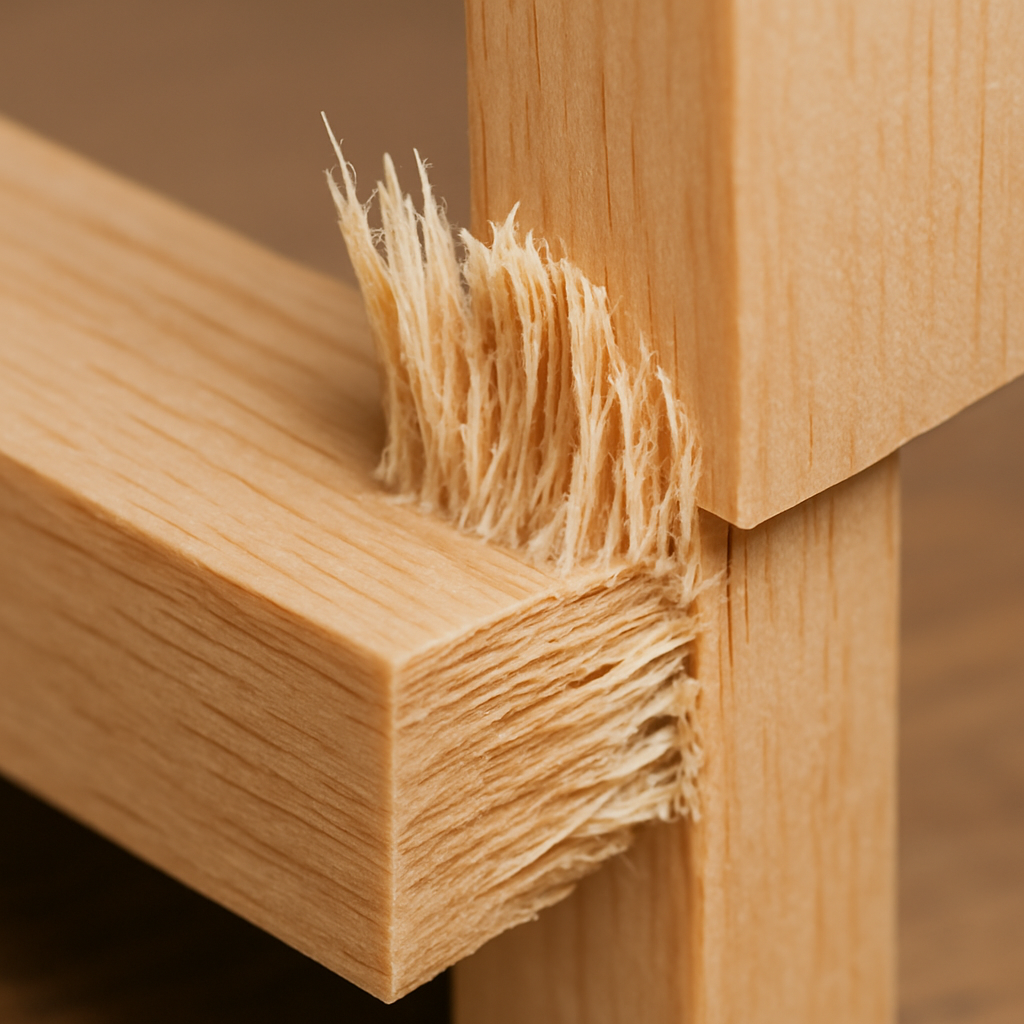
If you’ve ever broken apart a properly cured joint, you’ll notice the wood fibers tear before the glue line fails. That’s the hallmark of a well-cured adhesive.
Types of Wood Glue and Their Glue Curing vs Drying Time
Glues all behave a little differently, and some have surprised me more than once. A joint can feel rock solid in an hour, yet fall apart the moment it takes any weight. Other times, the glue feels gummy for half a day but ends up holding for decades.
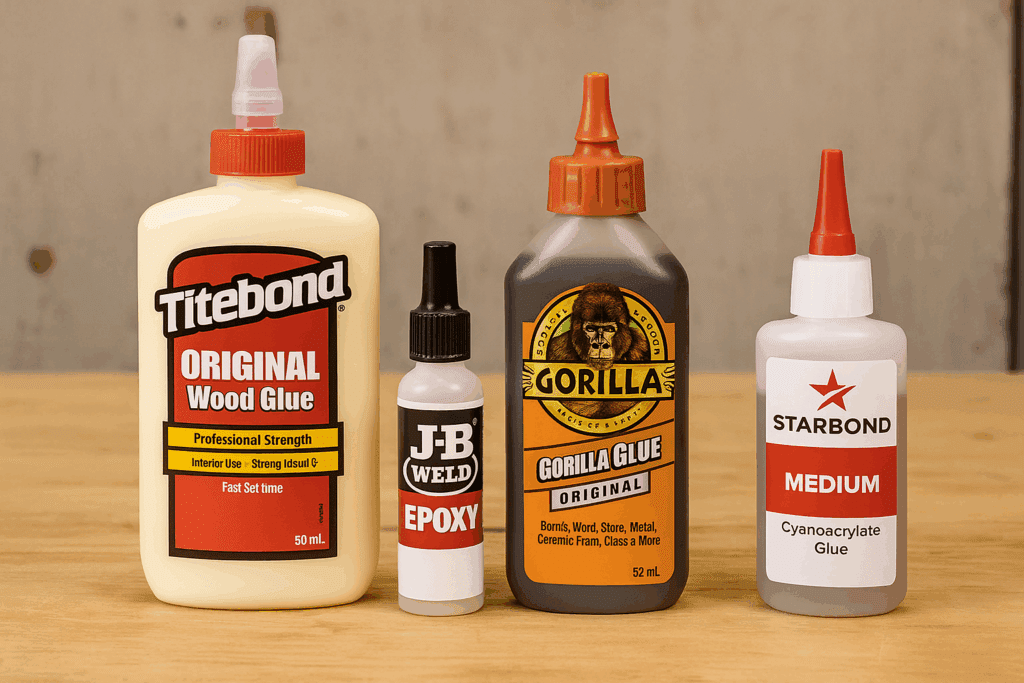
Here’s the list I keep taped above my bench:
Glue Type
Drying Time (Touch-Firm)
Full Cure Time (Max Strength)
Shop Notes
PVA – Yellow or White
30–60 min
~24 hrs
Every day, glue is used for most woodworking. Cleans up with water if you catch it early. Use Type II or III if it might see moisture.
Polyurethane
1–2 hrs
24 hrs
Foams and expands while curing—if you don’t clamp hard, it’ll push the joint apart. Gloves are mandatory unless you enjoy picking glue off your hands for a week.
Epoxy – Two Part
5–60 min
1–3 days
Great for filling gaps or when you need waterproof strength. In summer heat, it sets much faster than you think—mix small batches.
Liquid Hide Glue
~30 min
12–24 hrs
Old-school choice for fine furniture. It’s reversible with heat and moisture, which is a lifesaver for repairs.
CA – Super Glue
Seconds–5 min
8–24 hrs
My go-to for quick fixes. I keep an accelerator spray handy. Not a structural glue—think small pieces or temporary holds.
I always check the label, but I trust my shop clock more. Cold mornings and damp days can double the cure time, no matter what the bottle says.
💡 Tip: PVA is the most common choice for most woodworking. For outdoor work, Titebond III is a top performer.
🔗 Related Reading:PVA Glue Guide — Deep dive into the most popular woodworking adhesive.
The Science Behind Glue Curing vs Drying Time
Drying Phase: This is the stage most beginners mistake for “done.” As the water or solvent in the glue evaporates, the surface firms up and loses its tack. It can feel solid under your fingers, and the joint may even hold its shape. But inside, the adhesive is still soft, and the bond hasn’t reached its true strength. Think of it like bread fresh out of the oven—looks finished, but the center is still doughy.
Curing Phase: This is where the magic happens. Inside the joint, the glue’s polymers are aligning and locking together. For many PVAs, that final bond can hit 3,600–4,000 PSI, but only if you give it the full time it needs. Some adhesives cure through a chemical reaction rather than evaporation, which means temperature and humidity play a huge role.
Rushing the curing process is like walking across freshly poured concrete. Sure, it looks set, but the structure hasn’t formed the internal strength to handle real stress. In woodworking terms, that stress could be the seasonal swelling of a tabletop, the weight of a cabinet door, or the flex of a chair leg. Wait it out—you’ll spend less time repairing and more time building.
How to Speed Up Glue Curing vs Drying Time Safely
While you can’t fully cheat chemistry, you can give glue the best possible environment to cure faster and stronger.
✅ Use Fresh Glue — I’ve seen bottles sit on a shop shelf for years, only to disappoint during a critical project. Old glue can lose bonding agents, making it weaker and slower to cure.
✅ Maintain Warm Temperatures — Most wood glues are happiest between 65–75°F. On cold days, I’ll warm the shop before starting a glue-up. Some folks even keep their glue bottle in a warm (not hot) water bath for a few minutes.
✅ Increase Airflow — A fan on low speed can move moisture away from the surface, helping the drying stage along. Just avoid blasting air directly at the joint—it can dry the outside too fast.
Common Mistakes When Estimating Glue Curing vs Drying Time
Unclamping Too Soon — This is probably the #1 mistake I see. Just because the joint feels firm doesn’t mean it’s ready. If you remove clamps during the drying stage, even a small shift can weaken the final bond. I’ve had a table apron go out of square by just a hair because I unclamped too early—it looked fine, but it never sat level again.
Working in Extreme Cold or Humidity — Cold slows chemical reactions, and high humidity keeps moisture from evaporating. I once glued a door panel in an unheated garage in January, and it took almost three days for the joint to feel solid. Always factor in the shop’s conditions when estimating cure time.
Over-Applying Glue — More glue doesn’t mean more strength. A thick glue line takes longer to dry and may never cure evenly if starved of air in the middle. Aim for a thin, consistent layer that wets both surfaces without creating puddles.
Not Cleaning Squeeze-Out — Once the glue hardens on the surface, it can block stain or finish from penetrating. Wipe away excess before it dries, or use a chisel to remove it after it gels but before it’s rock hard.
🔗 Related Reading:How to Sand Plywood — Proper surface prep ensures better glue adhesion and a flawless finish.
How to Test Your Glue Joint After Glue Curing vs Drying Time
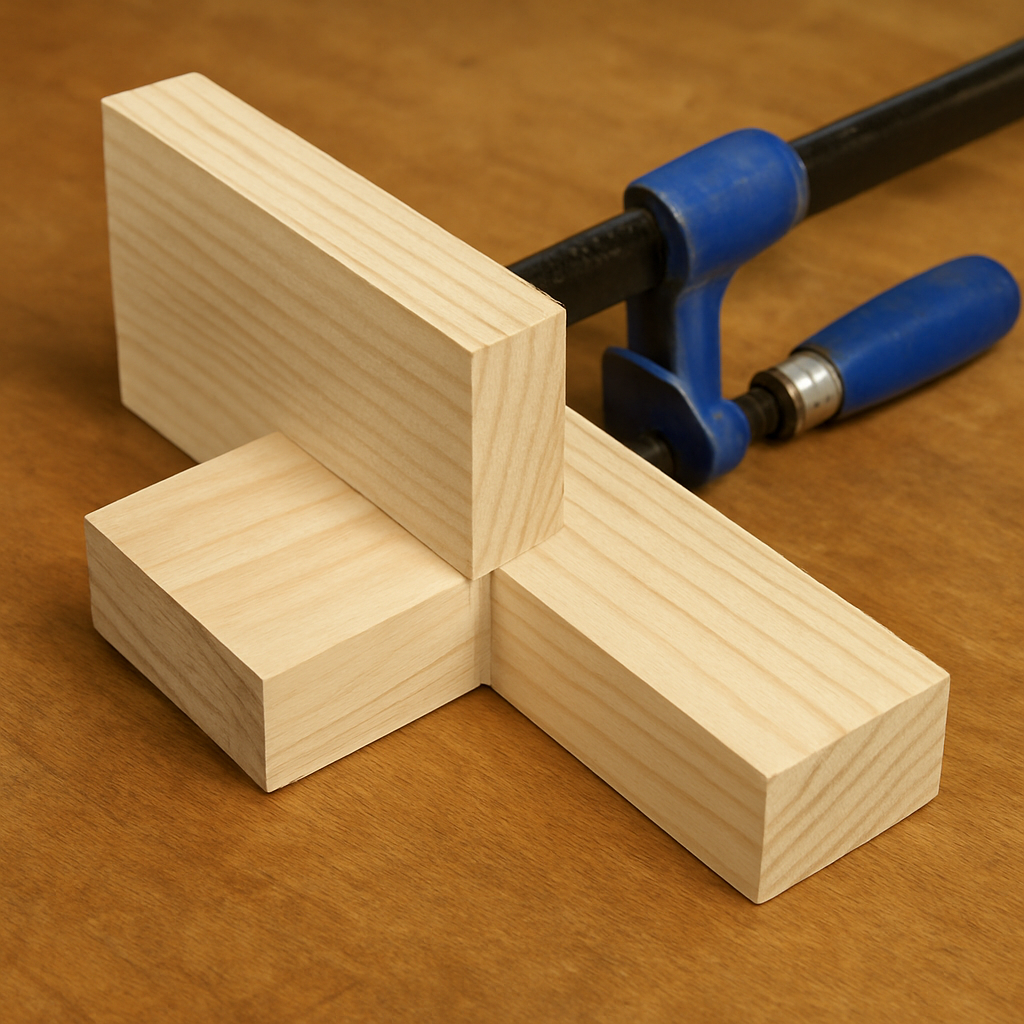
The Scrap Test
Glue two off-cuts together.
Clamp for the recommended drying time.
Test at 1 hour — likely fails at the glue line.
Test at 24 hours — wood fibers usually tear before the glue gives.
This simple test demonstrates why waiting for a full cure matters.
Time in Humid or Cold Conditions
Moisture and temperature changes can drastically affect glue performance:
Cold Shops — Keep temperatures above 60°F for consistent curing.
High Humidity — Slows drying and moisture-cure adhesives.
For winter woodworking in a garage, I use aportable space heater to keep conditions stable.
Tools That Help With Glue Curing vs Drying Time
Pipe clamps — Provide strong, even pressure for large glue-ups.
Moisture meter — Helps determine if wood is too wet for gluing.
Digital thermometer/hygrometer — Monitors shop climate for optimal curing.
🔗 Related Reading:Best Clamps for Woodworking — The right clamps make all the difference in a successful glue-up.
Key Takeaways on Glue Curing vs Drying Time
Drying = surface set; curing = full structural strength.
Allow for the full cure time for your adhesive type.
Environmental conditions play a huge role in curing speed.
Use the right glue for the right project conditions.
Plan your schedule to avoid stressing joints too soon.
Common Mistakes When Estimating
Unclamping Too Soon — This is probably the #1 mistake I see. Just because the joint feels firm doesn’t mean it’s ready. If you remove clamps during the drying stage, even a small shift can weaken the final bond. I’ve had a table apron go out of square by just a hair because I unclamped too early—it looked fine, but it never sat level again.
Working in Extreme Cold or Humidity — Cold slows chemical reactions, and high humidity keeps moisture from evaporating. I once glued a door panel in an unheated garage in January, and it took almost three days for the joint to feel solid. Always factor in the shop’s conditions when estimating cure time.
Over-Applying Glue — More glue doesn’t mean more strength. A thick glue line takes longer to dry and may never cure evenly if starved of air in the middle. Aim for a thin, consistent layer that wets both surfaces without creating puddles.
Not Cleaning Squeeze-Out — Once the glue hardens on the surface, it can block the stain or finish from penetrating. Wipe away excess before it dries, or use a chisel to remove it after it gels but before it’s rock hard.
Drying Wood in Oven: A Complete DIY Guide by Admin September 23, 2025 More About Most people don’t give a second thought to drying wood in an oven until something goes wrong. I didn’t either. I slapped together a pine…