Basement Subfloor Plywood: Complete Guide
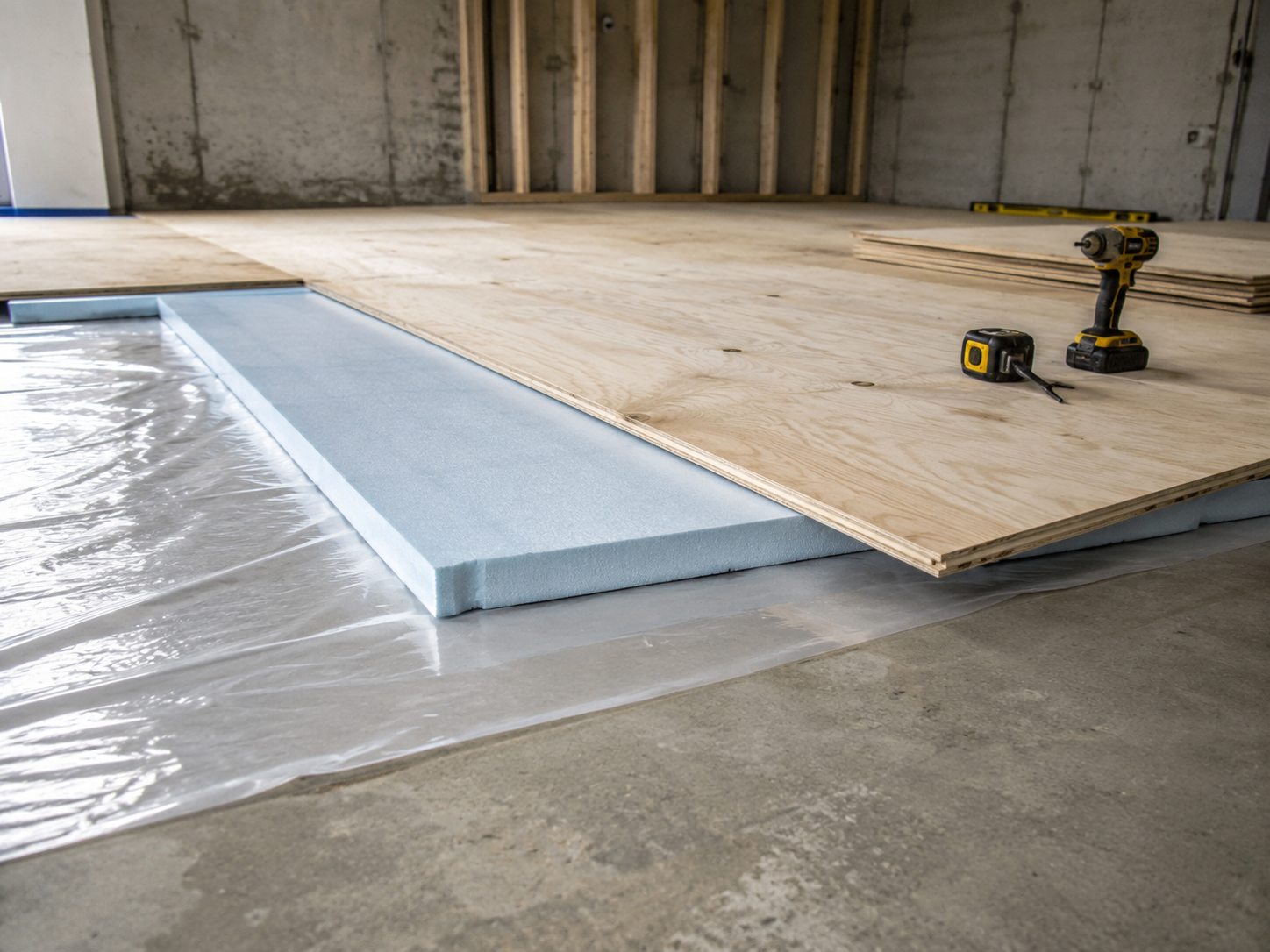
The best plywood for a basement subfloor is 3/4-inch tongue-and-groove plywood with an Exposure 1 bond classification (such as CDX or Sturd-I-Floor), installed over a vapor barrier and rigid foam insulation — never directly on the concrete slab. If any wood touches the concrete itself, such as sleepers or bottom plates, that wood must be … Read more
Categories DIY

Drylok vs Vapor Barrier: Which Actually Stops Moisture?

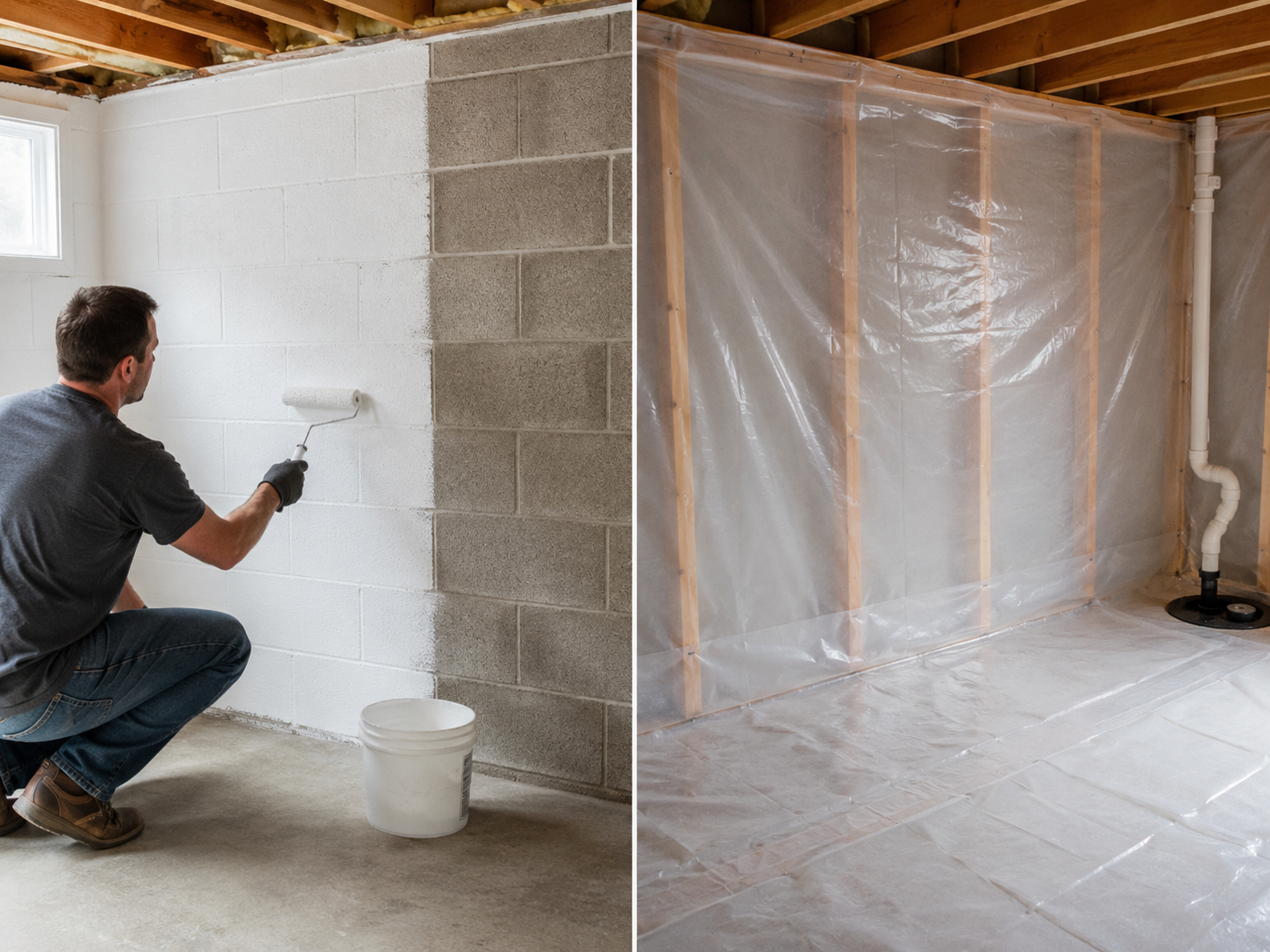
Drylok and a vapor barrier are not interchangeable — they solve two different moisture problems. Drylok is a waterproofing coating that seals the masonry wall itself, stopping liquid water and vapor at the surface. A vapor barrier is a plastic or foil membrane that controls moisture inside a wall assembly, floor, or crawl space — … Read more

Categories DIY

Basement Wall Insulation: What Actually Works and What Fails

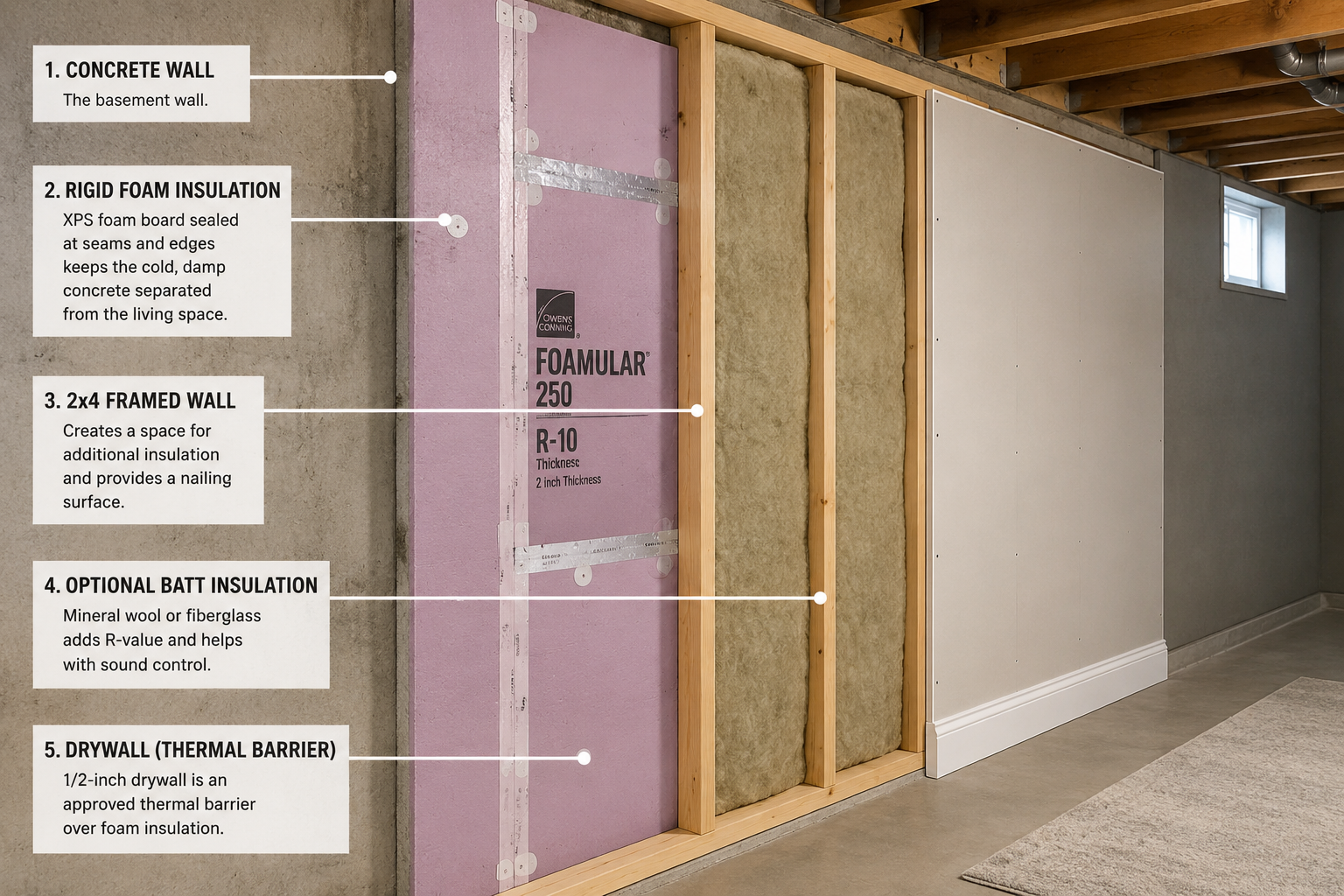
Insulating basement walls the wrong way is one of the most expensive mistakes in home improvement—and it usually looks fine for the first year or two. Quick answer: The safest, most reliable way to insulate basement walls is rigid foam board (XPS, EPS, or polyiso) installed directly against the concrete, with all seams taped and … Read more

Categories DIY

Basement Wall Panels vs Drywall: Cost, Moisture & Best Choice

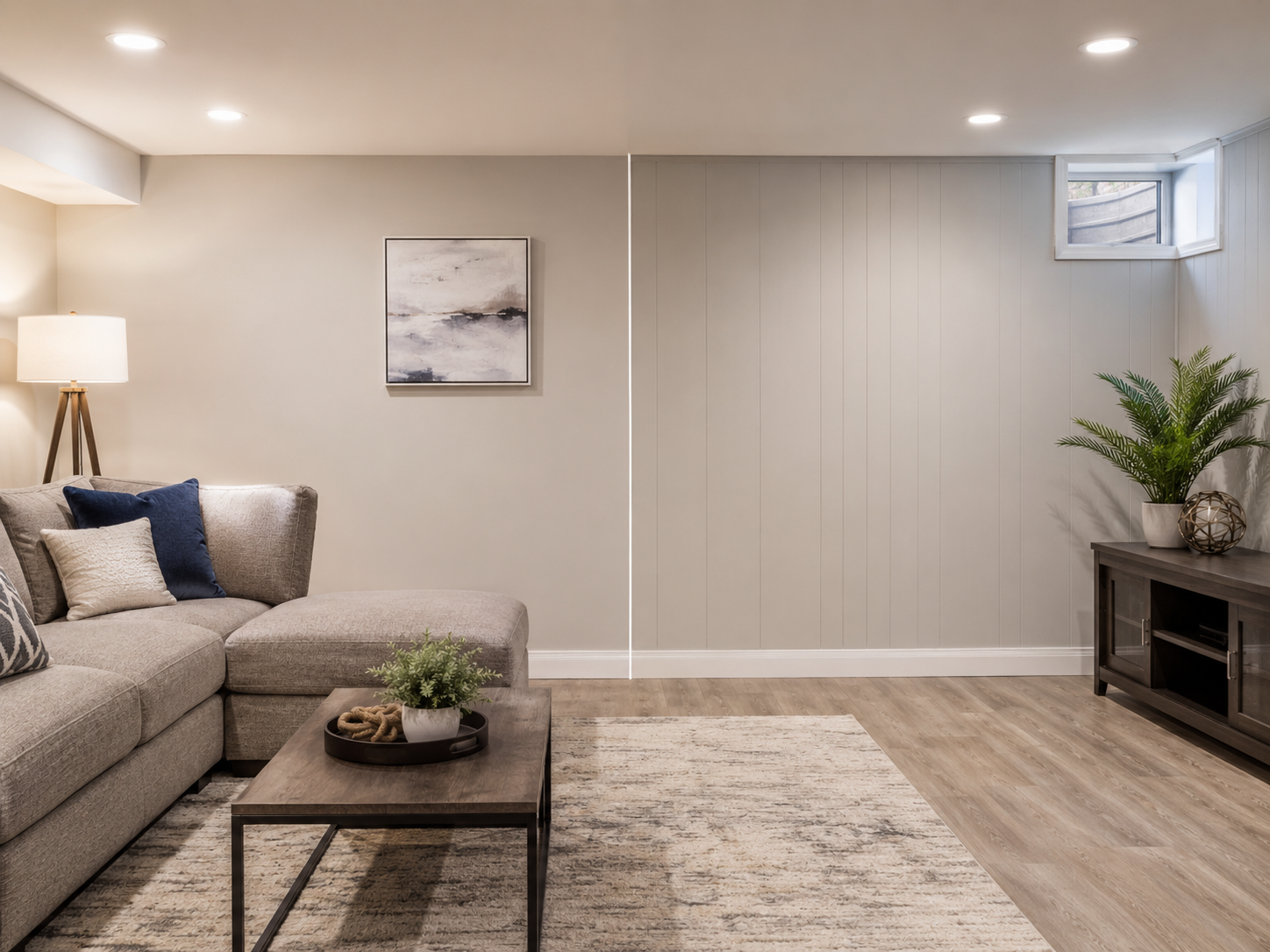
Basement wall panels and drywall compared in a finished basement

Finishing a basement usually comes down to one wall decision: basement wall panels vs drywall. Drywall is cheaper, smoother, and easier to customize, but it performs poorly when basement moisture becomes a problem. Basement wall panels cost more, but many are built from inorganic, moisture-resistant materials that are better suited for below-grade spaces. For a … Read more

Categories DIY

Wood Hardener vs Epoxy Consolidant: What’s the Difference?

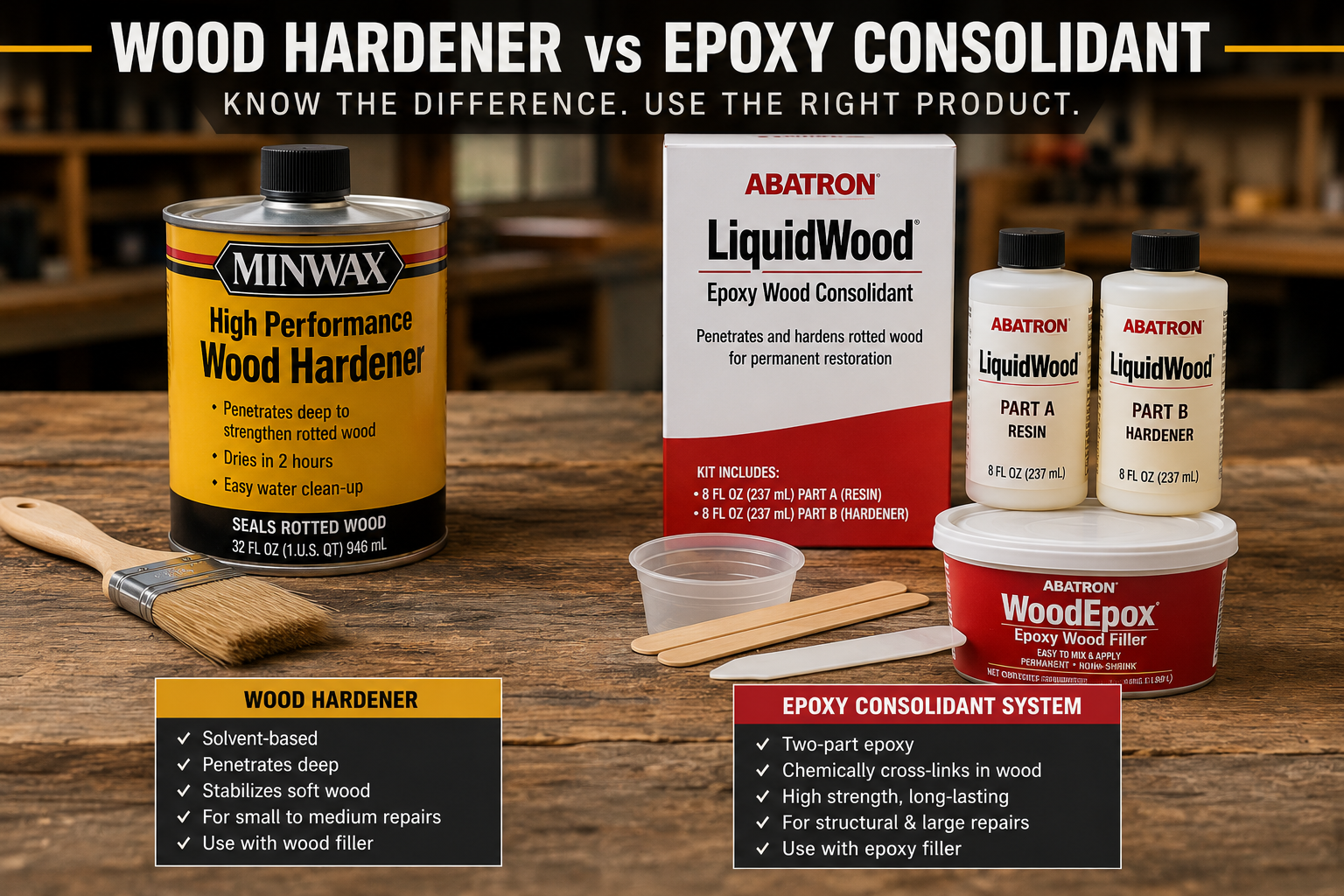
Wood hardener and epoxy consolidant systems side by side for rot repair comparison

Most people buying wood hardener and epoxy consolidant assume they’re buying the same product in different bottles. They’re not. Using one when you need the other is one of the most common reasons rot repairs fail within a few years — the wood looks fine on the surface, the repair holds for a season or … Read more

Categories DIY