How to Build a Hay Bale Blind (DIY Hunting Blind Guide)

DIY hay bale hunting blind camouflaged with straw in farm field for deer hunting

A hay bale blind is a hunting blind designed to resemble a round hay bale in a farm field. Hunters build a wooden structure and cover it with straw or hay so the blind blends naturally into agricultural landscapes where deer, turkey, and other wildlife already expect to see hay bales. Because animals are accustomed … Read more

Categories DIY

Plywood Thickness Guide: Don’t Guess—Use This Chart

Selecting the correct plywood thickness is one of the most important decisions in woodworking and construction. The thickness of the sheet determines how strong the panel will be, how much weight it can support, and whether it will remain stable over time. What thickness of plywood should you use? 👉 For most projects, 3/4-inch plywood … Read more

How to Bend Plywood Without Breaking It (6 Proven Methods)

how to bend plywood using kerf cutting laminating and steam bending methods

Plywood can be bent using several woodworking techniques, including kerf cutting, laminating thin sheets, steam bending, soaking, heat bending, and using flexible plywood (bendy ply). Each method allows builders to create curved shapes for furniture, cabinetry, architectural panels, boat hulls, and decorative woodworking projects. The best bending method depends on three main factors: ‱ the … Read more

Categories DIY

How Much Does Plywood Weigh? 4×8 Sheet Weight Chart

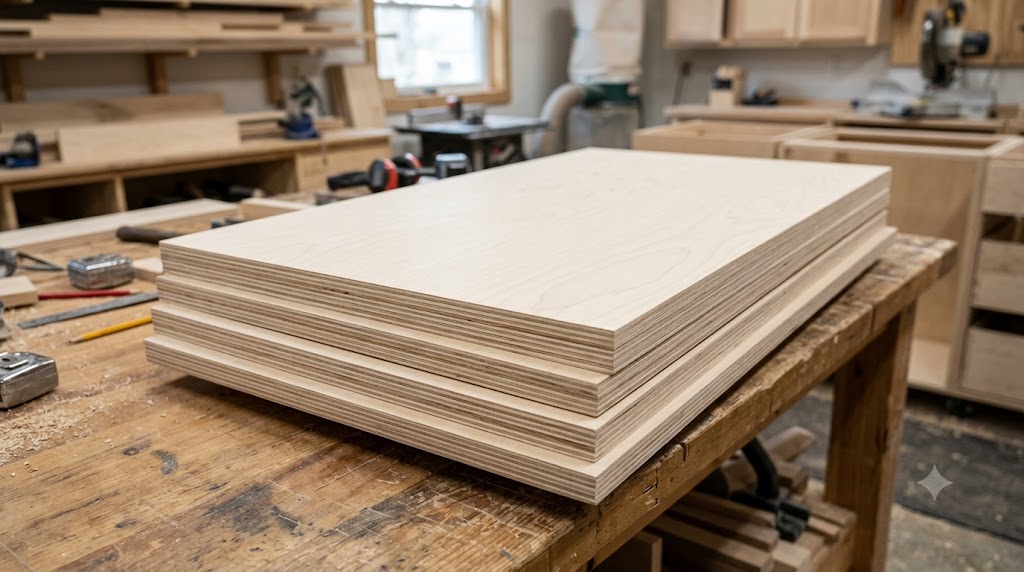
stack of 4x8 plywood sheets showing typical plywood sheet weight

Plywood weight depends mainly on thickness, wood species, and moisture content. As a general rule, plywood weighs about 2.5 to 3 pounds per square foot for every inch of thickness. Because a standard sheet measures 4×8 feet (32 square feet), the total weight of a sheet can vary significantly depending on the material used. For … Read more

Hardwood vs Softwood: Strength, Cost and Uses

Side-by-side comparison of hardwood and softwood boards showing grain, pores, joinery strength, splintering, and Janka hardness differences.

Hardwood vs softwood refers to the type of tree the lumber comes from. Hardwood comes from deciduous trees (broadleaf species), while softwood comes from coniferous trees (evergreens). Hardwoods are typically denser and used for furniture and flooring, while softwoods are lighter and commonly used for framing and construction. Despite their names, hardwoods are not always … Read more