Rot-Resistant Woods: The Best Choices

Teak deck with water droplets showing natural rot resistance

Wood has always been prized for its natural charm and durability. But when used outdoors, not all wood holds up the same. Some species begin to decay after just a few wet seasons, while others can survive for decades in the elements. The secret? Rot resistance. This guide explains why some woods naturally resist decay, … Read more

Wood Coasters: How to Make and Finish Them Right

How to Make and Finish Them Right

Protecting your handmade wood furniture is just as important as crafting it. A single hot dish or a cold drink can leave behind lasting damage like water rings or burn marks. Sure, refinishing a table is possible—but who wants an extra project? That’s where coasters and trivets come in handy. In this extended guide, we’ll … Read more

Rotozip Tool Guide: What It Is, and How to Use It

Cutting drywall with a Rotozip spiral saw around an electrical outlet

If you’ve ever tried cutting into drywall, plywood, or laminate with a jigsaw or handsaw, you probably know the struggle: rough edges, limited mobility, and time-consuming adjustments. Enter the Rotozip—a compact, high-speed spiral saw that slices through tricky materials with precision and ease. Originally developed by a drywall installer who needed a better solution, the … Read more

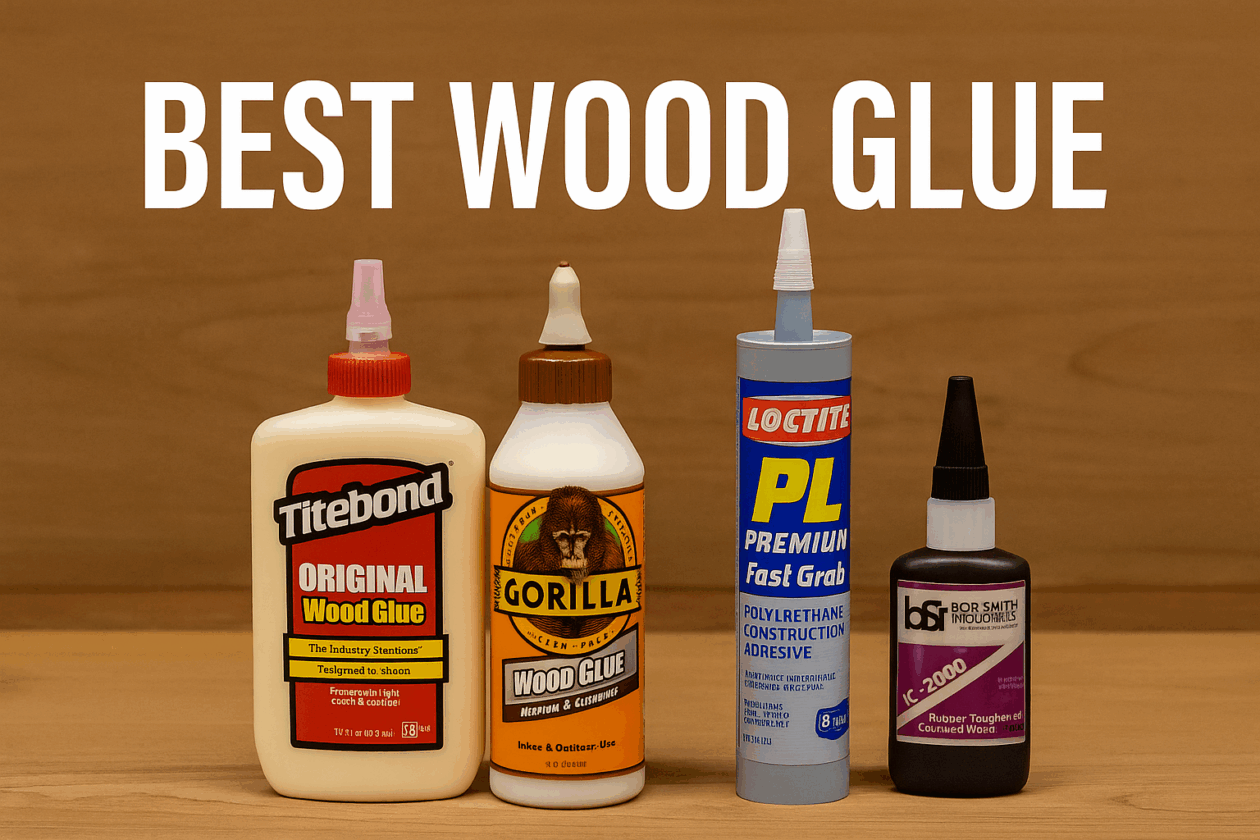
Best Wood Glue: Top Types, Uses & Expert Buying Guide

Four top wood glue brands—Titebond, Gorilla, Loctite, and Bob Smith Industries—displayed on a wooden surface with the title “BEST WOOD GLUE” in white above.

In woodworking, the old saying “you’re only as strong as your weakest link” holds a lot of truth. And more often than not, what determines the strength of that joint is the glue you use. With so many options available today, picking the best wood glue isn’t always straightforward. This guide covers the most trusted … Read more

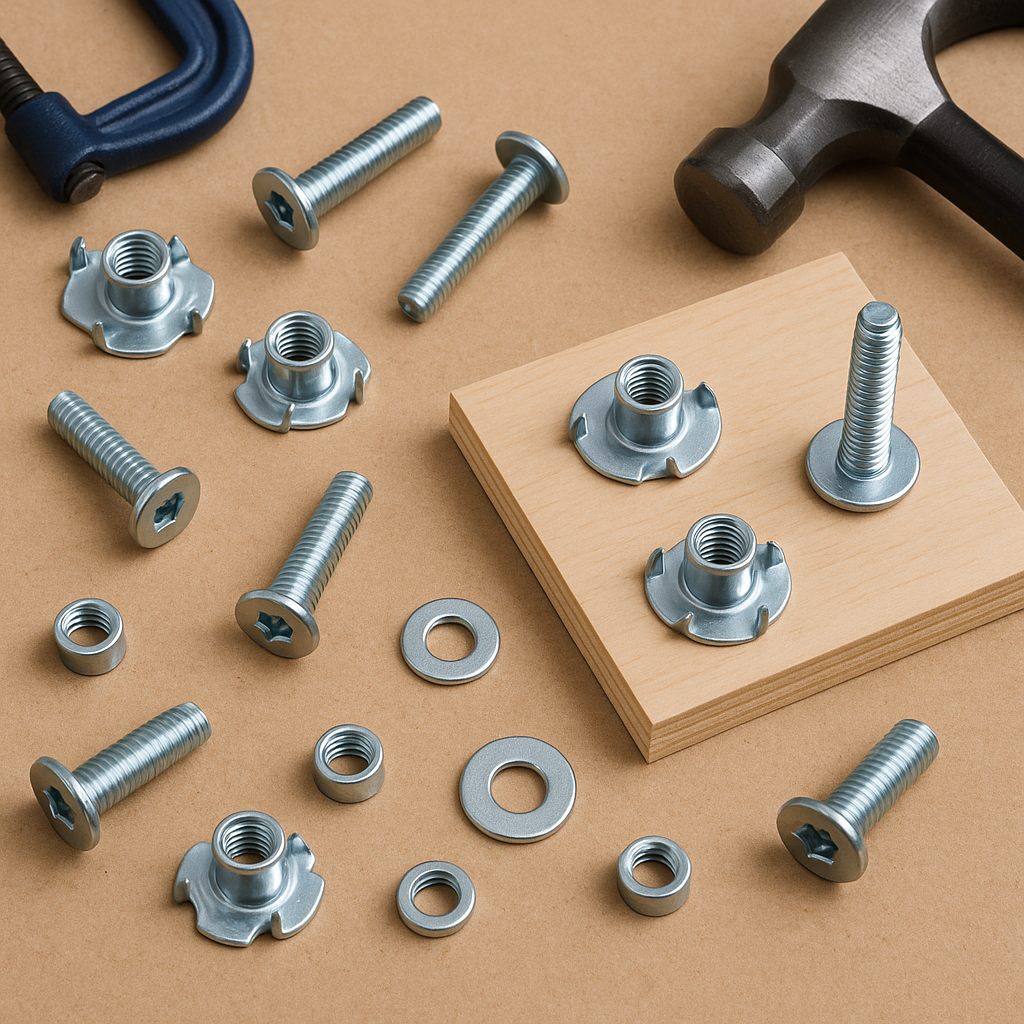
T-Nuts for Plywood: A Complete DIY Fastening Guide

A close-up photo of various T-nuts, bolts, washers, and tools arranged on a plywood workbench. Some T-nuts are installed in wood panels while others are shown separately with bolts partially threaded in.

Fastening plywood can be tricky. While glue, nails, and wood screws are traditional solutions, they’re not always ideal—especially when you want to remove or reassemble your project later. That’s where T-nuts come in: these unassuming metal inserts create strong, reusable threaded connections, making them perfect for woodworking, furniture assembly, climbing walls, and even shop jigs. … Read more