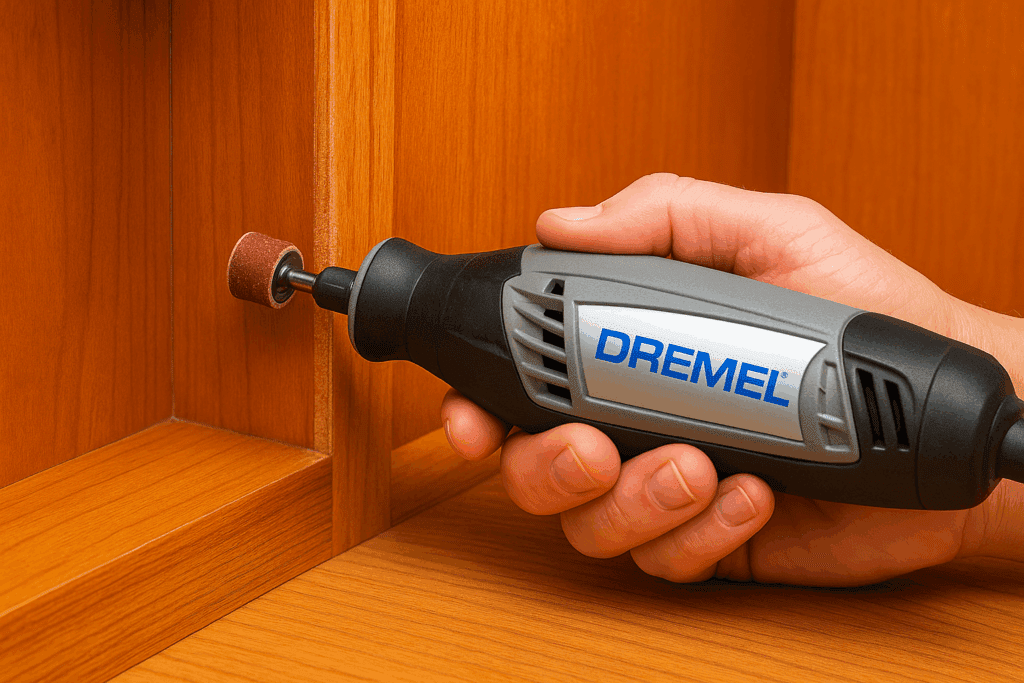
If you’ve ever tried sanding the inside corner of a cabinet with regular sandpaper, you know the frustration. You fold the paper, wedge your fingers in, and scrape away—but it never feels smooth. That was me years ago, until a friend handed me a buzzing little gadget and said, “Try a Dremel.”
Within seconds, that corner looked perfect. The tool wasn’t bulky or complicated—it fit in my hand like a fat marker—but it had the power of a mini workshop. That day I realized that a Dremel tool isn’t just another gadget—it’s the kind of tool you keep within arm’s reach because it handles the small, detailed jobs that big saws, drills, and sanders can’t.
This guide isn’t just a list of specs. I’m going to walk you through what a Dremel tool actually does, the attachments worth buying, project ideas that show its range, and some real lessons I’ve learned from years of using one.
At its core, a Dremel is a rotary tool—a hand-held motor that spins attachments at very high speed (anywhere from 5,000 to 35,000 RPM). It’s been around since the 1930s, when Albert J. Dremel invented the first version to give craftsmen a compact and versatile solution. Today, it’s so popular that people use “Dremel” the way they use “Kleenex” for tissues—it’s the brand everyone recognizes.
The difference between a Dremel and a generic rotary tool often comes down to quality: smoother speed control, more precise build, and a wide range of official attachments. I’ve owned other rotary tools, but none have lasted as long—or felt as reliable—as my Dremel.
Why the Dremel Tool Stands Out
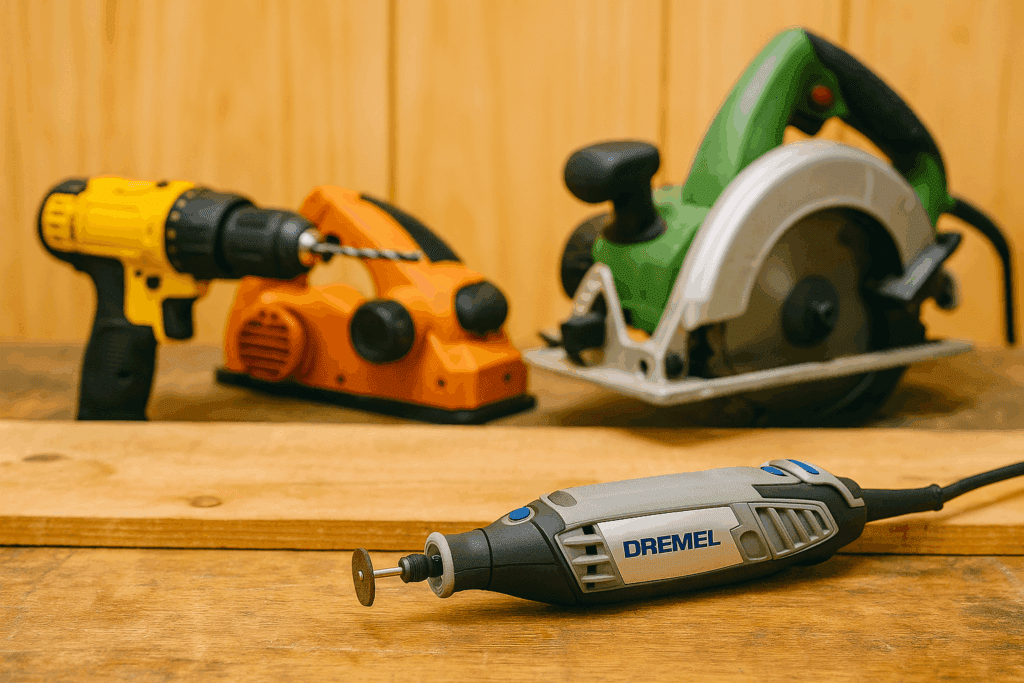
I own a garage full of tools—circular saws, drills, planers—but the Dremel is the one that gets pulled out the most for quick fixes. Why?
Compact Power: It fits in your hand but can grind, sand, polish, or cut with surprising control.
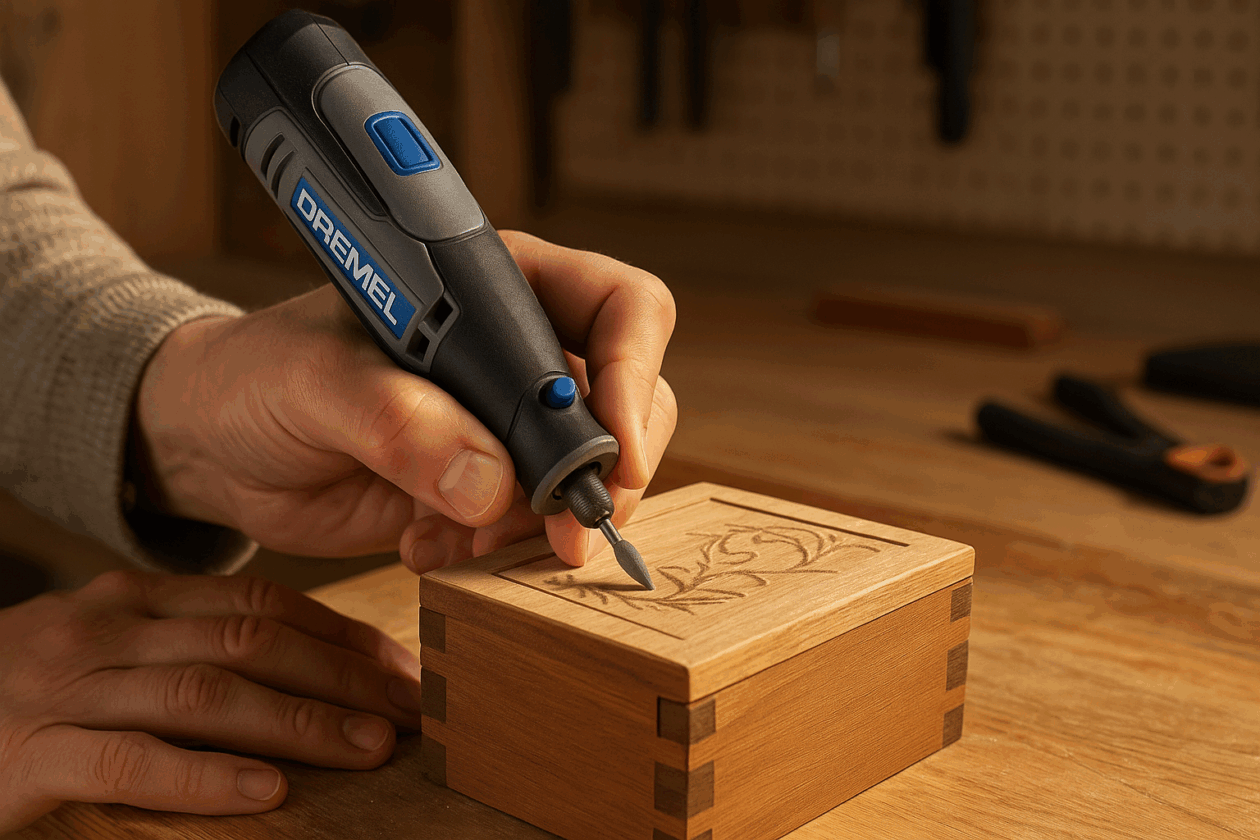
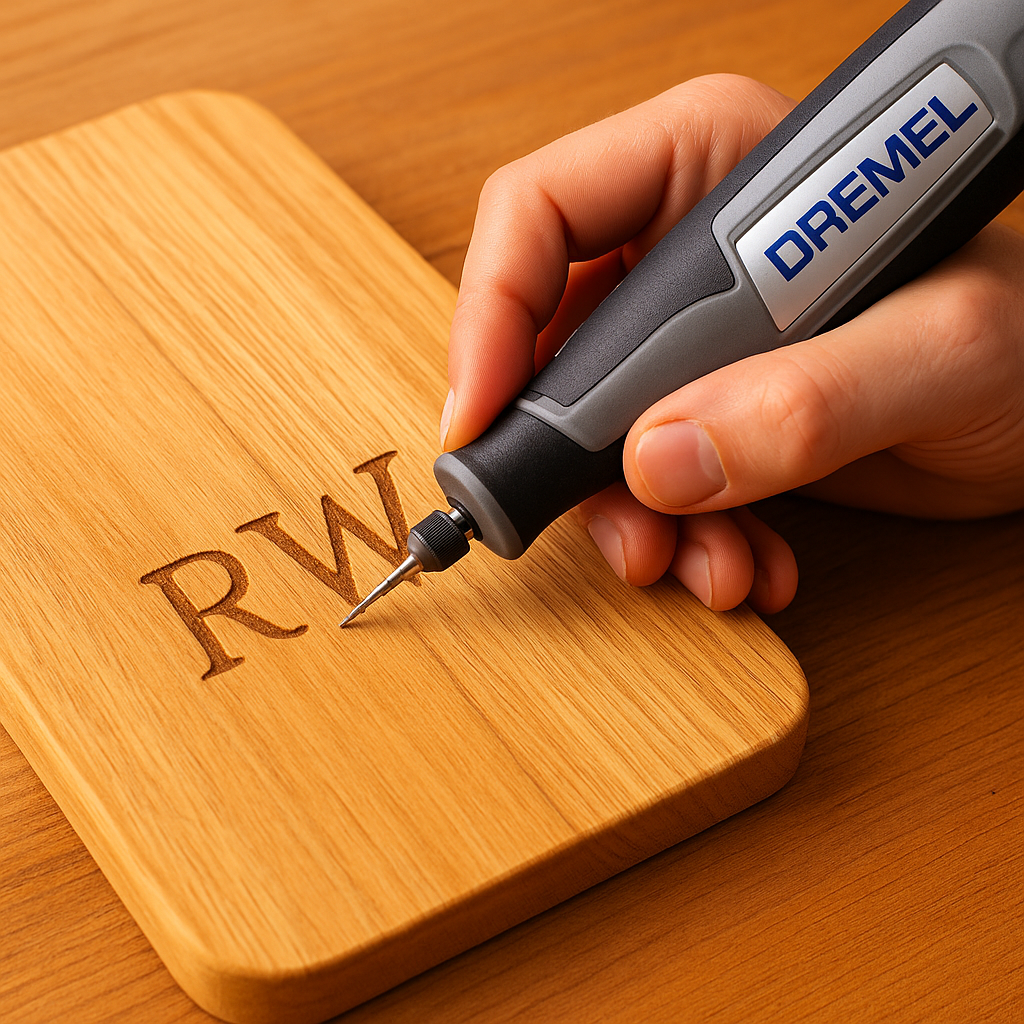
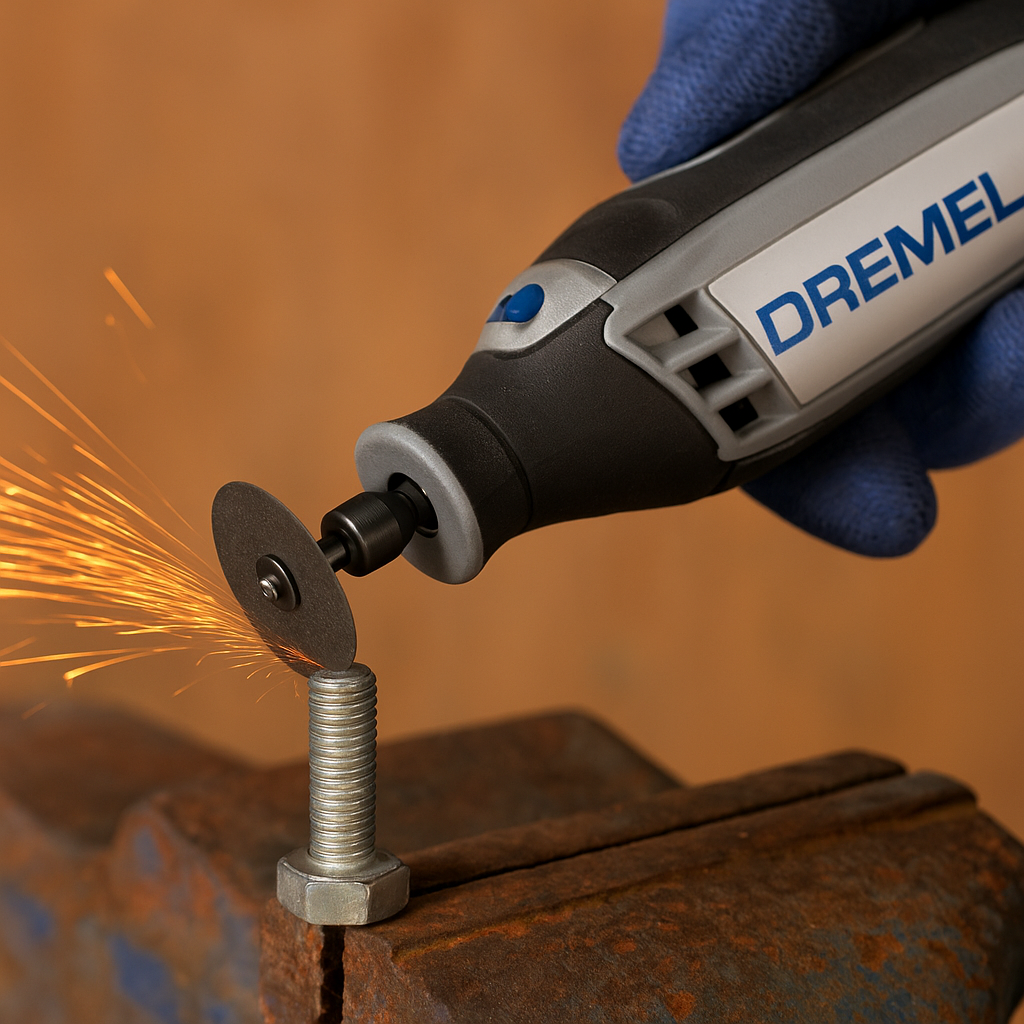
Versatility: One day I’m cutting a rusty bolt; the next I’m engraving my kid’s initials into a wooden box.
Speed of Setup: Instead of dragging out big machines, I grab the Dremel, snap in a bit, and get the job done in minutes.
When you’re in the middle of a project and run into a small problem—a stripped screw head, a tight corner, or a tiny detail that needs shaping—the Dremel often feels like the only tool that can solve it without frustration.
Uses for a Dremel Tool
I originally bought mine just to smooth out a cabinet corner. I thought it would live in a drawer. Instead, it’s on my bench full-time.
Once you get the hang of it, you start noticing little jobs where the Dremel is the only tool that makes sense.
I bought my first Dremel tool because I wanted to smooth the inside corner of a cabinet. That was it. I figured it would sit in a drawer until I needed it again. Instead, it ended up on my bench full-time, because once you start using it, you keep finding excuses.
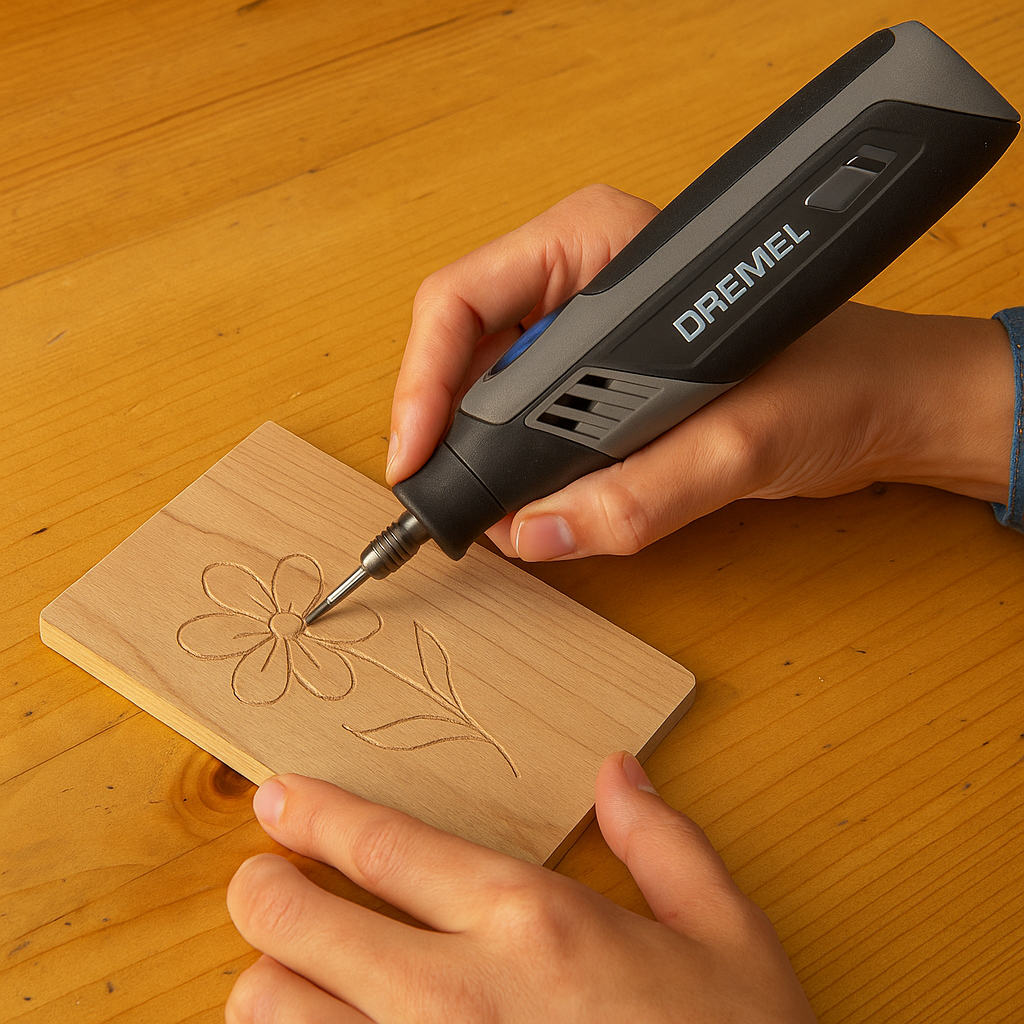
One day it’s wood—sanding the edge of a shelf, rounding off a sharp corner so nobody bangs a hip, even carving initials into a gift just because it feels personal. The next day it’s metal. I’ve lopped off screws that stuck out too far, sharpened the mower blades before summer, and cleaned rust off an old clamp I rescued from a yard sale. None of those are big, glamorous jobs, but the Dremel does them quicker than dragging out heavy tools.
And then there’s the fun side of it. I etched stars into mason jars once for a backyard party. They glowed like little lanterns. My son uses it for his model kits—tiny cuts, smoothing pieces that would snap if we tried by hand. I’ve polished jewelry, too, which I never expected to do with the same tool I use to cut bolts. That’s the part that surprises people: it jumps from “heavy work” to “delicate work” without missing a beat.
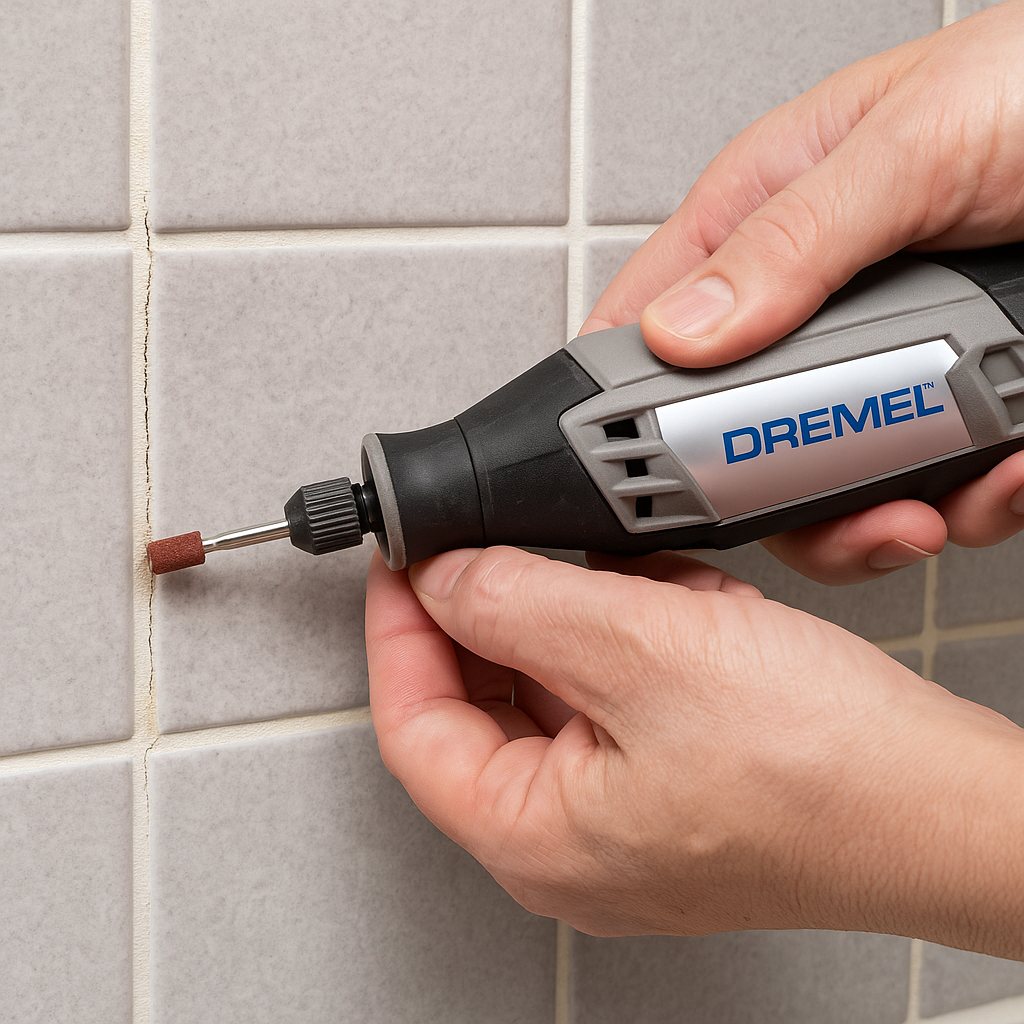
Around the house, it’s just the fixer. I’ve cut PVC under the sink when a hacksaw wouldn’t fit, ground out cracked grout in the bathroom, and scraped away old caulk from around a sink without tearing up the countertop. These are the boring jobs that usually make me groan, but the Dremel makes them less of a headache.
So if I had to sum it up, it’s not the loud, flashy tool you brag about. It’s the one you quietly rely on, the one that bails you out when nothing else will fit or work. And once you’ve had one for a while, you start to wonder how you ever managed without it.
Attachments & Bits That Actually Matter
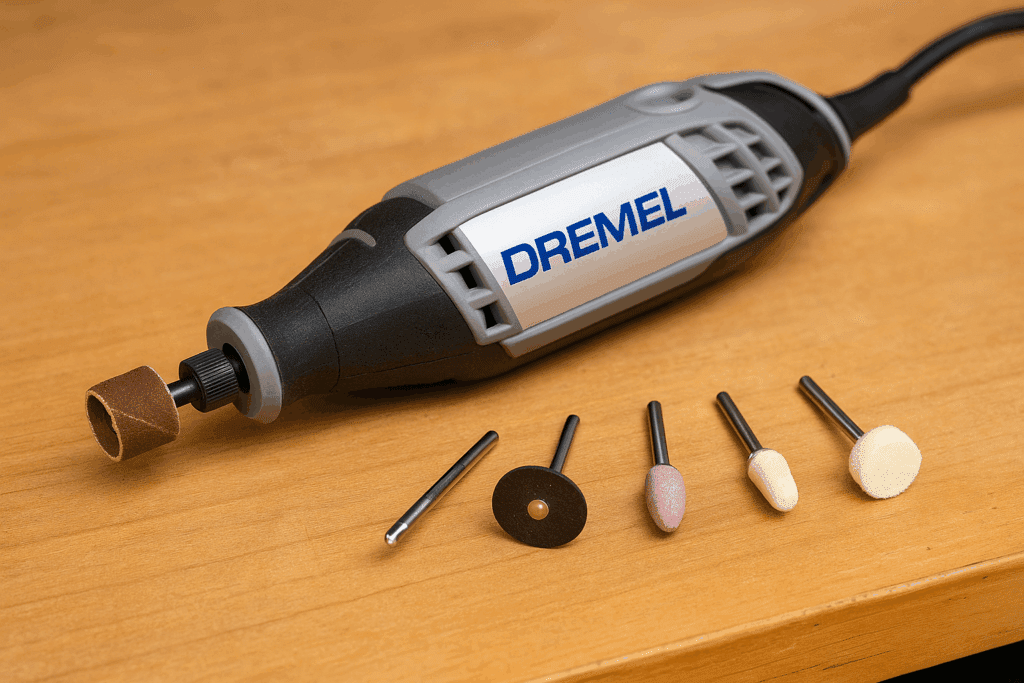
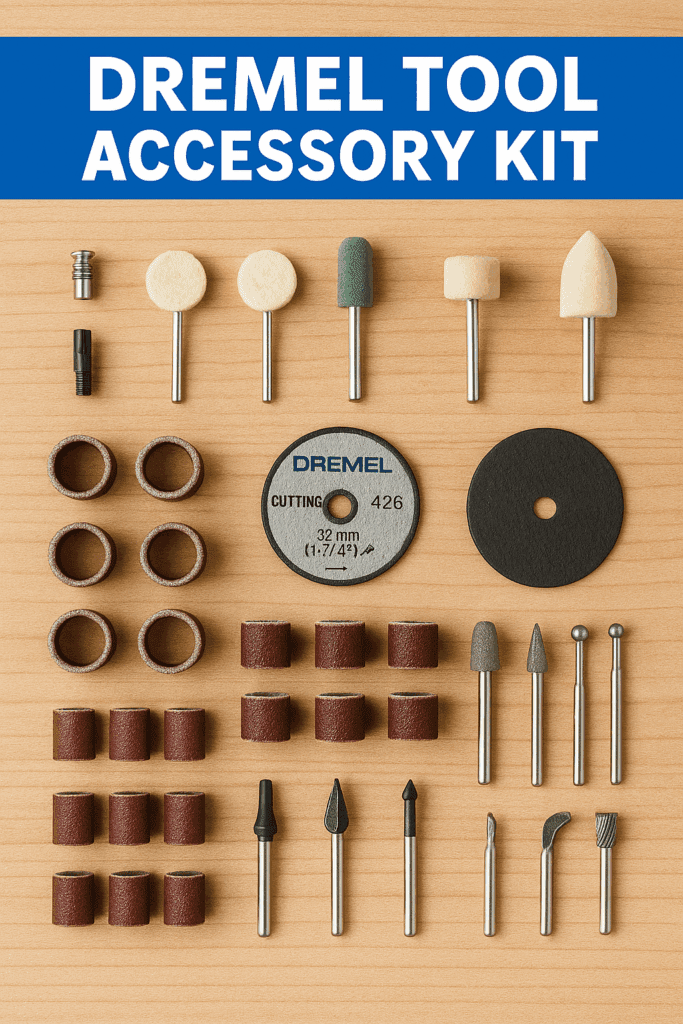
The first time I opened a Dremel kit, I’ll admit—I had no clue what half the pieces were for. After years of trial and error, here are the ones I keep going back to:
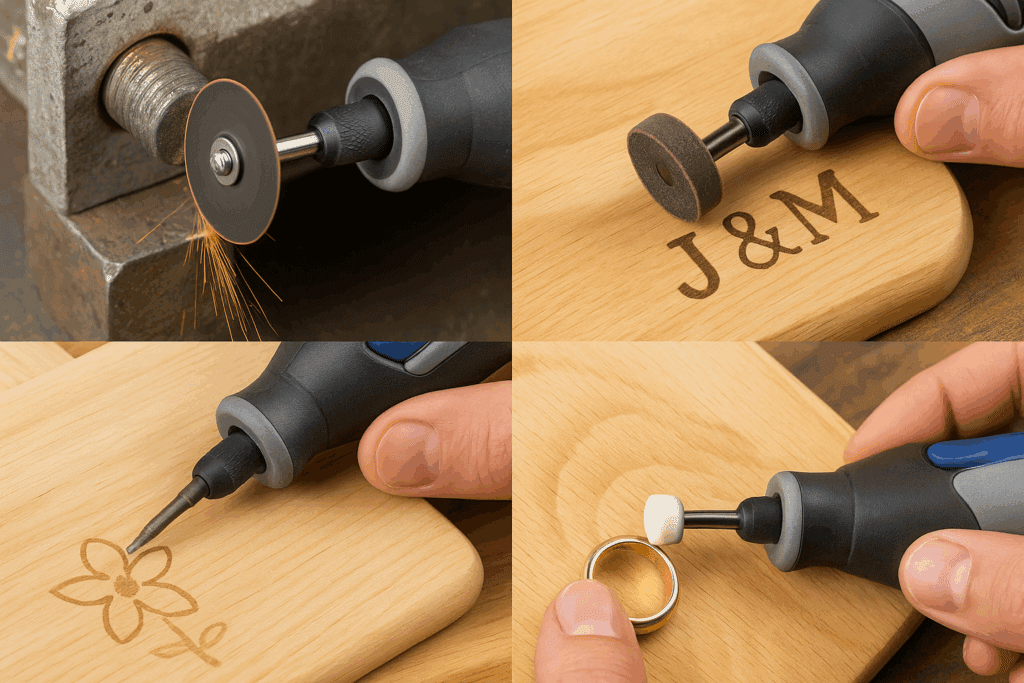
Cutting Wheels: For slicing metal, plastic, or thin wood. Diamond-coated versions handle tile and stone.
Sanding Drums: Cylinders with replaceable sleeves—these are workhorses for wood projects.
Grinding Stones: Colored stone tips for sharpening blades or shaping metal.
Polishing Wheels: Felt tips paired with polishing compound for jewelry, glass, and brass.
Engraving & Routing Bits: Turn the tool into a mini-router for detail carving.
Pro tip: Don’t rush into buying dozens of bits. Start with a mixed kit, then buy extras of the few you use the most (in my case, sanding drums and cutoff wheels).
Choosing the Right Dremel Tool
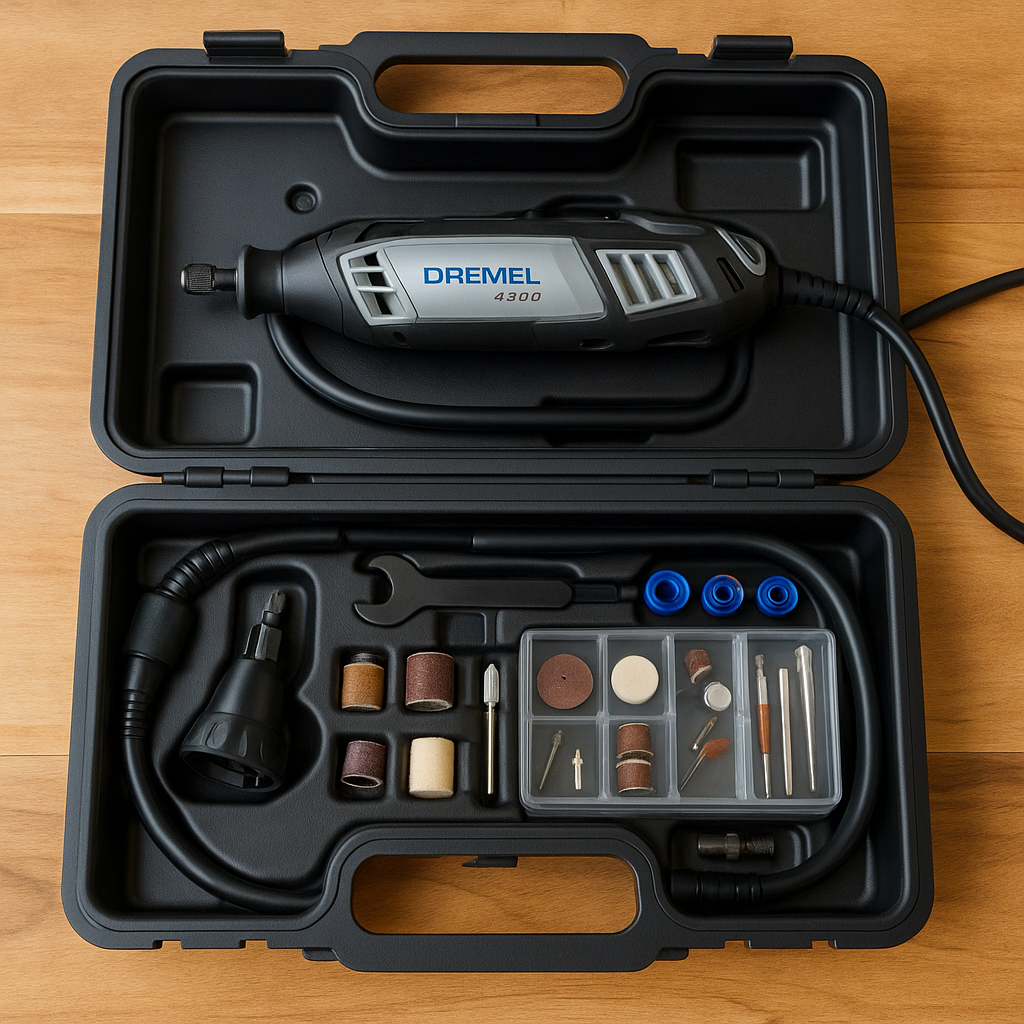
TheDremel 4300is the one I reach for when I know I’ll be in the shop for a while. It’s corded, so the power never fades, and it has enough strength to cut, grind, or sand without bogging down. If you don’t mind the cord, it feels like the most dependable choice.
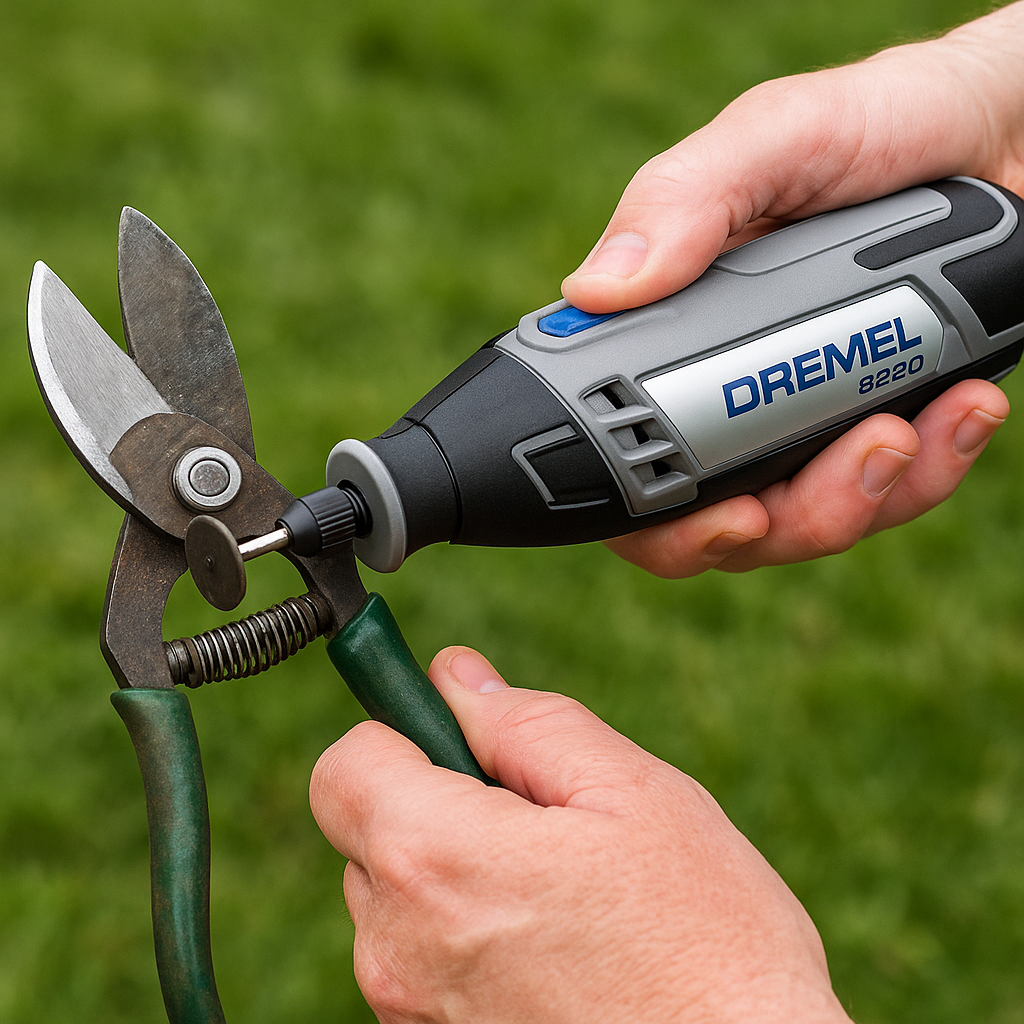
The Dremel 8220 is the opposite—it’s cordless, which makes it perfect for quick fixes around the house or outside projects. I’ve carried mine out to the backyard more than once to sharpen garden tools without dragging an extension cord. The power holds up surprisingly well for a battery model.
The Dremel Lite is smaller and easier to handle, especially if you’re just getting started. It’s great for hobbies, light sanding, and polishing jobs where precision matters more than speed. I’ve handed it to my kids for small craft projects, and they were able to use it comfortably without feeling overwhelmed.
DIY Project Ideas with a Dremel Tool
One of the things I enjoy most about having a Dremel tool is how it sparks ideas for projects I might not have tried otherwise. It’s not just a repair tool—it’s also a creative one, and the more you experiment with different bits, the more possibilities you see.
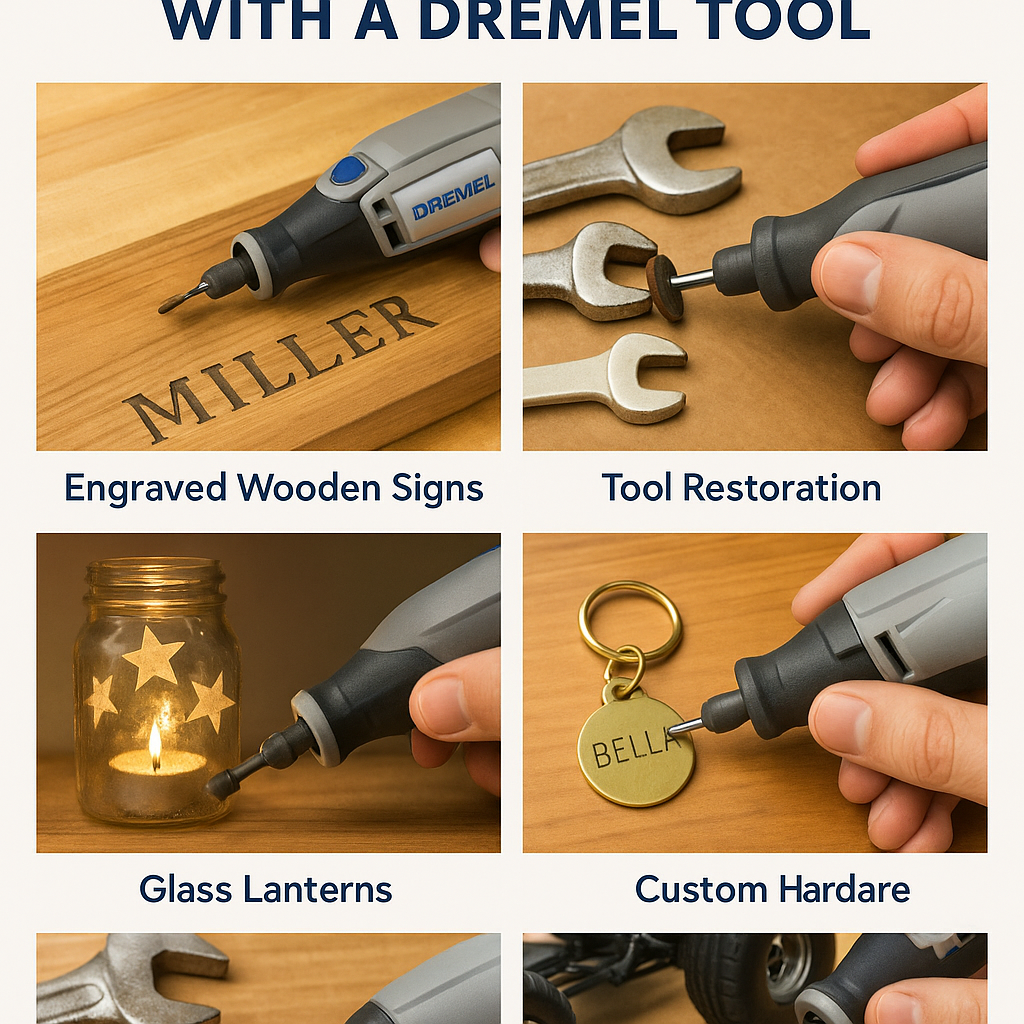
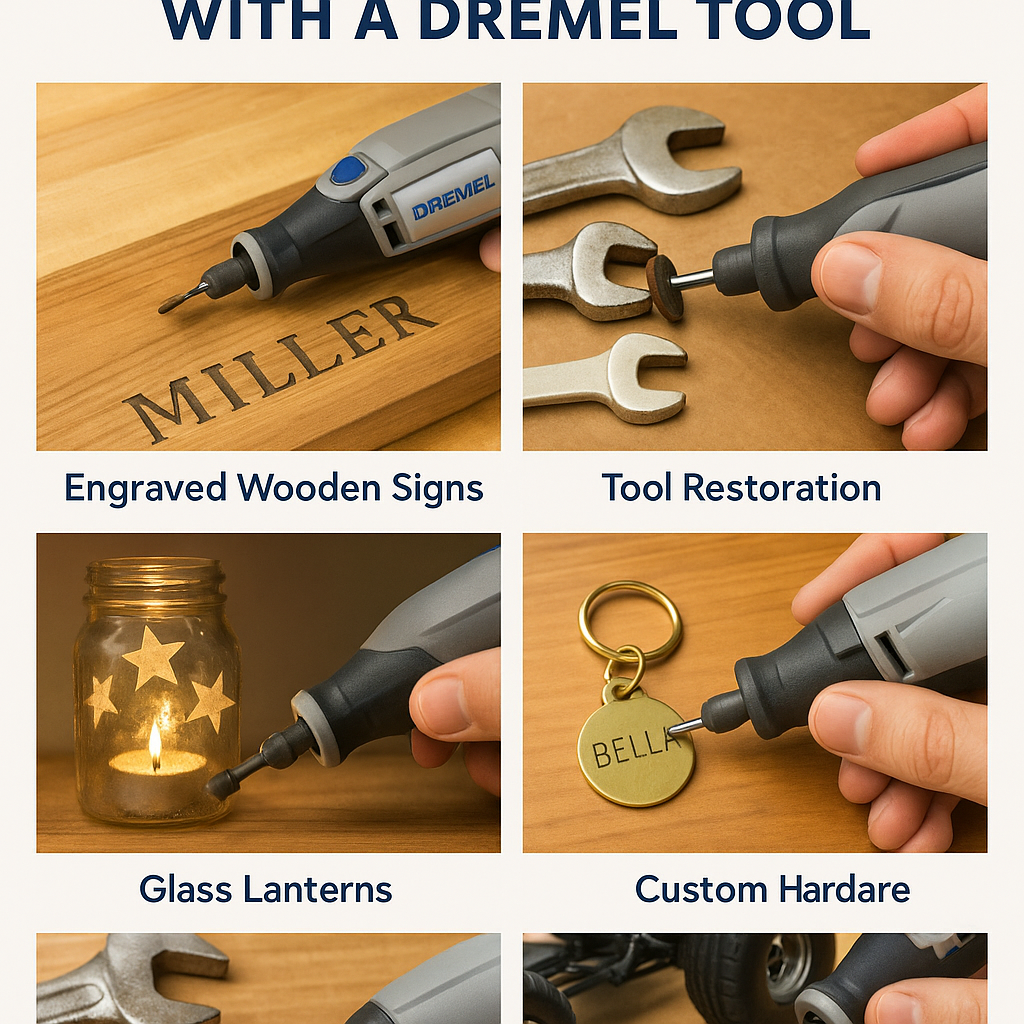
I’ve used mine to carve names into reclaimed boards for rustic wooden signs. They make great gifts, and the little imperfections in the wood actually make the lettering look better, not worse. On another weekend, I brought back a set of old wrenches by sanding off the rust and polishing the steel until they almost looked new. There’s something satisfying about restoring tools instead of tossing them.
If you like custom touches, a Dremel can help there, too. I once carved drawer pulls out of resin blanks just to see if I could. They weren’t perfect, but they turned a plain dresser into something one of a kind. For a craft project, I etched patterns into glass jars and turned them into lanterns with candles inside—they threw off a really warm glow at night.
The tool is also great for practical jobs, like engraving pet tags. Instead of waiting on a machine at the pet store, I cut my dog’s name and phone number into a blank tag myself. And for hobbyists, it opens up even more doors. My son and I built RC car models together, and the Dremel was the only tool that could clean up the tiny pieces without breaking them.
The point is, once you’ve got the tool and a handful of bits, the ideas just keep coming. Whether it’s fixing, personalizing, or creating something new, the Dremel almost always finds its way into the project.
Here are some projects that really showcase what the tool can do:
Each project only requires a few bits, so you don’t need to invest heavily to get started.
Tips & Safety Lessons Learned
Let the Tool Do the Work: Pushing too hard burns materials and wears out bits faster.
Always Wear Safety Glasses: Sparks, dust, and chips are unavoidable.
Keep Extras Handy: Cutting wheels and sanding sleeves wear out quickly—have spares ready.
Take Breaks: Both the motor and the material can overheat at high RPMs.
Clamp Small Pieces: If you’re sanding or cutting something tiny, secure it first to avoid slips.
FAQs
Can a Dremel cut steel? Yes—use a reinforced cutting wheel and steady pressure.
Which Dremel is best for beginners? The Dremel Lite is lightweight and simple to use for crafts and light repairs.
What’s the difference between a rotary tool and a Dremel? Dremel is the brand, and the rotary tool is the category. The difference is quality, durability, and attachment options.
Do I need all the attachments? No. You’ll use maybe five or six regularly. The rest are nice to have for specific tasks.
Conclusion
A Dremel tool is one of those rare tools that earns a permanent spot on the bench. It doesn’t replace your drill, saw, or sander—but it fills the gaps those bigger tools leave behind. Whether you’re fixing something in the house, customizing a gift, or restoring a rusty tool, the Dremel steps in and makes the job not only possible but easy.
If you’re just starting, grab a kit that comes with a few attachments. Once you’ve tried it, you’ll find yourself reaching for the Dremel again and again—for projects big and small.
Rotozip Tool Guide: What It Is, and How to Use It by Admin May 15, 2025 Tools If you've ever tried cutting into drywall, plywood, or laminate with a jigsaw or handsaw, you probably know the struggle: rough edges, limited mobility, and…
The Ultimate Guide to Attic Flooring: Expert Tips and Advice by Admin June 27, 2024 Installing Transforming your attic into a functional space begins with strategic flooring choices that balance practicality and safety. Whether you're aiming to create additional storage, a…