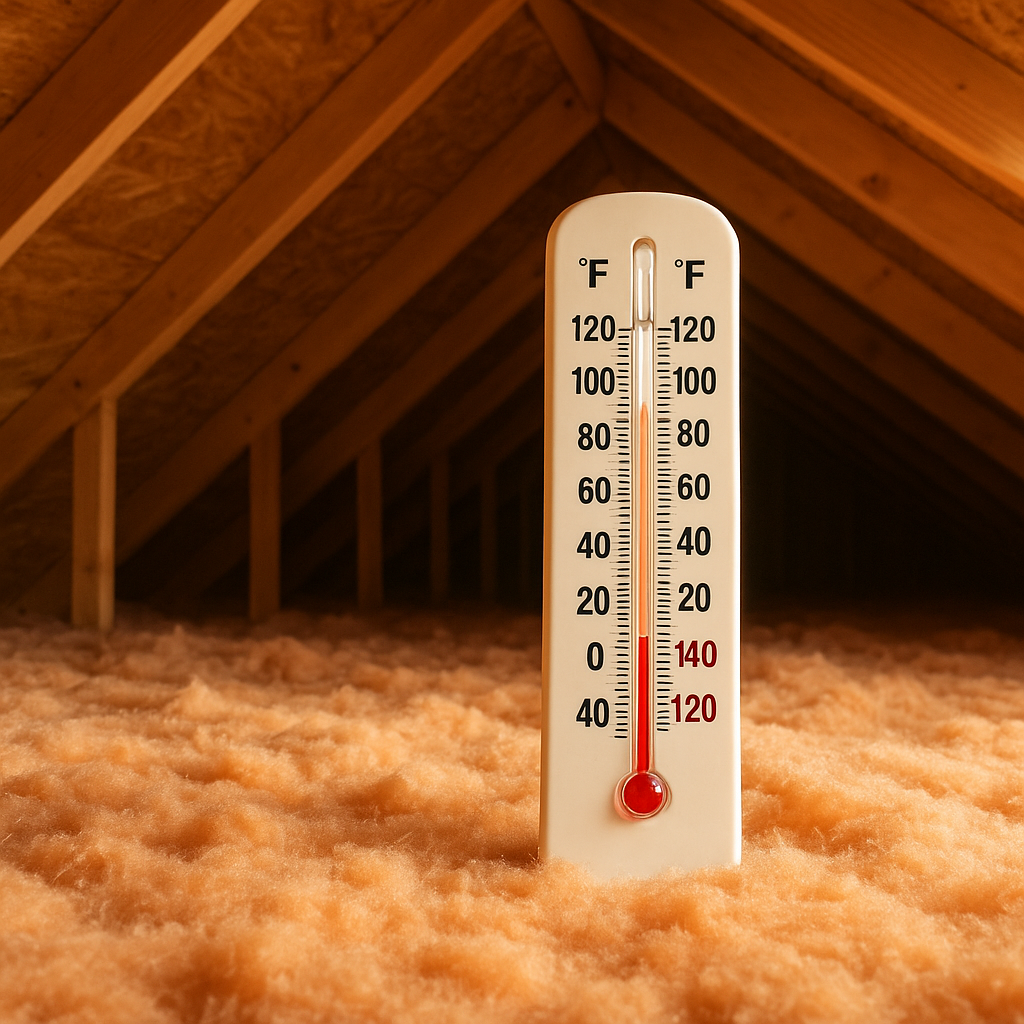
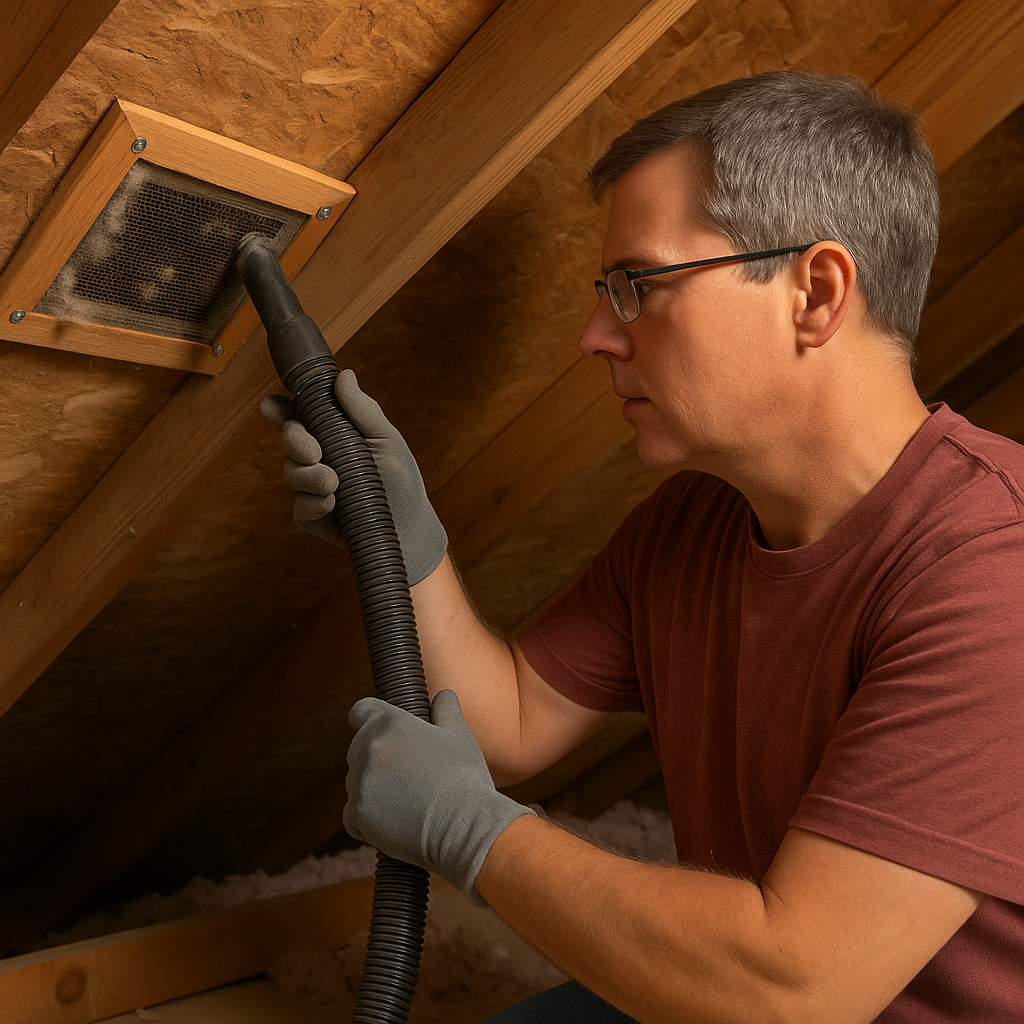
If you’ve ever walked into your attic during a hot summer day, you know how unbearable the heat can get. Attics easily reach 120°F–150°F, which radiates down into your living space, increasing cooling costs and stressing your roof. Attic ventilation fans (also called powered attic ventilators) solve this by pulling hot air out and letting cooler outside air flow in.
Proper attic ventilation isn’t just about comfort—it protects your roofing materials, prevents mold growth, and lowers your utility bills.
Benefits of Installing an Attic Ventilation Fan
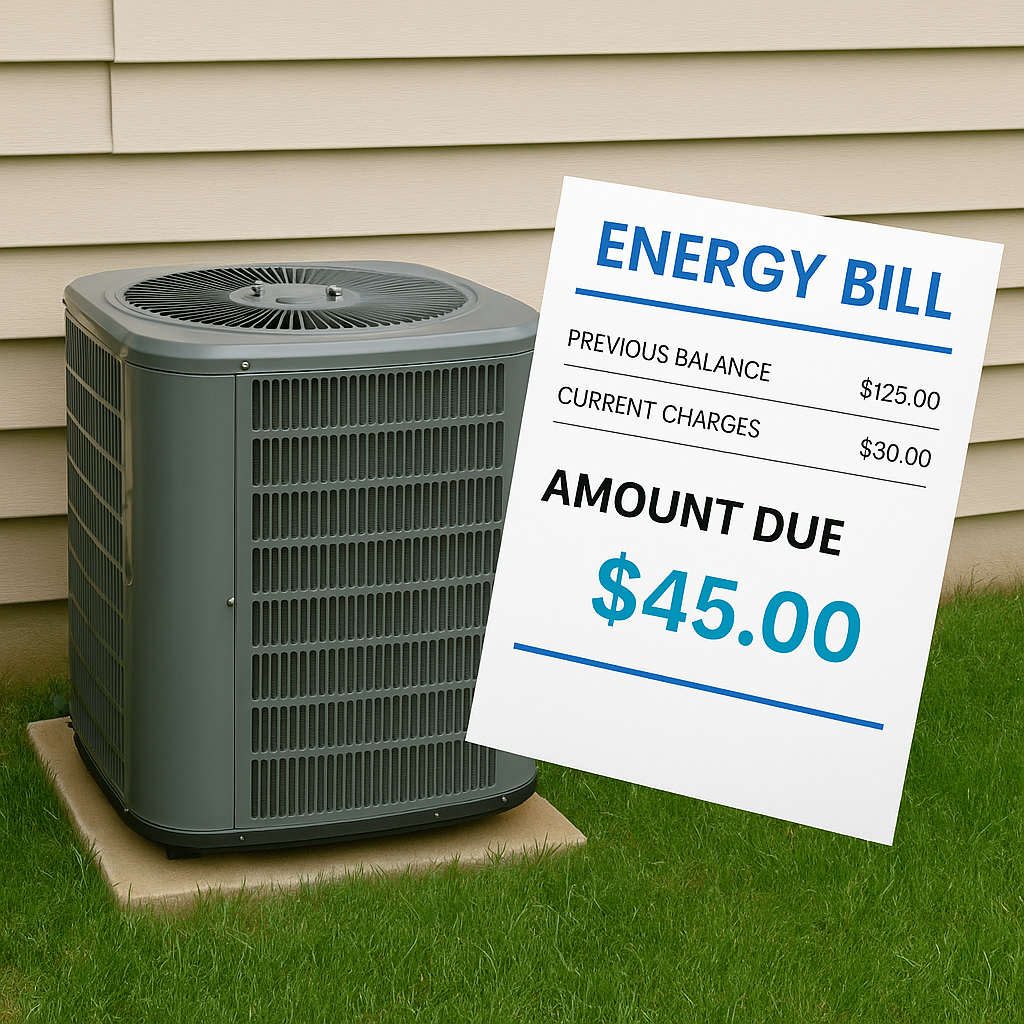
Lower Energy Costs – When your attic turns into an oven on summer afternoons, your air conditioner ends up fighting a losing battle. By pulling that super-heated air out, an attic fan eases the load on your AC system. Homeowners in warm climates often notice their cooling bills drop within the first season.
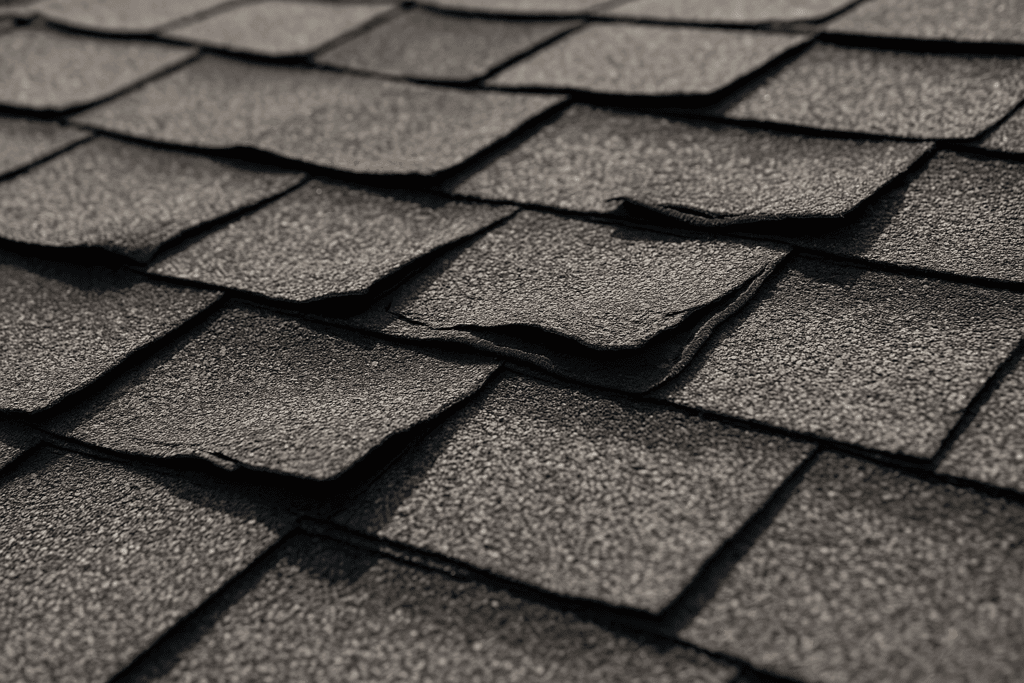
Roof Protection – Heat trapped in the attic doesn’t just make the house uncomfortable; it also bakes your roof from the underside. Over time, shingles can curl or blister, leading to early replacement. Proper ventilation gives your roofing materials a much longer life.
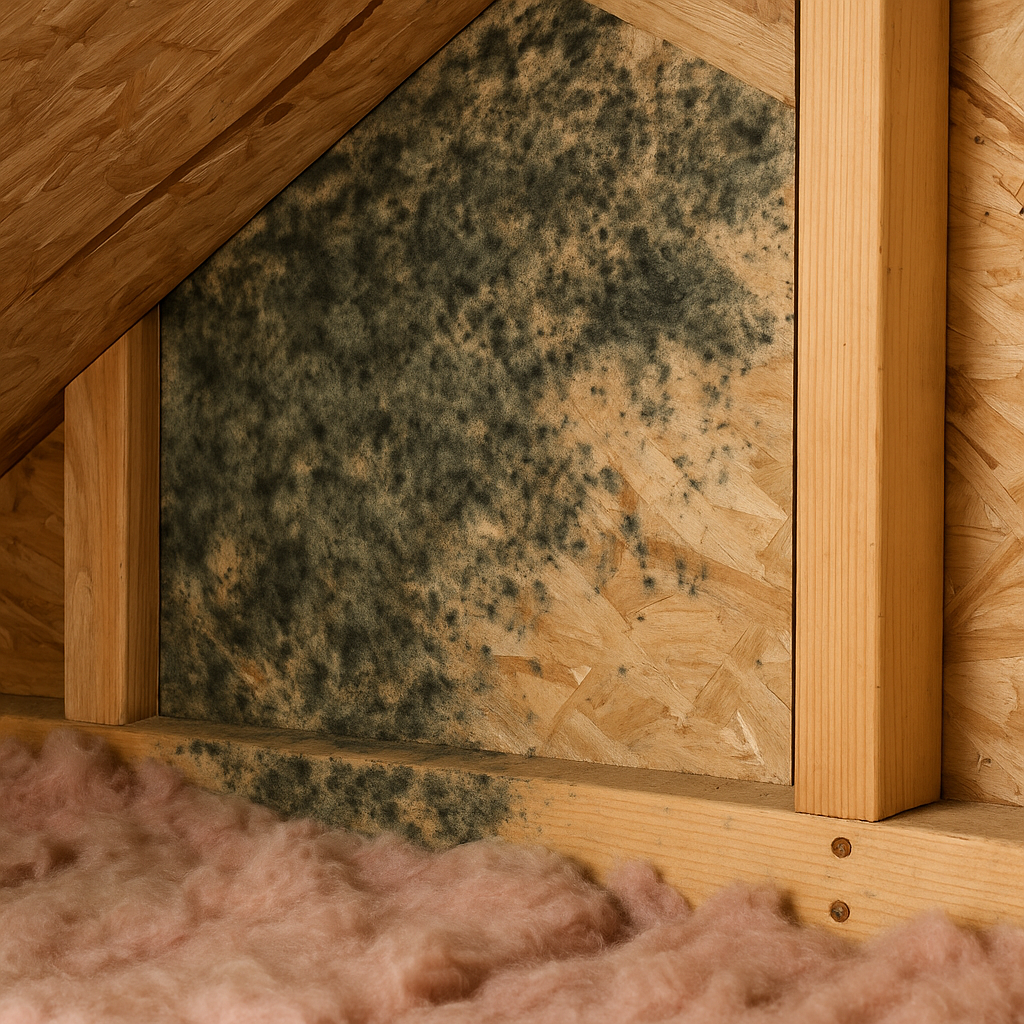
Moisture Control – Think of every shower, pot of boiling pasta, or load of laundry. The moisture created has to go somewhere, and much of it drifts upward. Without a fan, it lingers in the attic, creating the perfect environment for mold.
Comfort – Anyone with a two-story home knows the upstairs rooms heat up quickly. A ventilated attic keeps the second floor noticeably cooler, especially in the evenings when trapped heat usually lingers.
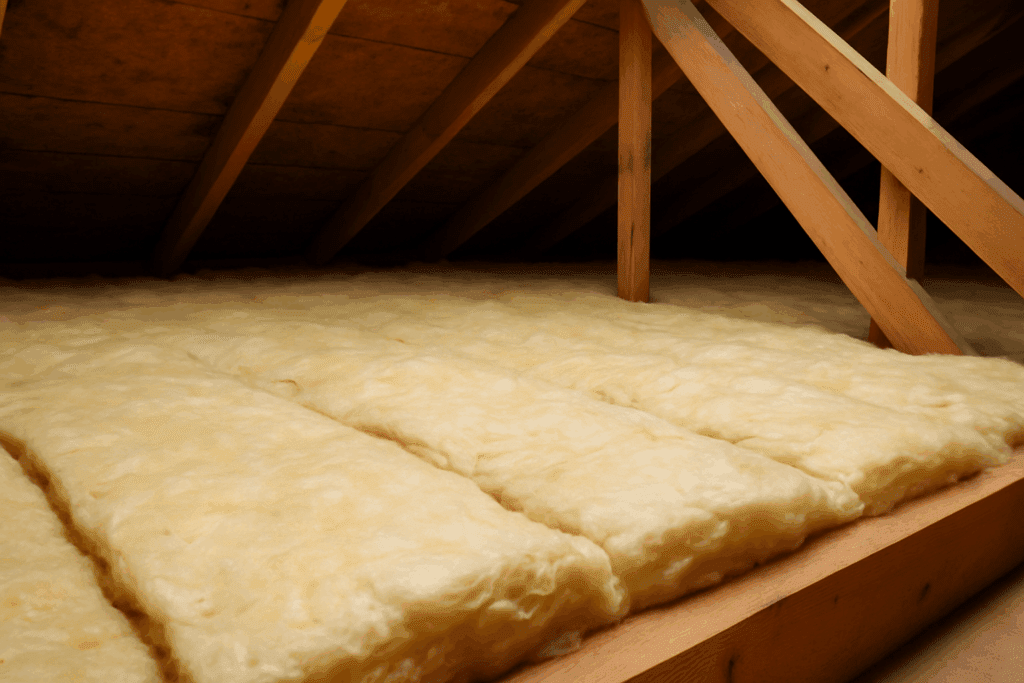
Insulation Efficiency – Insulation isn’t just about thickness; it needs to stay dry to perform properly. A well-ventilated attic ensures your fiberglass or cellulose stays in good condition, protecting the money you already spent on energy upgrades.
If you’ve started looking into attic fans, you’ll quickly notice there isn’t just one style. Different homes call for different setups, and each type of fan has its own strengths. Here’s what you need to know before deciding which option fits your space best.
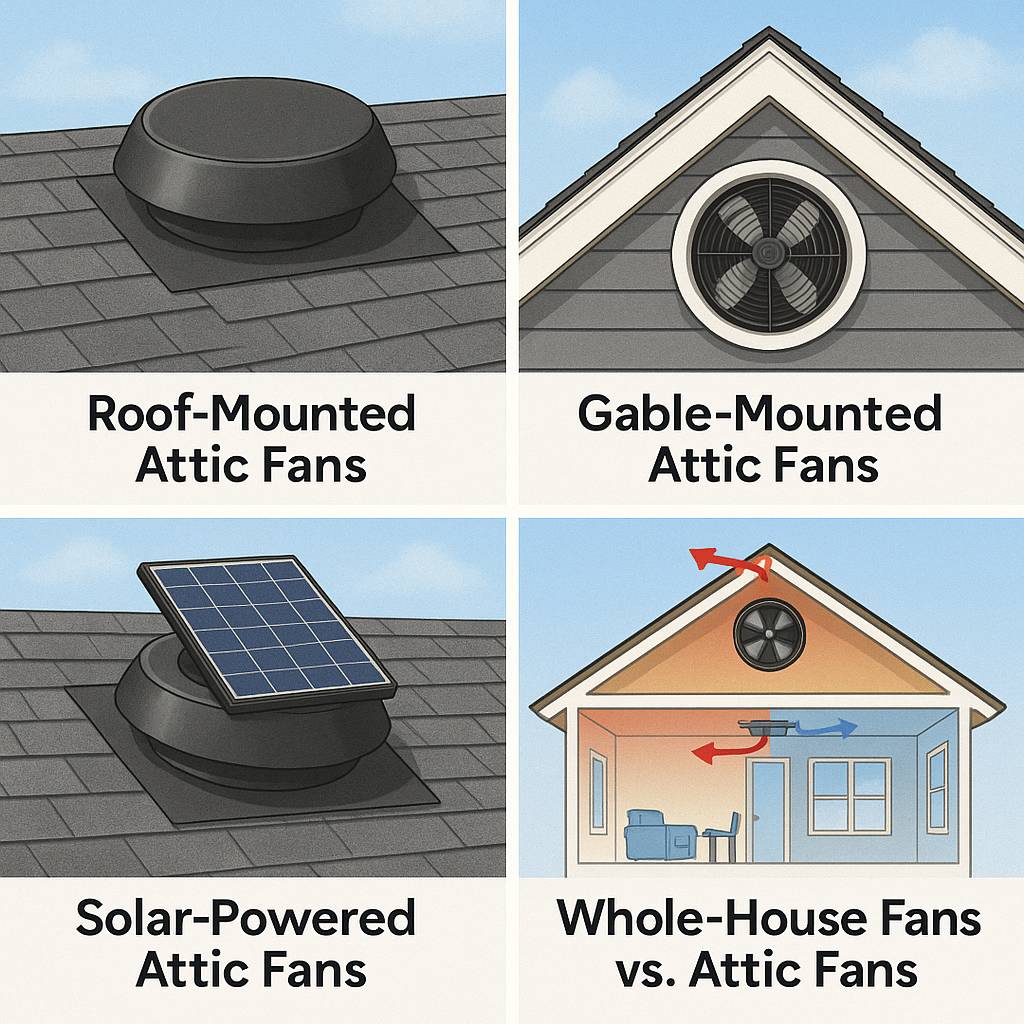
1. Roof-Mounted Attic Fans
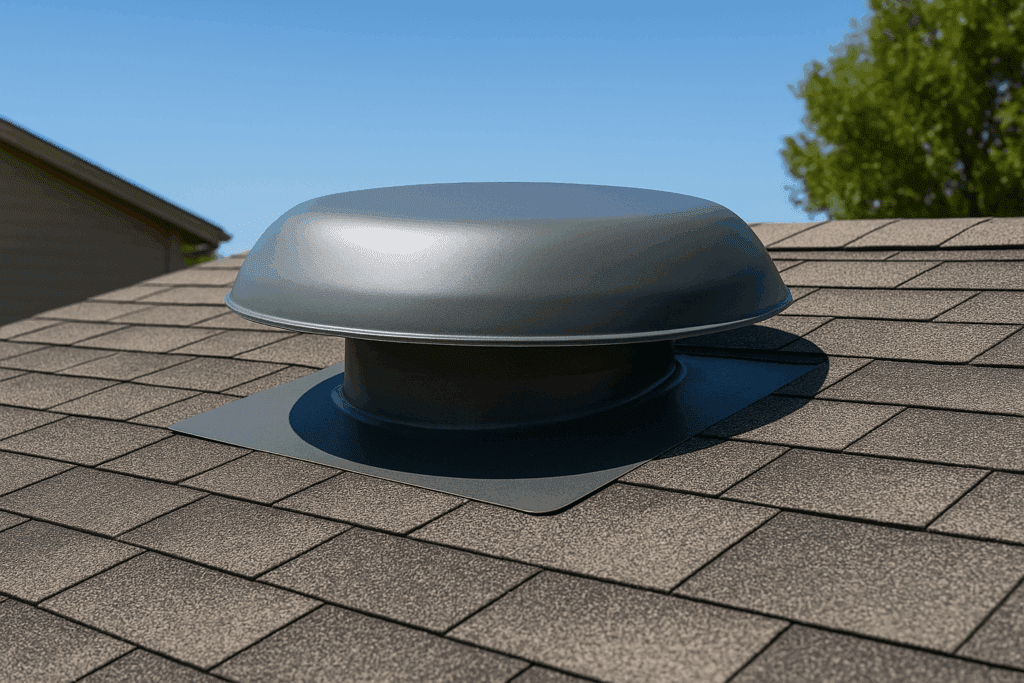
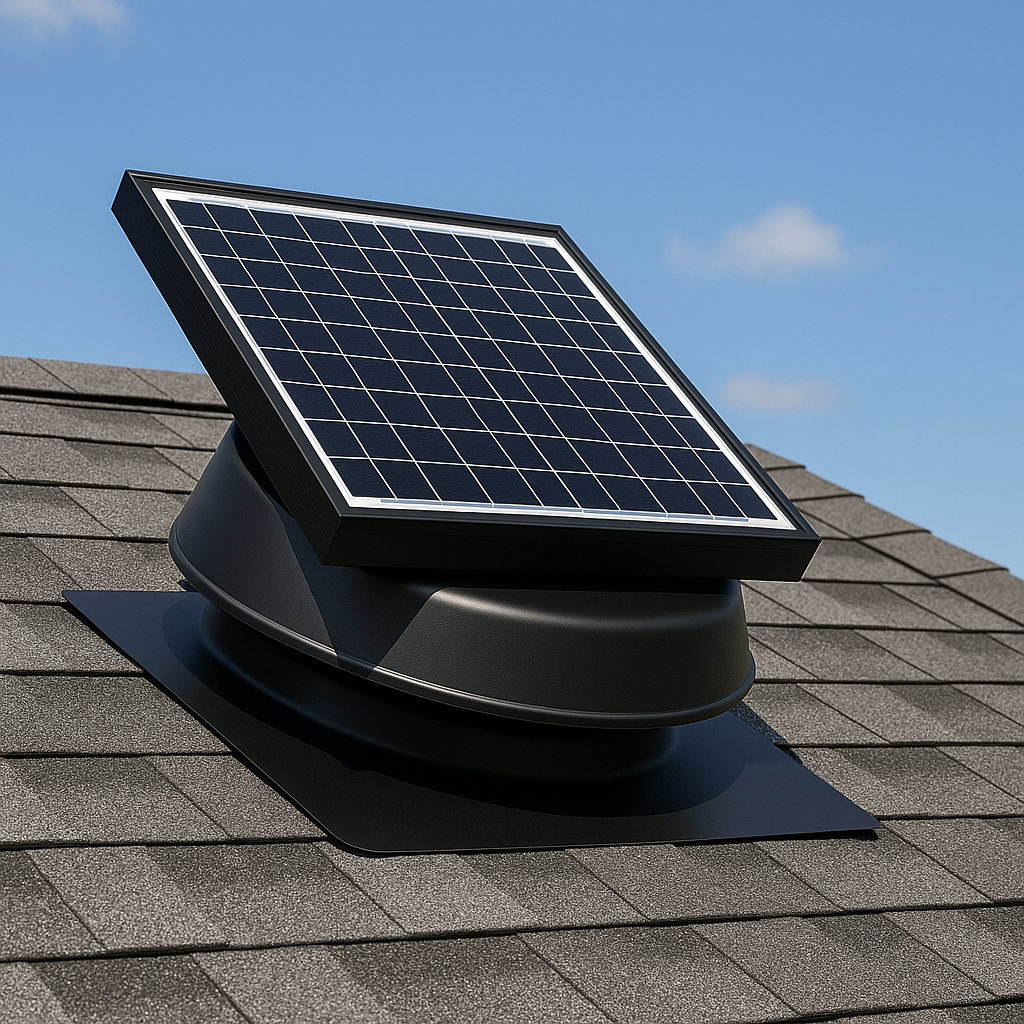
These are probably the first kind that come to mind. A roof-mounted fan sits right on top of your house, pulling hot air up and out. Because it’s installed directly through the shingles, it’s extremely effective at keeping attic temperatures down.
The catch? You’ll need to cut into your roof during installation, which makes some homeowners nervous. If you’re handy and comfortable working at heights, it’s a possible DIY job, but most people hire a roofer or electrician to handle it. Roof-mounted fans can run on electricity, solar panels, or even wind in certain models.
2. Gable-Mounted Attic Fans
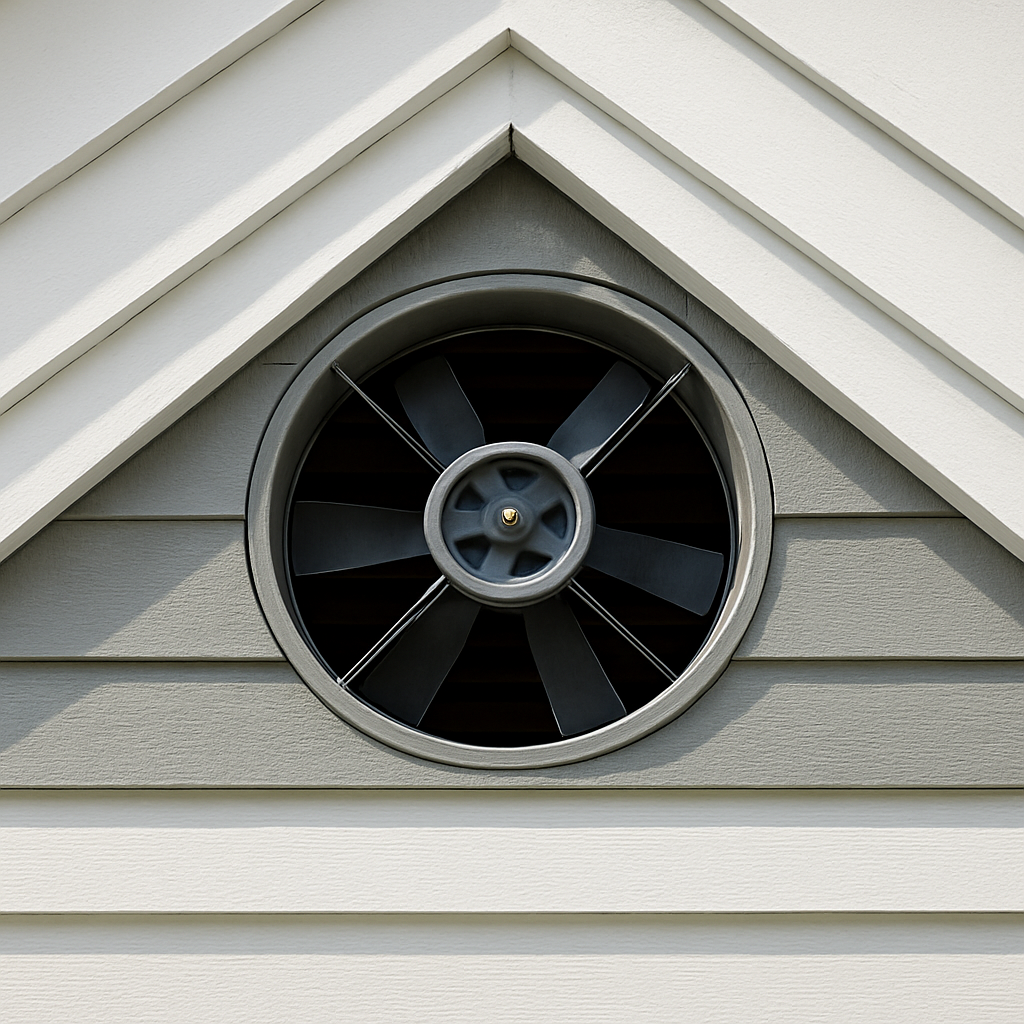
If your house has gable ends, this type is often the simplest solution. A gable-mounted fan attaches right to the inside of an existing vent, using that opening to pull air through the attic.
The biggest advantage is ease of installation—you won’t have to disturb your roof at all. Many homeowners tackle this as a weekend project with just a drill, screws, and some wiring knowledge. Because of the straightforward setup, gable fans are also easier to replace when the time comes.
3. Solar-Powered Attic Fans
If you like the idea of “set it and forget it,” a solar-powered attic fan might be your answer. These fans use the sun’s energy to run, so once they’re installed, there are no monthly operating costs. They’re especially appealing in sunny areas where you’ll get reliable performance most of the year.
They do cost more upfront than a basic electric fan, but they make up for it in energy savings and quiet operation. Plus, if you’re trying to make your home more eco-friendly, a solar attic fan checks that box.
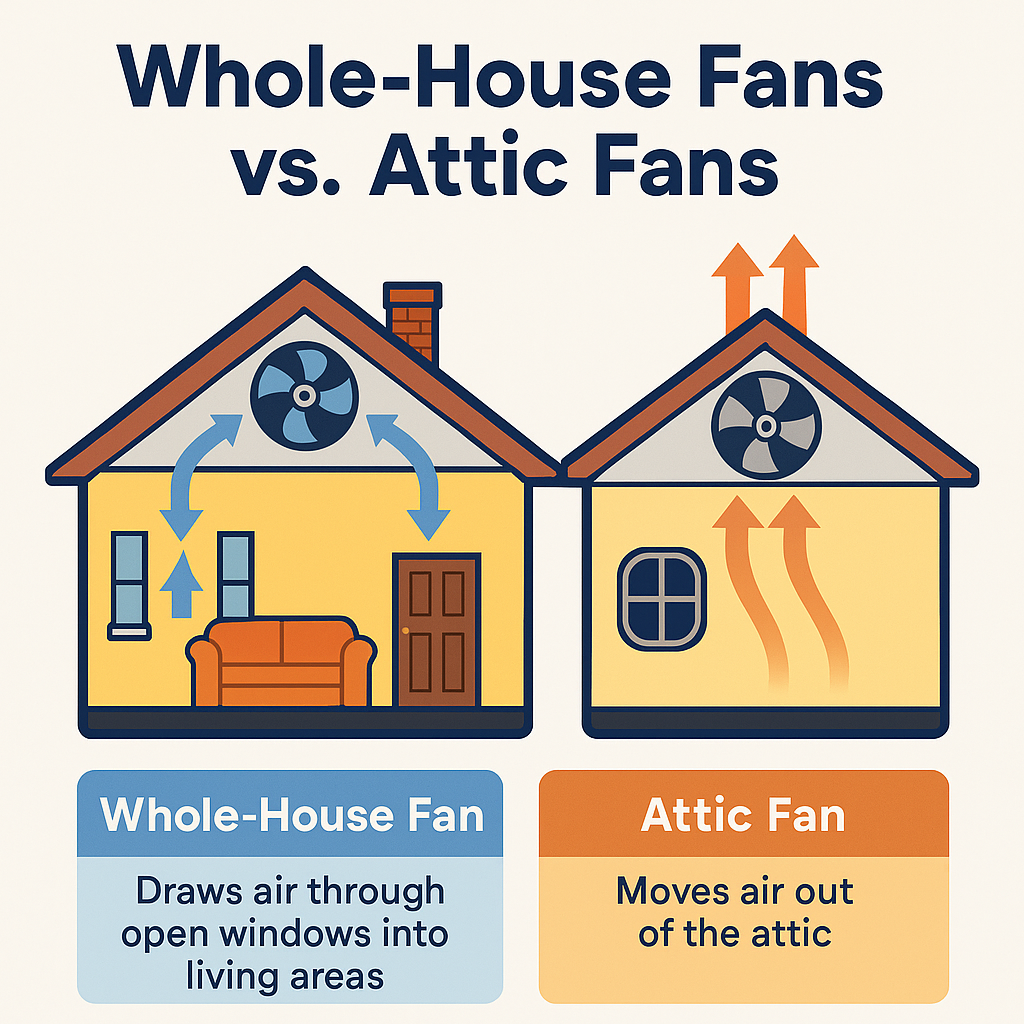
4. Whole-House Fans vs. Attic Fans
People often confuse attic fans with whole-house fans, but they serve different purposes. An attic fan only moves air out of the attic. A whole-house fan, on the other hand, draws air through open windows in your living areas, then pushes it into the attic before exhausting it outside.
Whole-house fans are fantastic for quickly cooling a home on a cool evening, but they require open windows and tend to cost more to install. Attic fans are less invasive and more affordable—they simply keep your attic from turning into a heat trap that drives up your AC bill.
Do Attic Ventilation Fans Save Money?
The short answer: Yes, but results vary.
Homes in hot climates see the most benefit.
Proper insulation and intake vents (soffit vents) are essential.
Studies show attic fans can reduce cooling costs by 10–30% if installed correctly.
Airflow (CFM): Match fan size to attic square footage. Example: A 2,000 sq. ft. attic requires ~2,000–2,500 CFM.
Power Source: Electric vs. solar.
Noise Level: Look for low-decibel ratings for quiet operation.
Warranty & Durability: Fans are exposed to heat and weather—quality matters.
Attic Fan Installation (Step-by-Step)
Installing an attic fan isn’t complicated, but it’s one of those jobs that always ends up being hotter, dustier, and messier than you expect. The good news? With some patience and the right prep, you can get it done in an afternoon.
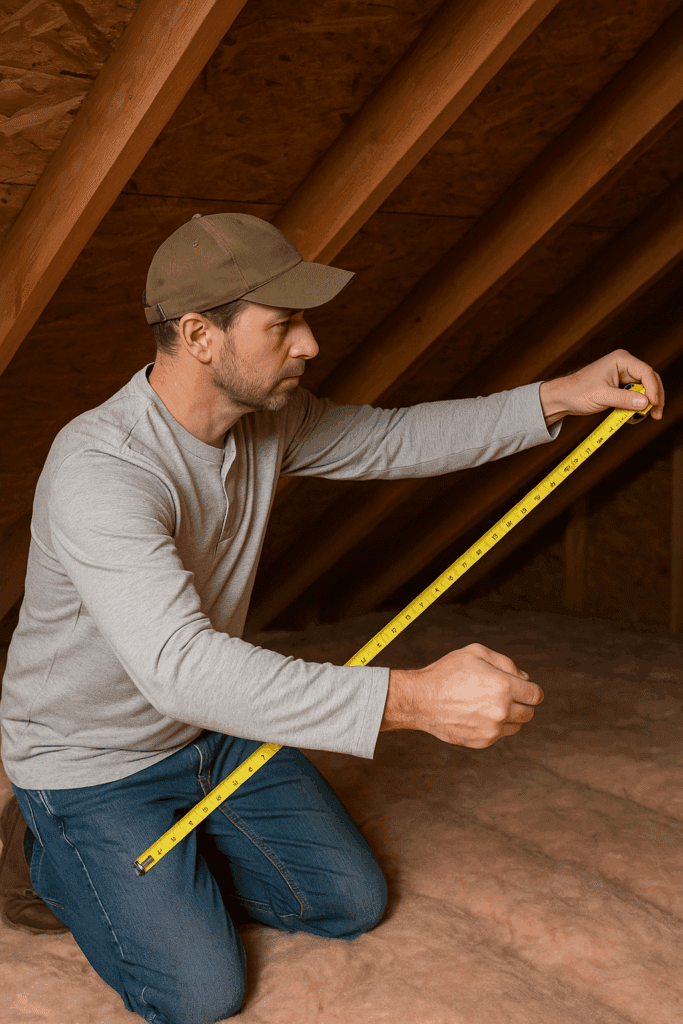
Step 1: Measure Your Attic
Fans are rated by CFM (cubic feet per minute)—how much air they move. To size yours correctly, measure the square footage of your attic. For example, mine is approximately 1,600 square feet, so I opted for a slightly larger fan to ensure it could keep up. 👉 Pro Tip: Always size up. An underpowered fan won’t make much of a difference.
Step 2: Choose the Location
Gable Fans: Easiest option. If you have a gable vent, you just fit the fan into the opening and screw it into place.
Roof Fans: More effective since hot air rises to the roof peak, but installation requires cutting into shingles. If you’re not confident climbing and working on a roof, stick with the gable option.
I’ve done both, and unless you’re comfortable on a roof with tools, the gable mount is far less stressful.
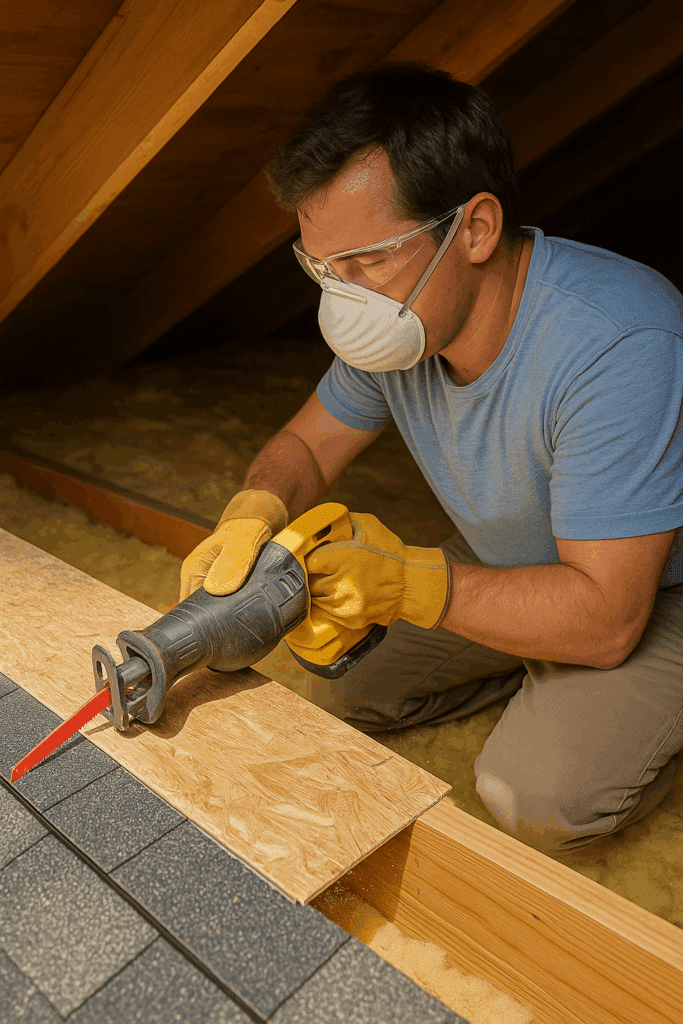
Step 3: Cut the Opening (Roof Fans Only)
If you go with a roof-mounted fan, you’ll need to cut a hole in the shingles and roof decking. Expect sawdust, insulation, and hot air rushing out at you. Goggles are a must—you do not want fiberglass in your eyes.
👉 Pro Tip: Pick a cool morning to do this. Mid-day in July is a recipe for misery.
Step 4: Mount the Fan
For Gable Fans: Just screw it directly into the framing around the vent.
For Roof Fans: Install flashing and seal everything with roofing cement to prevent leaks. Don’t rush this part—I once hurried the job and ended up patching a leak the following spring.
Step 5: Wire the Fan
Plug-In Models: Simply plug into an attic outlet.
Hardwired Models: May require running new wire.
Solar fans come with their panel and are usually simple to set up.
If you’re not confident with electrical work, bring in an electrician. It’s cheaper than fixing a wiring mistake—or worse.
Step 6: Test It Out
Flip the switch and listen for the fan to kick on. Within 20–30 minutes, you should feel the attic temperature drop. The first time mine turned on, the change was immediate—I wasn’t dripping sweat anymore.
Step 7: Work Smart & Stay Safe
Start early in the morning to avoid attic heat.
Keep water nearby.
Have someone outside the attic to hand you tools.
Always cut power before wiring.
With some patience and good prep, you’ll have a cooler attic and a lower AC bill in no time.
Maintenance Tips for Long-Term Performance
Clean Vents – Remove dust and debris every season.
Check Motor Bearings – Lubricate if needed.
Inspect Wiring – Look for frays or wear.
Test Thermostat – Ensure fan activates around 100–110°F.
Even with a quality attic fan, a few issues can pop up from time to time. Luckily, most are easy to troubleshoot without calling in a professional.
Fan Runs Constantly – If your fan never shuts off, it’s usually a thermostat that’s out of calibration. Try adjusting the temperature setting slightly higher so it doesn’t kick on too soon. If that doesn’t help, the thermostat itself may need replacing.
Moisture Issues Remain – If you’re still seeing condensation in the attic, the fan might not be the problem at all. Check your soffit vents to make sure they aren’t blocked by insulation or paint—air has to come in before it can be pulled out.
Fan Too Noisy – A loud, rattling fan can drive you crazy. Often, it’s just worn bearings that need replacing. If the motor is older, upgrading to a newer, quieter model is usually the better long-term fix.
Attic Ventilation Fans vs. Passive Ventilation
When people talk about attic ventilation, they’re usually comparing two approaches: passive systems and active systems.
Passive Ventilation – This setup relies on natural airflow through ridge vents, soffit vents, and gable vents. Since there are no moving parts, it’s inexpensive and maintenance-free. The downside is that it only works as well as the wind and temperature differences outside. On calm, hot days, your attic can still bake.
Active Ventilation (Fans) – Attic fans take a more aggressive approach by pulling hot, humid air out of the attic, no matter the weather. They’re especially useful in hotter climates where passive airflow alone just can’t keep up. While they cost more to install and run, they provide faster and more reliable cooling.
Many homeowners use both: passive vents to allow fresh air in and an attic fan to actively push heat and moisture out.
Cost of Attic Ventilation Fans
DIY Gable Fan: $100–$200
Roof Fan (Installed): $400–$700
Solar Fan: $300–$600
Professional Install: $500–$1,500 depending on complexity
FAQs About Attic Ventilation Fans
Q: Do attic fans work in winter? Yes, and that surprises a lot of people. Even when it’s cold outside, warm air from your furnace rises into the attic. Without ventilation, that warm, moist air can condense under the roof sheathing, leading to frost, mold, or even ice dams along the roofline. An attic fan helps keep air moving so moisture doesn’t get trapped.
Q: Will an attic fan hurt my HVAC system? Not if it’s installed the right way. The key is making sure you have enough intake vents—usually soffit vents—so the fan isn’t pulling air from your living space. When there’s a proper balance between intake and exhaust, your HVAC system won’t be affected.
Q: How long can I expect an attic fan to last? Most fans will run for 10 to 15 years if they’re maintained. Cleaning dust out of the vents, checking the thermostat, and lubricating the motor (if required) all go a long way toward keeping the fan running smoothly for a decade or more.
Final Thoughts
An attic ventilation fan is one of the most cost-effective home upgrades for energy savings and roof protection. Whether you choose an electric gable fan, a solar roof-mounted option, or integrate with your whole-house system, proper installation and maintenance make all the difference.
Before you buy, compare models for airflow (CFM), durability, and warranty. For most homeowners, the payoff in comfort, roof longevity, and lower utility bills makes attic fans well worth the investment.
Related Posts:
Precast Concrete Steps: Costs, Benefits & Installation Guide by Amy Reed March 21, 2025 More About Precast concrete steps are ready-made cement stairs, staircases, or hollow cement steps that can be installed outside existing staircases on a property or business premise.…