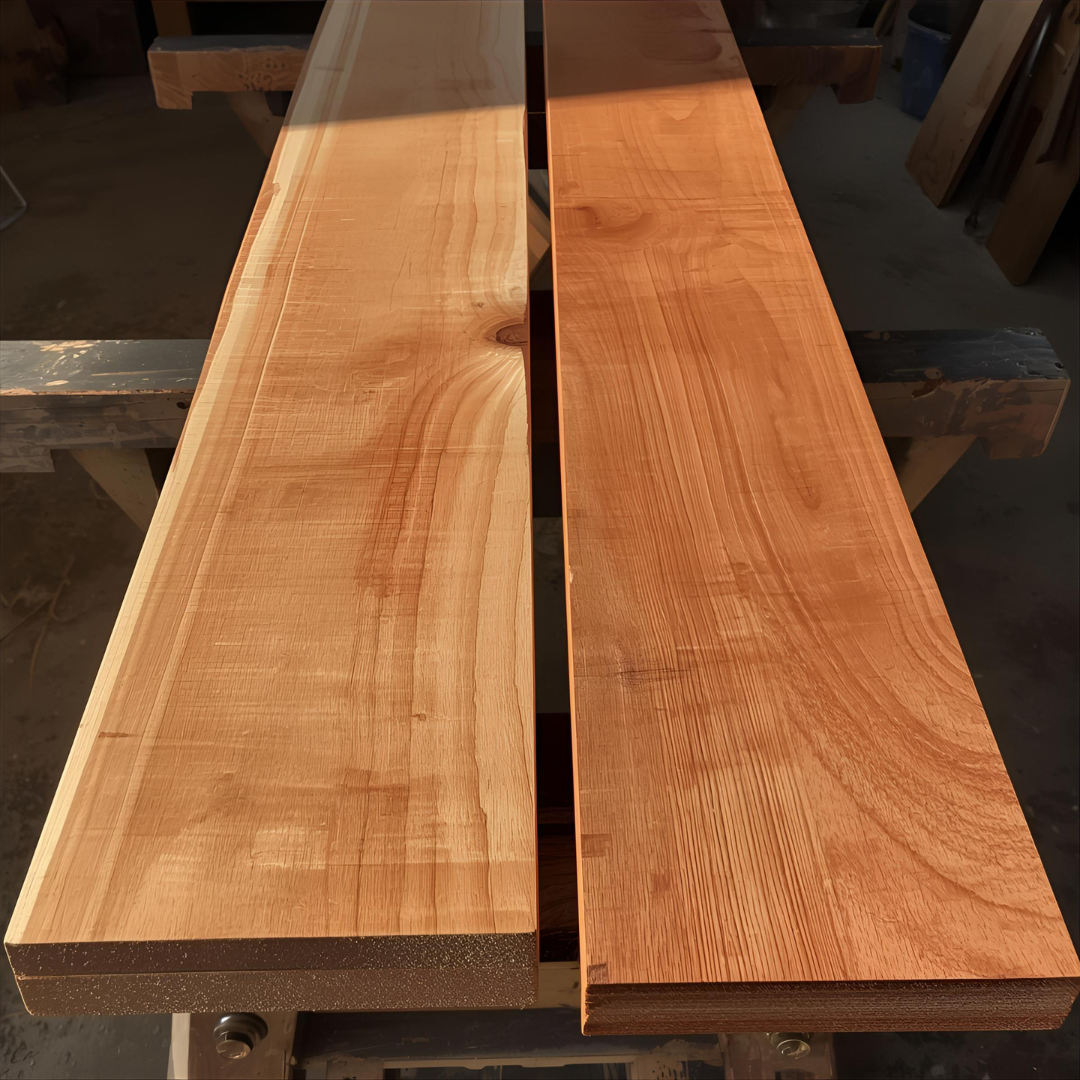
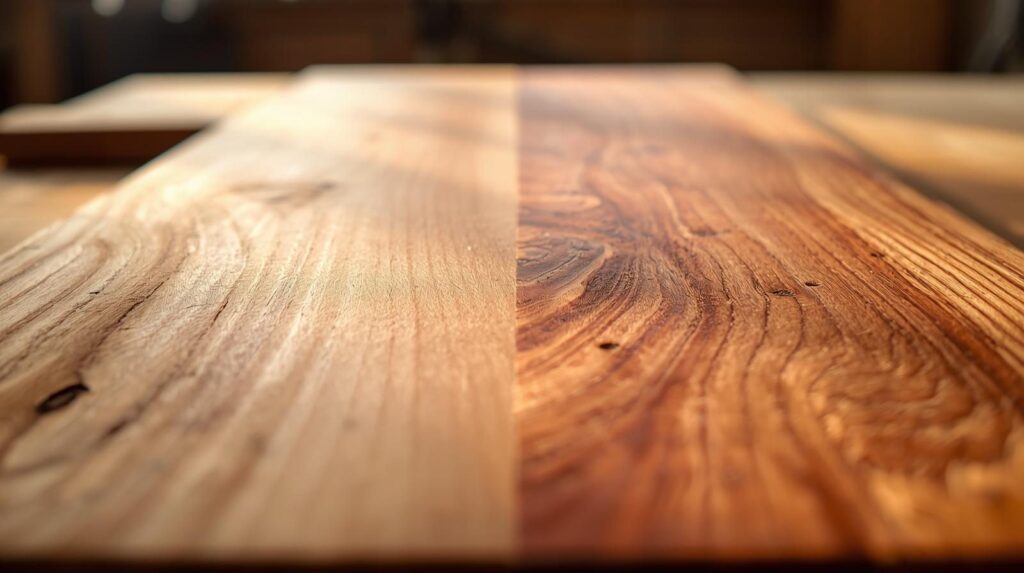
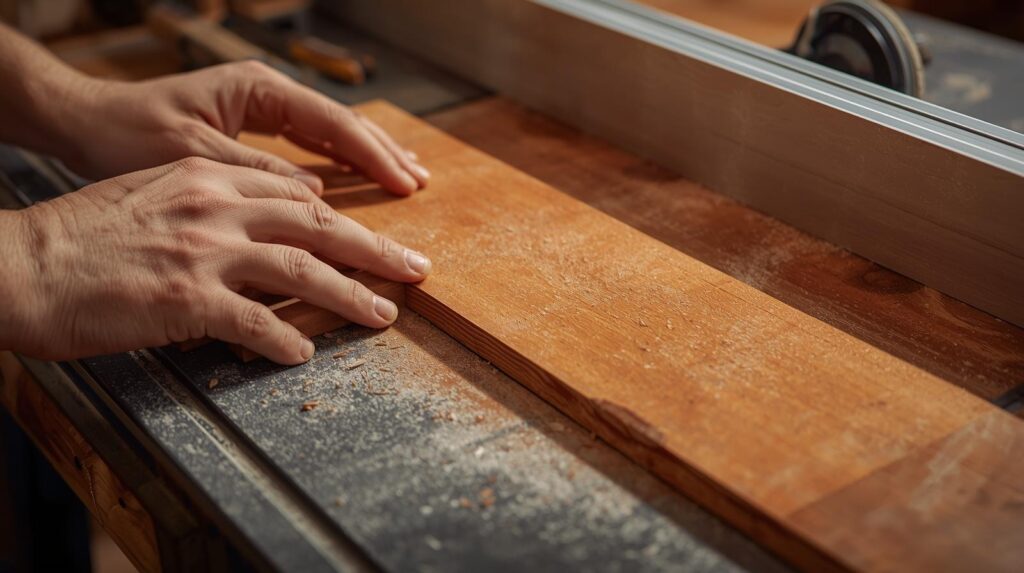
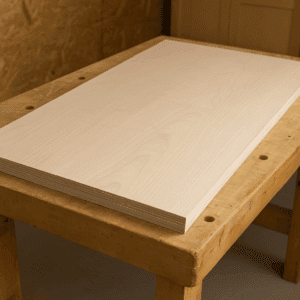
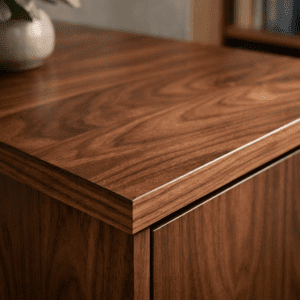
The first time I used cherry wood, I honestly thought I’d grabbed the wrong board. It looked pale, almost washed out. I remember staring at it for a second, thinking, This can’t be the stuff everyone raves about. I sanded it anyway—slow, careful strokes, the smell of fresh sawdust filling the air—and then wiped on a bit of finish to test it. And there it was. The color shifted right in front of me. That dull surface began to glow, a soft red that caught the light as if it had a pulse. I actually laughed out loud.
That’s cherry for you. It doesn’t hit you with flash or drama right away. It sneaks up on you—deepening, warming, getting better every season. If you’ve ever built something that aged alongside you—a table, a cabinet, whatever—you know that feeling. The wood changes, but in a way that reminds you of the time you spent making it.
🌳 What Is Cherry Wood?
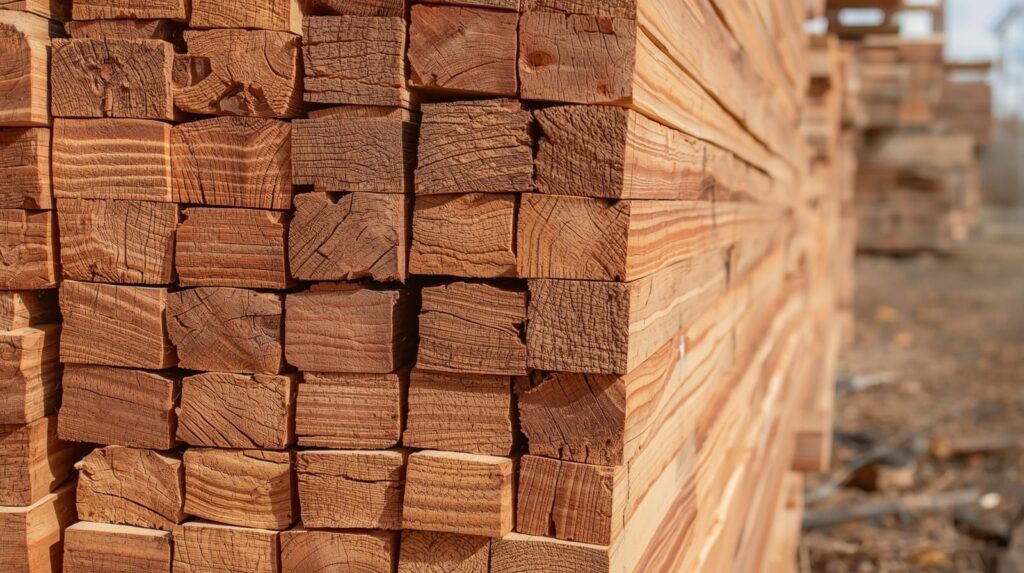
Cherry wood comes from the American Black Cherry tree (Prunus serotina), a native hardwood found mainly in the eastern United States. It’s part of the rose family, which explains its natural luster and subtle sweet aroma when freshly cut.
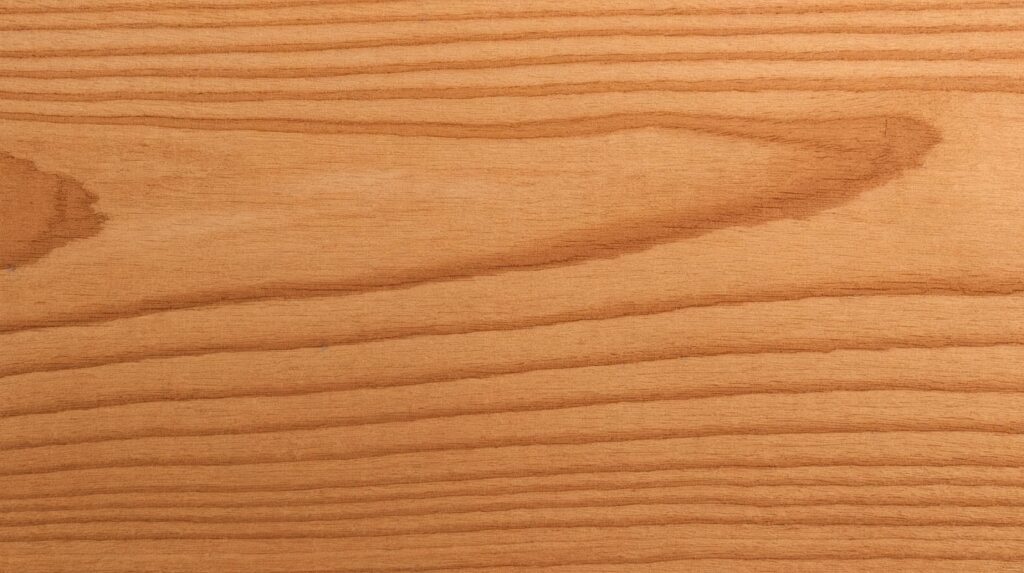
Cherry is considered a premium hardwood, often compared to walnut and maple in furniture making. Its smooth texture, straight grain, and rich, warm color make it a favorite among both cabinetmakers and DIY woodworkers.
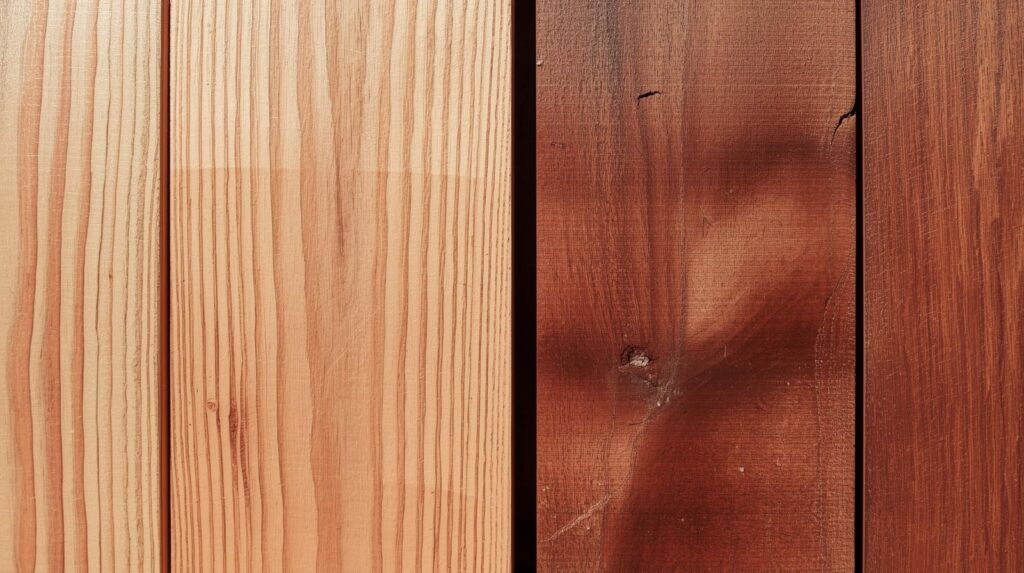
Fun fact: Cherry wood darkens naturally over time when exposed to light—so don’t panic if your new project looks light at first. Give it a few weeks in the sun, and you’ll see it mature beautifully.
Light pinkish brown → deep reddish brown over time
Grain
Fine, straight, and smooth with minimal pores
Hardness (Janka)
~950 lbf (moderately hard)
Workability
Excellent — easy to cut, shape, and sand
Weight
Medium density (~35 lb/ft³)
Finish
Polishes to a silky sheen
Cherry’s tight grain structure allows it to take stain evenly, though many woodworkers prefer to skip heavy stains and highlight its natural color with a clear oil finish or wax.
I’ve worked with plenty of woods that fight back—oak splinters, maple burns, and pine dents if you look at it wrong. Cherry, though, is different.
Cherry behaves differently than most woods. It cuts cleanly with both hand and power tools, sands down to a soft sheen, and handles joinery with impressive predictability. Because of its moderate hardness, it strikes that perfect balance between being easy to shape and strong enough to last for decades.
Because of its moderate hardness, cherry strikes that sweet spot between soft enough to work efficiently and hard enough to last decades.
Pro Tip: Cherry tends to darken under pressure, so avoid overheating it with sandpaper. Use a light touch and sand progressively (120 → 180 → 220 grit).
🏡 Common Uses of Cherry Wood
Cherry’s versatility is why it shows up in everything from antique reproductions to modern furniture.
Top Uses Include:
Fine furniture (tables, dressers, and chairs)
Cabinetry and millwork
Flooring and wall paneling
Turned objects and wood carvings
Musical instruments and gunstocks
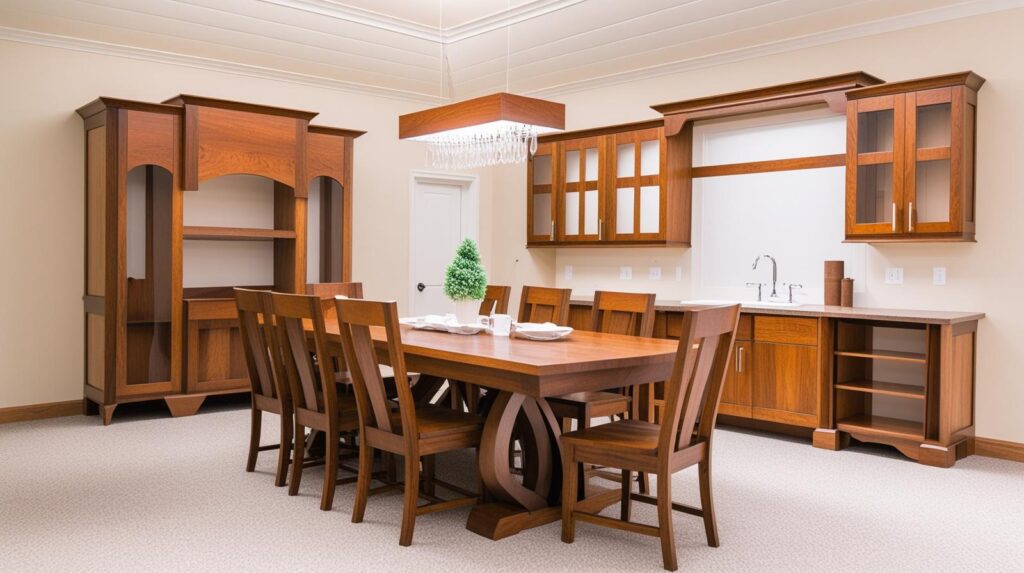
If you’ve ever admired a rich reddish-brown kitchen cabinet or an heirloom dining table, there’s a good chance it was cherry.
🎨 Color and Finishing Behavior
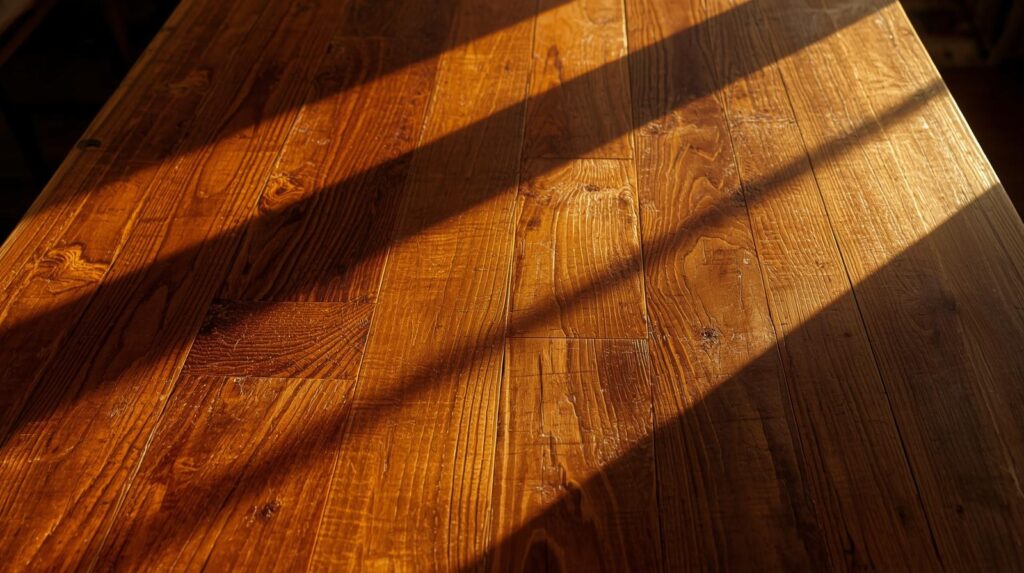
Cherry wood’s color evolution is one of its best qualities. It starts pale, even pinkish, and deepens with age and exposure to sunlight. You can speed up the process slightly by placing your finished project in natural light for a few hours each day.
When it comes to finishing, cherry wood rewards patience. A simple oil or shellac brings out that depth of tone without covering up its natural beauty.
🪄 How to Finish Cherry Wood for a Deep, Natural Glow
Finishing cherry is one of my favorite parts of the process—it’s where the wood really shows what it can do. The trick is to keep things simple. Cherry already has rich color and fine grain, so you don’t need a thick stain or tinted varnish. Instead, go with a clear finish that lets the natural tone come through.
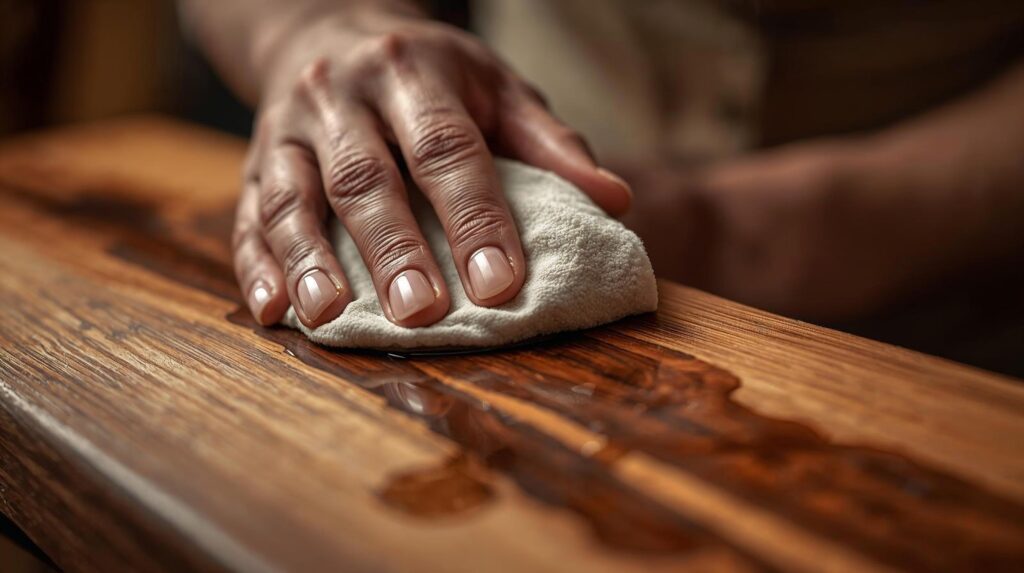
Start by gently sanding with 180- and 220-grit paper. Cherry scratches easily, and even minor marks will show when the light hits them. Once you’ve wiped off the dust, apply a coat of oil. I’ve had great results with Watco Danish Oil (Natural) and General Finishes Arm-R-Seal, both available on Amazon. Wipe on a thin layer, let it soak for a few minutes, then buff it dry.
The first coat will deepen the color slightly, but the effect happens over time. Leave your finished piece where it can catch natural light—within a few weeks, it will start to take on that classic reddish-brown glow. If you want extra depth, you can apply a coat of wax after the oil cures.
Cherry doesn’t need much more than care and patience. Every year, the finish becomes warmer, smoother, and slightly darker. That’s part of the reward—your work keeps getting better even after you’ve put the tools away.
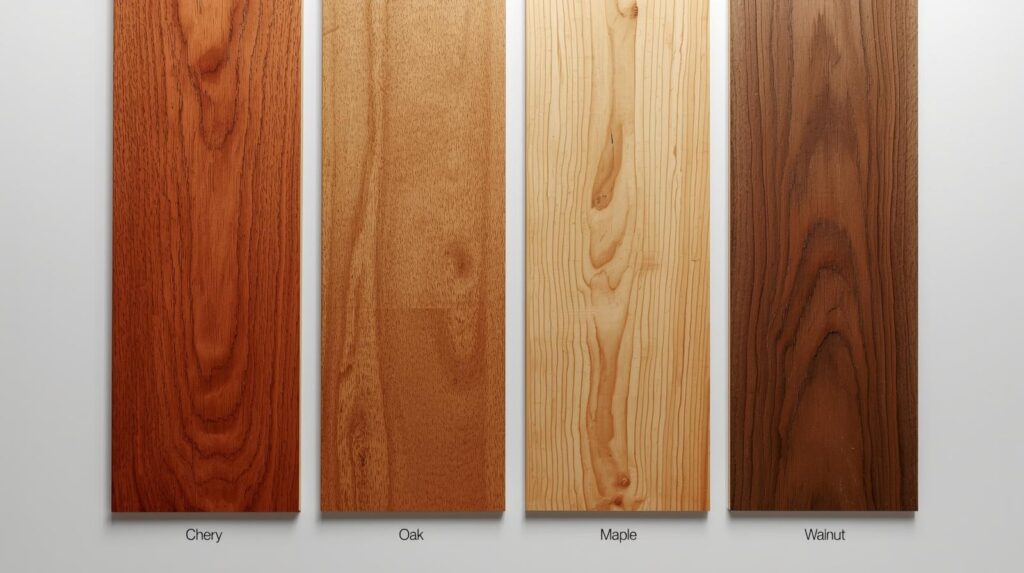
🧱 Cherry Wood vs Other Woods
Feature
Cherry
Oak
Maple
Walnut
Hardness
Moderate
Hard
Very hard
Moderate
Color Tone
Reddish brown
Light tan
Creamy white
Dark chocolate
Aging Effect
Darkens beautifully
Slight darkening
Minimal change
Lightens slightly
Grain Pattern
Smooth & subtle
Coarse & open
Tight & uniform
Rich & wavy
Best For
Furniture, cabinets
Flooring, trim
Countertops
Premium furniture
If you love the warm, refined look of traditional furniture but don’t want the stark lines of maple or the heaviness of oak, cherry is the ideal middle ground.
🪵 Cherry Wood vs. Mahogany: Which Should You Choose?
People often ask if cherry can substitute for mahogany. The answer is yes—depending on what you’re after. Both woods have a warm, reddish tone, but they behave differently in the shop.
Cherry is a North American hardwood that is lighter in color at first but darkens naturally with age. Mahogany, often imported from Africa or South America, starts darker and keeps a more consistent tone over time. Cherry has a tighter, straighter grain, while mahogany’s texture is open and sometimes wavy.
From a builder’s perspective, cherry is easier to work with. It cuts and sands smoothly, smells sweet when milled, and finishes like silk. Mahogany is slightly coarser and sometimes dusty when machined, but it’s very stable once sealed.
For furniture, cherry feels warmer and more approachable, while mahogany reads formal and rich. If you’re building something like a farmhouse table, cherry wins hands down. For a classic desk or an heirloom cabinet, mahogany’s darker tone gives a traditional look.
Cherry also has a price advantage since it’s grown domestically and is easier to source sustainably.
Pro Tip: Cherry burns easily under friction—so keep your saw blades and bits sharp, and don’t rush cuts.
🛠️ DIY Project Ideas Using Cherry Wood
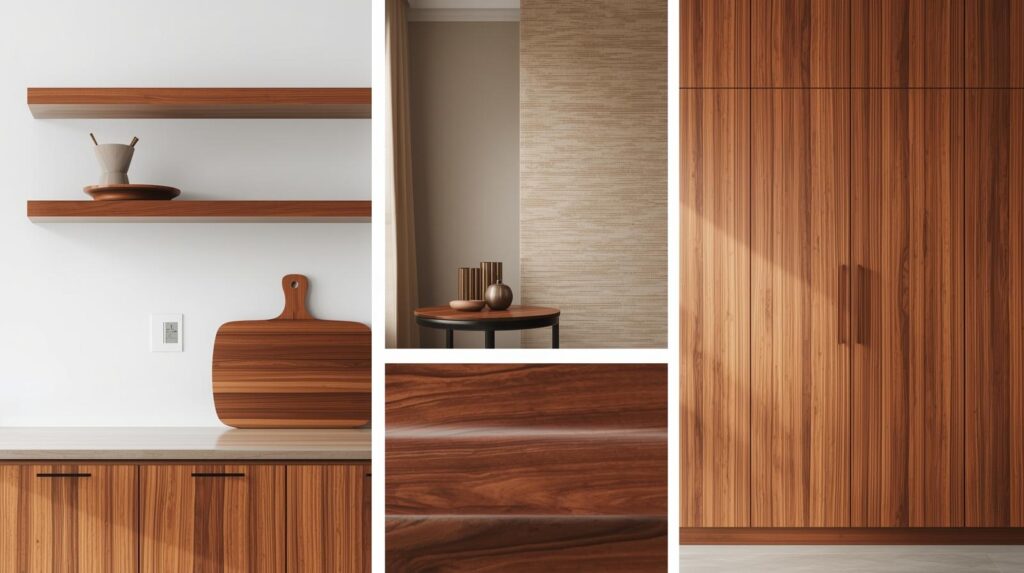
Floating Shelves I’ve made a few sets of these over the years, and cherry is one of my favorite choices. Even a small shelf takes on this warm, reddish glow that changes with the light. In a plain white or minimalist room, that soft color instantly adds a bit of life without feeling heavy.
Cutting Boards Cherry makes a fantastic cutting board. It’s dense enough to last but not so hard that it ruins your knives. I usually rub on a few coats of Howard Mineral Oil—nothing fancy, just a good food-safe finish that keeps the grain sealed and smooth.
Cabinet Doors If you’re building or updating cabinets on a budget, here’s a trick: use cherry for the frame and birch plywood for the panel. You get the rich look of cherry without paying for solid slabs. Once finished, the color match is surprisingly close.
Accent Wall Panels This is one of those upgrades that looks high-end even when it’s not complicated to build. Cherry panels give off a cozy, amber tone that makes an office or library feel like it’s been there for decades.
🪑 Styling Cherry Wood in Modern Spaces
One of the most incredible things about cherry wood is that it bridges the gap between old-world craftsmanship and modern design. You can pair it with matte black hardware, concrete countertops, or minimalist décor, and it still looks right at home.
In my own projects, I’ve used cherry floating shelves against white shiplap walls—it’s a simple mix that feels warm without being rustic. For a more dramatic contrast, cherry looks incredible alongside dark stone, such as slate or soapstone. Its reddish tone plays off cooler colors beautifully.
If you’re refinishing furniture, keep hardware minimal. A brushed brass knob or a thin black pull can make cherry cabinets look instantly current. Don’t be afraid to mix it with other materials, either—birch plywood panels, steel legs, or even glass inserts all balance its warmth.
Lighting matters too. Cherry looks best under soft, warm light. Avoid harsh daylight bulbs, as they make it look orange.
For inspiration, browse Modern Wood Furniture Ideas on Pinterest and look at mid-century pieces—they often use cherry for a timeless tone that never really goes out of style.
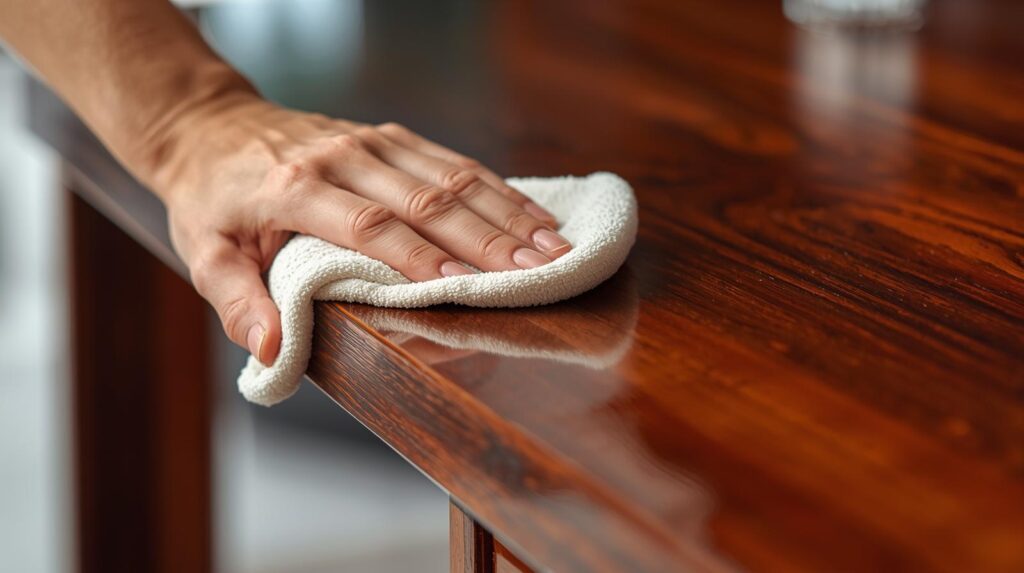
💡 Maintenance and Care Tips
Cherry wood develops a beautiful patina naturally, but it needs a little help staying pristine:
Cherry wood isn’t trendy—it’s timeless. The same qualities that made it a favorite for Shaker furniture centuries ago are what keep it relevant today: warmth, craftsmanship, and quiet elegance.
When you run your hand over a cherry tabletop, you can feel the grain, the time, and the care. It’s one of those woods that seems to tell a story as it ages.
If you want a material that grows better with you over time, cherry wood might be your next masterpiece.
Related Posts:
Maple Plywood DIY Guide: Projects & Finishing Tips by Admin August 23, 2025 Hardwood My First Experience With Maple Plywood When I first started messing with plywood, I honestly didn’t care what I was buying. Pine was cheap, easy…
Wood Cable Spool: Ideas, Furniture Projects & More by Admin May 19, 2025 DIY Wood cable spools aren’t just industrial leftovers—they’re a goldmine for creative DIYers. These oversized wooden reels, originally made for holding electrical lines, telephone wires, or…