When most people think of plywood, they imagine sheets of pine at the local big-box store or premium birch panels for cabinetmaking. But tucked in between is poplar plywood—an affordable, versatile option that deserves more attention than it usually gets.
I first came across poplar plywood while looking for a lightweight but sturdy material to build painted cabinets for a rental property. Birch was pricier than I wanted, pine had too many knots and voids, and maple felt like overkill. Poplar ended up being the perfect middle ground—affordable, smooth, and easy to work with.
In this guide, I’ll break down exactly what poplar plywood is, how it compares to birch, pine, and maple, where it shines, and where it falls short. Along the way, I’ll share practical DIY tips, cost breakdowns, and examples of projects where poplar plywood really excels.
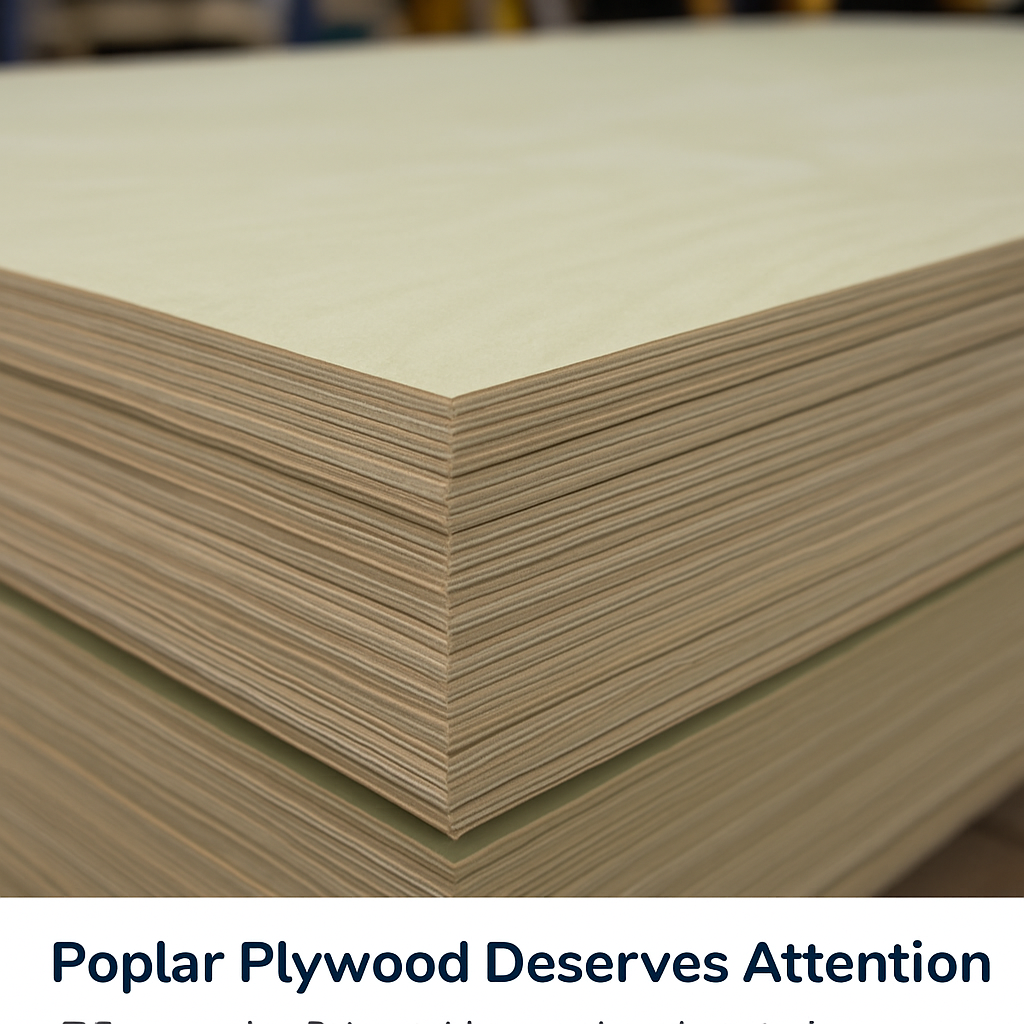
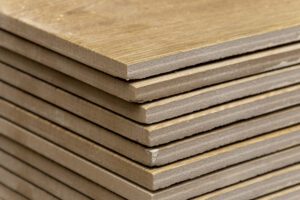
This kind of plywood is made by pressing thin veneers of wood together with alternating grain direction. The core and face veneers are primarily poplar, which gives the sheet its lightweight, pale cream-to-yellowish color and uniform texture.
Unlike pine plywood, poplar typically has fewer knots and voids. And compared to birch, it’s not as hard but is much easier to cut and machine.
Quick Facts:
Density: Lightweight (softer than birch, harder than pure pine).
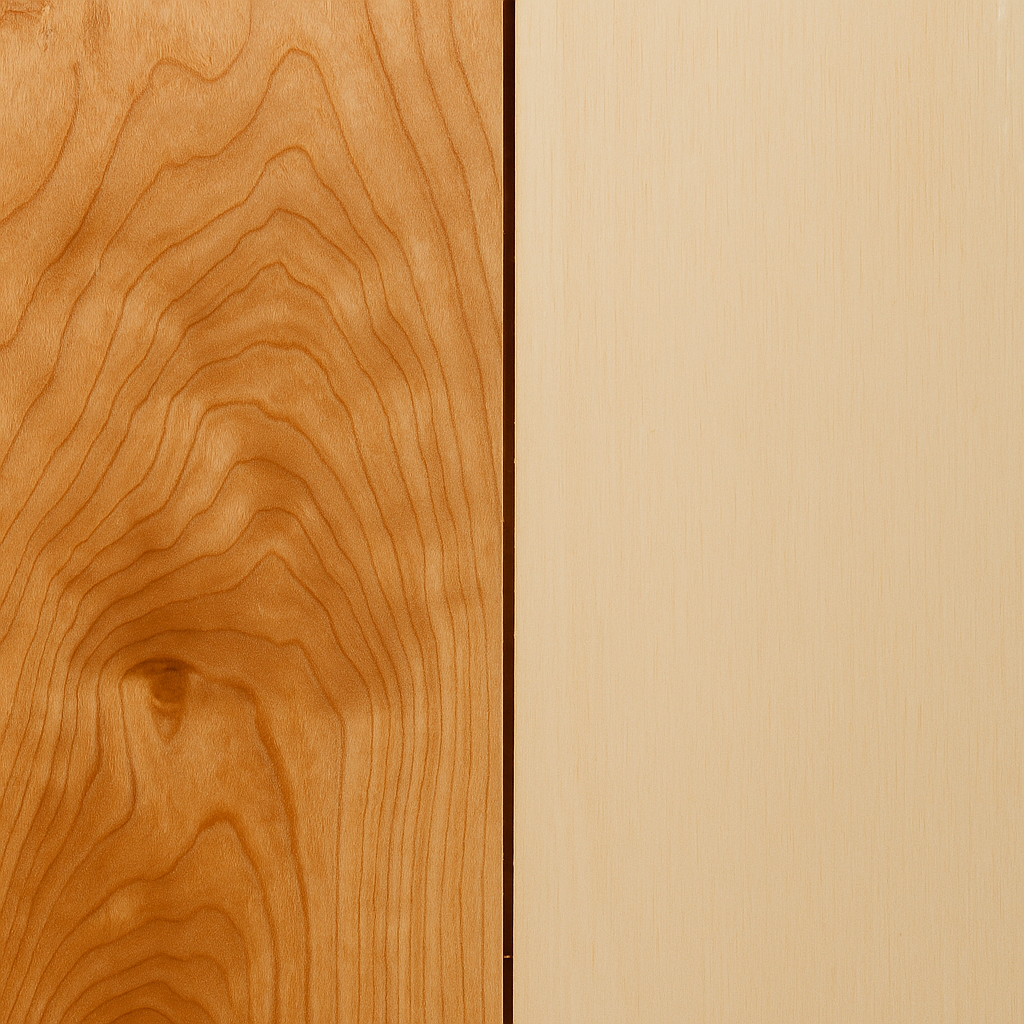
Appearance: Pale, with a slight green or yellow tint.
Finish: Takes paint well, but stains blotchy.
Common thicknesses: 1/4″, 1/2″, 3/4″.
Panel sizes: Most commonly 4×8 ft sheets.
👉 Reference: The Wood Database notes that poplar is one of the most widely used utility hardwoods in the U.S.
Poplar Plywood vs. Other Popular Plywoods
When you’re standing in the lumber aisle, you’re usually staring at the same stack of options: poplar, birch, pine, or maple. They all look like plain sheets, but once you’ve built with them, the differences show up quickly.
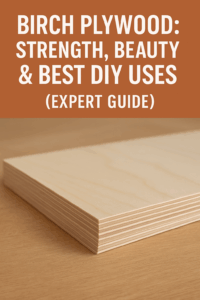
Poplar vs Birch
Birch is tough—almost overbuilt for some projects. I once made shop drawers out of birch, and moving them felt like a workout. Poplar is nowhere near as heavy and is much easier on the saw blades. If the plan is a painted cabinet or utility shelf, I’d rather cut poplar than wrestle with birch all day.
Pine plywood will save you a few bucks, but you’ll get knots, gaps, and sometimes a warped sheet that refuses to sit flat. I’ve had screws split pine edges too many times. Poplar is cleaner and smoother—when I paint pine, I end up fighting the grain, but with poplar the finish goes on without surprises.
Poplar vs Maple
Maple is beautiful, no doubt, but the price tag is a drawback. It also demands sharp tools, or you’ll burn the edges. Poplar doesn’t have that showpiece look, but if you’re after affordability and a material that’s easier to work with, poplar gets the nod. I save maple for projects where the wood grain needs to be on display; for everything else, poplar keeps me sane (and under budget).
Advantages of Poplar Plywood
Why would you pick this plywood over other options?
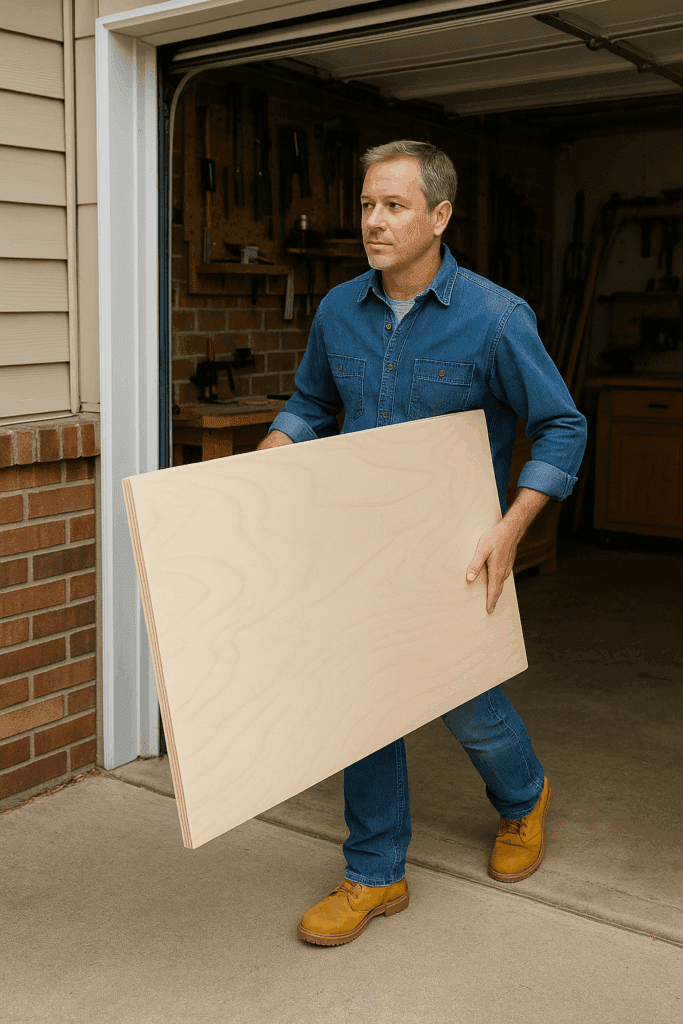
Lightweight: Easy to carry and maneuver, especially for solo DIYers.
Affordable: Cheaper than birch or maple, but higher quality than pine.
Easy to Machine: Cuts smoothly, doesn’t dull blades as quickly as harder woods.
Uniform Surface: Few knots or voids; great for painting or veneering.
Versatile: Works well for cabinetry, shelving, drawer boxes, furniture frames, and shop projects.
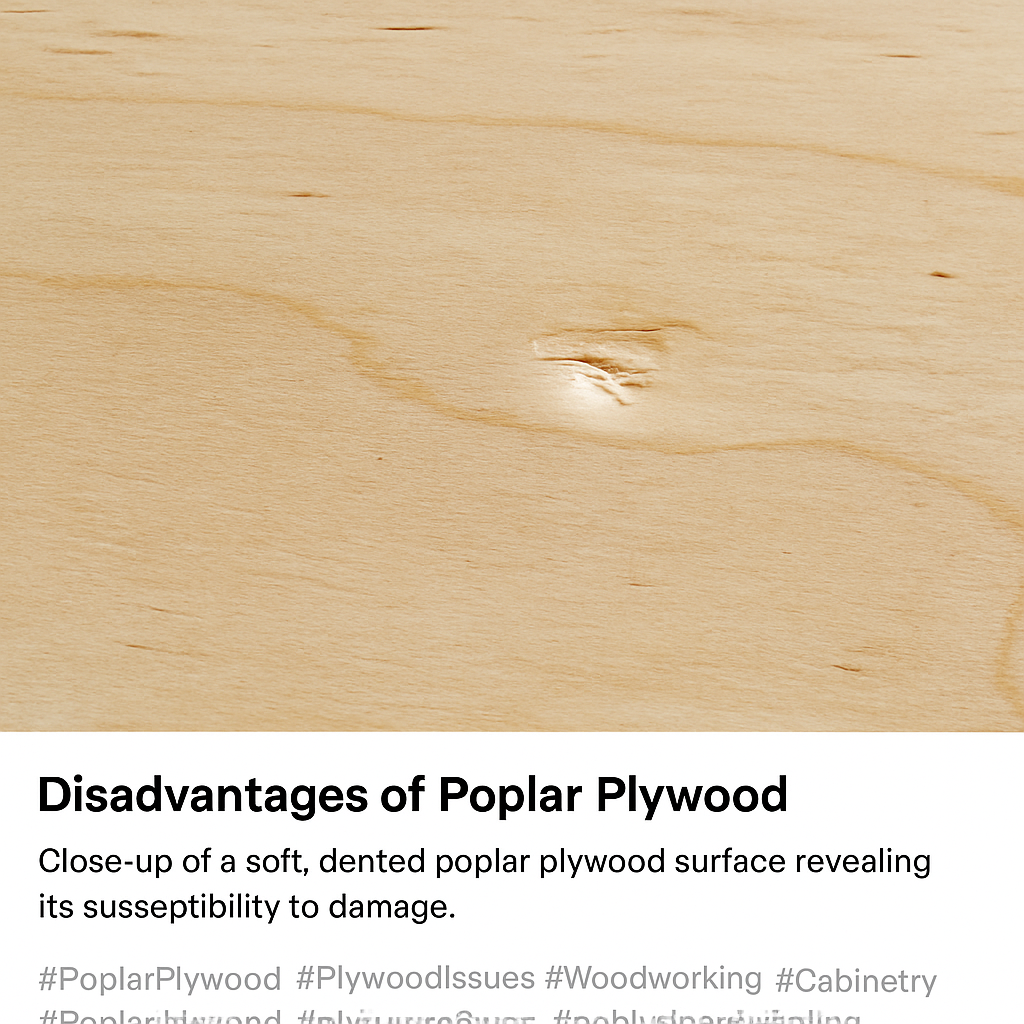
Disadvantages of Poplar Plywood
Of course, it’s not perfect:
Not as Strong: If you need maximum load-bearing strength, birch or maple is better.
Poor for Staining: The grain is plain and stains blotchy. Best left painted.
Softer: More prone to dents and scratches compared to birch or maple.
Not Outdoor Friendly: Without exterior glue, it won’t withstand weather conditions.
Best Uses for Poplar Plywood
Poplar plywood isn’t flashy, but it’s the sheet I keep coming back to when I just need something that works. Not everything in the shop has to look like a furniture showpiece, and poplar hits that middle ground of “good enough and affordable.”
Painted Cabinets and Furniture
If you plan to paint, poplar is a lifesaver. The surface is plain, no weird knots bleeding through, and it takes primer like a sponge. I built a bathroom vanity from it once—just a basic box, nothing fancy. After a couple of coats of paint, friends assumed it was solid maple. I didn’t bother correcting them.
Drawer Boxes
This is another spot where it shines. It’s light, which makes pulling drawers easier, but it doesn’t feel flimsy. The pale color is practical too—you can actually see what’s inside the drawers instead of digging through a dark hole. I use it for shop storage, and even fully loaded with wrenches and drill bits, the boxes haven’t sagged.
Utility Furniture
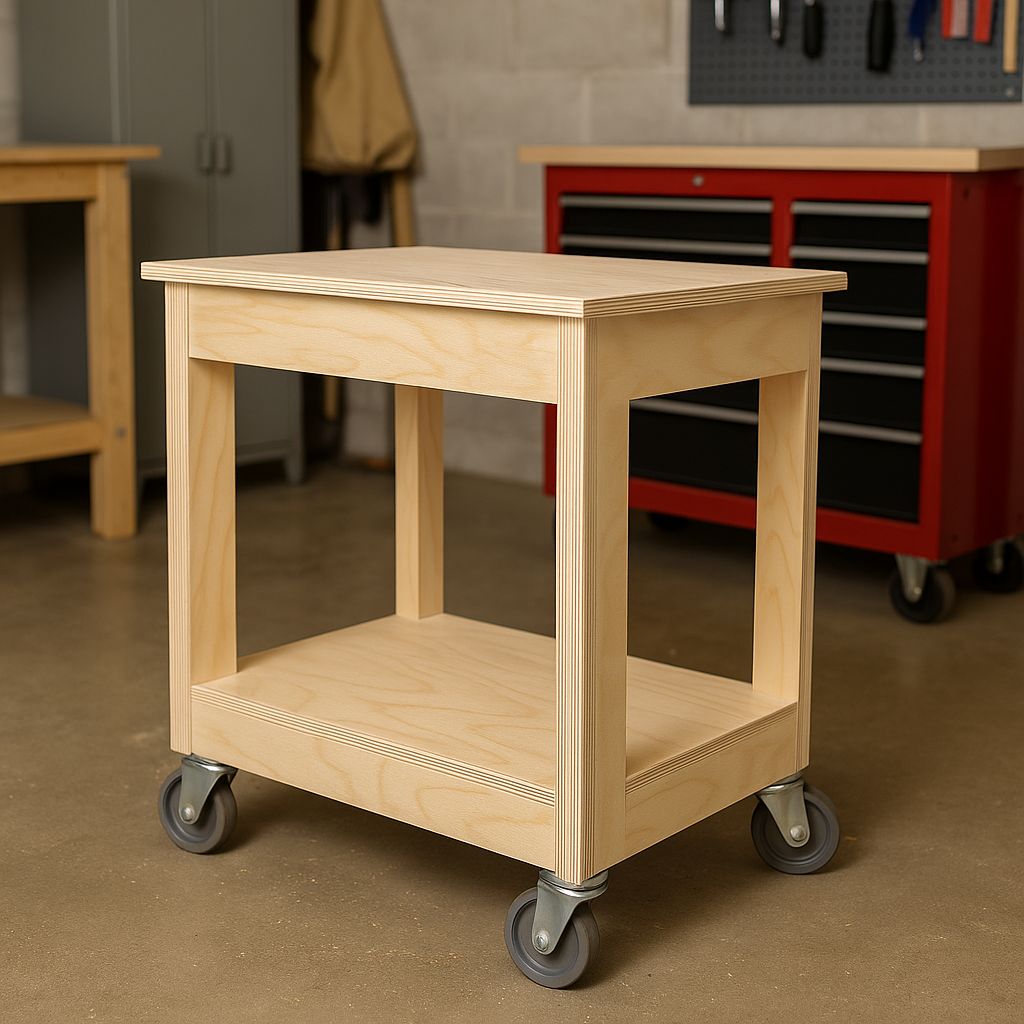
For shop benches, shelves, and even quick toy chests, poplar is cheap insurance. It dents, sure, but it won’t explode like pine when a knot decides to pop loose. I slapped together a rolling tool cart from scraps, and though it’s beat up, it still rolls around the garage every weekend.
Veneered Panels
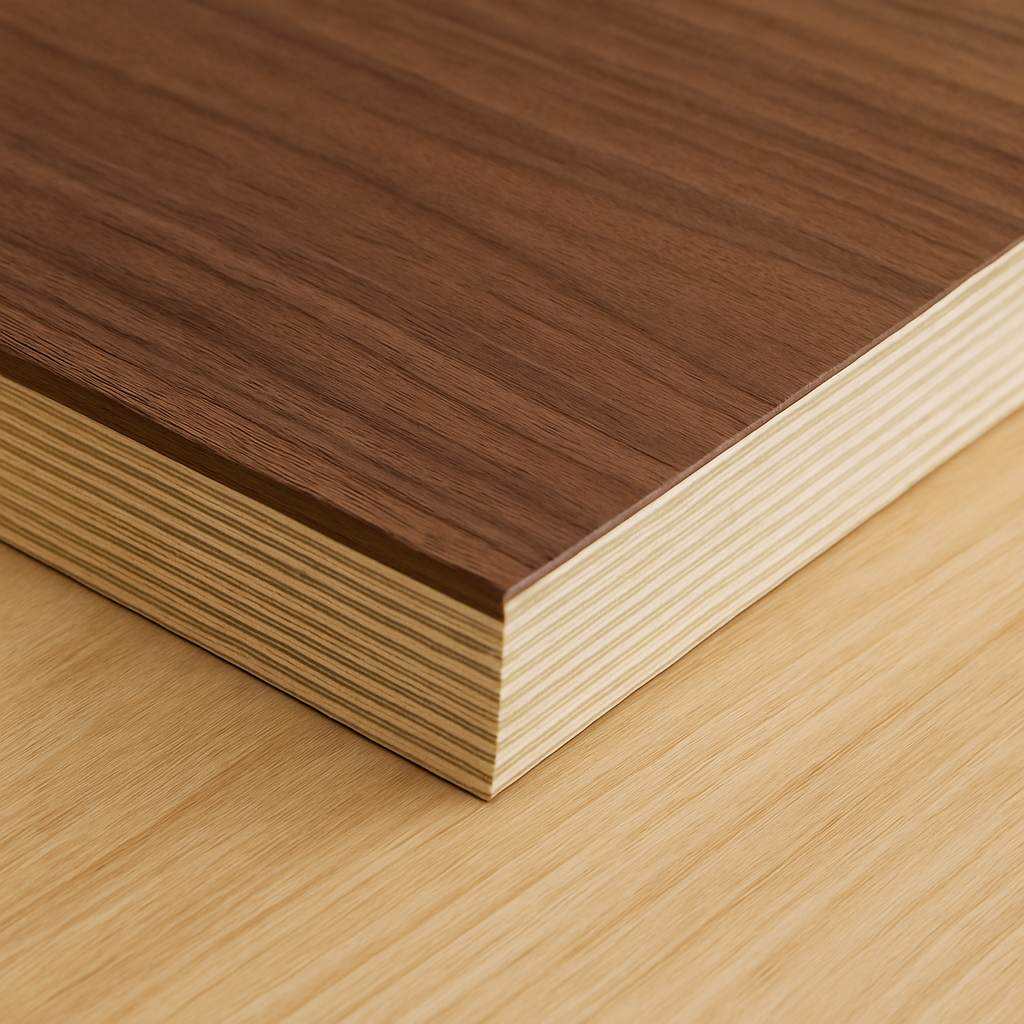
Here’s where most people don’t realize poplar gets used: as the hidden backbone. Furniture makers often glue fancy veneers—walnut, maple, even exotic stuff—over poplar cores. Nobody sees the poplar, but it’s the reason the piece stays flat. If you’re trying veneering for the first time, grab poplar. It forgives more than birch.
Budget Builds
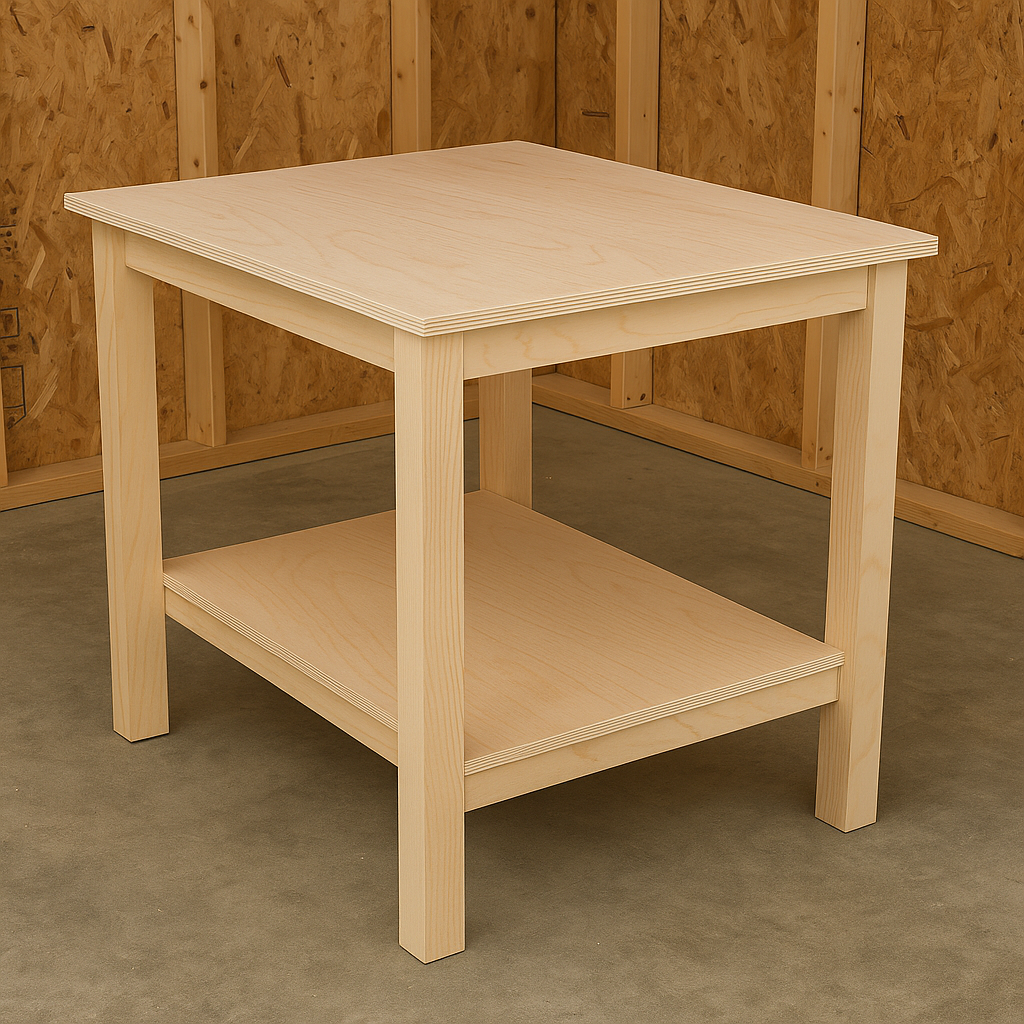
When the budget’s thin, I don’t hesitate. Poplar sheets might not win style points, but they hold together. I’ve used them for everything from quick shelves in a rental to a work table that I swore would be temporary (three years later, I’m still using it). Not glamorous, but solid.
DIY Tips for Working with Poplar Plywood
I’ve made enough mistakes with poplar plywood to know a few tricks that make life easier.
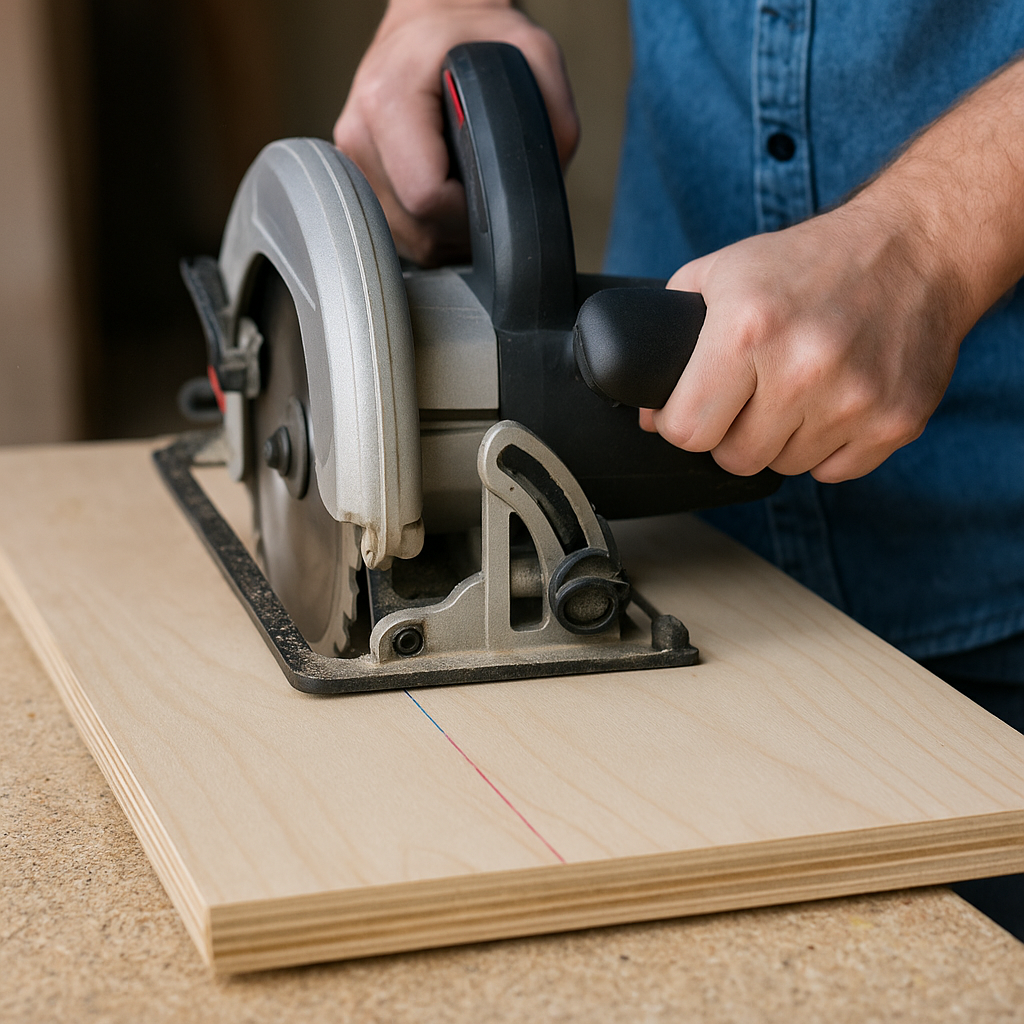
Use Sharp Blades A fine-tooth blade is your best friend here. Poplar isn’t as hard as birch or maple, but it will still splinter if you rush cuts with a dull saw. I once thought I could squeeze one more project out of an old blade—ended up with chipped edges on every panel. Lesson learned.
Pre-Drill for Screws It likes to split if you send screws straight in, especially close to the edges. A quick pilot hole avoids the mess and makes everything feel more professional.
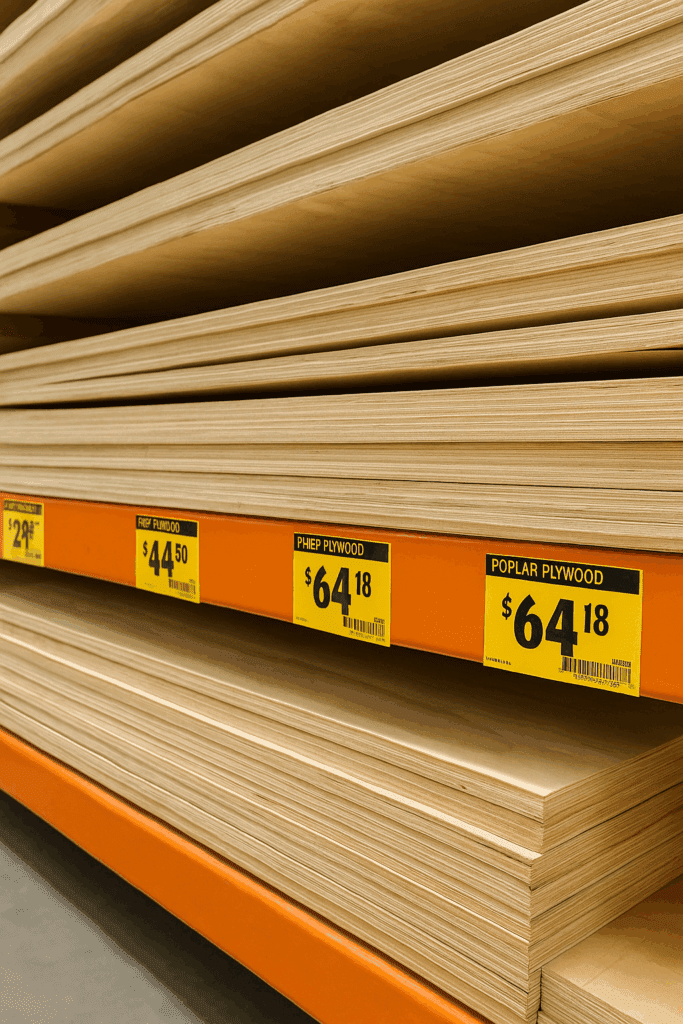
Poplar plywood usually lands in the middle of the price chart. It’s more expensive than pine but cheaper than birch, maple, or oak. For most DIYers, that makes it a sweet spot—you get a reliable sheet without having to fork over premium prices.
As of this year, you can expect to pay roughly:
1/4″ thick: $30–$40 per sheet
1/2″ thick: $40–$55 per sheet
3/4″ thick: $55–$75 per sheet
Prices swing depending on your region and whether you’re shopping at a big-box store like Home Depot or a local lumberyard. I’ve noticed lumberyards often have flatter, cleaner sheets, but sometimes the box stores run sales that are hard to ignore.
One thing to keep in mind: always budget for waste. I usually grab an extra sheet because you’ll almost always run into an off-cut, a void, or a mistake cut. Poplar isn’t as cheap as pine, so mistakes sting a little more, but it’s still easier on the wallet than botching a $110 birch sheet.
For cabinets, shelving, or shop furniture, poplar plywood gives you the best mix of price, performance, and availability. It’s not the cheapest, not the fanciest—but it’s reliable, and that’s worth paying for.
Environmental Considerations
One of the nice things about working with poplar plywood is that you don’t have to feel guilty about it. Poplar trees grow fast compared to many hardwoods, which means they can be harvested and replanted without putting the same strain on forests that slow-growing species like oak or maple do. In fact, most of the poplar used for plywood in North America comes from well-managed plantations where replanting is part of the business model.
That makes it a smarter choice if you care about sustainability. I’ve seen plenty of debate among woodworkers about exotic hardwoods—beautiful, yes, but often imported from regions where logging practices are questionable at best. Poplar, by contrast, is local, plentiful, and renewable. It doesn’t have the striking grain of mahogany or walnut, but if your project is getting painted, that’s not a dealbreaker.
Another bonus is transportation. Because poplar is sourced domestically, it usually has a lower carbon footprint compared to imported hardwood panels. That means less fuel burned just to get the material to your lumberyard.
At the end of the day, poplar plywood won’t make you feel like you’re building a luxury heirloom, but it is a responsible, affordable, and renewable option for DIY projects.
FAQs About Poplar Plywood
Q: Is poplar plywood strong enough for furniture? Yes—for cabinets, shelves, and light to medium-duty furniture, it’s plenty strong. I’ve built kitchen cabinets and a shop storage unit out of it, and both have held up for years. That said, if you’re planning a heavy workbench or a piece that’ll take a lot of abuse, birch or maple is the safer bet. Poplar’s strength lies more in its stability and light weight than in brute toughness.
Q: Does itstain well? Not really. The grain is plain, and it tends to blotch badly with stain. I tried staining a poplar cabinet door once—it looked patchy and dull. A coat of primer and paint completely turned it around, though. If you want a natural wood look, choose birch or oak.
Q: Can it be used outdoors? Not unless you specifically buy exterior-grade with waterproof glue. Standard swells quickly when exposed to moisture. I used it once on a shed divider, and it warped in the first season. Lesson learned: keep it indoors unless it’s sealed and rated for exterior use.
Q: Is poplar plywood good for beginners? Absolutely. It cuts cleanly, glues well, and doesn’t fight you like harder woods. For someone just learning how to build cabinets or shelves, it’s one of the friendliest materials to start with.
Conclusion: Is This Plywood Right for You?
Poplar plywood hits a sweet spot: more affordable than birch, more consistent than pine, and easier to work with than maple. If you’re building painted cabinets, drawer boxes, shelving, or budget furniture, it’s one of the smartest materials you can buy.
I’ve learned from years in projects where I wanted a balance of cost, ease, and reliability. It may not win beauty contests, but when the paint goes on, nobody knows the difference.
Hardwood vs Softwood: Strength, Cost and Uses by Admin February 27, 2026 Hardwood Hardwood vs softwood refers to the type of tree the lumber comes from. Hardwood comes from deciduous trees (broadleaf species), while softwood comes from coniferous…