Luan plywood is a thin, lightweight, non-structural plywood used for underlayment, cabinet backs, and paneling. It’s cheap and easy to work with, but it’s weak, moisture-sensitive, and not suitable for structural or load-bearing projects
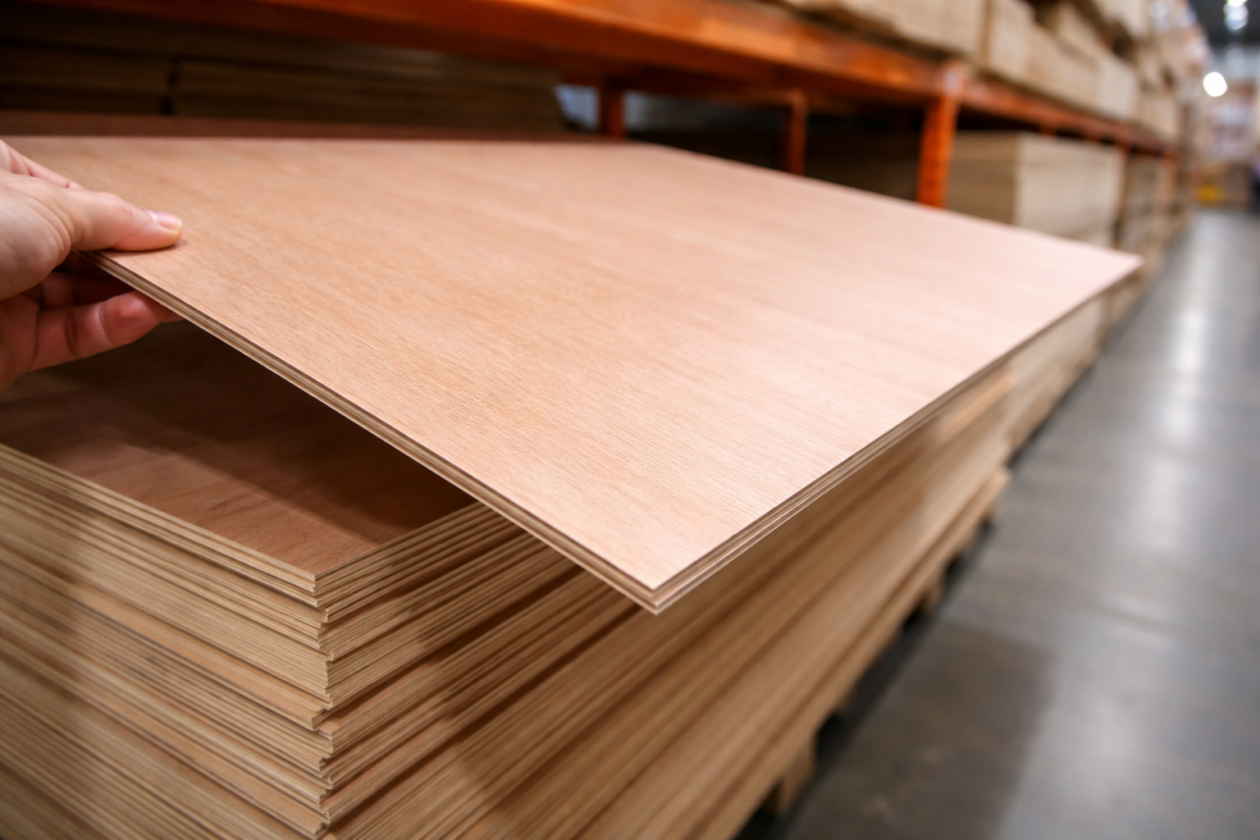
If you’ve ever grabbed a sheet of plywood at the store and thought, “There’s no way this is doing anything important,” that was probably luan. It’s thin, it’s light, and it almost feels like cardboard compared to the stuff people frame with. You can carry it with one hand and still open the door with the other.
You’ve seen it, even if you didn’t know the name. It’s under vinyl floors, tacked to the backs of cabinets, and hidden inside RV walls and cheap interior doors. It’s one of those materials that gets used a lot without much discussion.
I’ve worked with luan plenty of times. Sometimes it was exactly what I needed—flat, smooth, easy to cut, no drama. Other times, I used it because it was cheap and sitting right there on the rack, and I regretted it later. That’s usually how people figure out what luan is really good for… and what it absolutely isn’t.
This isn’t one of those “everything has a purpose” write-ups. It’s just a straight explanation of what luan plywood actually is, where it makes sense to use it, where it doesn’t, and how to avoid using it in places where it’ll fail and leave you fixing the same project twice.
Should You Use Luan Plywood? (Simple Rule)
If you’re standing in the store deciding whether to grab a sheet of luan, this is the easiest way to think about it:
✅ Use luan plywood when:
You need a lightweight, low-cost panel
The wood will be hidden or covered (under flooring, cabinet backs)
The project is non-structural
You want something easy to cut and install quickly
You’re making templates, mockups, or temporary builds
Typical examples:
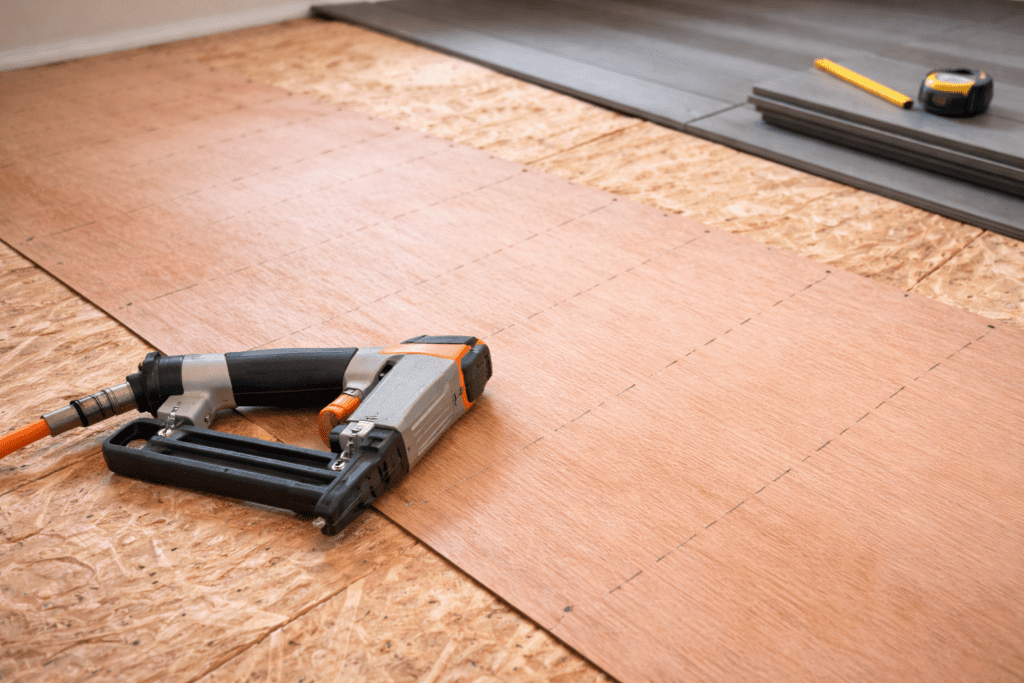
Vinyl flooring underlayment
Drawer bottoms
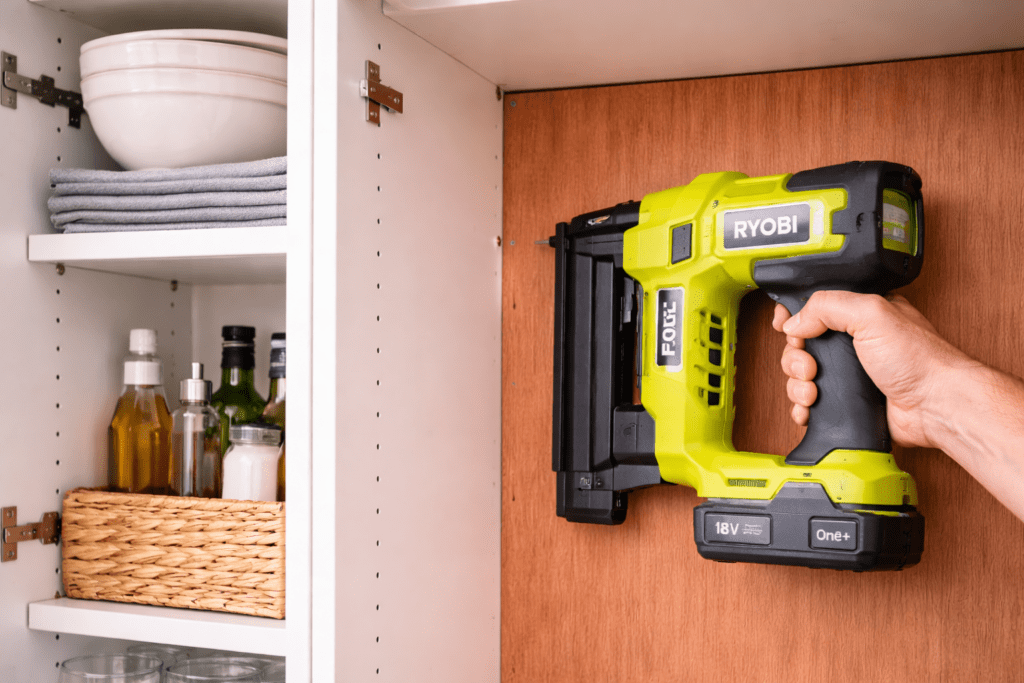
Cabinet backs
Wall paneling (interior only)
❌ Avoid luan plywood when:
The wood needs to support weight
There’s any chance of moisture or humidity
You’re building shelves, subfloors, or framing
You need strong screw-holding or durability
The project is meant to last long-term
Common mistakes:
Using luan for shelving → it will sag
Using it under tile → it will fail
Using it in damp areas → it will swell and delaminate
Bottom line:
If the material is just there to cover, smooth, or finish something, luan works well.
If the material needs to support, resist, or last, skip it and use a stronger plywood instead.
Luan Plywood: Quick Comparison (Best Uses)
Use Case
Is Luan a Good Choice?
Better Alternative
Why
Vinyl flooring underlayment
✅ Yes
—
Smooth, thin, easy to install
Cabinet backs
✅ Yes
—
Lightweight and hidden
Drawer bottoms
✅ Yes
—
Cheap and sufficient for light loads
Wall paneling (dry areas)
✅ Yes
—
Easy to cut and install
Shelving
❌ No
Birch plywood
Luan will sag over time
Subfloor
❌ No
3/4″ structural plywood
Not strong enough
Tile underlayment
❌ No
Cement board
Luan flexes and fails
Outdoor use
❌ No
Pressure-treated plywood
Moisture destroys luan
Furniture (load-bearing)
❌ No
Baltic birch
Poor strength and durability
Best Tools & Materials for Working with Luan
Product
Why It Matters
Fine-tooth plywood blade
Prevents tear-out on thin veneers
18-gauge brad nailer
Clean fastening without splitting
Construction stapler
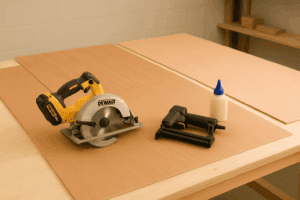
Ideal for underlayment installs
Bonding primer
Seals surface before painting
Gel stain
Reduces blotchy finish on thin veneer
What Is Luan Plywood?
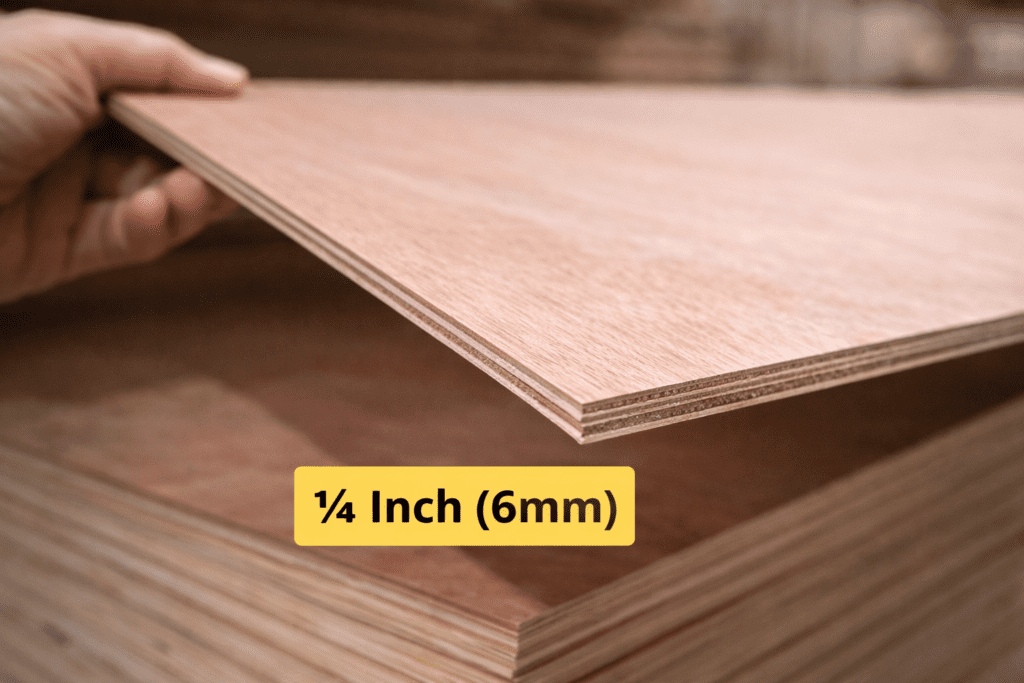
Luan plywood (also spelled lauan) is a thin, lightweight plywood made from tropical hardwood species, most commonly from Southeast Asia. It’s typically sold in ¼-inch thickness, though thinner and slightly thicker versions exist.
At its core, luan plywood is:
Low-density
Non-structural
Smooth-faced
Designed for interior use
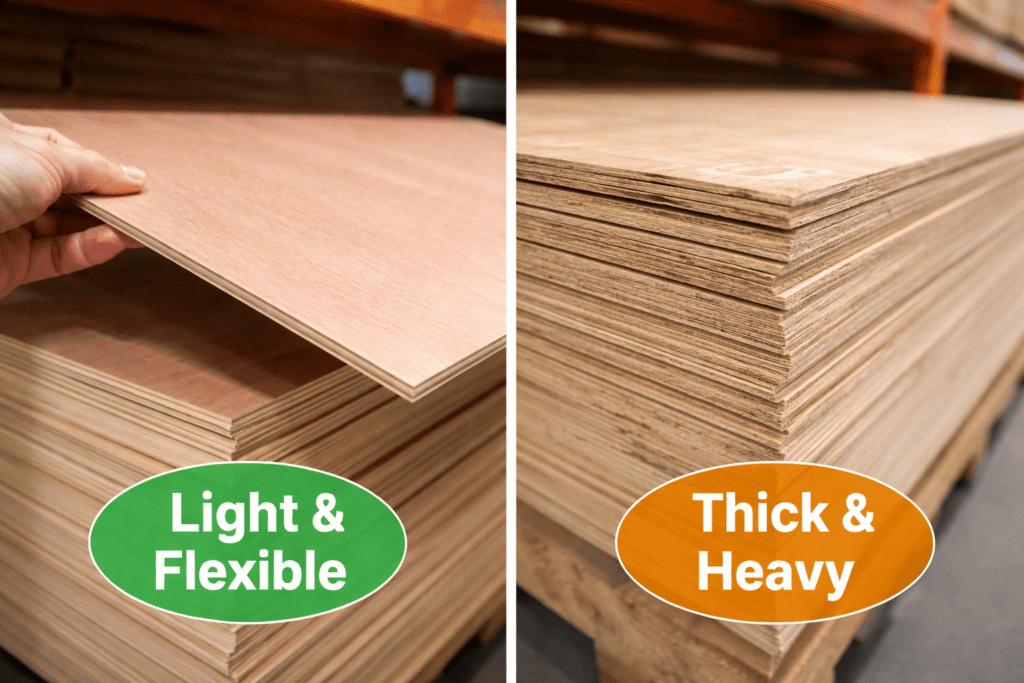
Unlike construction plywood (like CDX), luan is made to be flat and flexible, not strong. That’s why it shows up in finish work rather than framing.
You’ll often see it described as:
Lauan plywood
Philippine mahogany plywood (a trade name, not true mahogany)
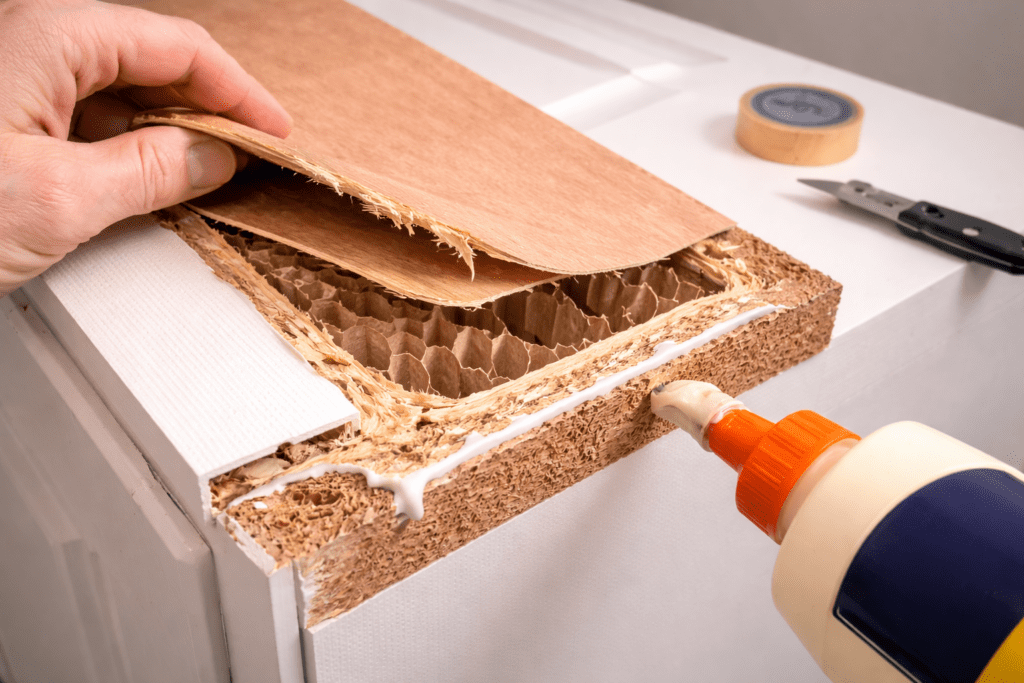
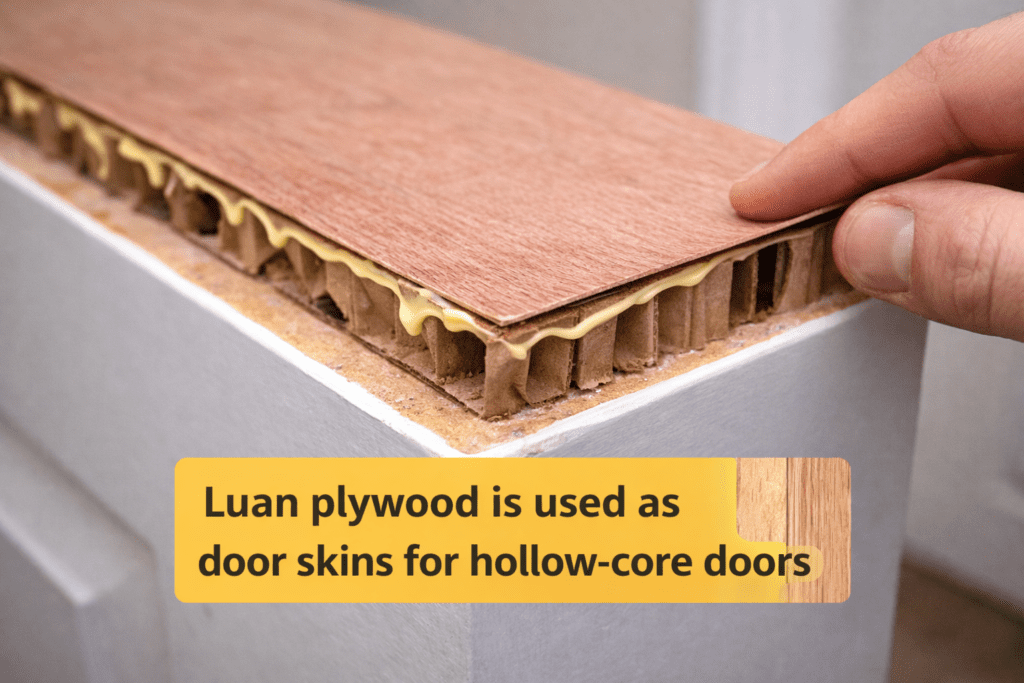
Door skin plywood
All of these names usually point back to the same general product category.
Why Luan Plywood Feels So Different From Other Plywood
The Weight (or Lack of It) Is the First Clue
The first thing most people notice about luan plywood isn’t how it looks — it’s how it feels when you pick it up. Compared to construction-grade plywood, luan almost feels hollow. You don’t brace yourself when lifting it. You don’t worry about it twisting your wrist. That lightness comes from the low-density wood species used in its veneers and the extremely thin layers.
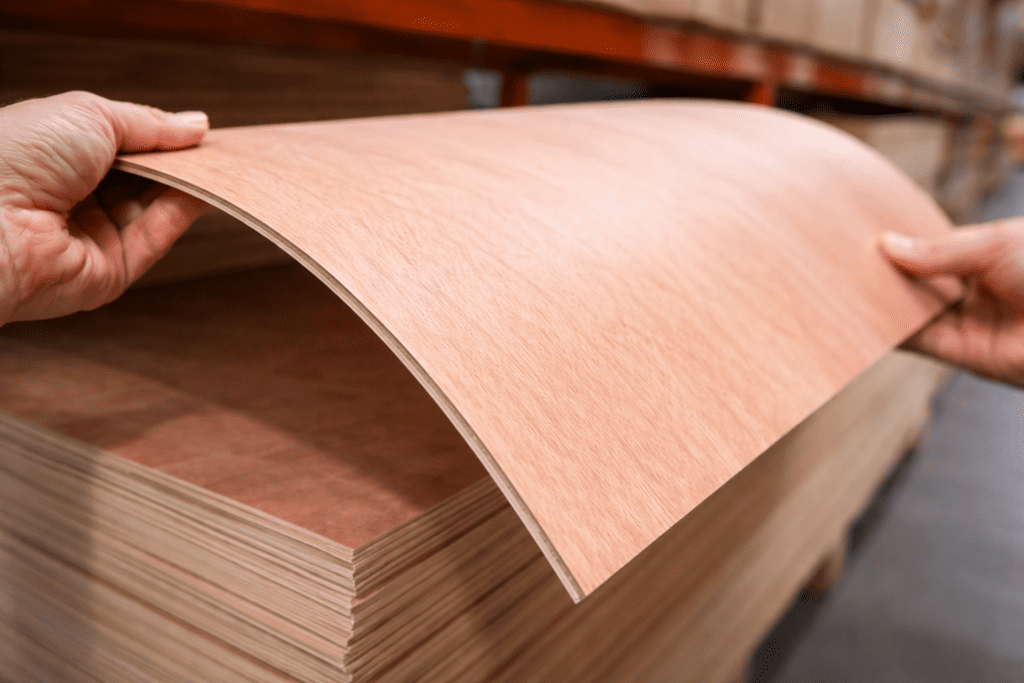
This is exactly why luan behaves the way it does. It bends more easily, it cuts with less resistance, and it doesn’t fight back when you’re stapling or nailing it into place. That can be a huge advantage when you’re working alone or trying to maneuver large sheets in tight spaces. But that same lightness is also a warning sign — it tells you right away this isn’t something meant to support weight or resist stress.
Flexibility Is a Feature, Not a Flaw
Luan’s flexibility is intentional. It’s designed to conform, not reinforce. That’s why it works so well for door skins, curved panels, and interior surfaces that need to lie flat without adding thickness. When people run into problems with luan, it’s usually because they expected it to behave like thicker plywood. It won’t — and it’s not supposed to.
How Luan Plywood Is Made
Luan plywood is manufactured from thin hardwood veneers bonded together under pressure with adhesive. Most sheets are 3-ply, though some lower-quality sheets may be inconsistent.
Because the veneers are thin and the wood species is soft compared to domestic hardwoods:
The sheet stays very light
It bends easily
It cuts cleanly with basic tools
It dents and warps more easily than stronger plywoods
The surface veneer is usually smooth, which makes luan appealing for:
Paint
Veneering
Laminate overlays
Hidden layers under the flooring
Where Luan Plywood Actually Works (and Why People Keep Using It)
Jobs Where Nobody’s Asking It to Be a Hero
Luan works best in places where nothing dramatic is expected of it. Cabinet backs are a good example. You’re not loading them up with weight or hanging anything off them — you just need the cabinet closed in so it looks finished and doesn’t feel flimsy when you reach inside. Luan does that job without fuss.
Same thing with drawer bottoms, furniture backs, and panels that exist mostly to hide wires, plumbing, or the inside of a box. In those situations, stronger plywood doesn’t really buy you anything. It just makes the piece heavier and more expensive. Luan stays out of the way, which is kind of the point.
The Stuff That Gets Covered and Forgotten
A lot of luan ends up buried under something else, and that’s not an accident. Vinyl flooring underlayment is probably the most common example. Once the floor goes down, the luan could disappear forever, and no one would know. All that matters is that it was smooth, flat, and easy to secure during installation.
It’s also handy when you’re still figuring things out. I’ve used luan plenty of times just to test a layout, make a quick template, or mock something up before committing to better material. If you mess it up, no big deal. That alone makes it useful.
Standard Sizes and Thicknesses
Most luan plywood is sold in:
4 ft × 8 ft sheets
¼ inch (6mm) thickness
You may occasionally find:
1/8 inch luan (door skins)
Slightly thicker 5mm or 6mm metric sheets
Unlike structural plywood, luan thickness can vary slightly sheet to sheet, which is important if you’re installing flooring or layering panels.
Common Uses for Luan Plywood
This is where luan really shines — when it’s used for the right job.
1. Underlayment for Vinyl Flooring
One of the most common uses for luan plywood is as an underlayment beneath vinyl sheet flooring.
Why?
Smooth surface
Thin profile
Easy to staple or glue down
Helps hide minor subfloor imperfections
That said, it should never be used under:
Tile
Stone
Hardwood
2. Cabinet Backs and Drawer Bottoms
Luan plywood is commonly used for:
Cabinet backs
Drawer bottoms
Furniture panels that won’t carry weight
Its smooth surface makes it ideal for:
Painting
Sealing
Veneering
I’ve used luan for cabinet backs where the goal was to close the box, not strengthen it. That’s the key distinction.
Luan has very poor screw-holding strength and almost no moisture resistance. Even brief exposure to water can cause:
Swelling
Delamination
Permanent warping
The Mistakes People Make with Luan Plywood
Expecting It to Act Like Structural Plywood
Most luan “failures” aren’t failures at all—they’re misuse. The problems usually start when someone treats luan like it’s just thinner regular plywood. It’s not. Shelves are a classic mistake. They look fine at first, then slowly sag, and suddenly everyone’s blaming the material instead of the decision.
The same thing happens with subfloors and tile prep. Luan feels flat, so it seems like it should work. But it doesn’t handle movement, weight, or stress well at all. When it flexes, everything on top of it suffers.
Underestimating Moisture (Even a Little)
Another big issue is water — and not even a lot of it. A little humidity, a small spill, or moisture coming up from below is enough to ruin luan. Once it swells or delaminates, that sheet is done. Sealer helps, but it doesn’t magically turn luan into exterior plywood.
When people say luan is “bad,” what they usually mean is they asked it to do something it was never meant to do. Used in the right spots, it’s fine. Used in the wrong ones, it fails quickly and makes you redo work you thought was finished.
Pros and Cons of Luan Plywood
Pros
✔ Lightweight ✔ Easy to cut ✔ Smooth surface ✔ Inexpensive ✔ Good for hidden applications
Cons
✖ Weak ✖ Moisture-sensitive ✖ Dents easily ✖ Poor fastener holding ✖ Not consistent in quality