Wood cleaning products are one of those things people don’t think much about—until something goes wrong. A hardwood floor turns cloudy. A dining table feels sticky no matter how often it’s wiped. Cabinets begin to show fingerprints immediately after cleaning.
That’s usually not dirt. It’s the cleaner.
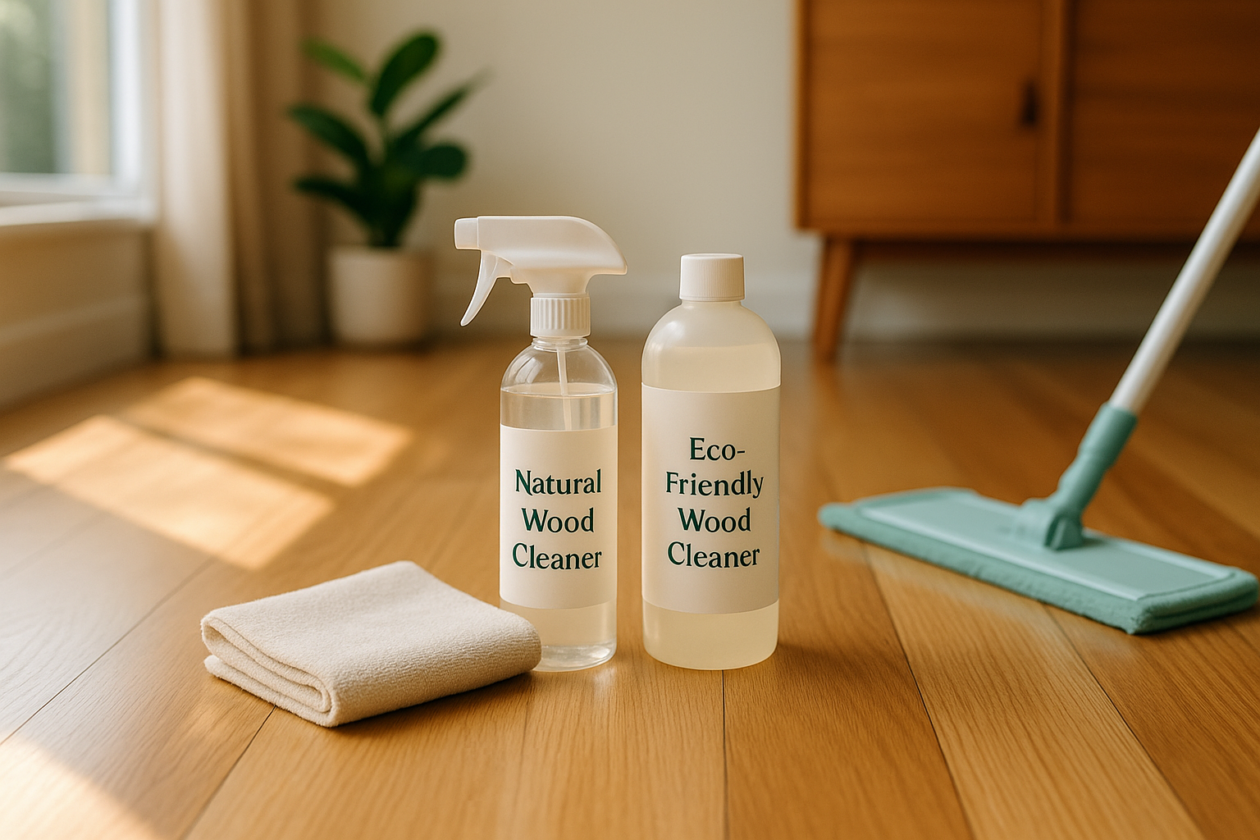
Wood doesn’t respond well to aggressive treatment. It never has. The best wood cleaning products are the ones that remove grime quietly and then disappear, leaving nothing behind to interfere with the finish. That’s why eco-friendly wood cleaning products often outperform conventional ones over time—not because they’re trendy, but because they’re restrained.
This guide focuses on what actually works, what to buy, and why some cleaners quietly ruin wood while others protect it for years.
Why Many Wood Cleaning Products Fail Over Time
Most issues with wood don’t show up right away, which is probably why so many people miss what’s happening.
You clean a floor. It looks fine. You don’t think about it much. A few days later, you notice the dust seems heavier than usual, or that footprints don’t fade like they used to. It’s not dramatic; clean again and move on. After a while, the wood begins to look tired. Not dirty. Just… off. That’s usually when people assume the finish is failing.
In many cases, it isn’t.
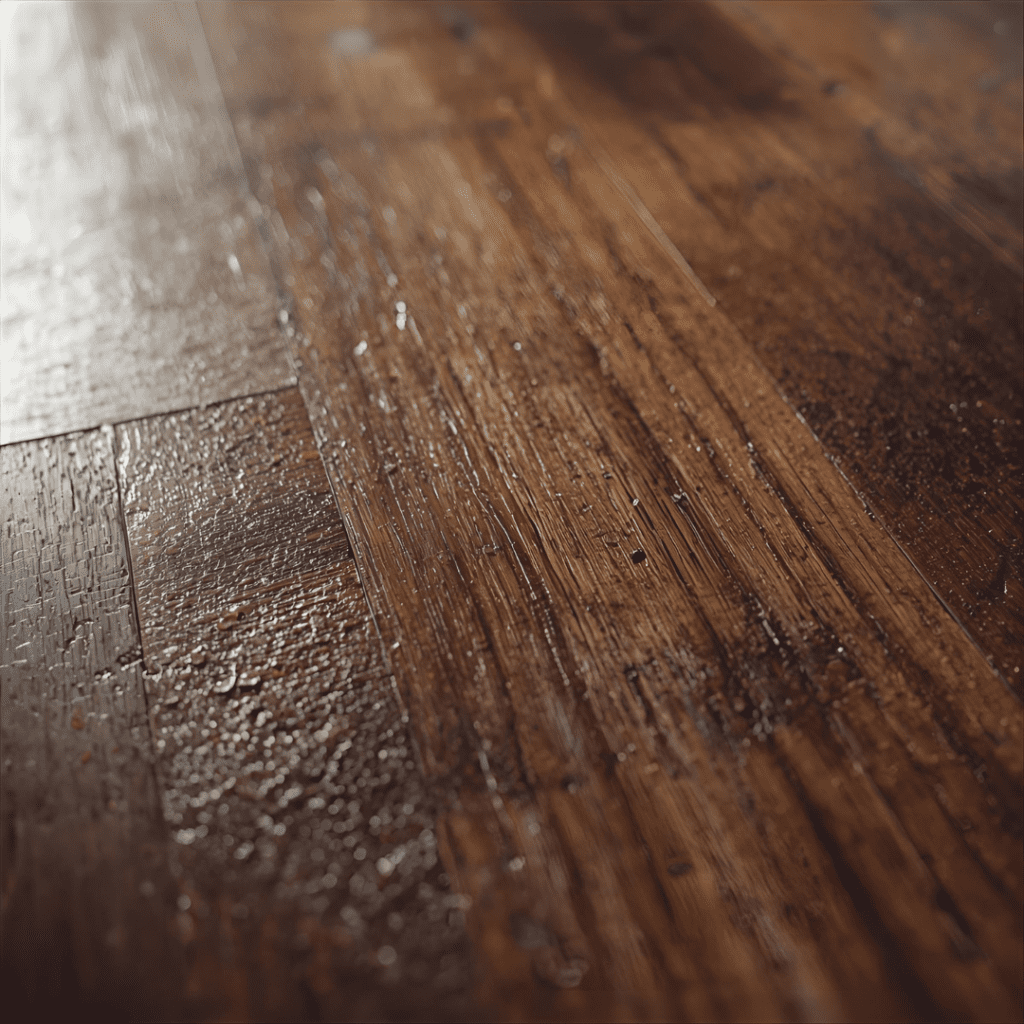
What’s happening is quieter than that. Some wood cleaning products leave behind small amounts of wax, oil, or additives meant to make the surface look better for a short time. They don’t always dry completely. You don’t notice it right away, but the surface begins to behave differently. Dust sticks. Light reflects unevenly. Moisture lingers a bit longer than it should.
Eco-friendly cleaners often avoid this, not because they’re perfect, but because they don’t try to do much. Fewer ingredients. Less emphasis on shine. They clean the surface and then step back, which turns out to matter more than people expect.
What “Eco-Friendly” Means for Wood (Beyond the Label)
Not everything labeled “natural” is suitable for wood. That sounds obvious, but it’s not how most people think about it when they’re standing in a store looking at labels.
Vinegar is the example that comes up every time. It’s cheap, it’s easy, and people have been using it forever, so it feels safe. And for a while, it is. You wipe something down, it looks clean, and nothing bad happens. The problem is what you don’t see right away. Vinegar is acidic and can dull the finish with repeated use. The surface dulls slowly. Wood dries out a bit. By the time it’s noticeable, most people blame age or wear instead of the cleaner.
The wood cleaners that behave better tend to be almost dull. You usually notice what they don’t do. No sharp scent. No thick foam. No big claims about restoring anything. They clean the surface and leave it alone. That’s usually enough.
When a cleaner smells sharp, bubbles like dish soap, or talks a lot about shine, it’s usually doing something extra. Sometimes that looks good at first. In the long term, that’s where problems start to show up.
Better Life Naturally Dirt-Destroying Floor Cleaner
Best for: High-traffic hardwood floors
Slightly stronger than Method, Better Life handles heavier dirt without altering the finish’s appearance.
Why it works
Coconut-based surfactants
No synthetic fragrance
Doesn’t leave a slick surface
Murphy Oil Soap (Original Formula)
Best for: Deep cleaning old or neglected wood
Murphy Oil Soap isn’t a weekly cleaner. When used diluted, it can occasionally revive wood that looks gray or lifeless due to years of improper cleaning.
Overuse causes buildup. This one requires restraint.
ECOS Wood Cleaner + Polish
Best for: Furniture, shelving, and cabinets
ECOS cleans thoroughly without artificial gloss. It’s perfect for finished plywood cabinets where harsh cleaners can soften edges over time.
Enzyme-based cleaners like Puracy break down grease without stripping finishes. Used diluted, it’s one of the safest options near food prep areas.
Wood Cleaner Comparison Table
Product
Best Surface
Strength
Residue Risk
Frequency
Method Squirt + Mop
Hardwood floors
Light
Very low
Weekly
Better Life
High-traffic floors
Medium
Low
Weekly
Murphy Oil Soap
Old wood
High (diluted)
Medium
Monthly
ECOS Wood Cleaner
Furniture & cabinets
Medium
Very low
Bi-weekly
Puracy
Kitchen cabinets
Medium
Low
As needed
Floors, Furniture, and Cabinets Don’t React the Same Way
Using the same cleaner everywhere sounds efficient. It rarely works out that way.
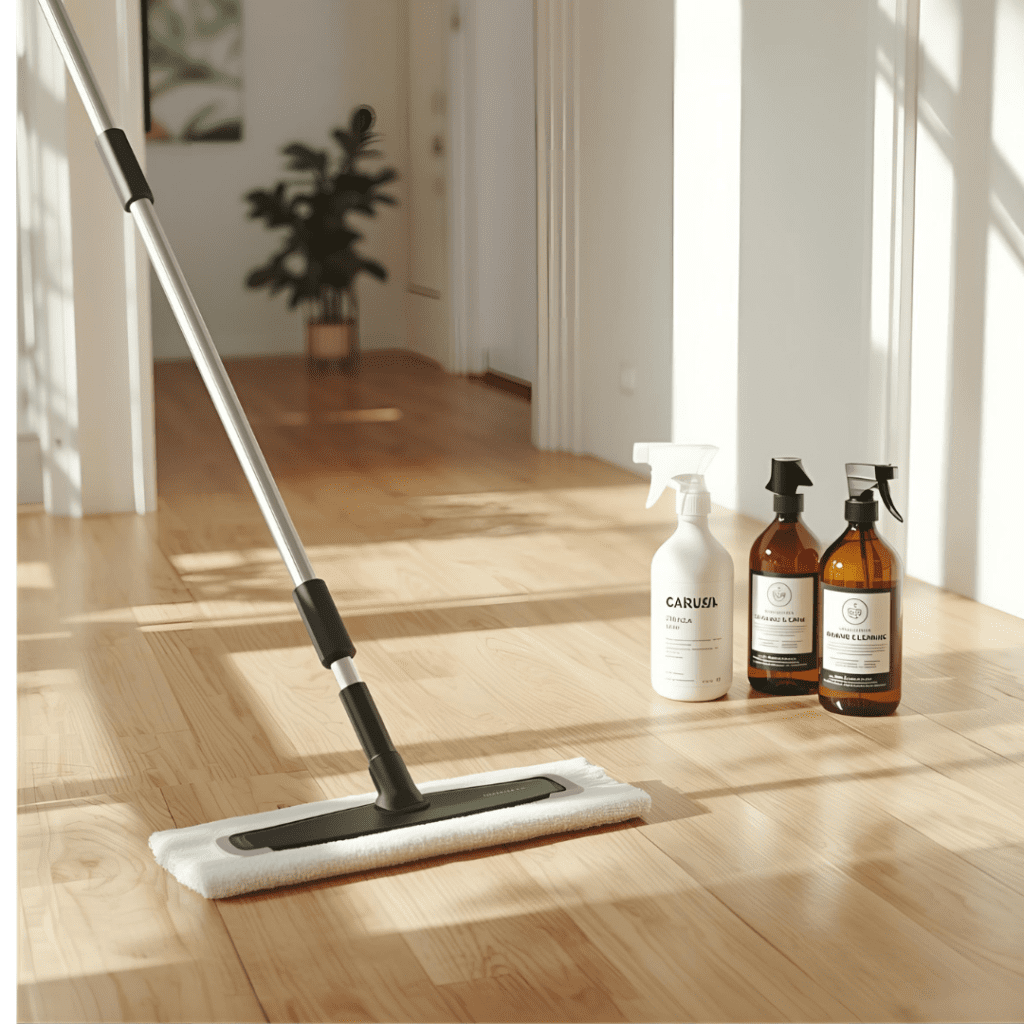
Floors are usually where people notice problems first. They are cleaned the most, so any residue builds up faster. Oils and waxes don’t really help here, even if the label says they protect the finish. What tends to work better is very little moisture and a cleaner that dries without leaving anything behind. When that doesn’t happen, floors start looking worn long before they actually are.
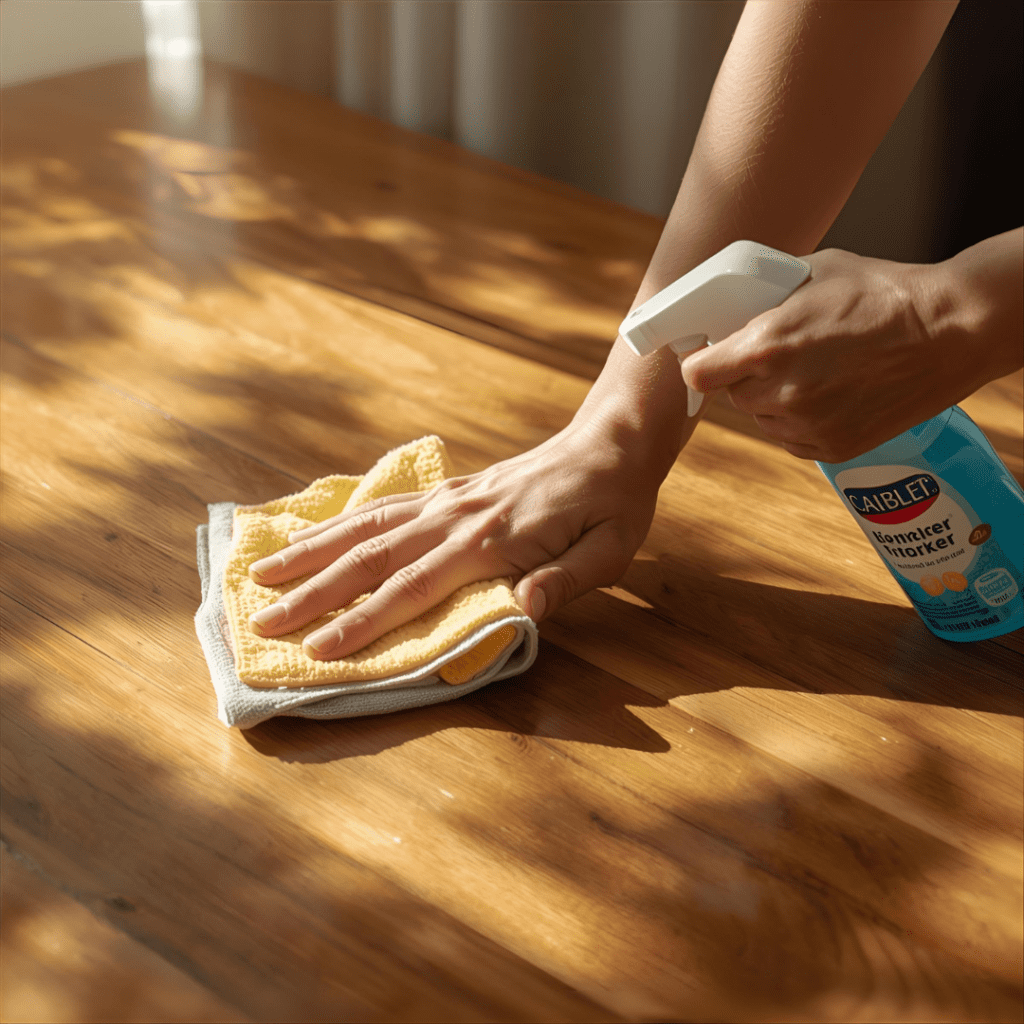
Furniture is easier to live with, but it still doesn’t like much fuss. A light wipe usually does more than scrubbing. Conditioning can help occasionally, but when it becomes routine, things go off track. Silicone sprays are especially tricky. They look good at first, then everything starts sticking to the surface.
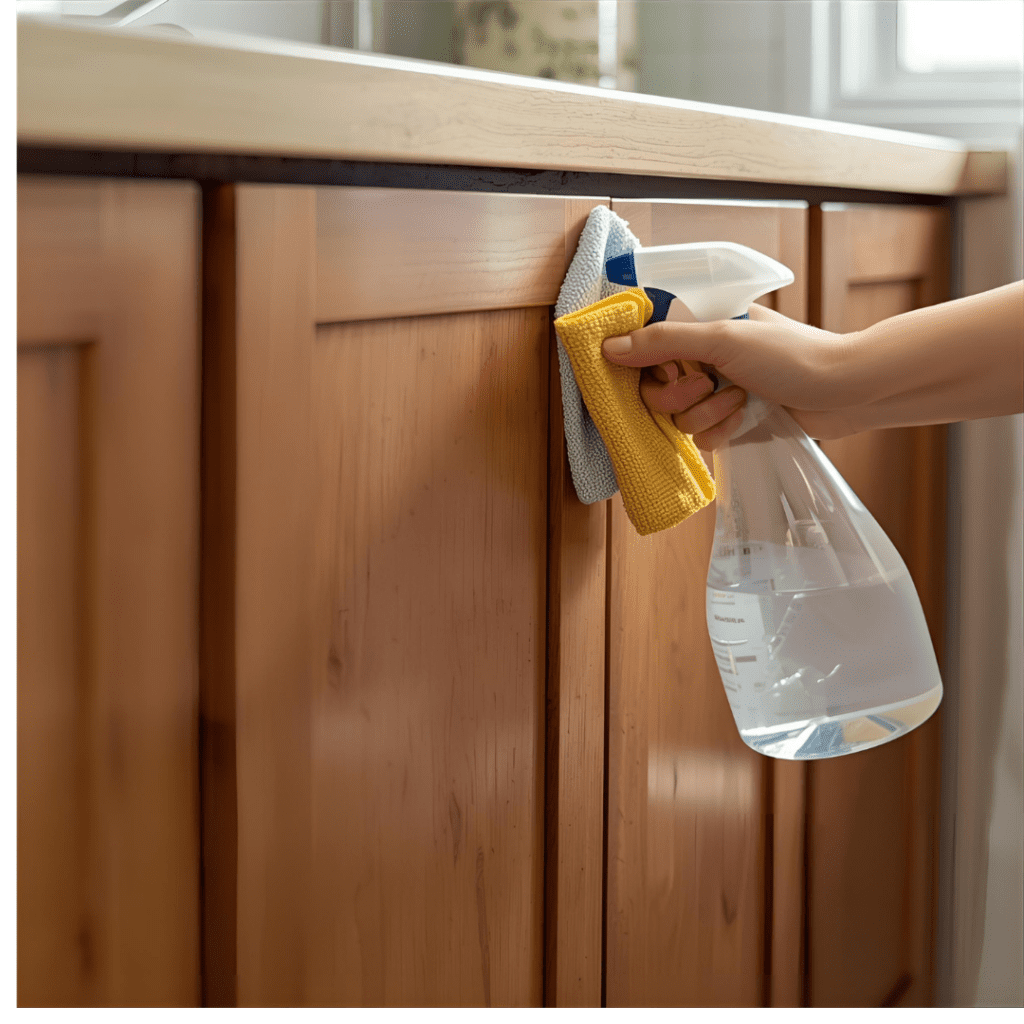
Cabinets are in their own situation. Between cooking, steam, and people grabbing them all day, they deal with more than floors or furniture ever do. They need something that cuts through grime without soaking the wood. This matters even more with finished plywood cabinets, which often have factory coatings that don’t respond well to harsh cleaners or extra water (this is where your link to the plywood cabinet guide belongs). Once cabinet edges begin to swell or soften, they’re challenging to reverse.
Different surfaces. Different problems. Same material.
How Wood Type and Finish Affect Wood Cleaning Products
It helps to consider wood surfaces in context rather than treating everything the same. Plywood cabinets, for instance, are usually finished at the factory, and those finishes don’t always react well to cleaners that work fine on solid wood furniture. That’s one reason cabinet-safe products matter more than most people expect (link this to your cabinet article). Floors are similar in that way. Good hardwood floor care isn’t about cleaning harder or more often—it’s about preventing moisture and residue from slowly wearing down the finish (link to your floor guide).
If you’ve ever noticed that some wood seems to age gracefully while other surfaces turn dull or uneven, it often comes back to the wood finishes involved and how they’re handled day to day, not the wood itself (link this to your finishing article). For people who prefer a more hands-on approach, occasional DIY wood maintenance—including natural aging techniques—can make sense when done carefully and not overused (link this to your vinegar & steel wool post). It works best as a supplement, not a replacement, for regular, gentle cleaning.
Are DIY Wood Cleaners a Good Idea?
Sometimes—but rarely long-term.
DIY solutions are unpredictable. Vinegar dulls finishes. Oil mixtures attract dust. They often look good immediately and age poorly.
Store-bought eco-friendly wood cleaning products are safer because they’re consistent.
Consistency matters.
How Often Should Wood Be Cleaned?
Over-cleaning is one of the most common causes of finish failure.
Surface
Cleaning Frequency
Hardwood floors
Weekly
Furniture
Every 1–2 weeks
Cabinets
Monthly
High-touch areas
As needed
Dry dusting between cleanings significantly reduces wear.
The Biggest Mistake People Make With Wood Cleaning Products
Too much water.
Even the best wood cleaning product can’t protect wood that’s soaked. Use a damp cloth, never a wet one. If water pools, it’s already too much.
Most “chemical damage” attributed to cleaners is actually moisture-related.
Final Thoughts on Choosing Wood Cleaning Products
If a wood cleaner dramatically changes how wood looks immediately, be skeptical.
The best wood cleaning products don’t announce themselves. They protect finishes and allow wood to age naturally.
That’s the real goal.
Questions People Always Ask About Wood Cleaning Products
People tend to ask the same things once they start paying attention to how wood reacts to cleaning. Typically, it comes after something no longer looks right.
One of the first questions concerns safety—what’s safe to use without damaging anything. In most cases, low-residue cleaners with a neutral pH are the safest option, especially for hardwood floors. Products designed for wood tend to perform more consistently than general household cleaners.
Another common concern is whether eco-friendly wood cleaning products are sufficiently effective. They are, just in a different way. Instead of stripping everything off the surface, they remove dirt and oils without compromising the finish beneath. That’s why they tend to perform better over time, even if they don’t deliver dramatic results right away.
Vinegar is also ordinary. Used occasionally and diluted, it usually won’t cause immediate damage. The trouble starts when it becomes a regular habit. Because it’s acidic, repeated use can slowly dull finishes and dry out wood fibers, which isn’t always apparent until much later.
Cabinets raise their own questions, primarily because they are exposed to grease and moisture every day. The safest approach is to use a mild cleaner, use minimal water, and dry the surface immediately. Soaking edges or allowing moisture to sit is where cabinet finishes begin to fail.
Regarding cleaning frequency, hardwood floors don’t require as much attention as people think. Weekly cleaning is usually enough. More than that often leads to buildup rather than improved results, especially if the cleaner leaves residue.
Best Basement Wall Systems: 7 Options Compared by Admin August 27, 2026 DIY The best basement wall systems do more than cover bare concrete. A properly designed wall assembly must control moisture, reduce condensation, insulate the foundation, provide…