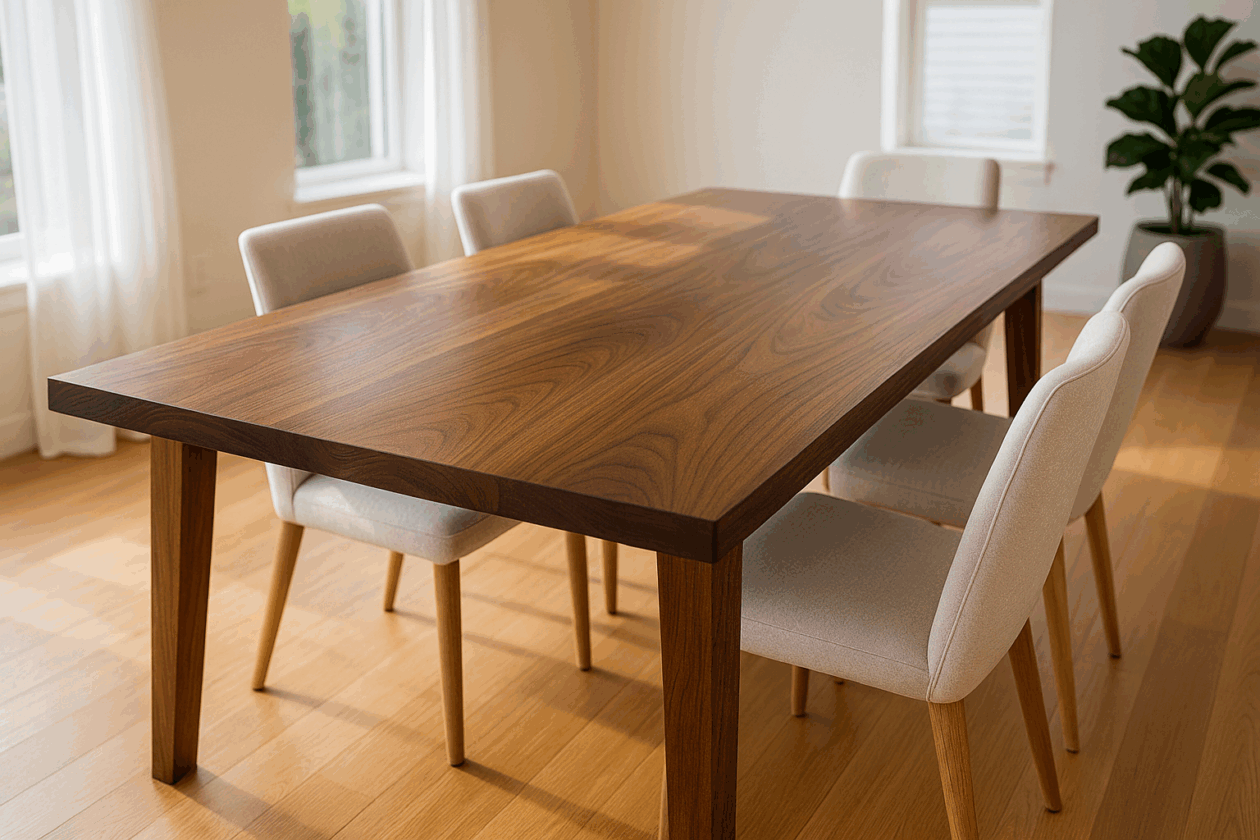
A walnut table is more than a place to set your dishes or coffee mugs—it’s often the piece that ties a whole room together. Woodworkers and designers prize walnut for its deep brown tones, striking grain, and long-lasting strength. While lighter woods often need dark stains to stand out, walnut shows off its natural character with nothing more than a clear coat of oil.
When built with care, a walnut table isn’t just furniture—it can become the kind of heirloom that moves from one generation to the next. Whether you picture a wide dining table for family dinners, a simple coffee table with clean lines, or a sturdy desk for your office, walnut has the right mix of elegance and durability to fit the role.
Walnut Wood: What Makes It Special
Before diving into table types, it’s worth understanding why walnut is in such high demand:
Color Variations – Walnut ranges from pale brown sapwood to deep chocolate heartwood. With age, it develops a beautiful patina.
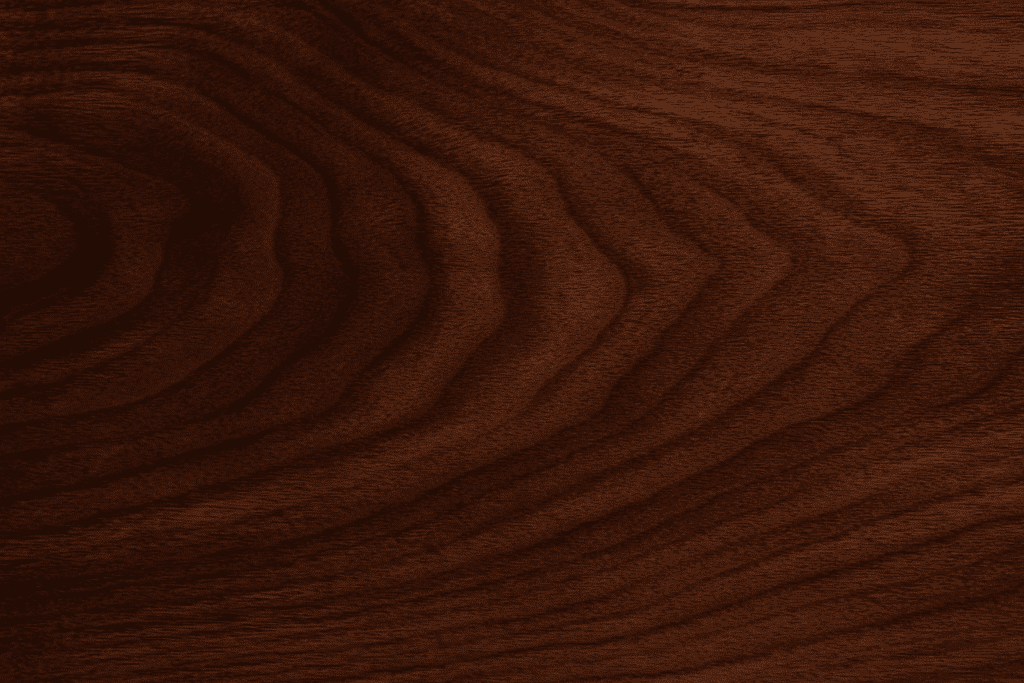
Grain Character – Straight, wavy, or curly patterns give each walnut table a unique look.
Durability – It resists warping and holds up well to daily use. Unlike plywood, it’s less prone to delamination or surface dents.
Workability – Cuts smoothly, glues well, and finishes beautifully.
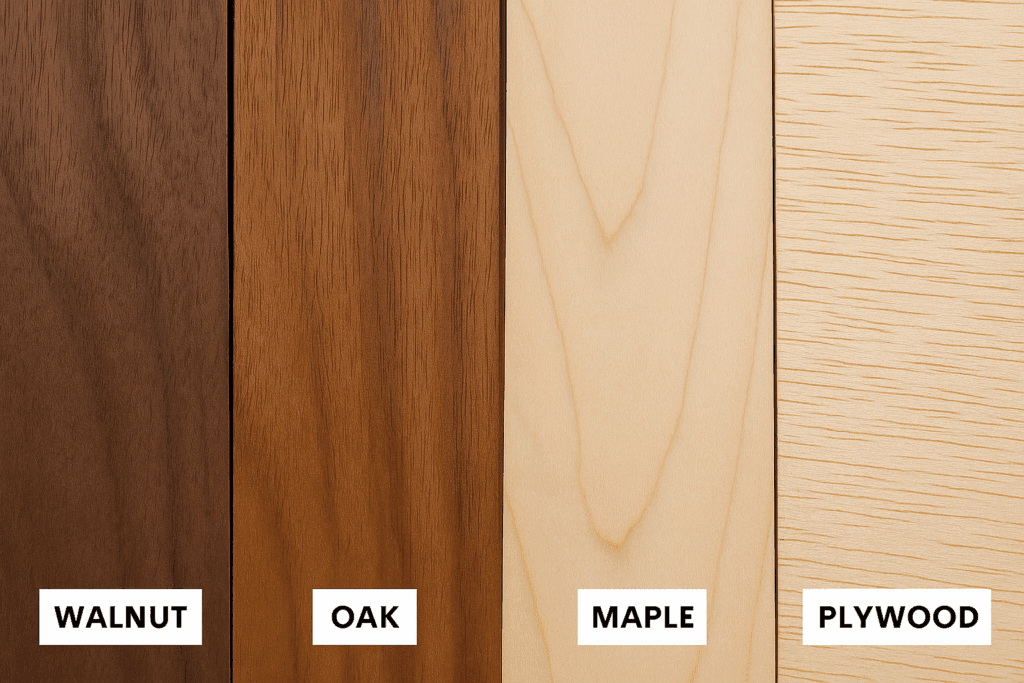
Compared tomaple or oak, walnut has a darker, warmer tone. Compared to plywood (see plywood pricing), it’s costlier but brings natural authenticity that engineered wood can’t match.
Types of Walnut Tables
Walnut Dining Table
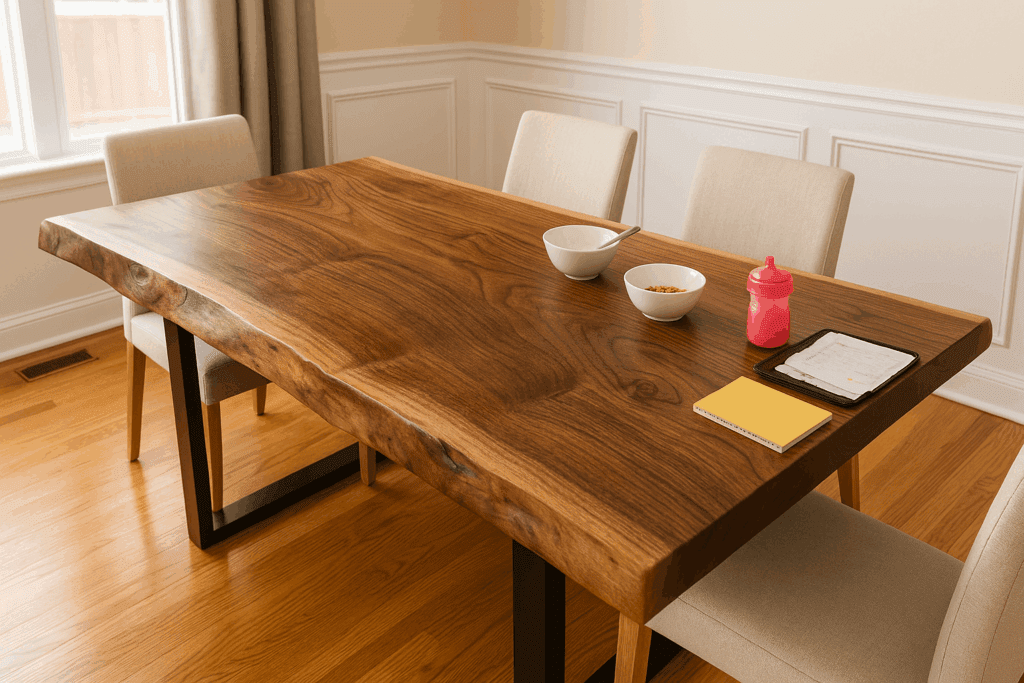
Walnut dining tables weigh them—literally and visually. A buddy of mine bought one, and moving it into his apartment took four of us plus a pizza bribe. Once it was set down, though, it looked incredible: dark, silky, with the kind of grain that makes you stop and run your fingers across it. The live edge curved just enough that it didn’t feel machine-made, which I loved. And the funny thing? By the next morning, it was covered in cereal bowls and school papers. That’s the charm—walnut can handle the chaos of daily life and still look like a showpiece when you clear it off.
Walnut Coffee Table
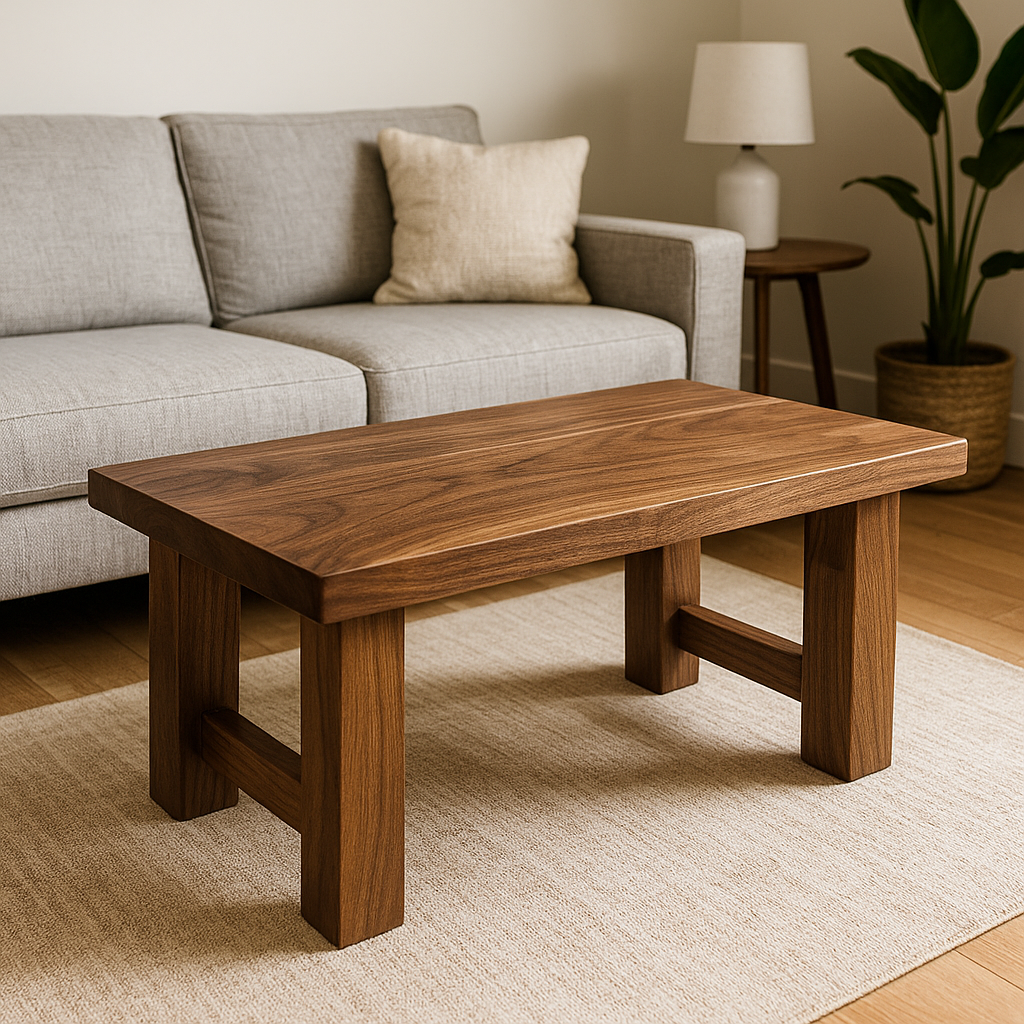
I used to think coffee tables didn’t matter—just a place to dump remotes. Then I found a squat little walnut one at a flea market, polished it up, and suddenly the living room felt “finished.” The wood catches light in ways you don’t notice until you’ve lived with it. Walnut doesn’t shout; it hums quietly in the background. Some people go modern with thin metal legs (I tried that once, didn’t love it—too wobbly). I went back to chunkier wood legs, and it felt sturdier, like the table belonged there instead of floating around.
Walnut Desk
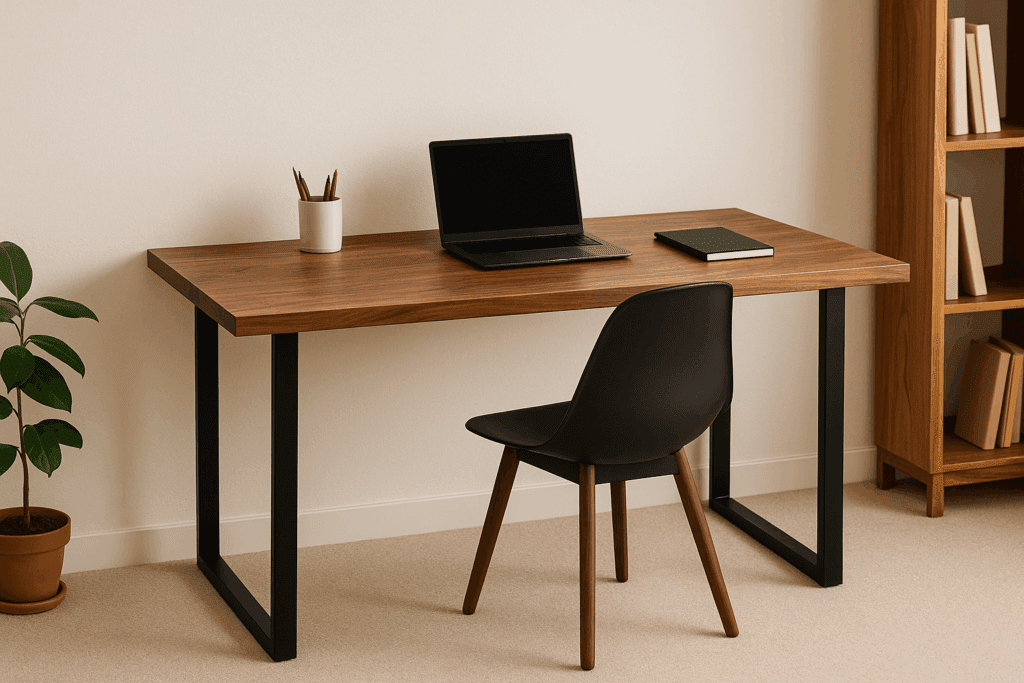
A walnut desk changes the mood of a room. My first was just a slab on black pipe legs, and honestly, it made my home office feel like an upgrade. I didn’t realize how much a cheap laminate top was bothering me until it was gone. Walnut has this way of looking professional without being sterile—it’s warm but still serious. One friend has the traditional style, drawers and all, and it looks like it belongs in a law office. Mine’s plainer, but I like that; it fits my work style. Strong enough for stacks of books, but not so polished I’m afraid to scuff it.
DIY Walnut Tabletop
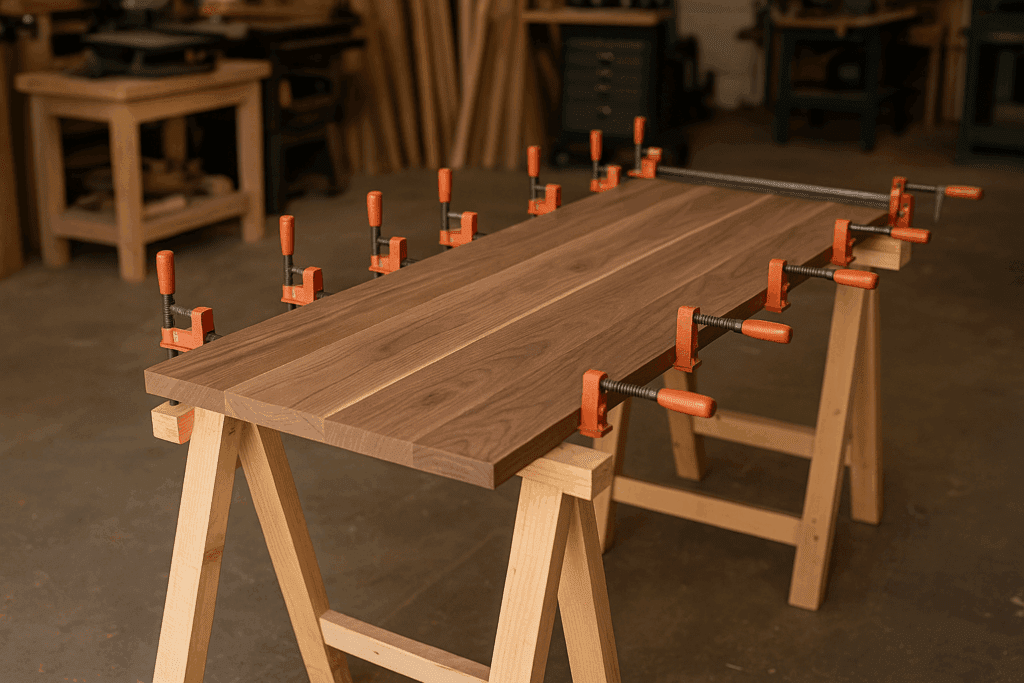
Making your own is a different beast. I’ll warn you—walnut isn’t cheap. I hesitated for weeks before buying the boards. Once I did, though, and laid them out on sawhorses, I knew I’d made the right call. The smell when cutting walnuts is unforgettable—sweet, almost earthy. Glue-ups were messy (I learned you can never have enough clamps), and sanding felt endless. I stopped at 180 grit once, regretted it, then went back up to 220. The first swipe of oil made the grain pop so dramatically that I grinned like a fool in my garage. I added hairpin legs, but I’ve seen folks do epoxy rivers, live edges—you name it. The thing about building one yourself is, even if it’s not perfect, it’s yours. Every ding and scratch has a story baked in.
How to Build a DIY Walnut Table
Pick the right boards
Don’t just grab the first slab you see—prop it up in the light and really look at the grain. Walnut can hide cracks along the edge, and sapwood always sneaks in.
Some people hate the lighter streaks, but I actually leave a bit in. Gives the table personality.
Price isn’t friendly (I usually pay $12–$25 per board foot), but one beautiful piece beats three mediocre ones.
Gather your tools
A track saw is my go-to; easier than wrestling a full sheet through the table saw.
Planer and jointer? Lifesavers. They turn a headache into a smooth glue-up.
Orbital sander for the finish work—don’t skimp on fresh sanding discs.
And clamps. Seriously, you’ll never have enough. I once tried to glue a panel with four, and the whole thing bowed like a banana. Lesson learned.
Glue-up and assembly
Cut and joint the boards until they sit flush.
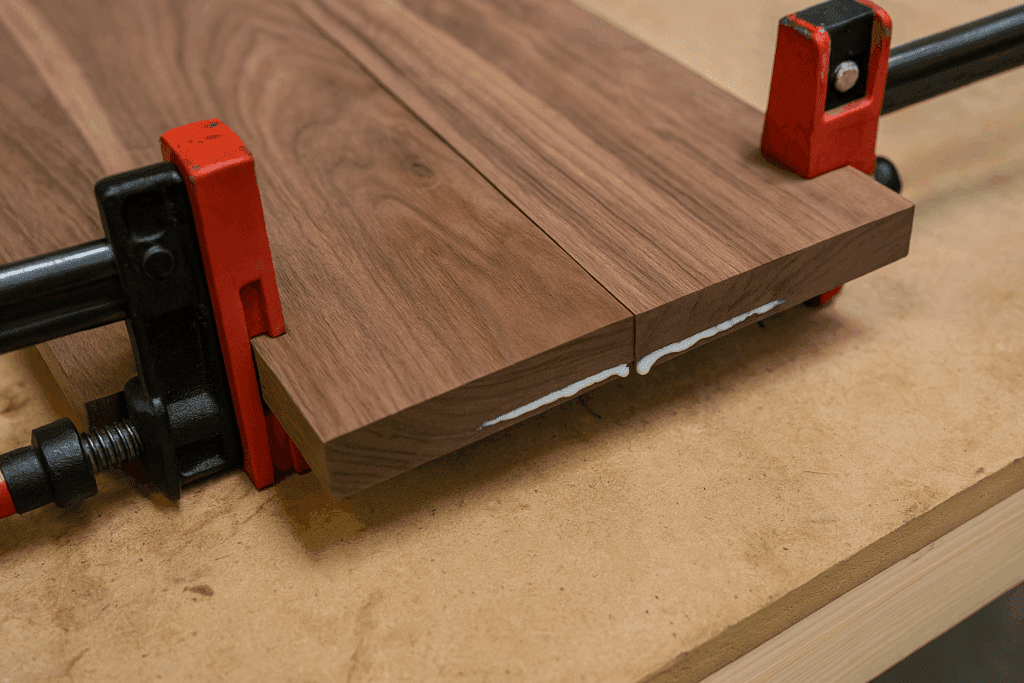
Spread glue, line up the edges, and clamp tight. Don’t panic if the boards shift a little—they always do.
Wipe off the squeeze-out before it hardens, or you’ll be chiseling forever.
The next day, plane or sand it flat. Walnut dust has this earthy, sweet smell that sticks in the shop—it’s one of those things you remember.
Add your style
Bolt on hairpin legs for a modern look, or go heavy with a trestle base if you want tradition.
Breadboard ends not only keep the top straight but also make it look more finished.
Leaving the live edge is bold—it turns the tree’s shape into part of the design.
Cracks? Don’t toss the board. Fill them with tinted epoxy. Black looks especially sharp against walnut.
Finishing moment
The first coat of oil is the payoff—you watch the grain wake up, and it almost glows.
That’s when all the sanding, gluing, and clamp juggling finally feels worth it.
Finishing a Walnut Table
Finishing is the moment where walnut comes alive—the dull brown boards suddenly glow with depth. Different finishes give you different personalities, and the “best” one usually comes down to how you’ll use the table.
Oils soak in and make the grain pop in a way no surface coat can. Danish oil and tung oil are my favorites; they leave the wood feeling natural, not plastic.
The first swipe of oil is unforgettable—walnut darkens instantly, and the curl of the grain looks three-dimensional.
Polyurethane
If you’ve got kids dropping cups or you use the table daily, poly is insurance. It lies on a tough film that takes the abuse.
Some folks don’t like the glossy look, but you can choose satin and still get durability without the “wet countertop” vibe.
Hard Wax Oils
These sit somewhere in between—more protection than plain oil, more natural than poly.
I’ve used them on desks and coffee tables where I want the wood to feel like wood when I run my hand across it.
👉 Pro Tip: Don’t drown walnut in dark stains. It doesn’t need help. A clear finish, maybe two coats of oil, is often all it takes to show off what nature already put there.
Styling Ideas for Walnut Tables
Modern Homes
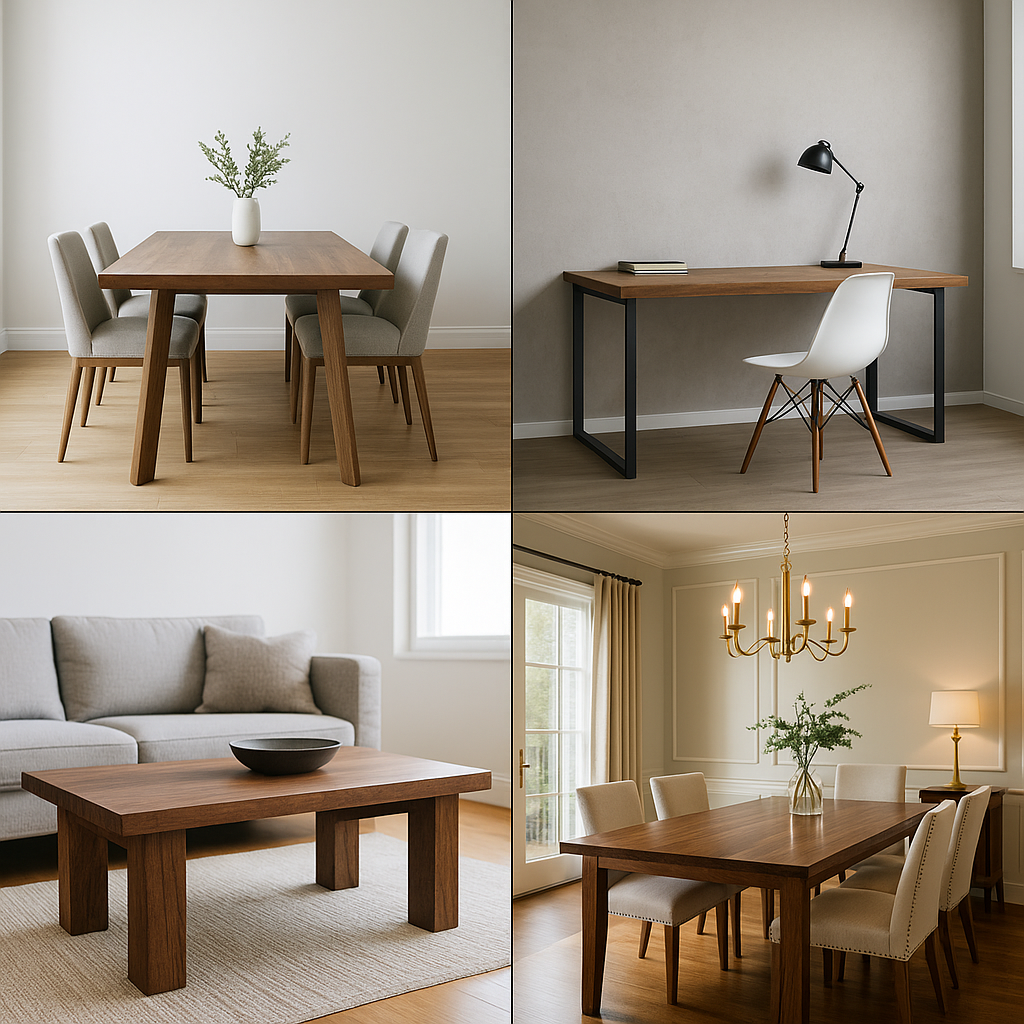
Walnut loves contrast. I’ve seen a dark, polished walnut dining table surrounded by pale gray chairs, and the effect was almost dramatic. The light fabric softens the heavy look of the wood and keeps the space from feeling too serious.
Industrial Look
Honestly, walnut and steel might be one of the best pairings. A thick walnut slab bolted to black metal legs has this rugged, downtown feel. It works in loft apartments, but I’ve also seen it make a suburban home office feel like a creative studio.
Minimalist Interiors
Less really is more here. A walnut coffee table on its own, no runner or tablecloth, calmly catches the eye. The grain pattern ends up acting like artwork—you don’t need much else in the room.
Luxury Touch
If you want a richer look, pair walnut with brass lamps or deep leather chairs. The warm brown of the wood and the soft shine of brass feel like they were meant for each other. It’s got that “high-end hotel lobby” vibe without being stuffy.
👉 For more inspiration, I like browsing Houzz’s walnut table gallery. Seeing how designers style these tables in completely different settings always sparks new ideas.
Cost of a Walnut Table
DIY Walnut Tabletop: $400–$1,200 in raw materials.
Custom Walnut Dining Table: $1,500–$5,000+.
Walnut Coffee Table: $300–$1,200.
💡 Budget Tip: If solid walnut is too expensive, consider walnut veneer over plywood. Veneer tables look authentic but cost significantly less. Check our guide to plywood for furniture for alternatives.
Care and Maintenance
Owning a walnut table isn’t hard, but it does require a bit of routine care. Think of it like maintaining leather shoes: a little upkeep makes it last for years and even improves its character over time.
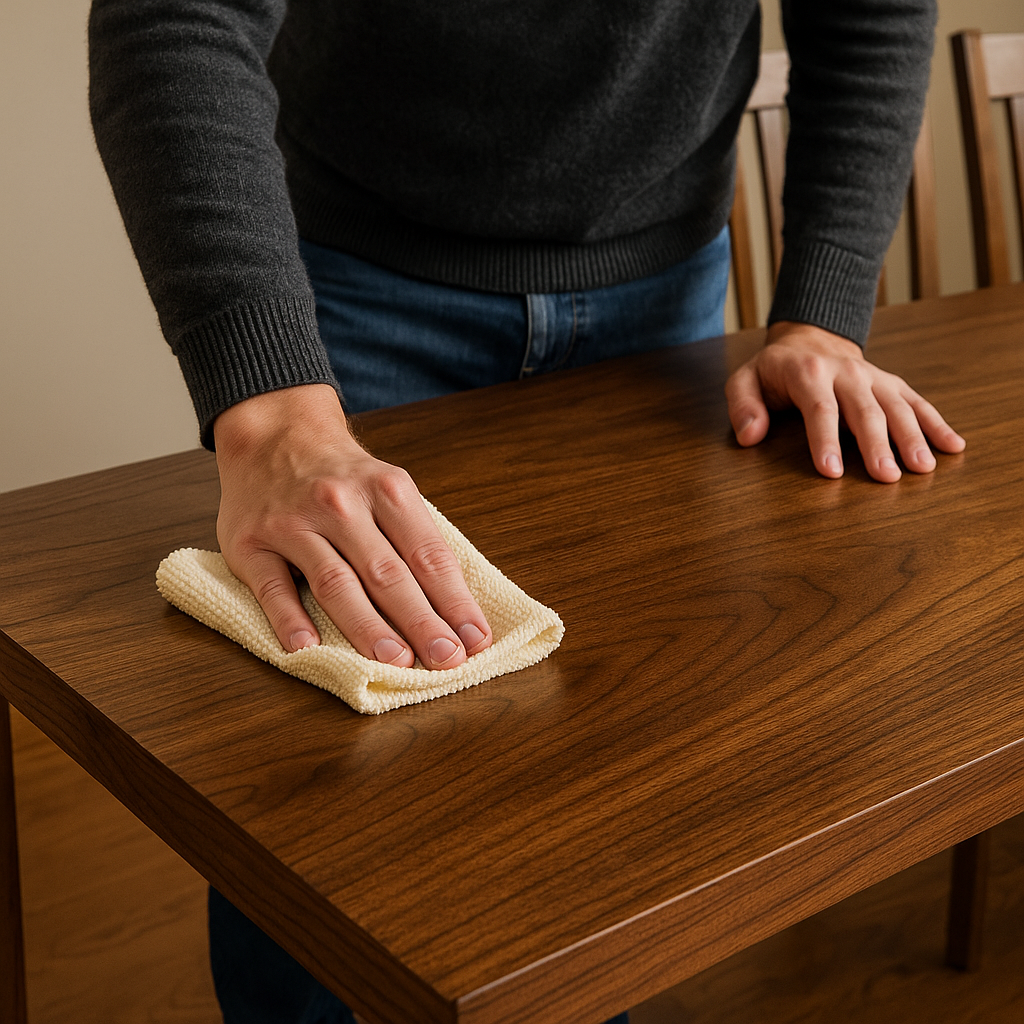
Wipe it down often
A damp cloth and mild soap are all you need. I keep an old cotton rag handy—fast, easy, no chemicals.
Skip the harsh stuff
Cleaners with ammonia or bleach will strip out the natural oils and leave the surface looking tired. Gentleness is always better.
Feed the wood
If you’ve finished it with oil, give it a fresh coat once a year. It soaks in, deepens the color, and keeps the grain lively.
Protect from daily life
Coasters, placemats, even a table runner if you’re fancy—they prevent rings and scratches. I learned this the hard way after setting down a hot mug without one.
Refresh every few years
A light sanding followed by a new finish every three to five years will make the table look practically new. Walnut develops a mellow patina over time, and a quick refinish brings out that glow.
👉 With these small habits, a walnut table doesn’t just last decades—it actually looks better the longer you own it.
Walnut Table vs Other Wood Options
Walnut vs Oak: Oak is lighter and cheaper but lacks walnut’s richness.
Walnut vs Maple: Maple is durable but has a plain, lighter grain.
Walnut vs Plywood: Plywood is affordable and versatile (see plywood grades explained), but walnut provides natural luxury.
Final Thoughts
A walnut table is more than just a surface—it’s a long-term investment in quality and design. Whether you build your own or purchase a handcrafted piece, walnut delivers unmatched elegance and strength.
If you’re new to woodworking, start with simpler projects like beginner builds before tackling a full walnut table. But if you’re ready, a walnut dining table can become the showpiece of your home.
Cabinet Grade Plywood: A Complete Buying Guide by Admin October 10, 2025 Hardwood If you’ve ever opened a cabinet door and admired how solid, smooth, and seamless it feels, chances are you were looking at cabinet-grade plywood.It’s not…