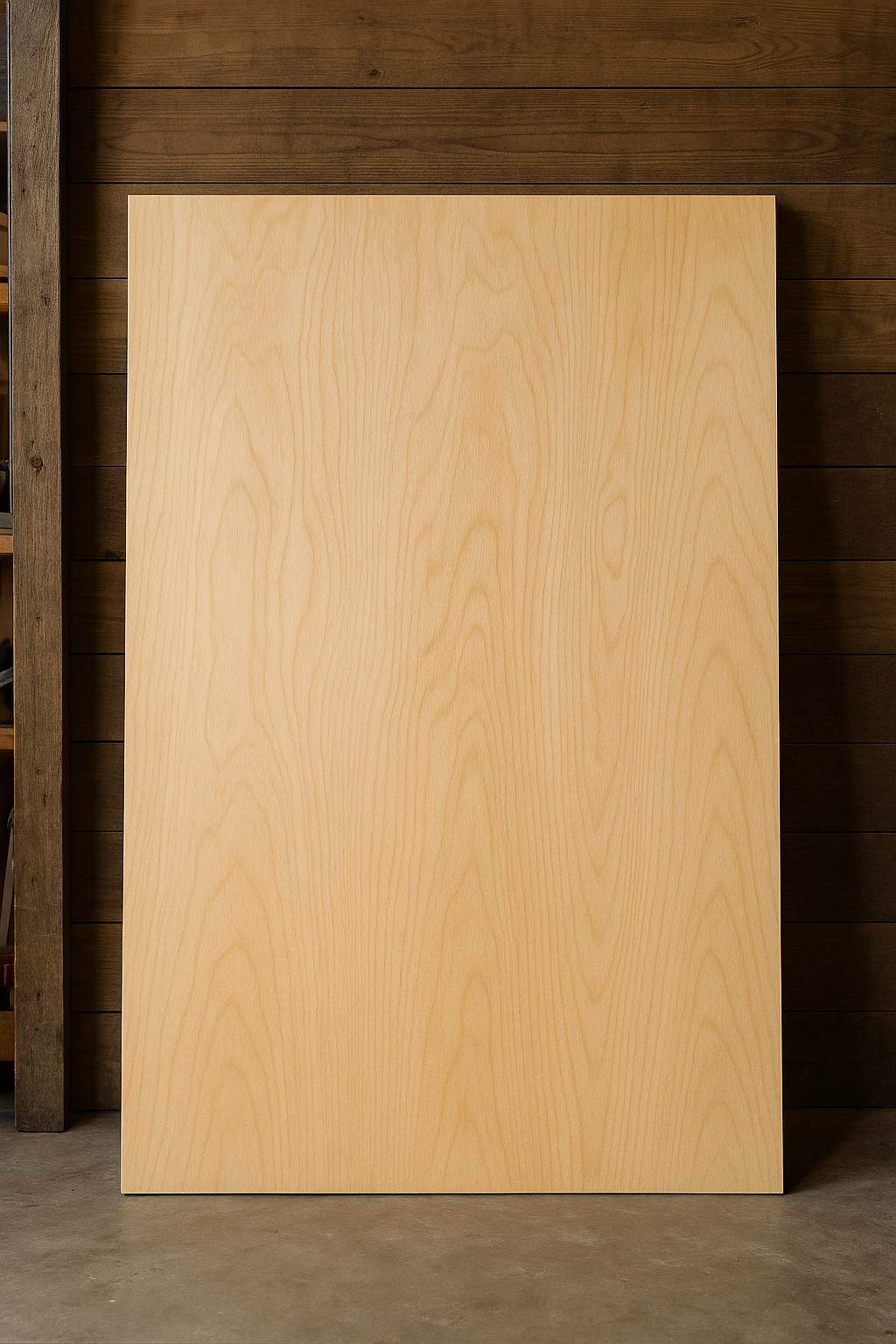
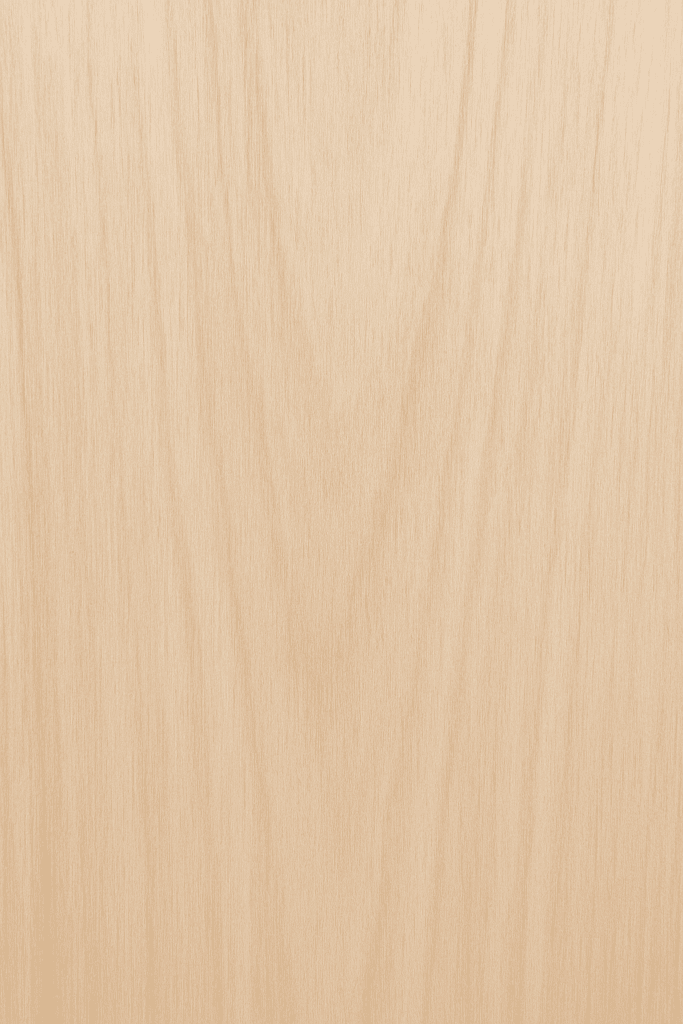
Sande plywood is a type of hardwood plywood made from tropical tree species found in Central and South America, most notably Brosimum utile, which many woodworkers know simply as “sande” or “mulberry.” The face veneer is usually light in color, with a fine, even grain that gives it a smooth surface right out of the mill. That smoothness is one of the reasons it’s such a favorite — you don’t have to spend hours sanding before it’s ready for stain, paint, or clear finish.
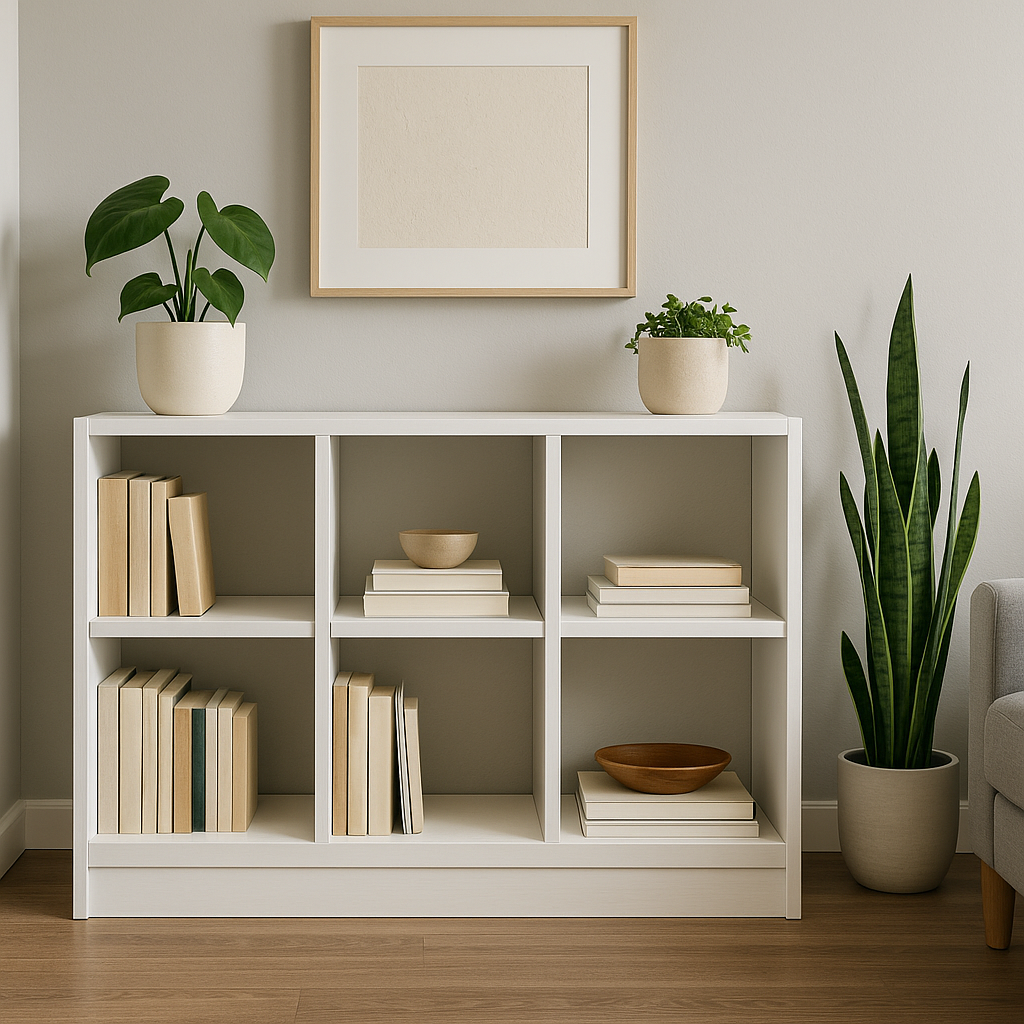
I first came across Sande plywood while working on a built-in bookcase for a client’s small home office. They wanted something that looked high-end but didn’t come with the price tag of imported mahogany or maple. The sande sheet I bought cut cleanly, didn’t splinter at the edges, and took paint like a dream. Since then, I’ve used it in all kinds of projects — cabinet doors, floating shelves, and even the interior trim of a small fishing boat.
Its versatility means you’ll see Sande plywood in furniture building, cabinetmaking, marine construction, and general home improvement projects. It’s strong enough to hold up under regular use, yet workable enough that you can cut and shape it without burning through saw blades or drill bits. While it’s not quite as dense as maple or oak, the balance of strength and workability is why so many DIY woodworkers and professionals keep it in their regular rotation.
What is Sande Plywood?
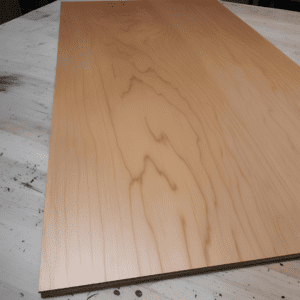
Sande plywood is a type of hardwood plywood made from tropical tree species found in Central and South America, most commonly Brosimum utile — better known among woodworkers as sande or mulberry. Its face veneer is typically light and uniform in color, with a fine, even grain that gives it a smooth surface straight from the mill. That naturally smooth finish is one of its biggest advantages, especially for projects that need a clean look without hours of sanding.
Because of its appearance and strength, sande plywood has earned a place in many different types of builds. You’ll find it in furniture making, cabinet construction, marine interiors, and countless general home improvement projects. I first used it on a set of floating shelves for a client’s kitchen, and I was surprised by how easily it cut, how clean the edges stayed, and how evenly it took a stain.
While sande plywood is not as heavy or dense as hardwoods like maple or oak, it strikes a rare balance between strength and workability. It’s sturdy enough to withstand structural pieces, yet light and forgiving enough for detailed work — a combination that makes it a favorite for both seasoned professionals and weekend DIYers.
Common Uses for Sande Plywood
I didn’t set out to be a “Sande plywood guy.” The first time I bought it, I was annoyed. My usual birch stock was gone, and the lumber yard guy wheeled out a pallet of Sande like it was the answer to all my problems. I remember thinking, This better not splinter on me.
Turned out, it didn’t. I used those sheets for a laundry shelf job — nothing fancy, just two long runs and a corner section — but by the time I rolled on the paint, I caught myself stepping back and grinning. It was smooth, didn’t soak up paint like a sponge, and felt solid in a way you notice when you lift it.
1. Cabinetry and Shelving
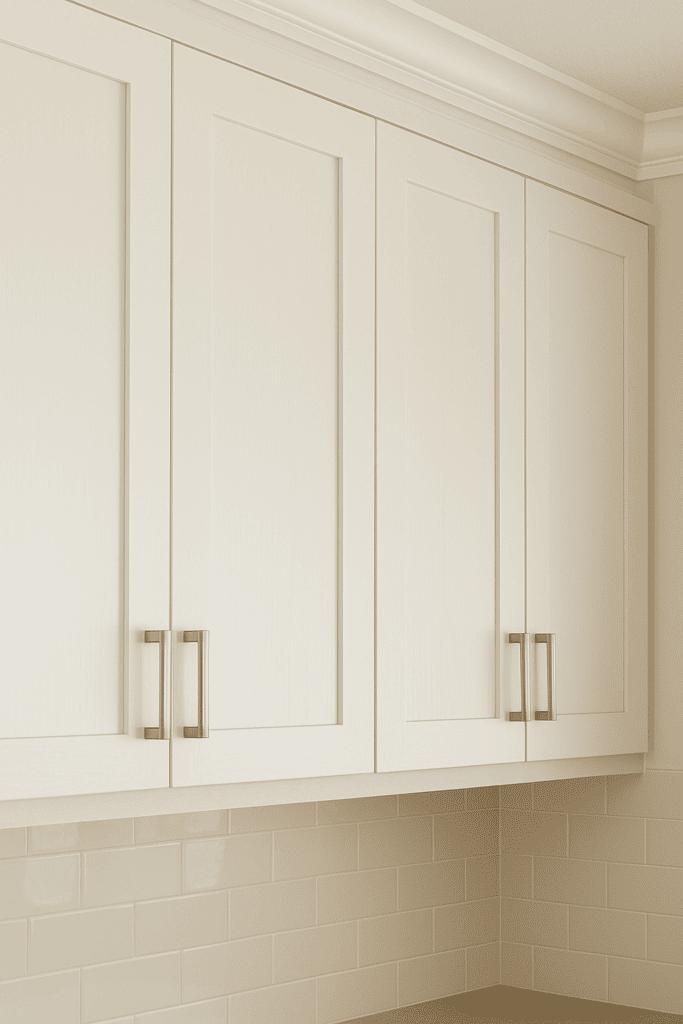
Since then, I’ve used Sande for kitchen cabinets, a basement bar, and even a row of garage cubbies for a neighbor. The thing about Sande is that it cuts cleanly. No “furry” edges, no big chunks tearing out when you rip it down on the table saw. And it paints like a dream — even with my old sprayer that sometimes spits more than it sprays.
Here’s my rule now: I don’t buy the bargain stack. If you go cheap, you’ll find patches and hidden gaps that will show up exactly when you don’t want them to. I sand with 220, round the edges just enough so they don’t catch a cloth when you wipe them, and finish with two coats of satin poly or paint. That extra half hour means the piece still looks good five years later, even after someone’s kid has run a toy truck down the face of it.
2. Furniture Making
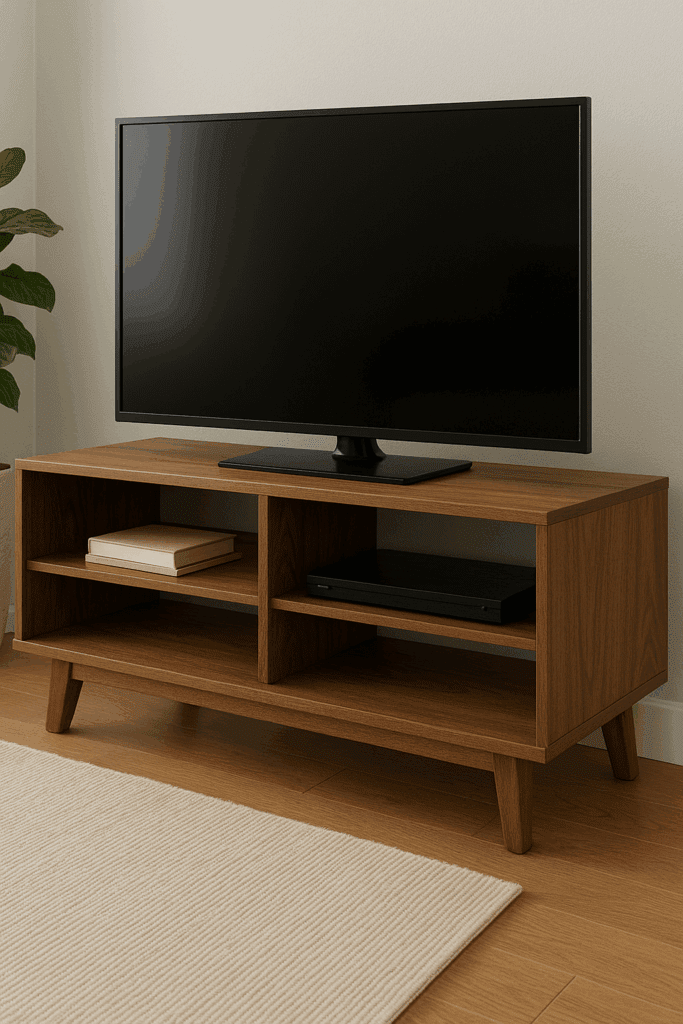
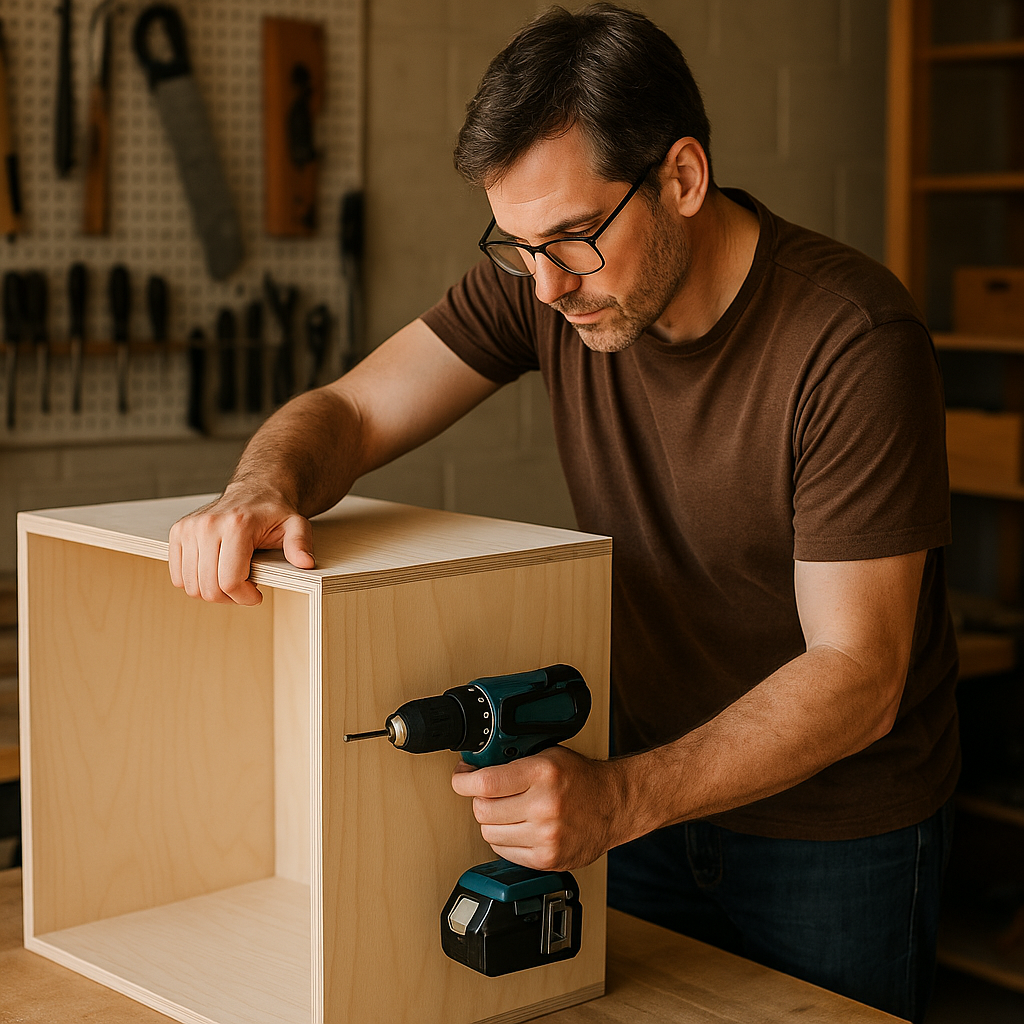
From custom desks to entertainment centers, Sande plywood has quietly become one of my go-to choices for furniture builds. The consistent density means my table saw doesn’t bog down halfway through a cut, and the joinery lines up exactly where I expect it to. I remember one project in particular — a low, modern TV stand for my brother’s living room. I cut the dados for the shelving in one pass, and everything slid together like I’d planned it for months (truth be told, I sketched it out on a napkin the night before).
It also holds screws better than some softwood plywood I’ve worked with, so I don’t have to worry about joints loosening after a year of daily use. Edge banding sticks well, stains take evenly, and if I want a painted finish, I just apply primer and go. No fuss, no drama — just clean, predictable results that make me look more organized than I am.
3. Marine Applications
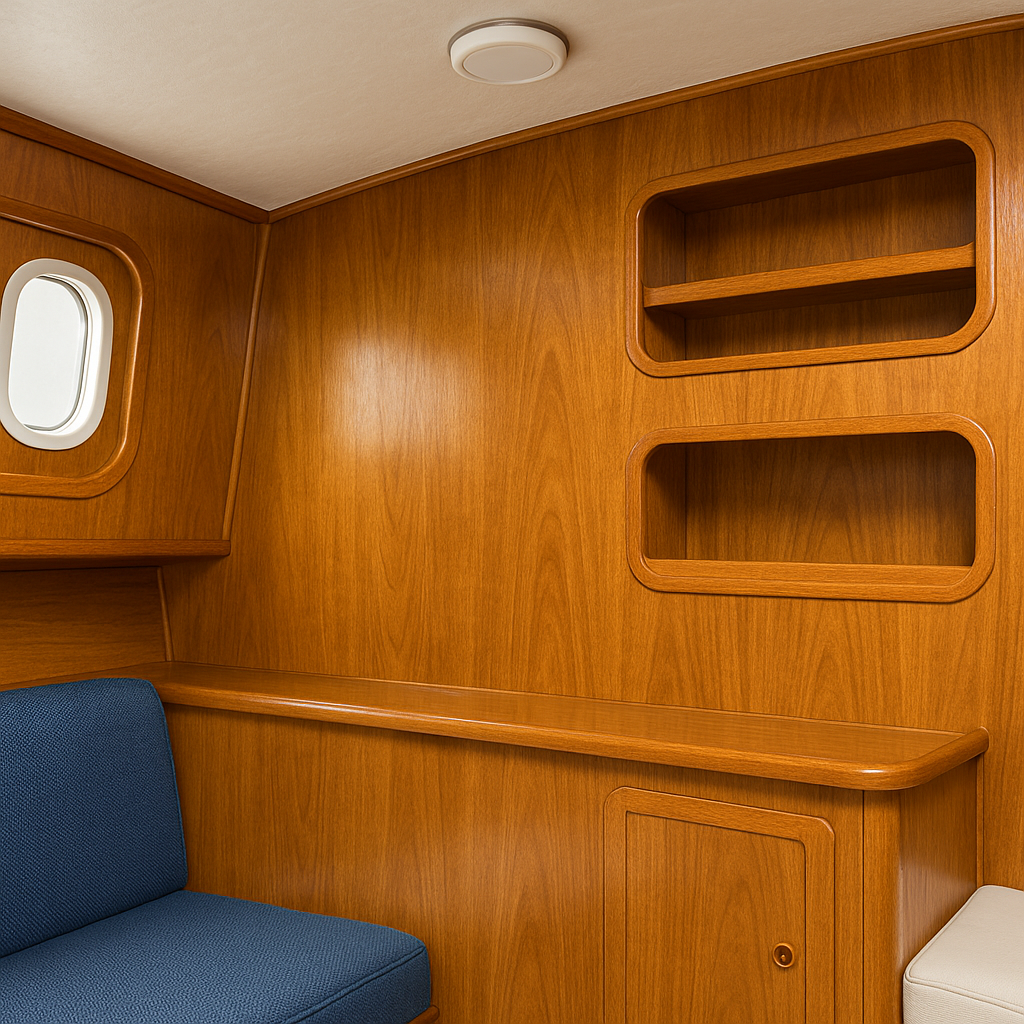
While not as rot-resistant as true marine-grade plywood, Sande holds its own in boat interiors and other protected marine environments when treated properly. I’ve used it for cabin walls, storage lockers, and even a fold-down navigation table inside a small sailboat. The trick is sealing every edge — especially the end grain — with epoxy or a good marine varnish before installation. Once sealed, it resists swelling and delamination surprisingly well. In spots that stay dry most of the time, it can last for years without complaint, and its smooth finish makes painting or varnishing a much easier job.
4. Decorative Wall Panels
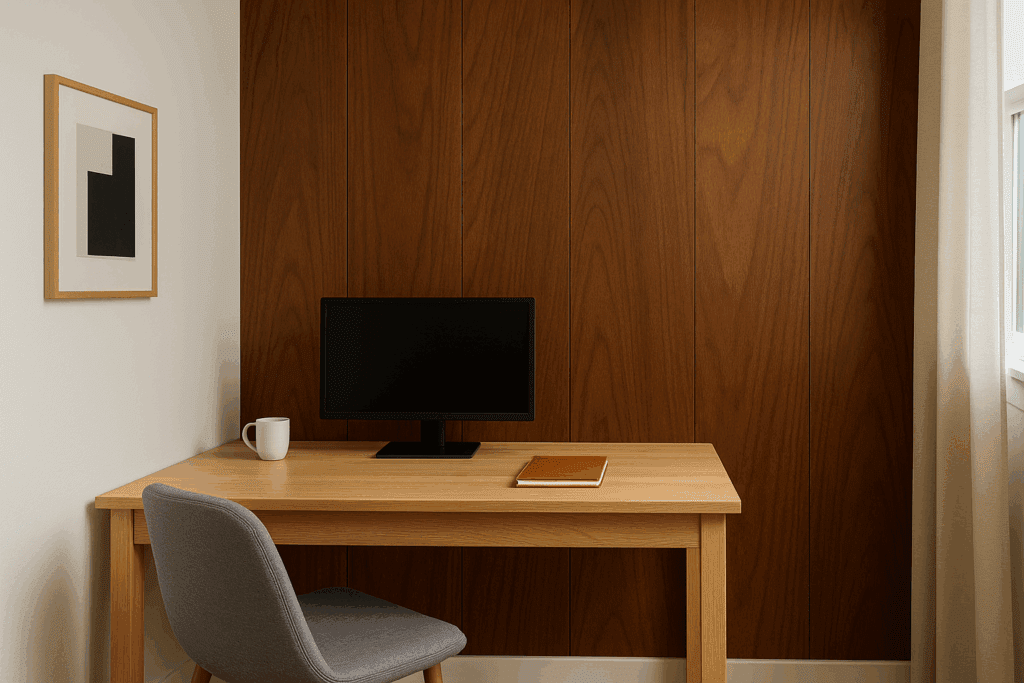
Sande plywood can be used for interior wall cladding where a high-end, warm look is desired. The fine-grain pattern takes stain evenly, making it perfect for feature walls that you want people to notice. I’ve installed it in a home office, giving the back wall a rich walnut tone that made the whole space feel more polished. It’s easy to cut for outlets and switches, and with a little planning, you can line up the grain so it flows from panel to panel. A clear satin finish works just as well if you prefer a lighter, more natural look.
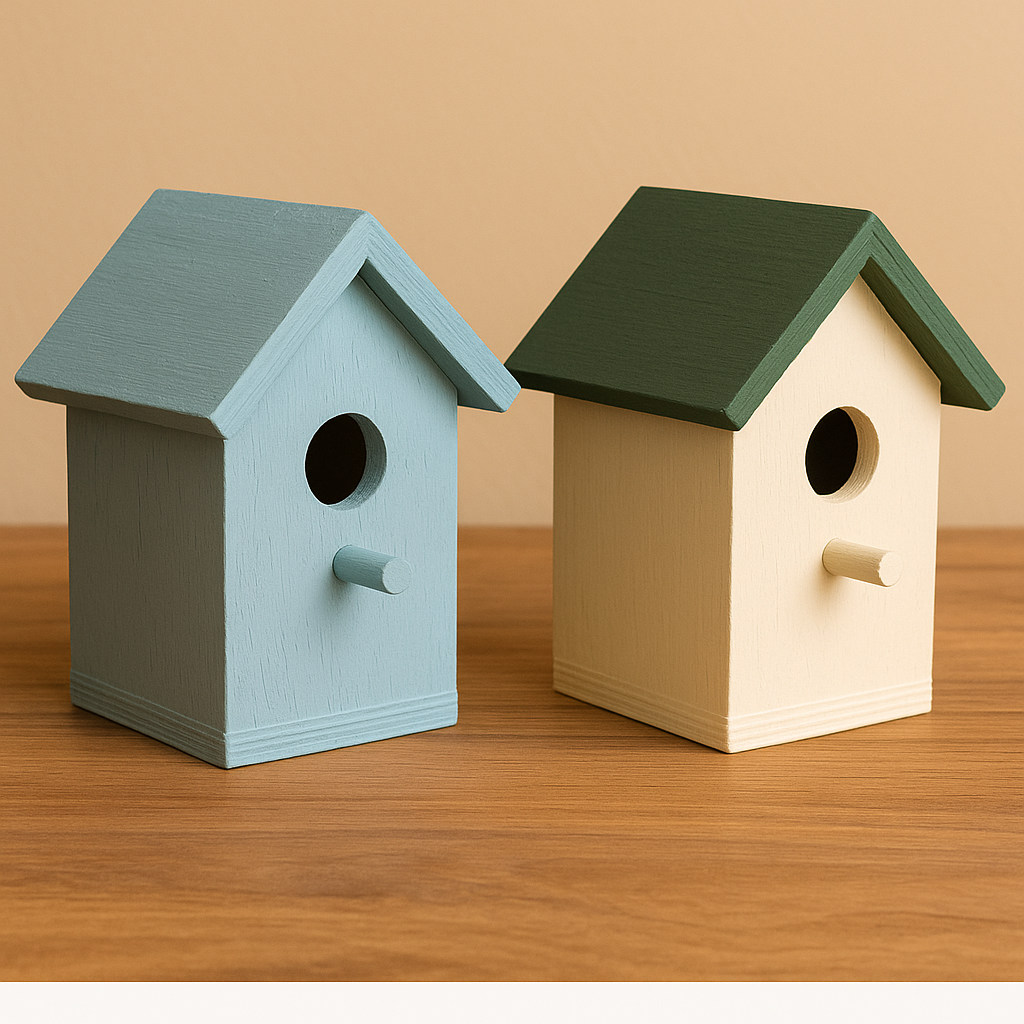
I’ve seen Sande plywood pop up in the most unexpected projects — one week it’s a couple of backyard birdhouses, the next it’s part of a custom guitar build. The birdhouses came from scraps left over after I built a set of laundry room shelves. I slapped them together on a Saturday afternoon, my coffee cup sitting way too close to the jigsaw. They turned out better than I expected after a quick sanding and two coats of leftover paint from the garage. The guitar was from a buddy of mine — he’s a weekend woodworker with a tiny shop and a big love for music. He swears Sande’s stable core keeps the body from warping, even after years of humidity changes. Different projects, same takeaway: if you need a smooth finish and a material that won’t fight you, Sande’s a solid pick.
Advantages of Using Sande Plywood
Smooth Finish Unlike the bargain sheets that feel like they’ve been dragged across gravel, Sande often comes ready for action. Most of the time, I just give it a light pass with 220-grit before finishing. On a few projects, I’ve skipped sanding entirely and gone straight to primer — a risky move, but it worked out fine.
Strength and Stability Sande holds screws and nails without chewing them up or splitting, which is why I use it for cabinet carcasses and shelf supports. I’ve had garage shelves made from it for over five years, loaded with paint cans, and they’re still straight as the day I built them.
Workability It cuts cleanly with a table saw or even a sharp handsaw. No ragged edges, no long cleanup with a block plane.
Eco-Friendly Options Some suppliers carry FSC-certified Sande, so if you care about sourcing, you can still build guilt-free. I’ve ordered it specially a couple of times — it costs a bit more, but worth it.
Disadvantages and Limitations
No material is perfect, and Sande plywood is no exception.
Cost: More expensive than standard pine or fir plywood.
Moisture Resistance: While better than softwoods, it still requires sealing for outdoor or wet-area use.
Availability: Not always stocked in big-box stores; may require specialty suppliers.
How to Work With Sande Plywood
Cutting I’ve learned that a sharp, fine-tooth blade is non-negotiable for clean cuts — even a slightly dull one can leave fuzzy edges. I like to support the full sheet on sawhorses or a work table so it doesn’t sag mid-cut and cause splintering.
Sanding Starting with 180-grit gets rid of small mill marks without chewing up the veneer. I finish with 220-grit for that silky feel before applying stain or paint.
Finishing Sande takes stain evenly, but a quick coat of pre-stain conditioner keeps the color consistent. If I’m painting, I always roll on a high-quality primer first — it saves time and improves adhesion.
Buying Guide: Choosing the Right Sande Plywood
When shopping, consider:
Grade: Choose A or B face veneers for visible applications.
Thickness: Match to your project’s structural needs.
Core Type: Opt for void-free cores for precision joinery.
Maintenance and Care
To extend the life of your Sande plywood projects:
Conclusion – Why Sande Plywood Should Be in Your Workshop
When I’m working on something that needs to look sharp and last — like a set of kitchen cabinets, a sturdy dining bench, or a decorative wall panel — Sande plywood is usually in the mix. It’s smooth enough that I’m not sanding for hours, strong enough to take daily abuse, and steady in the way it cuts and joins.
Sure, it costs more than the bargain stacks, but I’ve learned the hard way that the “cheap now, fix later” route isn’t worth it. Try it on a smaller project first — maybe a side table or a set of shelves — and see how it behaves. Odds are, it won’t be your last sheet.
Cedar Plywood: A Complete DIY & Builder’s Guide by Admin September 8, 2025 Softwood If you’ve ever stepped into a cedar-lined closet or opened an old cedar chest, you know the scent. That fresh, woodsy smell isn’t just nostalgic—it’s…