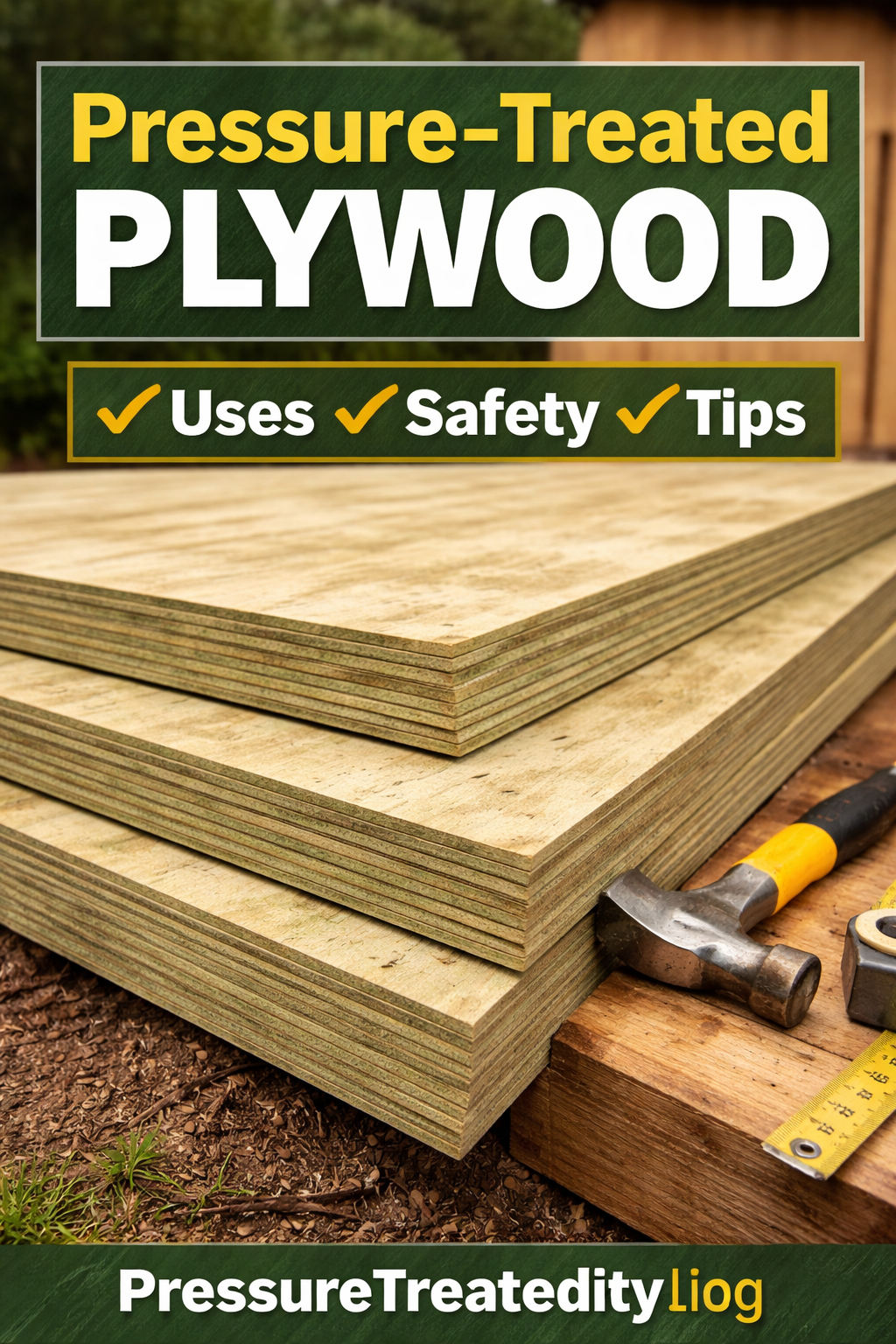
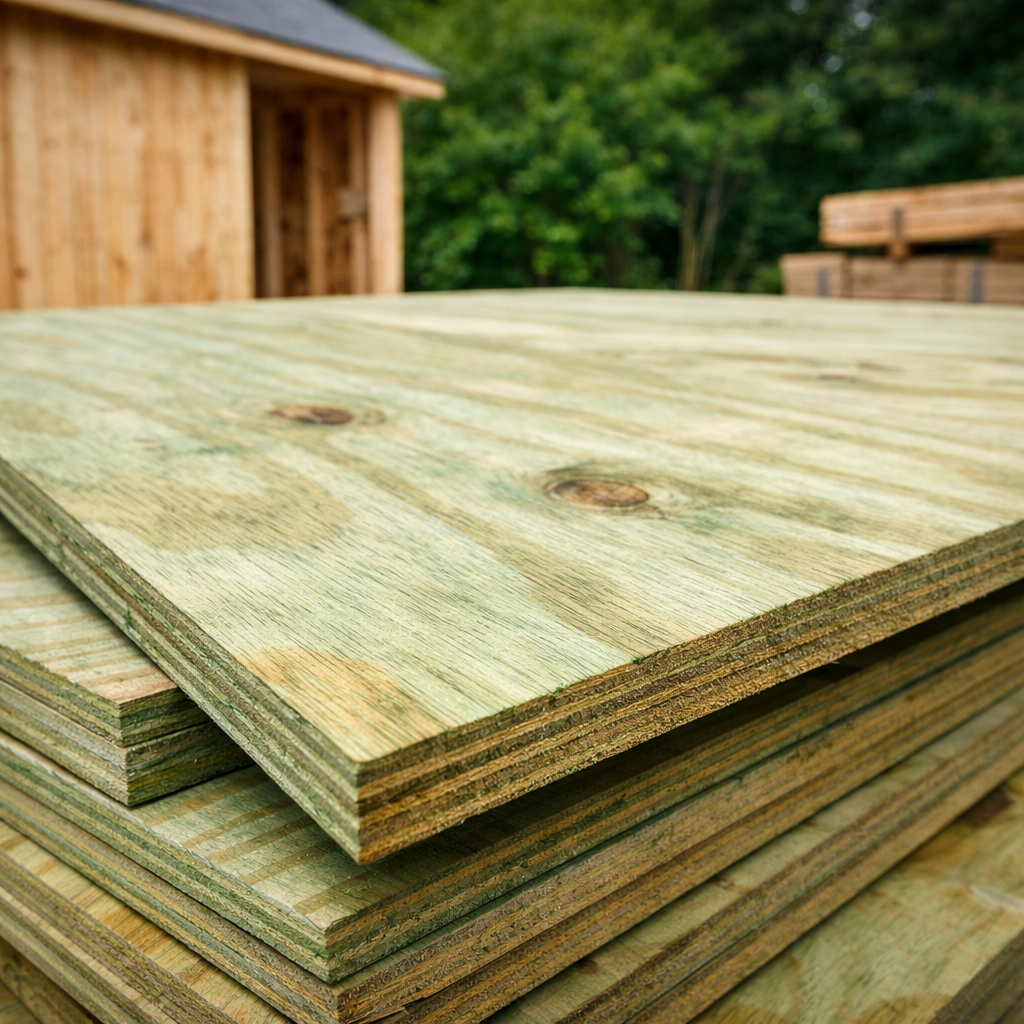
Pressure-treated plywood is plywood infused with chemical preservatives under high pressure to resist moisture, rot, and insects. It is commonly used for outdoor projects such as sheds, decks, and ground-contact structures where long-term durability and resistance to exposure are required.
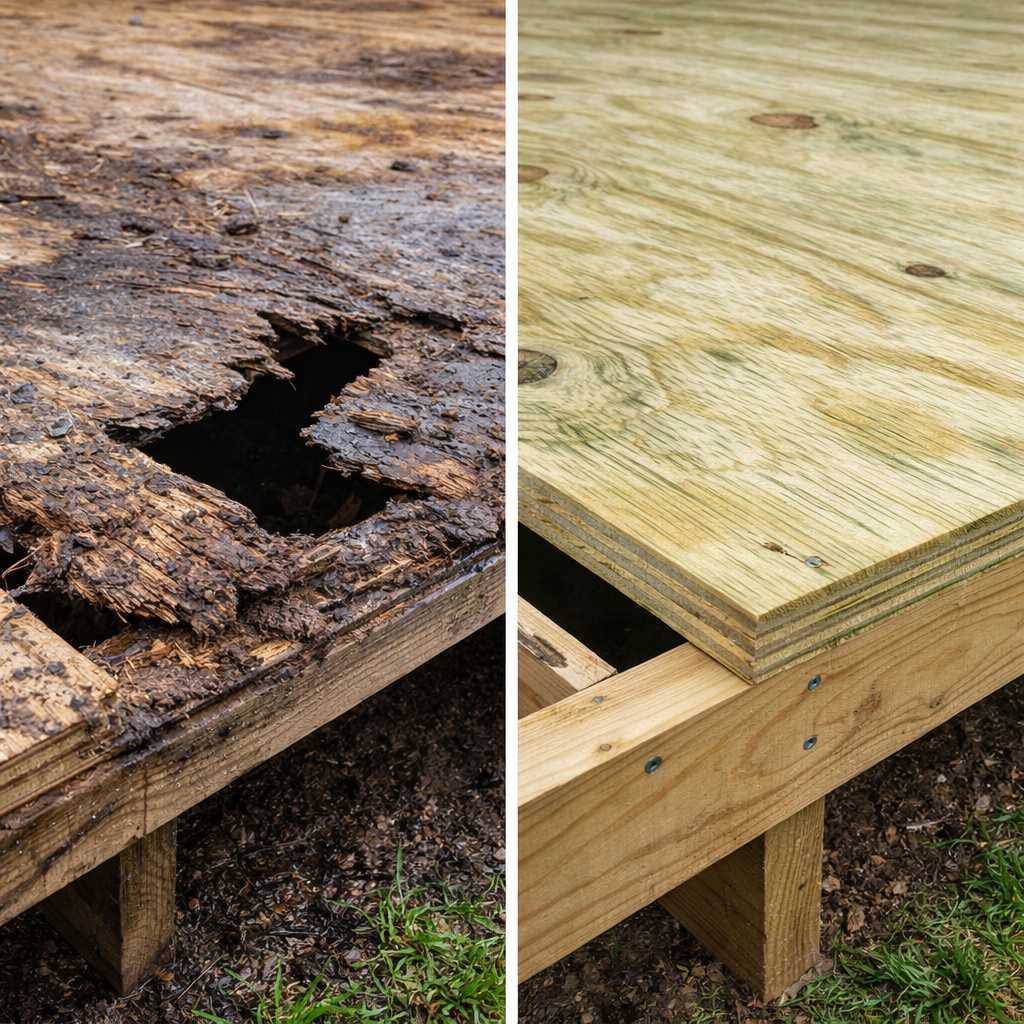
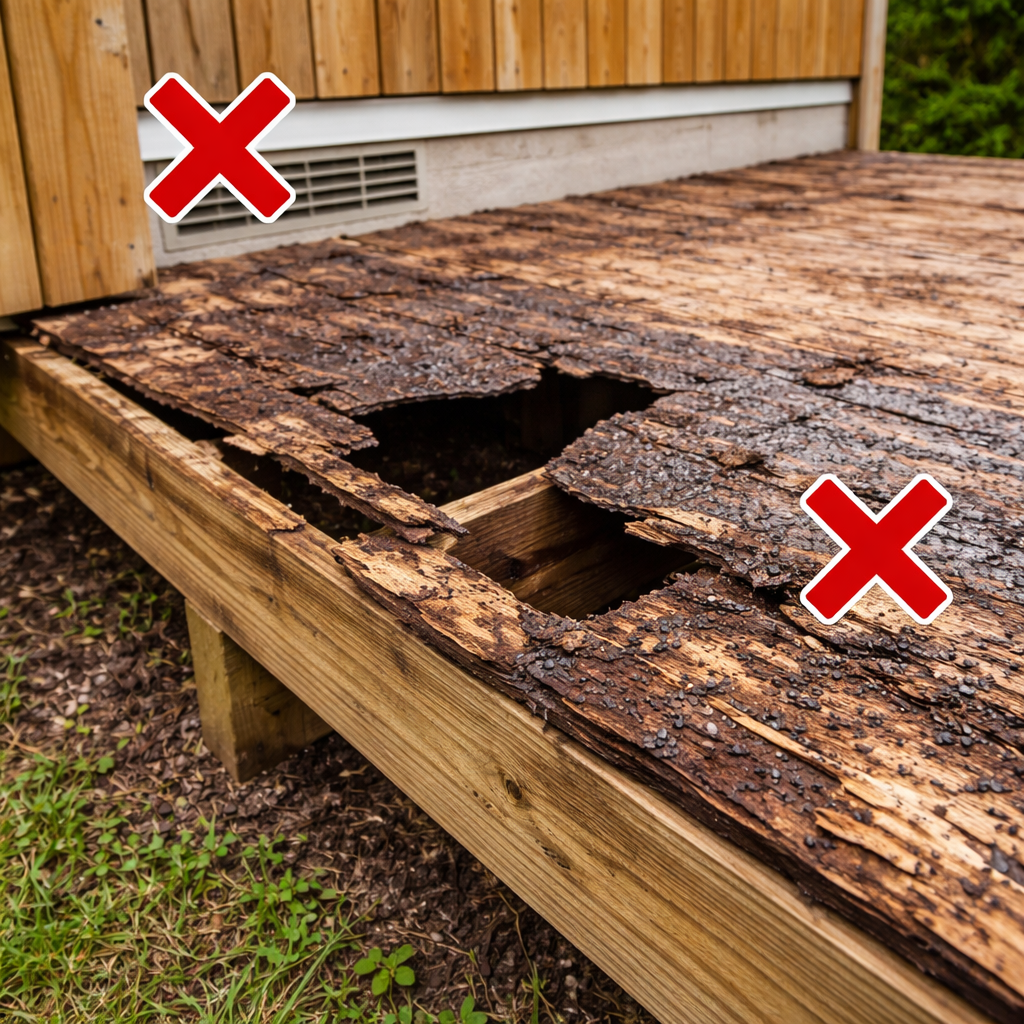
If you’ve ever built something outdoors using regular plywood, you’ve probably learned the hard way—it doesn’t last. I made that mistake myself when I built a shed floor using standard plywood. Within a few years, moisture from wet grass and trapped humidity caused the wood to soften and break down.
That failure forced me to rebuild the entire floor using pressure-treated plywood. Since then, no issues. That one project completely changed how I approach outdoor builds.
If you’re trying to decide what material to use, understanding where pressure-treated plywood fits among the different types of plywood and their uses is critical before you start.
What Is Pressure-Treated Plywood?
Pressure-treated plywood starts as regular plywood and undergoes an additional preservation process. Chemical compounds are forced deep into the wood fibers under high pressure, giving it resistance to environmental damage that untreated plywood simply can’t handle.
This treatment protects against:
Moisture infiltration
Rot and decay
Termite and insect damage
Fungal growth
Here’s the key distinction most people misunderstand:
👉 Pressure treatment does not make plywood structurally stronger—it makes it last longer in harsh conditions.
If you’re working on structural builds, you should still understand load capacity and material differences, as explained clearly in the structural vs non-structural plywood article.
How Pressure-Treated Plywood Is Made
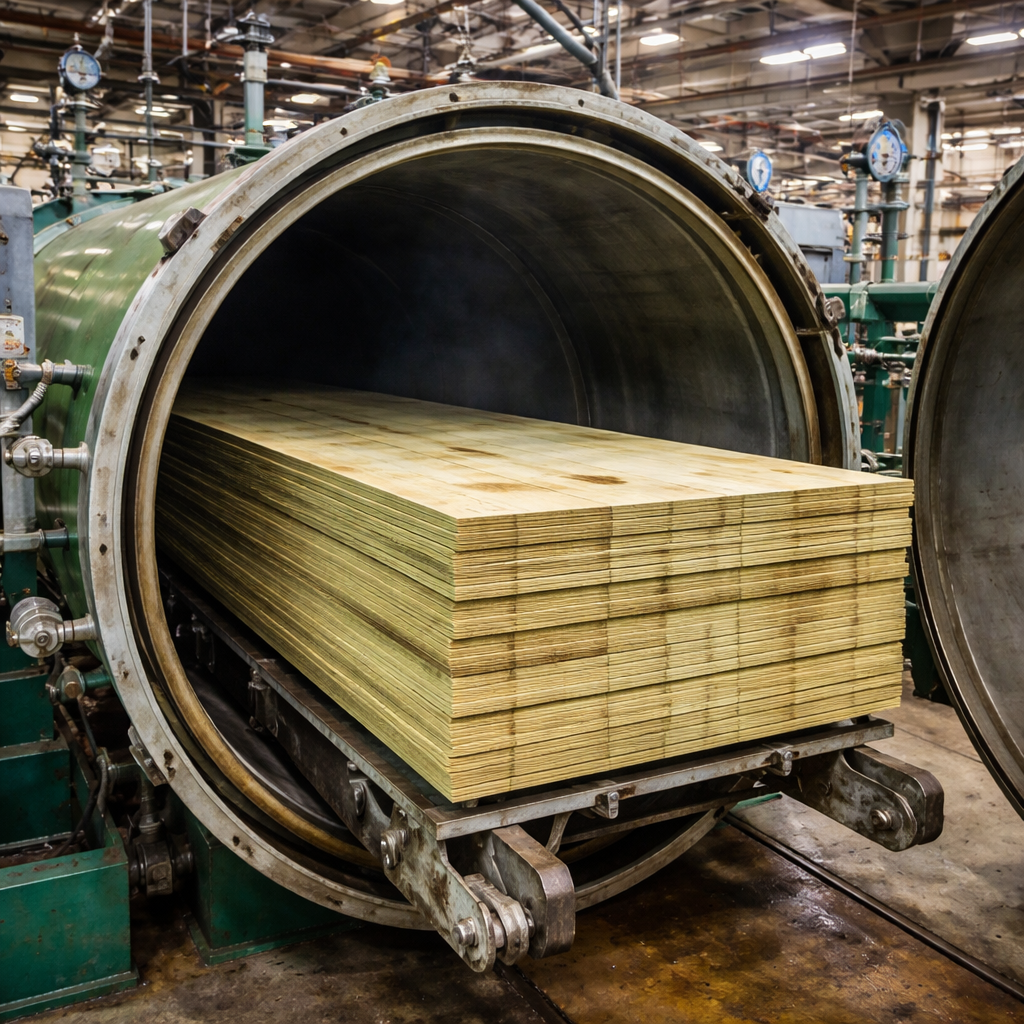
Pressure-treated plywood is made by placing wood in a sealed chamber, removing air, and forcing chemical preservatives deep into the fibers under high pressure to protect against moisture, insects, and decay.
The actual process is more technical than most DIYers realize:
The plywood is placed in a sealed pressure chamber
Air is vacuumed out of the wood fibers
Chemical preservatives are injected under pressure
The wood is removed and begins drying
Modern treatments use compounds like ACQ (Alkaline Copper Quat) and Copper Azole, which are significantly safer than older chemical treatments.
When Should You Use Pressure-Treated Plywood?
Pressure-Treated Plywood for Sheds, Decks, and Outdoor Storage
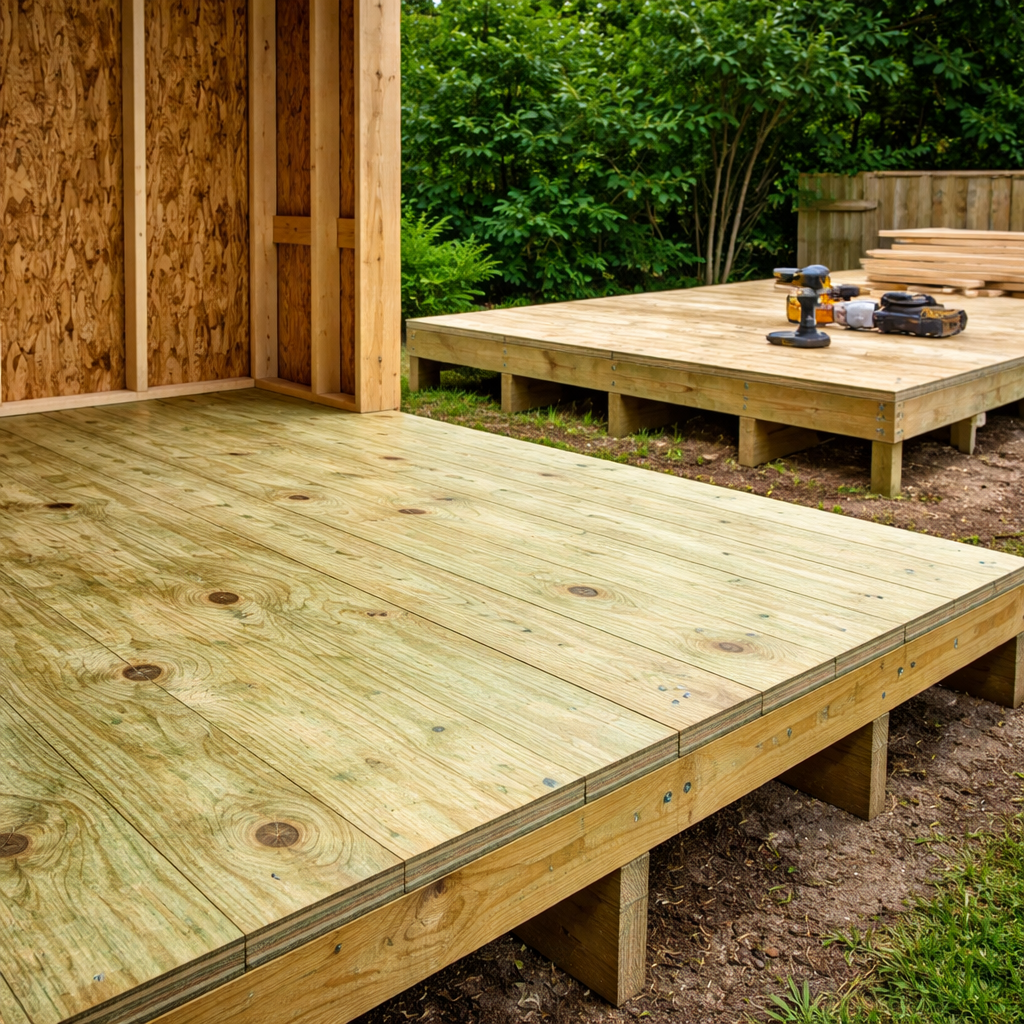
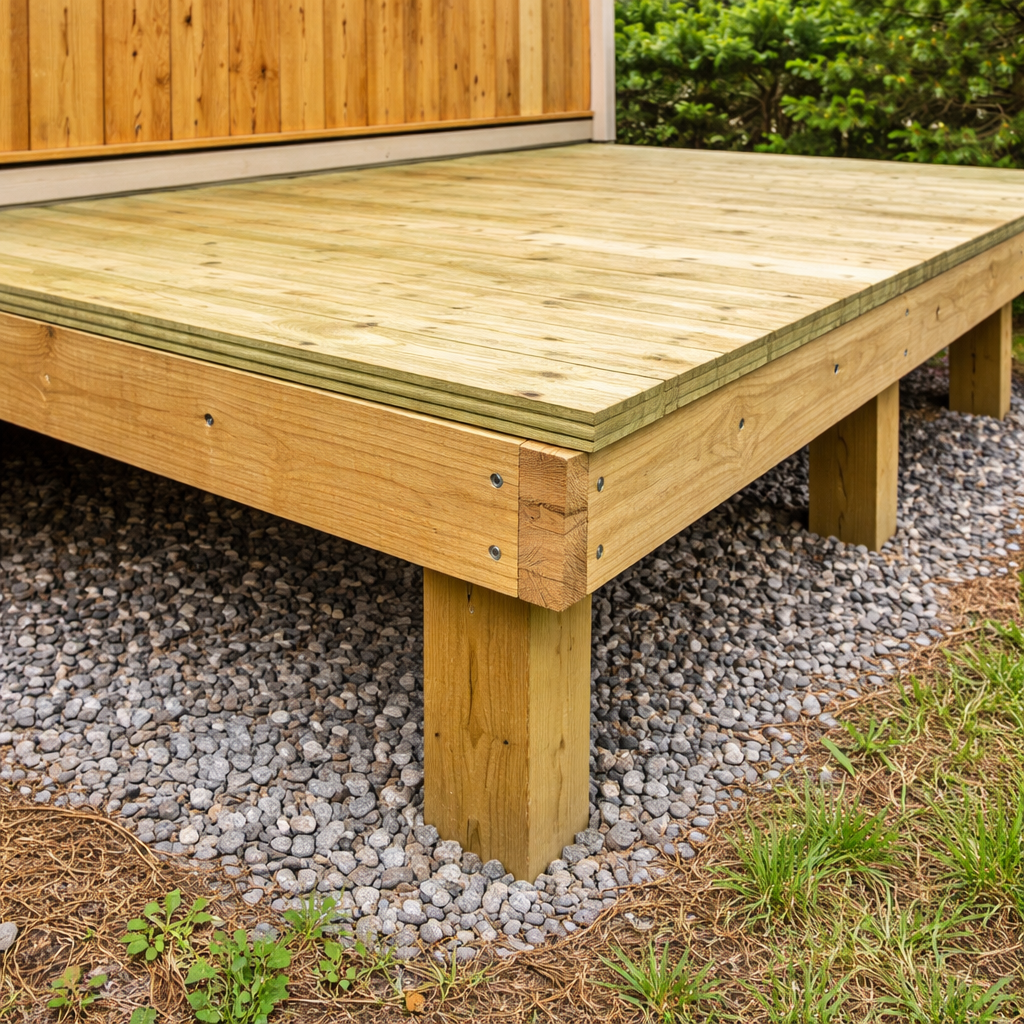
One of the best uses for pressure-treated plywood is in outdoor flooring systems, especially on sheds, storage rooms, and utility structures where moisture tends to build up beneath them. A lot of DIYers focus only on what lands on top of the floor—lawn tools, boxes, snow blowers, riding mowers—but the real threat usually comes from below. Damp soil, rising humidity, and poor airflow are what quietly destroy standard plywood over time.
For shed floors, pressure-treated plywood makes the most sense when the shed sits on skids, blocks, or framing that allows outside air and ground moisture to circulate underneath. In that kind of setup, untreated plywood may look fine for the first year or two, but eventually the bottom layers start to absorb moisture and weaken. Once that happens, the floor can turn soft, spongy, or flaky.
Deck-related projects can also benefit from pressure-treated plywood, but only when plywood is actually part of the structure. In most deck builds, the visible walking surface is made from deck boards or composite planks, not plywood. However, if you are building an outdoor platform, a covered porch base, or a utility deck with a layered flooring system, treated plywood can be the right choice as long as the framing, spacing, and ventilation are handled correctly.
Outdoor storage benches, animal shelters, generator enclosures, and garden utility boxes are other smart use cases. These are all projects where weather exposure is real, but appearance is usually secondary to durability. In those situations, pressure-treated plywood gives you more margin for error and a much longer service life.
Use pressure-treated plywood for outdoor projects exposed to moisture, soil, or weather, including sheds, decks, fences, and ground-contact structures where regular plywood would quickly deteriorate.
This is where pressure-treated plywood becomes essential—not optional.
Best Use Cases:
Shed floors (one of the most important uses)
Deck subflooring
Outdoor wall sheathing
Fence panels
Raised garden structures
Ground-contact framing
For flooring systems in particular, installation matters just as much as the material. If you’re layering tile or other finishes over plywood, follow proper subfloor prep methods; even treated wood can fail prematurely.
When NOT to Use Pressure-Treated Plywood
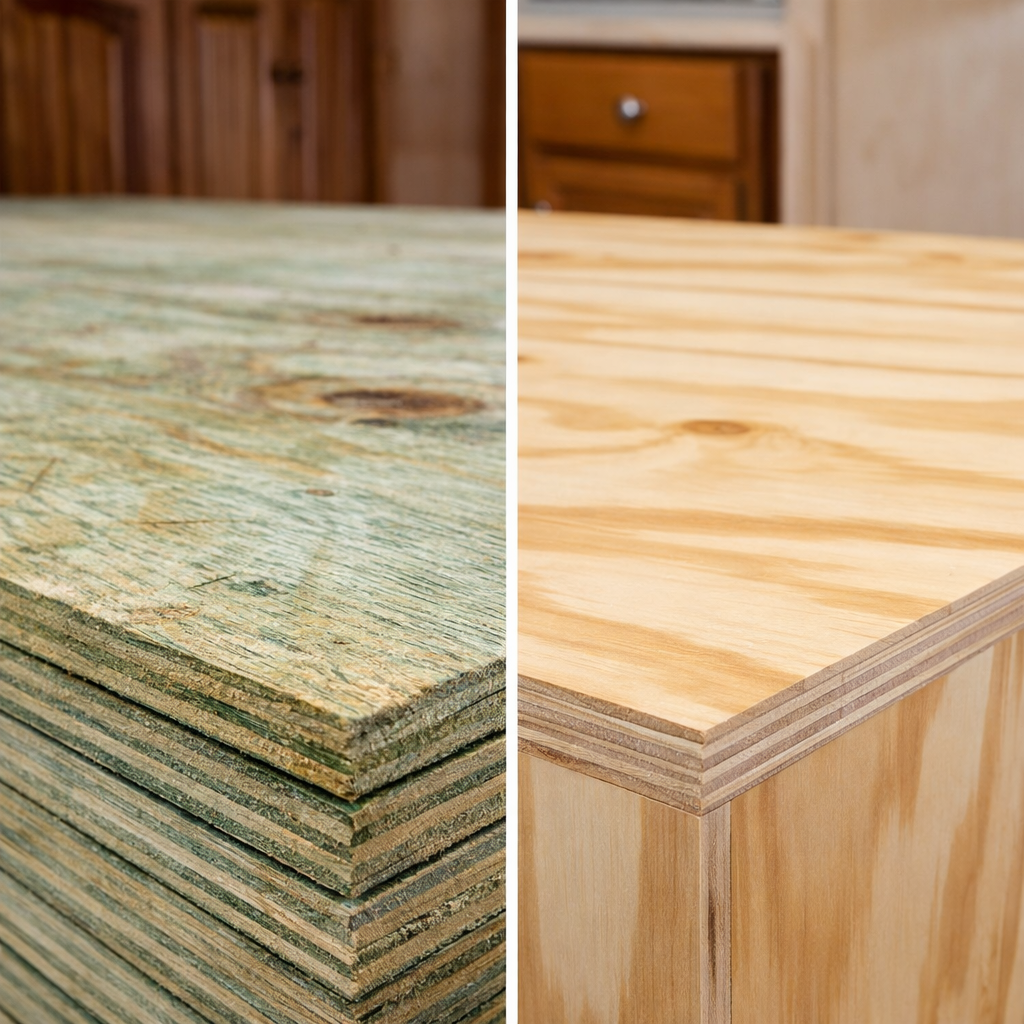
Pressure-treated plywood should not be used for indoor furniture, cabinetry, or decorative finishes because it has a rough surface, high moisture content, and poor adhesion to stain or paint.
This is one of the biggest mistakes DIYers make—assuming pressure-treated plywood is “better” in all situations.
It’s not.
Avoid Using It For:
Cabinets
Indoor furniture
Decorative wall panels
Fine woodworking projects
If your project requires a clean finish, smooth surface, or visual appeal, you’re better off using materials discussed in Best Plywood for Cabinets, where finish quality actually matters.
Best Pressure-Treated Plywood for Each Project
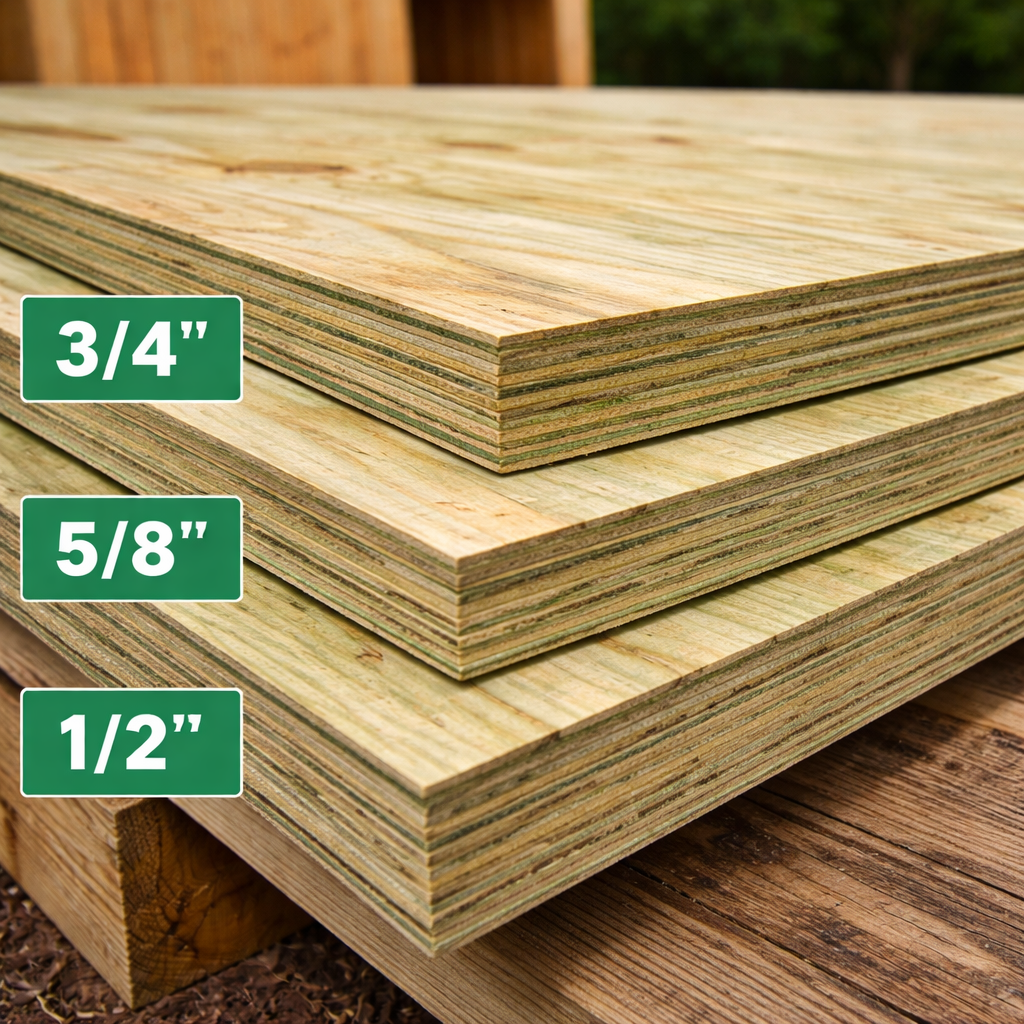
The best one depends on the project. For shed floors and decks, 3/4-inch UC4A plywood is ideal, while above-ground outdoor use typically requires UC3-rated plywood. Ground-contact projects should always use UC4-rated material for maximum durability.
Choosing the right type of pressure-treated plywood is just as important as choosing to use it in the first place. One of the biggest mistakes people make is assuming all treated plywood performs the same way, but thickness and treatment rating can drastically affect how long your project lasts. For example, shed floors almost always benefit from 3/4-inch pressure-treated plywood with a UC4A rating, since it can handle both structural load and moisture exposure from below. Deck subflooring, on the other hand, can sometimes get away with 5/8-inch thickness depending on joist spacing, but going thicker adds long-term stability. If you’re unsure how thickness affects performance, it’s worth reviewing a plywood thickness guide before making a purchase, because undersizing material is one of the fastest ways to create sagging or failure over time.
Another factor most DIYers overlook is exposure level. Above-ground projects like siding or wall sheathing don’t need the same level of protection as wood sitting directly on soil. That’s where UC ratings matter—UC3 works for general outdoor exposure, but anything touching the ground should immediately move up to UC4A or higher. If you’ve ever had wood rot out from underneath a structure, it’s usually because the wrong rating was used. Weight is also something to keep in mind when working with thicker treated plywood, especially in larger builds. A single sheet can be heavy and awkward to handle, so checking a plywood weight per sheet chart ahead of time can save you a lot of frustration during installation.
Pressure-Treated vs Regular Plywood
Feature
Pressure-Treated
Regular Plywood
Moisture resistance
High
Low
Rot resistance
High
Low
Indoor use
Poor choice
Ideal
Appearance
Rough
Smooth options
Cost
Higher
Lower
Outdoor lifespan
10–20+ years
2–5 years
Choosing between these materials also depends heavily on thickness. Using the wrong thickness can lead to sagging or structural issues, which is why reviewing a plywood thickness guide before starting your project is a smart move.
UC ratings classify pressure-treated wood by exposure level. UC3 is used for above-ground outdoor applications, UC4 is for ground contact, and UC5 is designed for marine environments.
Breakdown:
UC3A / UC3B → Exterior, above ground
UC4A → Ground contact (most common DIY use)
UC4B / UC4C → Heavy-duty structural applications
UC5 → Marine environments
If you’re planning a large build like a shed or deck, weight becomes a real factor. Many DIYers underestimate this, so reviewing a plywood weight-per-sheet chart can help avoid handling issues and structural miscalculations.
My Shed Mistake (Real-World Lesson)
When I built my shed, I chose regular plywood because it was cheaper and looked fine at the time.
Within four years:
Moisture from the ground built up
The underside never dried properly
The plywood softened and started breaking apart
I had to tear out the entire floor and rebuild it.
This time, I used pressure-treated plywood—and the difference was immediate. No soft spots, no decay, no issues since.
👉 The takeaway is simple: If moisture is even remotely possible, standard plywood is a risk.
Can You Paint or Stain Pressure-Treated Plywood?
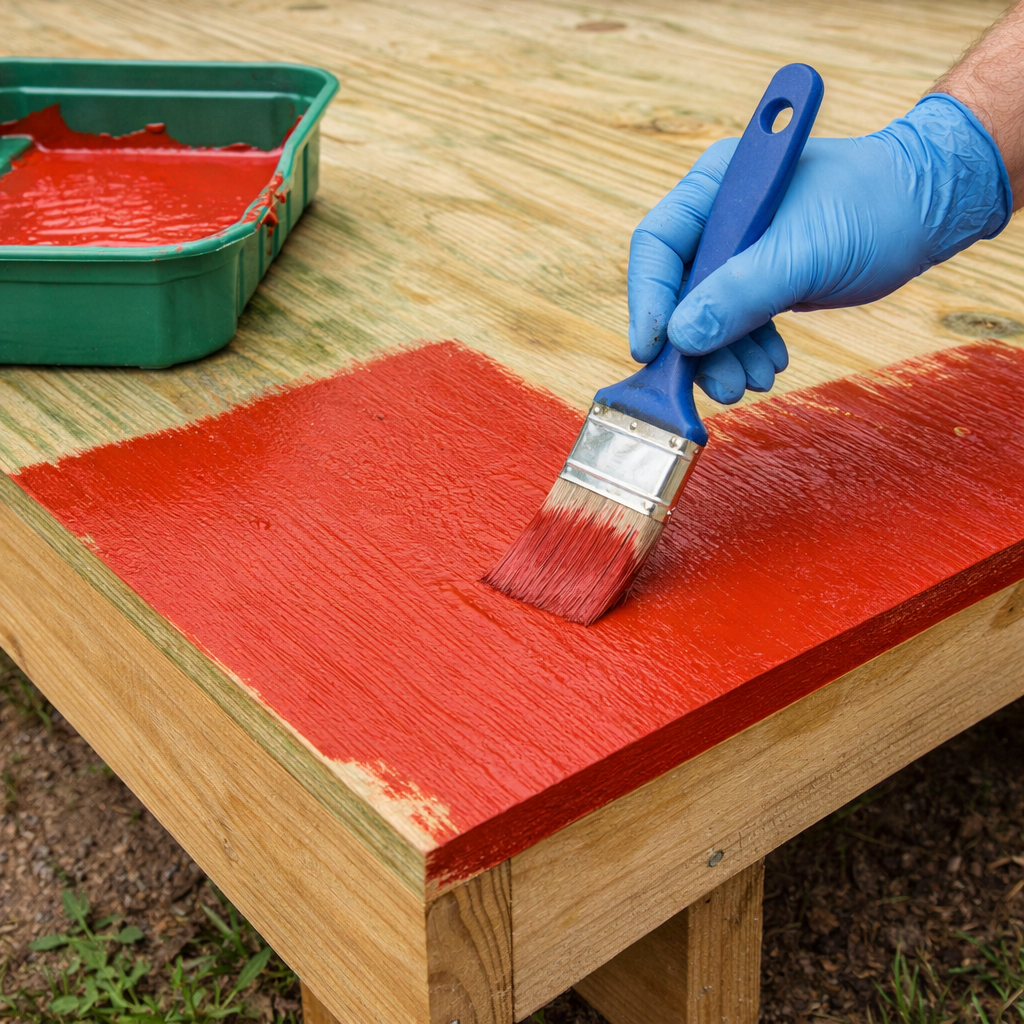
Yes, pressure-treated plywood can be painted, but only after it fully dries, which typically takes 3–6 months. Painting too early will result in peeling and poor adhesion.
This is another area where expectations don’t match reality.
Painting:
Requires drying time
Needs primer
Works best with exterior paint
Staining:
Doesn’t absorb evenly
Often results in a blotchy appearance
If your goal is a high-end finish, you’ll get much better results using techniques covered in ” How to Make Plywood Look Nice, rather than trying to force treated wood to behave like furniture-grade material.
Cost of Pressure-Treated Plywood (2026)
Pressure-treated plywood costs between $45 and $100 per sheet depending on thickness and treatment level, making it approximately 20–40% more expensive than regular plywood.
Typical Pricing:
1/2″ → $45–$70
3/4″ → $60–$100+
While it costs more upfront, it often saves money in the long term by preventing early replacement.
Safety Tips You Should Follow
Pressure-treated plywood is safe when handled properly, but precautions such as wearing gloves, cutting outdoors, and avoiding inhalation of dust should always be followed.
Safety Basics:
Wear gloves
Cut outdoors
Use eye protection
Avoid inhaling dust
Never burn treated wood
Best Practices for Long-Term Durability
If you want your project to last 15–20 years:
Seal cut edges
Elevate wood off direct ground contact
Prevent standing water
Use coated or galvanized fasteners
Even small details like fastener choice can impact longevity more than people expect.
Common Mistakes That Ruin Pressure-Treated Plywood Projects
Common mistakes include painting too early, using the wrong thickness, placing plywood directly in standing water, and choosing the wrong UC rating for the environment, all of which can shorten the material’s lifespan.
Even though pressure-treated plywood is designed to last, it can still fail quickly if it’s used incorrectly. The most common mistake is painting or sealing the wood too early. Since treated plywood is often still wet when purchased, applying paint before it dries traps moisture inside the wood, leading to peeling, cracking, and long-term deterioration. Another frequent issue is choosing the wrong thickness. Thinner plywood might save money upfront, but it often leads to flexing, sagging, or structural weakness—especially in flooring applications. This is why understanding proper sizing through a plywood thickness guide is critical before starting any build.
Poor airflow is another silent problem. Many outdoor structures fail not from rain, but from trapped moisture underneath. If air can’t circulate, even pressure-treated plywood can degrade over time. This is exactly what happened in my shed build—moisture sat underneath the floor with no way to dry out, and the wood slowly broke down. Elevating the structure slightly or allowing ventilation underneath makes a massive difference. Finally, using the wrong fasteners can also cause premature failure. Standard screws can corrode when exposed to the chemicals in treated wood, so using coated or galvanized fasteners is essential for long-term durability.
FAQs
Does pressure-treated plywood rot over time?
No, it is highly resistant to rot, but long-term exposure to constant moisture can still cause gradual deterioration.
Is pressure-treated plywood waterproof or just water-resistant?
It is water-resistant, not fully waterproof.
Can pressure-treated plywood be used for shed floors?
Yes, it is one of the best materials for shed flooring.
Why is pressure-treated plywood wet when purchased?
Because it has not fully dried after treatment.
Final Verdict
Pressure-treated plywood is one of the most important materials you can use for outdoor construction—but only when used correctly.
If your project involves:
Moisture
Soil contact
Outdoor exposure
👉 Use it without hesitation.
If not: 👉 Standard plywood will perform better and look cleaner.
Related Posts:
Fluted Wood Panels: Costs, Types & Mistakes to Avoid by Admin April 12, 2026 DIY Fluted wood panels are decorative wall panels featuring vertical grooves that add texture, depth, and a high-end modern look to interiors. Commonly used for accent…
🪚 Mortise and Tenon Joint: Types, Strength & Uses by Admin October 6, 2025 Joints When you look at a well-made wooden chair that’s still solid after fifty years, or an antique cabinet that hasn’t wobbled once, you’re probably looking…