If you’ve ever stood in the lumber aisle wondering why one sheet of plywood costs twice as much as another, the answer usually comes down to its grade. Plywood grades — labeled A, B, C, and D — tell you how smooth, strong, and visually appealing the faces of the sheet are. But what those letters really mean can be confusing until you’ve worked with them firsthand.
After years of building cabinets, shelving, and wall panels, I’ve learned that understanding plywood grades can save hours of sanding, gallons of filler, and hundreds of dollars. In this guide, I’ll break down how each grade is defined, what it’s best for, and how to choose the right type for your next woodworking project.
🪵 What Are Plywood Grades?
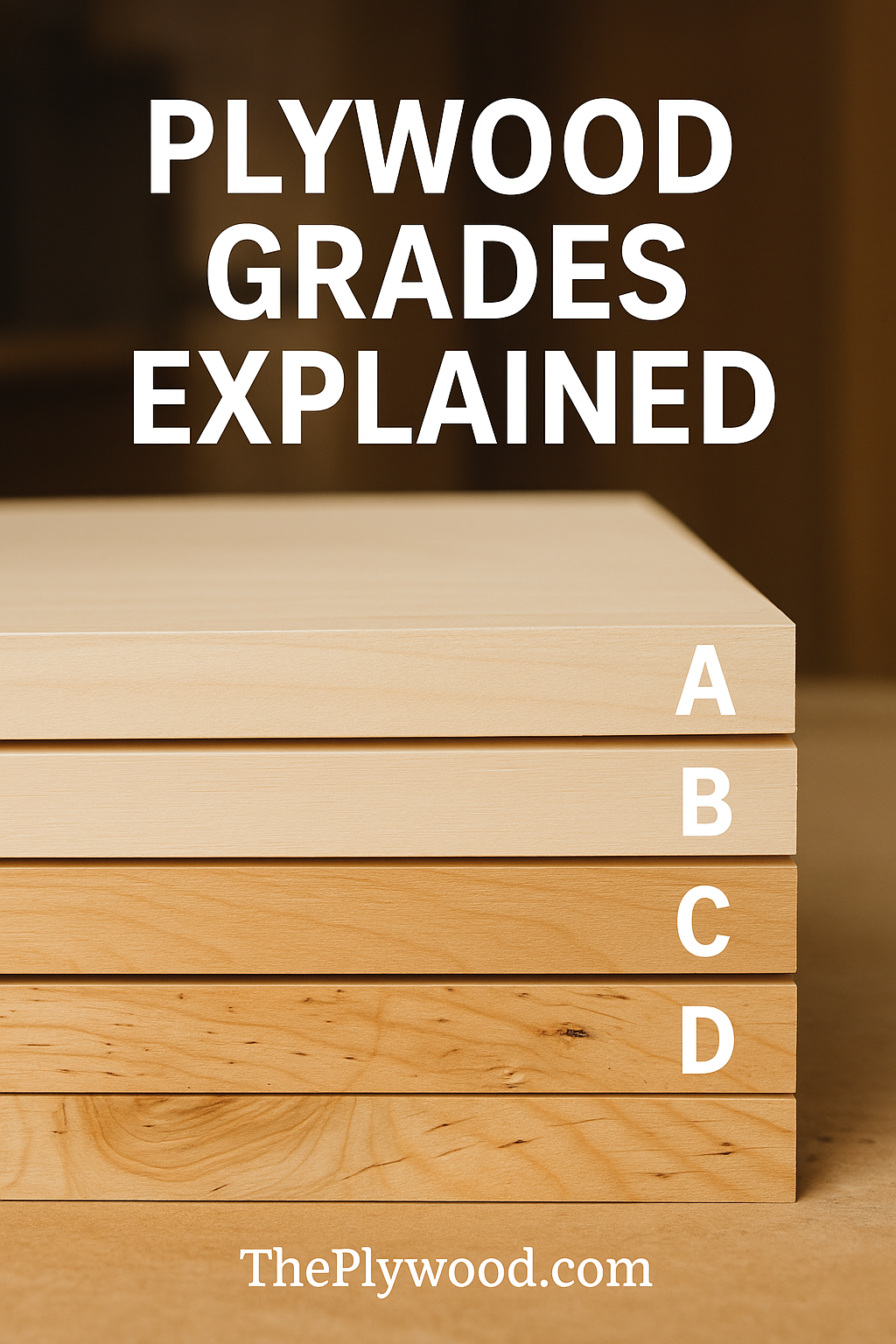
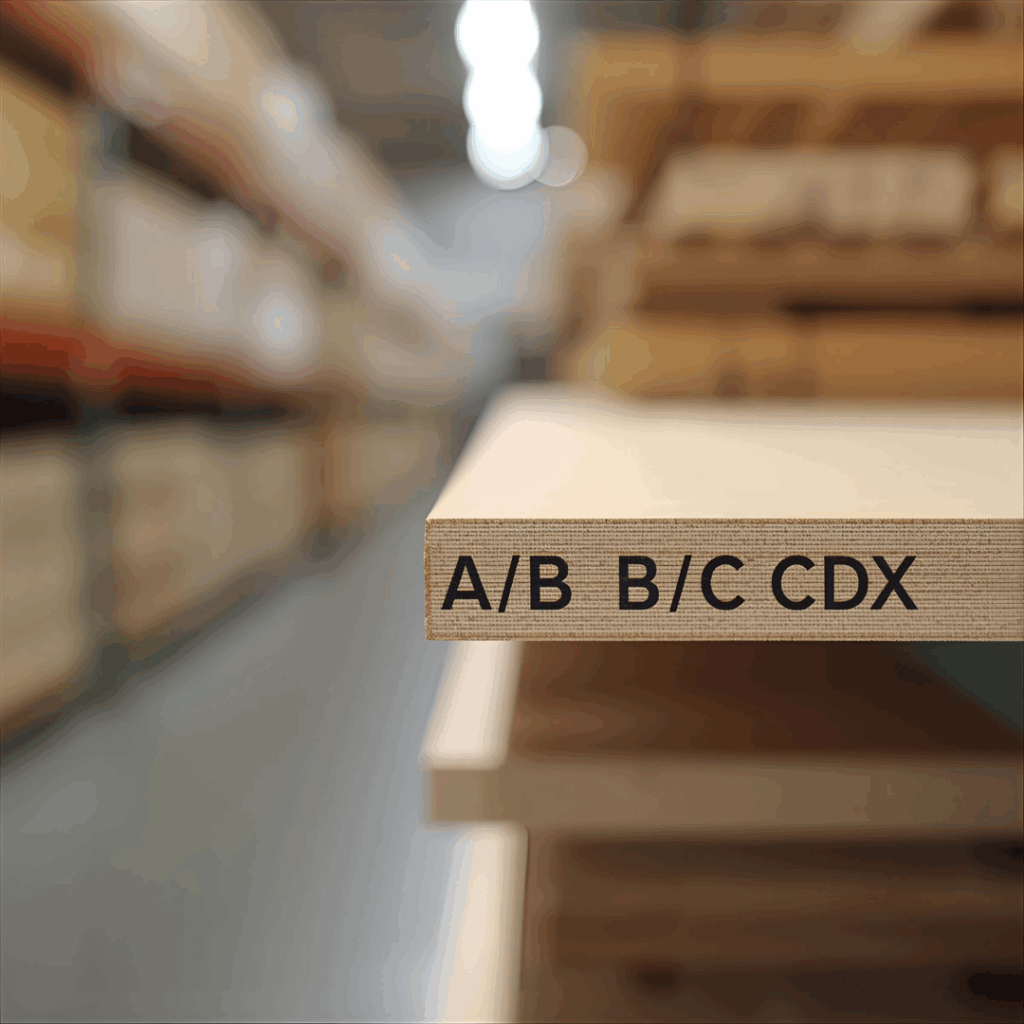
Plywood grades indicate the overall quality of a panel’s outer veneers — the visible layers that make the biggest difference in how the sheet looks and performs. Each side is evaluated on its own, which is why you’ll see designations such as A/B, B/C, or C/D printed along the edge. The first letter refers to the face you’ll typically expose, while the second marks the back.
A-grade plywood is the top of the line — flat, smooth, and free from visible flaws. It’s the panel that sands evenly and takes stain beautifully, saving hours of prep work in the shop.
B-grade plywood comes close behind, allowing a few well-repaired patches or tiny knots that don’t affect strength. It’s the practical choice when you want a clean surface but don’t need museum-level perfection.
C-grade plywood has a more rugged appearance with knots, small splits, and subtle color changes. Many woodworkers rely on it for built-ins, workbench tops, or hidden layers where structure matters more than appearance.
D-grade plywood is the budget option — rough, unsanded, and often used where it will never be seen. It’s strong enough for framing, subfloors, or roof decking, but rarely for finish work.
These letter grades are assigned according to strict standards from the American Plywood Association (APA) and the Hardwood Plywood and Veneer Association (HPVA). Together, they set consistent benchmarks for surface quality, veneer bonding, and overall durability so that builders and DIYers know exactly what to expect from every sheet they buy.
🔍 How Plywood Grades Are Determined
What Inspectors Look for When Grading Plywood
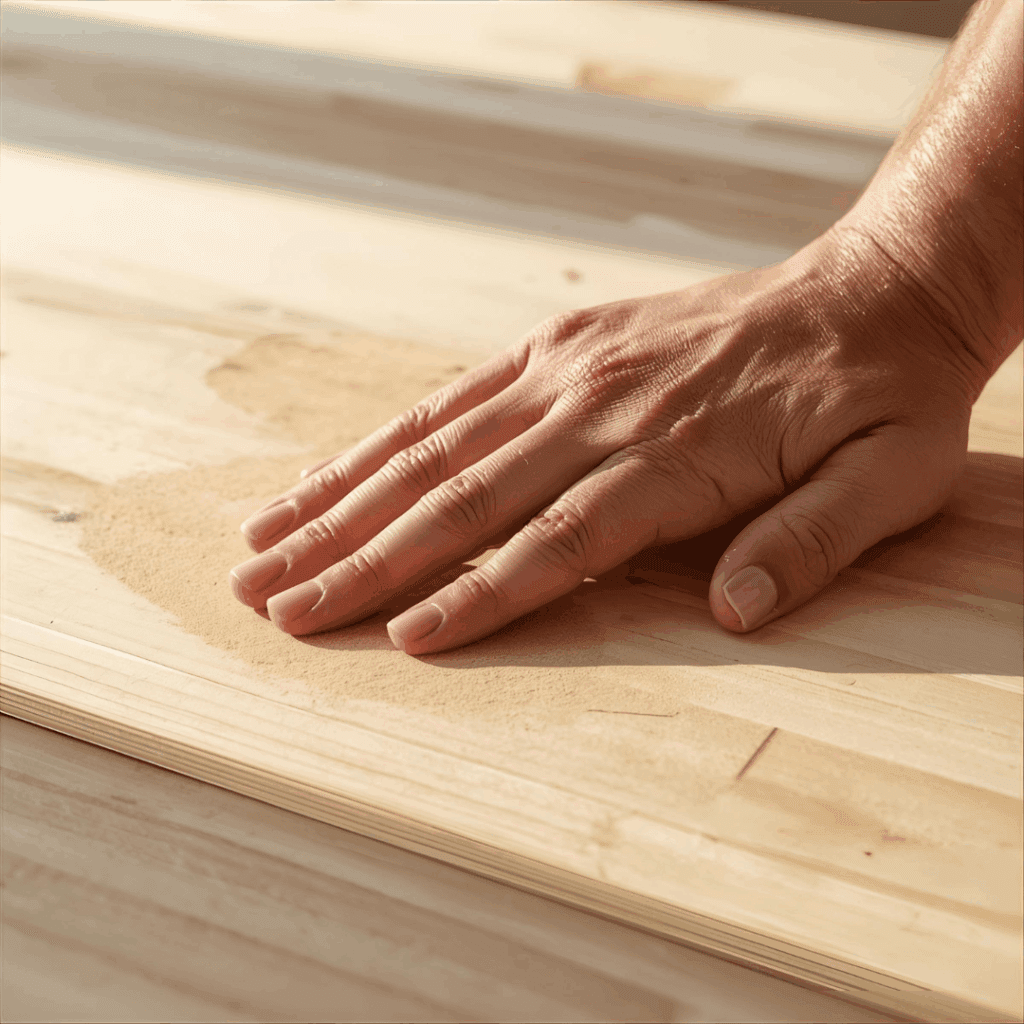
Surface smoothness and sanding quality When plywood is inspected, one of the first things checked is how it feels under your hand. A quality sheet should feel smooth and even, not gritty or patchy. Inspectors look closely for swirl marks from sanding or rough edges that could show through paint or stain later. You can tell a higher-grade panel just by how clean and consistent that top layer looks — it’s ready to go straight into a fine cabinet or furniture project.
Repairs and patch count Every piece of wood has its flaws, but how those flaws are handled makes a big difference. Inspectors note how many patches there are and what kind were used — whether neat wood plugs that blend in, or synthetic fillers that stand out. The fewer patches you see, the higher the grade. Well-done repairs should almost disappear into the surface, while sloppy ones can knock a good sheet down a full grade.
Knots and how solid they are Knots tell part of the wood’s story, but they can also weaken a sheet. During grading, inspectors check how large the knots are, whether they’re tight, and if they might pop out later. Tight, small knots are acceptable in the better grades like A and B. Big, loose knots — the kind that wiggle if you press them — are what you’ll find in the lower grades or in plywood meant for structural use, not finish work.
Color consistency and grain match The color of the wood shouldn’t jump all over the place. A well-matched sheet looks natural and uniform, like it came from the same log. Inspectors look for balance — smooth grain flow and a consistent tone that takes stain evenly. If you’ve ever stained plywood and ended up with blotchy spots, that’s the kind of thing a good inspector tries to prevent by catching mismatched veneers early.
Cracks, splits, and hidden voids Finally, inspectors tap, flex, and look for any structural flaws that could cause trouble down the line. Cracks, edge splits, or hollow-sounding spots between layers mean something went wrong in the pressing or drying process. Even small voids can weaken the sheet if you’re cutting it for furniture or cabinetry. Clean, solid panels earn the higher grades — and they’re the ones builders can trust to stay flat and strong for years.
📊 The 4 Main Plywood Grades Explained
Below is a breakdown of what each grade actually means in the shop.
Grade
Surface
Allowed Defects
Common Uses
A
Smooth, sanded
Tiny pin knots
Furniture, cabinetry
B
Sanded, minor patches
Small tight knots
Interiors, shelving
C
Rougher, visible knots
Knots up to 1.5″, splits
Subfloors, jigs
D
Unsanded, rough
Open knots, voids
Framing, hidden work
🅰️ A-Grade Plywood (Highest Quality)
What it is: A-grade plywood is the premium option with a perfectly sanded, uniform face and almost no visible defects. It’s often used in furniture, cabinetry, built-ins, and wall panels.
Surface quality: Smooth, paint- or stain-ready with minimal patching. Defects allowed: Tiny pin knots (less than ⅛ inch). Common uses:
🅱️ B-Grade Plywood (High Quality with Minor Repairs)
What it is: B-grade is nearly as smooth as A-grade but can include small, tight knots or neatly repaired patches. It’s often used for interior panels, cabinet carcasses, and furniture backs.
Surface quality: Sanded, light patches, uniform color. Defects allowed: Few tight knots up to 1 inch. Common uses:
Cabinet interiors and shelves
Closet built-ins
Painted furniture and trim
Affiliate tip: For strong interior projects, use Sanded Pine Plywood Panels, which balance cost and appearance.
🅲️ C-Grade Plywood (Utility Grade)
What it is: C-grade plywood has visible knots, color variation, and synthetic repairs. It’s still structurally sound, but rarely used for visible surfaces.
Surface quality: Rougher, may need sanding and filling. Defects allowed: Knots up to 1.5 inches, tight splits, and patching. Common uses:
If you’re comparing this to smoother options, check out the ACX Plywood Guide.
🧰 Combo Grades (A/B, B/C, C/D)
Most plywood isn’t the same grade on both sides. For example:
A/B plywood – perfect front, smooth back
B/C plywood – common for cabinets and wall panels
C/D plywood (CDX) – standard construction plywood
The “X” in CDXmeans “exterior glue,” not an additional grade. It’s made for outdoor exposure and building use.
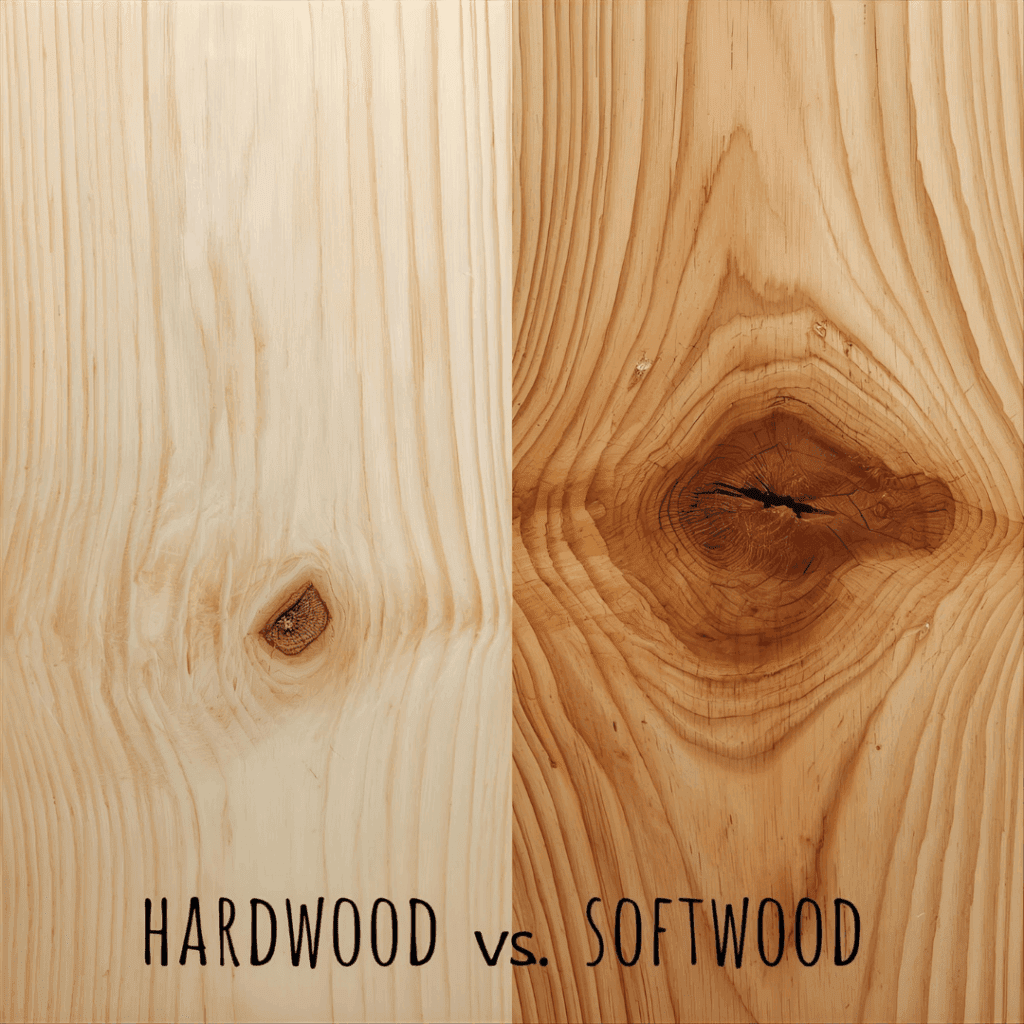
🪚 Softwood vs Hardwood Plywood Grades
Softwood plywood (like pine or fir) uses the A–D system described above. Hardwood plywood (such as oak, birch, or maple) follows similar rules but sometimes adds numerical veneer grades:
According to the APA – The Engineered Wood Association, plywood grades help builders and DIYers ensure strength, consistency, and suitability for specific structural uses. You can find their full grading reference chart at APAwood.org.
❓FAQ: Common Questions About Plywood Grades
1. What does A/B plywood mean? It means the front face is A-grade (smooth and flawless), while the back face is B-grade (slightly patched or sanded).
2. What is CDX plywood? CDX plywood has a C-grade front, D-grade back, and exterior glue. It’s used for roofs, walls, and outdoor construction.
3. Which plywood grade is best for cabinets? A/B or B/B hardwood plywood (such as birch or maple) gives the best finish for visible cabinetry surfaces.
4. Can you paint lower-grade plywood? Yes — fill holes, sand, prime, and use high-quality paint or polyurethane for durability.
5. How do I know if plywood is truly cabinet grade? Look for smooth face veneers, tight core layers, and HPVA or APA certification marks stamped on the panel edge.
🧩 Final Thoughts
Understanding plywood grades can completely change how your projects look and last. If you’re building something meant to be seen — cabinets, shelves, or furniture — go with A or B grades. For hidden or structural work, C/D or CDX is usually fine.
It’s one of those lessons you learn the hard way if you don’t ask first — like I did, sanding through thin veneer on a “budget” panel years ago. Now, I always check both sides and pick panels with solid cores. The difference in finish quality (and frustration level) is night and day.
Drawer Slides Explained: Types, Installation & Buying Tips by Admin August 27, 2025 More About When you think about it, drawer slides don’t get nearly enough credit. They’re just strips of hardware, but without them a drawer is basically useless—scraping…