When I first decided to redo my kitchen, I figured cabinets were just boxes with doors. Easy, right? Then I met the oven base cabinet—and learned the hard way it isn’t just another cabinet. This one has to hold serious weight, keep your oven lined up with countertops, and still leave room for wires or gas lines that never seem to be where you want them.
I’ll be honest: my first attempt sagged. I skipped reinforcement because I thought ¾-inch plywood was plenty strong. It held up… until the oven went in. Within a month, the countertop dipped ever so slightly, and I’ve been a reinforcement believer ever since.
That’s why I’m writing this. Whether you’re thinking of buying a pre-made oven base cabinet, building one from scratch, or just trying to understand what makes them different, I’ll walk you through what I learned—good and bad.
What Exactly Is an Oven Base Cabinet?
At first glance, it’s just a kitchen cabinet that sits under or around an oven. But here’s the difference:
It supports way more weight than a standard base cabinet.
It has to allow for ventilation (ovens kick out a lot of heat).
It usually needs openings in the back for hookups.
It must align flush with your counters, or your whole kitchen looks crooked.
Think of the oven base cabinet as the foundation of your cooking space. You can fudge a drawer cabinet a little. You can’t fudge this one.
Why Oven Base Cabinets Change the Look of a Kitchen
One of the key features of any kitchen is a range. In most kitchens, this means a combination stovetop and oven, built together into a single, stand-alone unit. But as people upgrade their kitchen, the very idea of a free-standing range doesn’t really fit in. While there are things that can be done, such as buying a fancier range and installing a stylish range hood to replace the standard one, this tends to make the range stand out more, rather than making it blend in and match the rest of the kitchen.
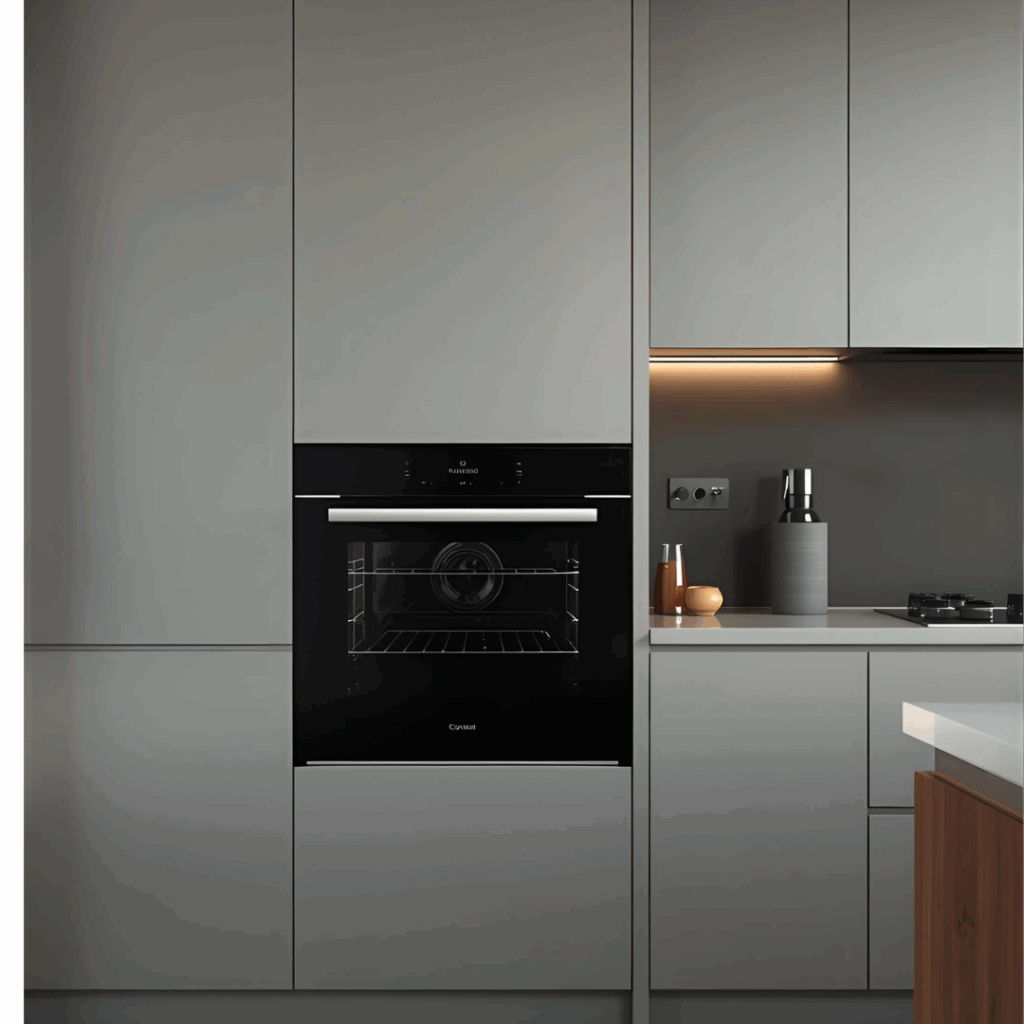
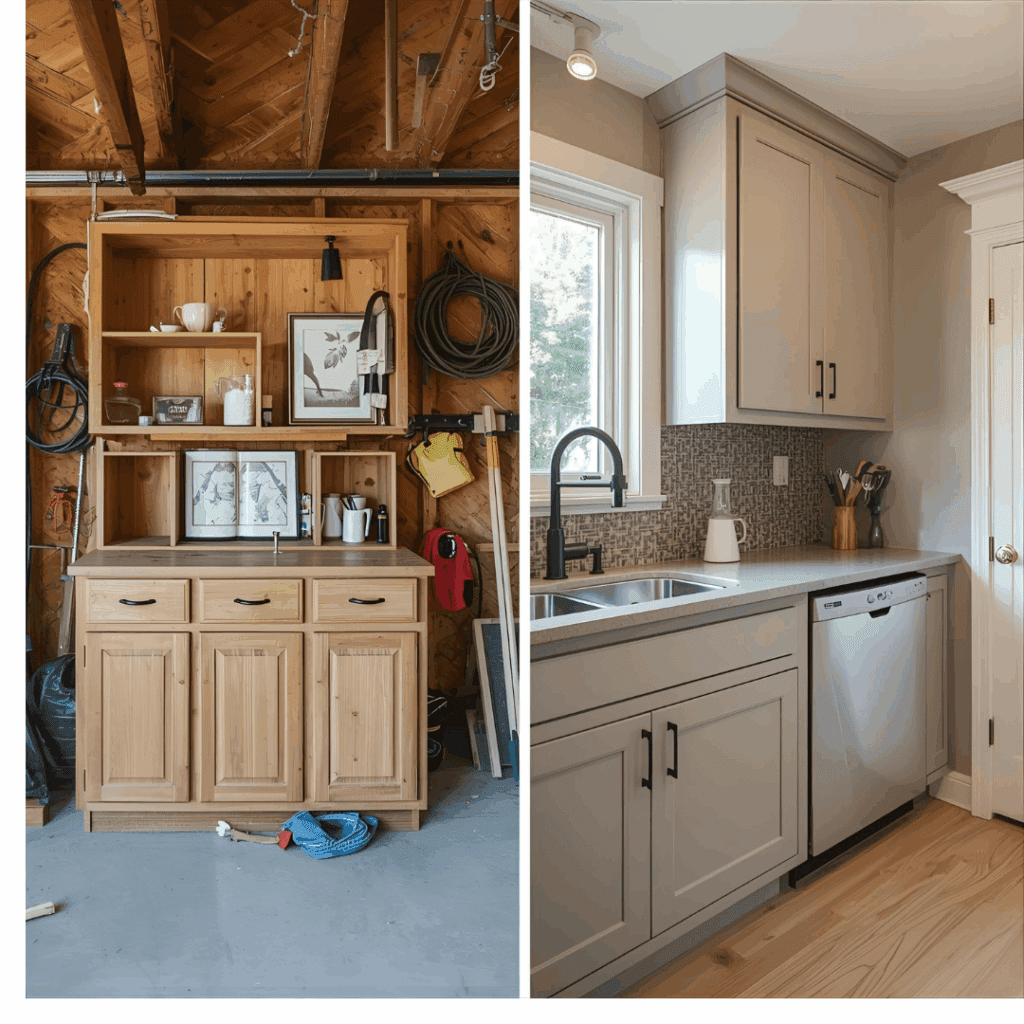
It takes a different approach if you want your stovetop and oven to feel like part of the room, not just an appliance dropped in the middle of it. That approach is to install the stovetop into the countertop and the oven into a cabinet. While they are still visible, surrounding them with cabinetry that matches the rest of the kitchen makes them blend in far better. And this is where the oven base cabinet becomes more than just a structure—it’s part of the design language of your whole kitchen.
Standard Dimensions (And Why They’re Not Always Standard)
Every book or website will tell you oven base cabinets are “standard size.” In theory, that’s true. In practice, your actual oven model decides what works.
For range ovens (the kind with cooktops): usually 30″ wide, 24″ deep, 34.5″ tall.
For wall ovens: 33–36″ wide, depth varies, height depends on single vs. double.
Here’s the kicker: manufacturers sometimes design ovens that don’t play nicely with “standard.” Measure twice, build once. I measured only once… and had to recut panels after the oven arrived. Don’t repeat my mistake.
Picking the Right Material For an Oven Base Cabinet
When I asked a buddy (who builds cabinets for a living) what to use, he laughed and said, “Anything but particle board.” He was right.
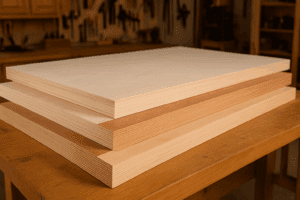
Plywood: The winner for DIY. Strong, resists sagging, and holds screws. I like cabinet-grade birch plywood.
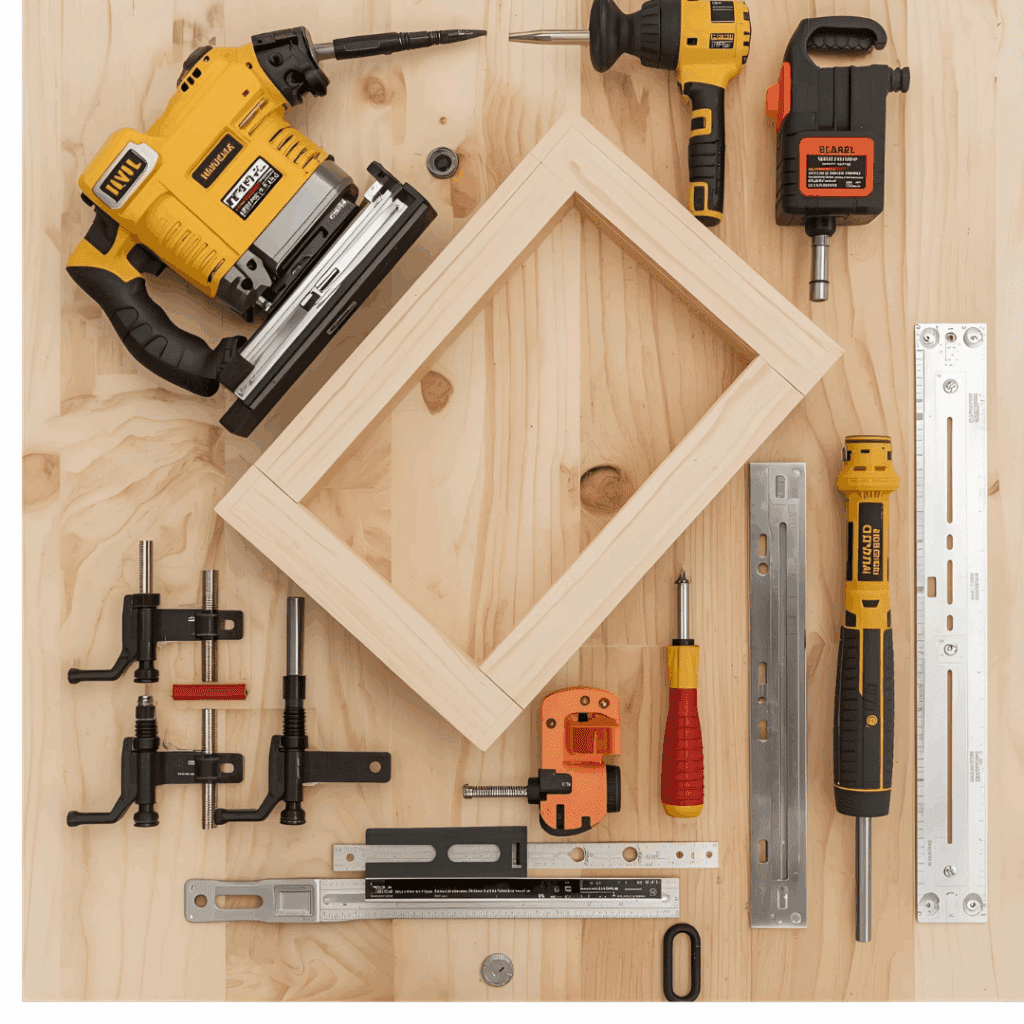
Moisture Meter — optional, but I like knowing my plywood is stable.
Clamps, drill/driver, square, tape measure, and patience.
How I Built My Oven Base Cabinet
Not a perfect build, just how it went in my garage.
Step 1: Cut the panels
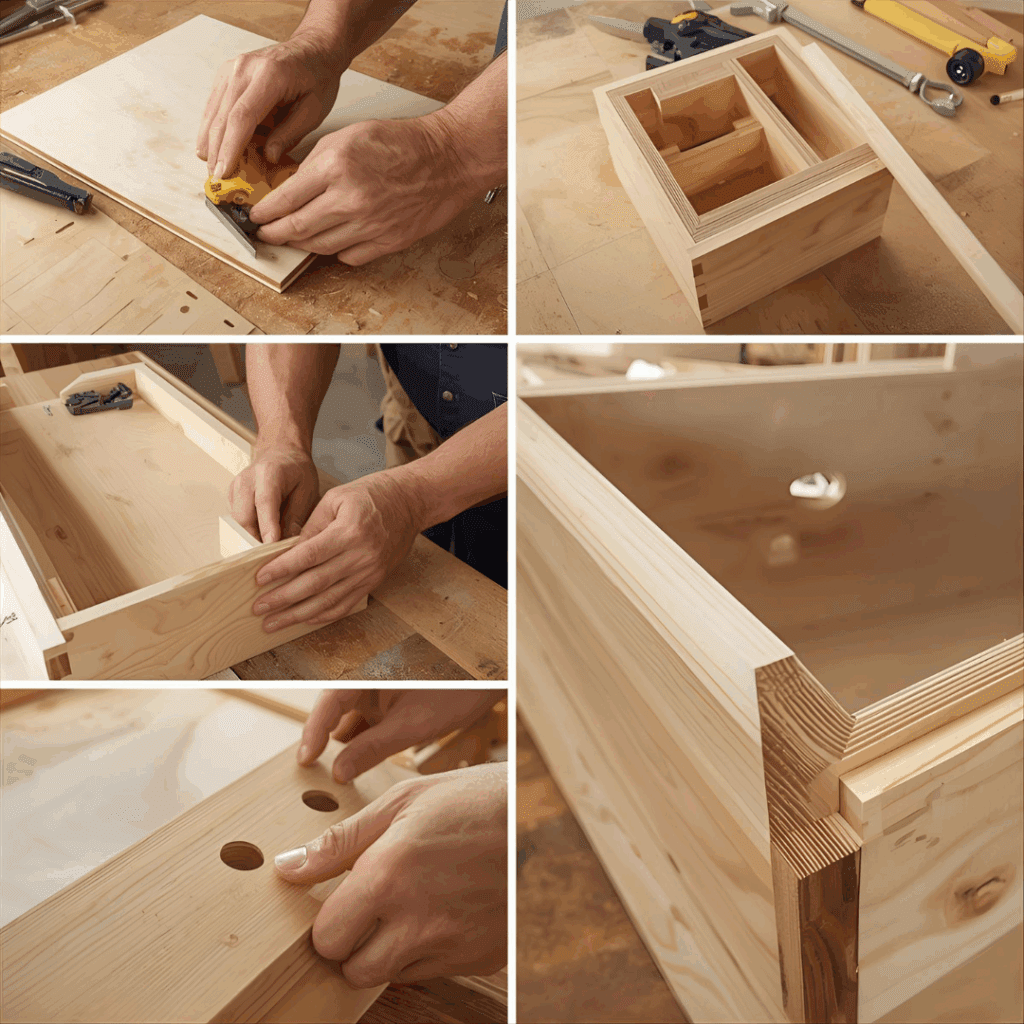
I hacked up a sheet of ¾ birch ply into the main pieces—two sides, bottom, back, and face frame. Halfway through, I realized I’d forgotten the gas line cutout, stopped cold, and fixed it quickly. If I hadn’t, I’d probably still be swearing at myself.
Step 2: Assemble the box
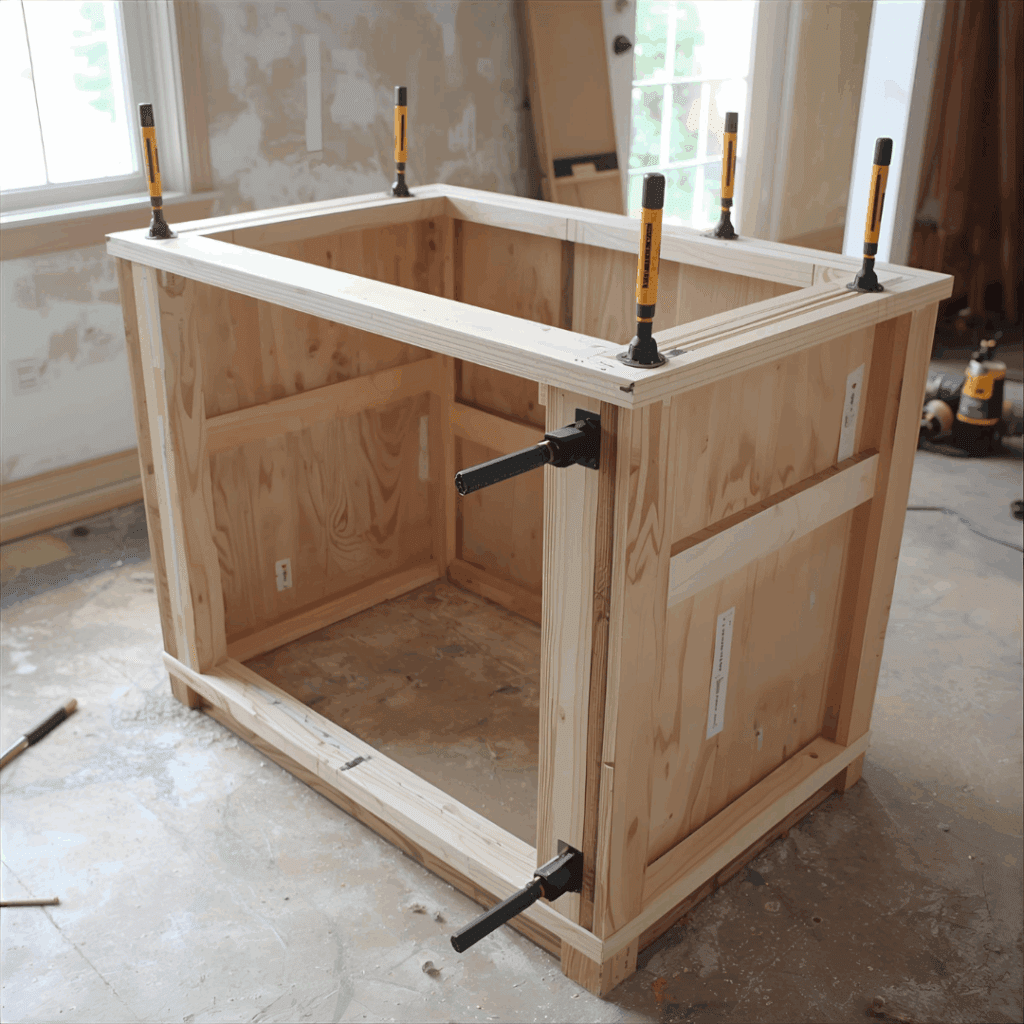
Pocket holes and glue. Simple, but it fought me the whole way. I clamped one side square, turned around, and the other side popped out. I must have tightened and loosened those clamps ten times before it finally looked right.
Step 3: Reinforce
I didn’t trust plywood alone, so I tossed in a 2×4 cleat at the base. Could it have held without it? Probably. But I didn’t feel like wondering every time the oven heated up. Cheap insurance, that’s how I see it.
Step 4: Add the face frame
Cut maple strips, glued and nailed them on. Suddenly, it didn’t look like a plywood box anymore—it looked like part of a kitchen. I actually stood there brushing sawdust off the frame like it mattered.
Step 5: Test the height
Laid a scrap countertop on top to check height. Off by a quarter inch. Figures. I jammed in a couple of shims, and it finally lined up. Standing back, it felt good—like, “okay, this belongs here.”
I’ve tried both routes, and each comes with its own quirks.
Building it yourself is perfect if you’ve got the tools and a free weekend. The best part is you can make the cabinet exactly how you want it—plywood thickness, reinforcement, drawer style, you name it. It usually costs less in raw materials, too. The downside? You’ll need patience and a decent workshop. I once thought I could bang one out in a single day… three days later, I was still sanding edges.
Pre-made cabinets from big box stores are fast and predictable. You can pick one up and slide it into place within hours. They line up with other cabinets and usually come in standard sizes, which saves some headaches. But they’re almost always particle board, and I’ve seen those sag after a couple of years under a heavy oven. If you’re doing a quick remodel on a budget, though, they’re a lifesaver.
Custom shop cabinets are the high-end option. A cabinet maker will measure your space and build exactly what you need, down to the last detail. They look incredible and usually last forever, but the price tag stings and you might be waiting weeks—or months—for delivery. That makes sense if you’re doing a dream kitchen, but not if you just need something functional next weekend.
👉 My take? If you like working with wood, go DIY. If you’re rushing a remodel, pre-made is fine. And if money isn’t a factor, custom shops are hard to beat.
Mistakes I’ve Made (So You Don’t Have To)
Ventilation: I ignored the manual once. The oven overheated and shut off mid-pizza night. Never again.
Particle board: Looked fine at first, then bowed under the oven’s weight.
No cutouts: Built a gorgeous box… with no space for the gas line. Took a jigsaw and some cursing to fix it.
Skipping reinforcement: I thought plywood alone was fine. It wasn’t. The countertop sagged until I added cleats.
Design Options That Actually Work
Your oven base cabinet doesn’t have to be boring. A few ideas I’ve tried or seen:
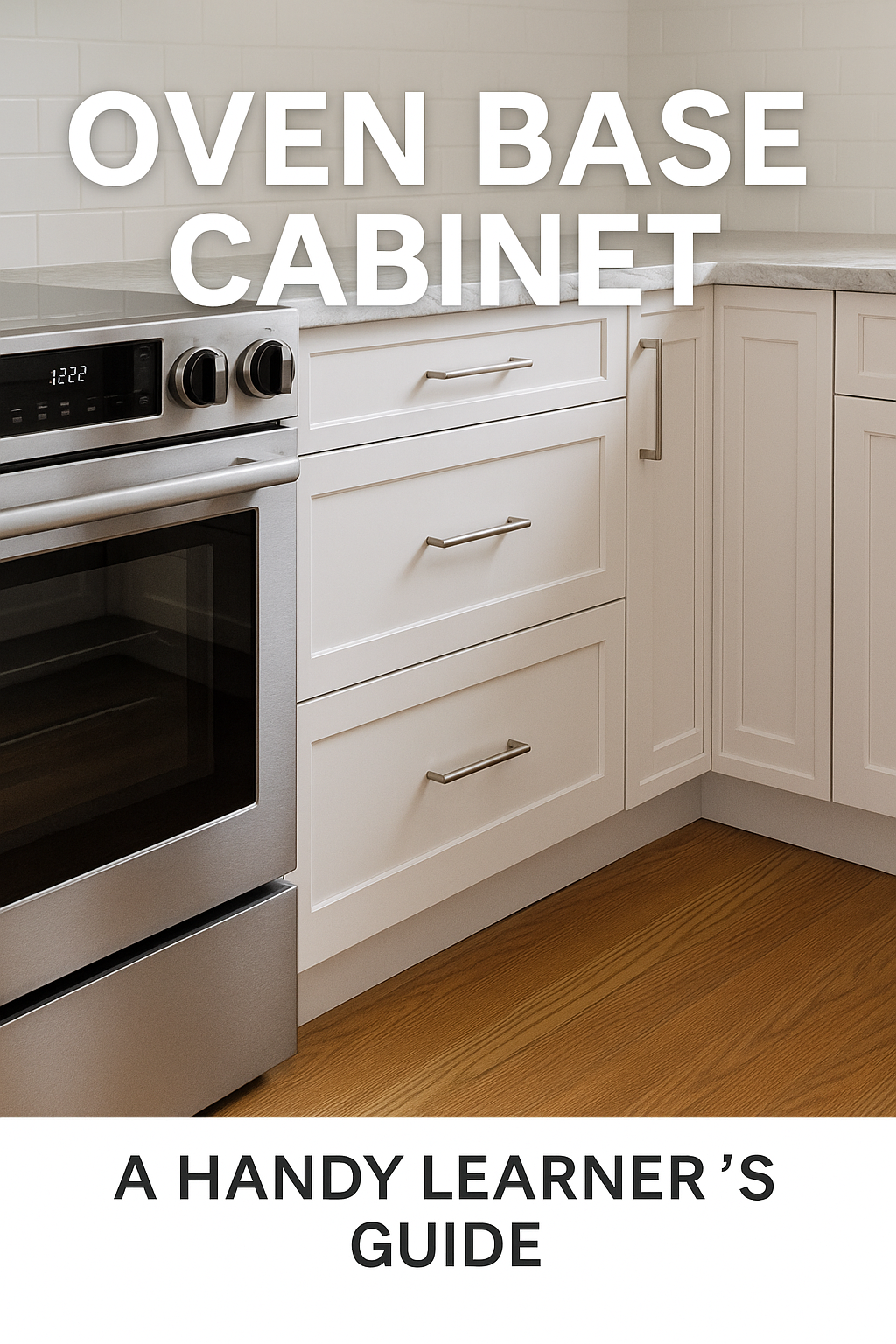
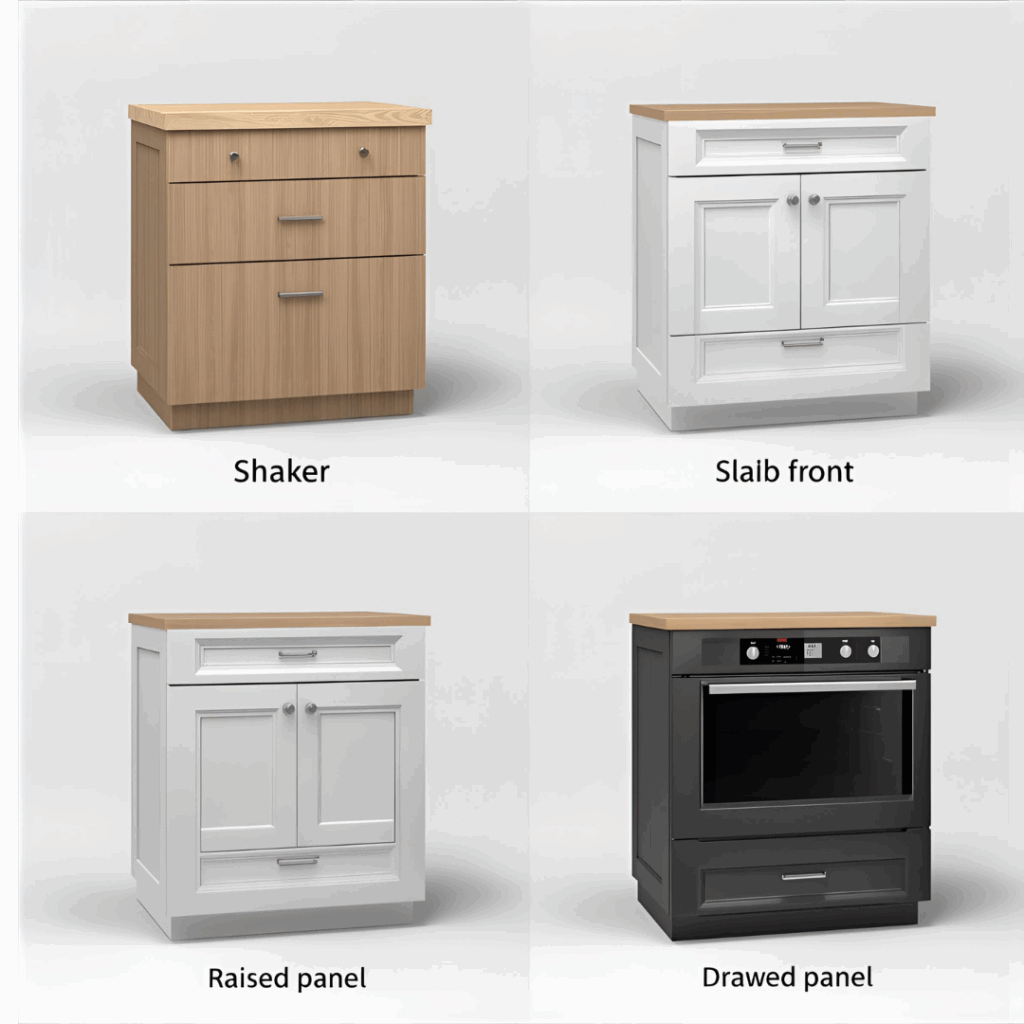
Shaker style — simple, classic, and hard to mess up. The clean square frame works in almost any kitchen, which is probably why you see it everywhere. If you’re building it yourself, it’s forgiving—straight cuts, nothing too fancy, just good proportions.
Slab front — modern and sleek. No panels, no fuss, just a flat door. Works great if you like a minimalist look or plan on painting everything one solid color. Easy to wipe down, too, which matters when the oven gets messy.
Raised panel — a little more detail, better for traditional kitchens. It takes more work to cut and assemble, but the extra depth gives the cabinet a bit of character. Looks especially nice in stained wood where the shadows show off the grain.
Drawer under oven — one of the smartest add-ons you can make. Perfect for pans, cookie sheets, and anything that always seems to be in the way. Instead of leaning them against a wall or cramming them in a closet, you just slide them out when you need them.
Here’s about what I ended up spending (give or take a bit):
Hardware – add another $50–$200, depending on how nice you want the hinges, pulls, and slides. I went middle-of-the-road, but it’s easy to blow the budget here.
DIY plywood build – around $150–$300 in wood and hardware. That’s if you already have glue, screws, and clamps on hand.
Pre-made from a big box store – usually $300–$800. You get convenience, but the fit isn’t always perfect.
Custom shop build – $800 on the low side, $2,000 or more if you want something fancy. Honestly, I got quotes that made me laugh out loud.
FAQs about Oven Base Cabinet
Do oven base cabinets need ventilation? Yes—always. Follow the oven manual.
Can I put a drawer underneath? Yes, if there’s enough clearance. Many pre-mades include one.
What plywood should I use? Cabinet-grade ¾″ birch plywood is my favorite.
Can I adapt a standard cabinet? Maybe, but reinforce it. Standard boxes aren’t built for oven weight.
The oven base cabinet isn’t glamorous. Nobody walks in and compliments it. But it’s the piece that holds everything steady—your oven, your counters, the whole setup. Get it right and you’ll never think about it again. Get it wrong and you’ll be staring at crooked seams and cursing sagging plywood every time you cook.
If I had to give advice? Slow down. Measure twice, even if you’re sure. Add extra support—you’ll thank yourself later. Whether you build one from scratch or buy it pre-made, a strong oven base cabinet just quietly does its job, year after year.
Drying Wood in Oven: A Complete DIY Guide by Admin September 23, 2025 More About Most people don’t give a second thought to drying wood in an oven until something goes wrong. I didn’t either. I slapped together a pine…
How to Build a Cob Oven (Complete DIY Guide) by Admin May 12, 2025 DIY I was at a friend’s off-grid homestead a few summers back when I watched them pull a bubbling pizza from a dome of sculpted earth.…
Cabinet Grade Plywood: A Complete Buying Guide by Admin October 10, 2025 Hardwood If you’ve ever opened a cabinet door and admired how solid, smooth, and seamless it feels, chances are you were looking at cabinet-grade plywood.It’s not…