Eucalyptus wood is quickly gaining attention as a sustainable, durable, and affordable alternative to traditional hardwoods like teak, birch, and maple. While many people know eucalyptus for its medicinal uses — from easing asthma to repelling ticks — the wood itself has quietly become a top choice for furniture, flooring, cabinetry, and even plywood panels.
What Makes Eucalyptus Wood Special?
Eucalyptus is a fast-growing hardwood native to Australia. There are over 700 known species, many of which were introduced to California in the 1850s amid concerns about a national lumber shortage. That crisis never materialized, but eucalyptus stuck around—and it grows fast. Most species reach maturity in just 30–35 years, making them ideal for plantation-style forestry.
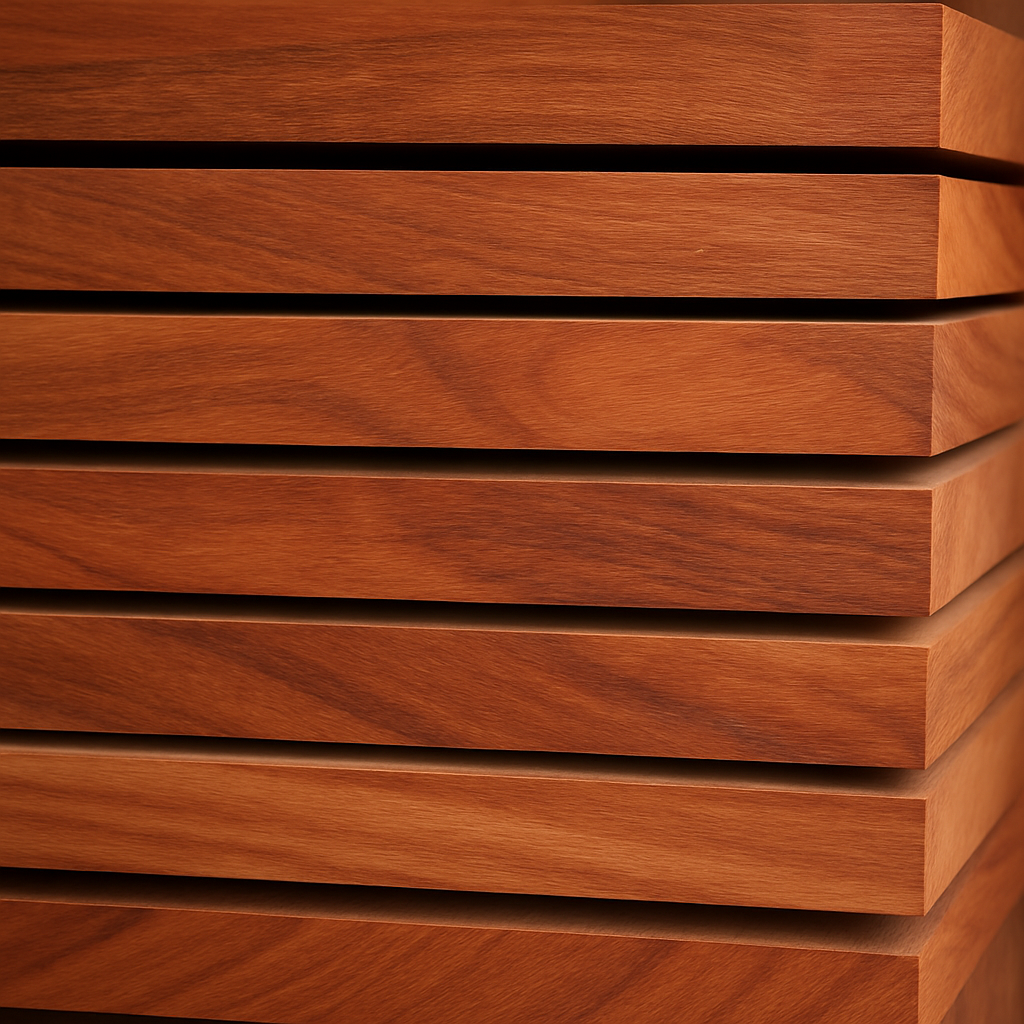
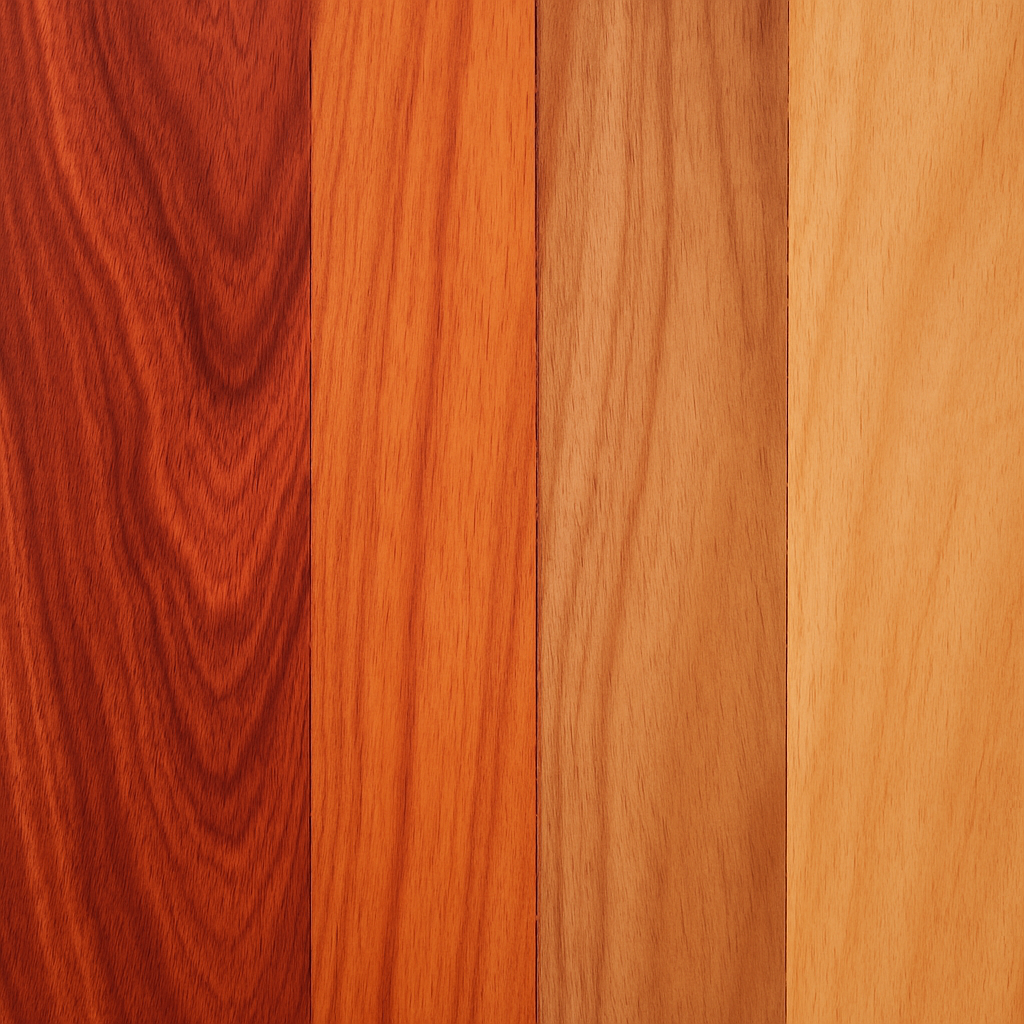
The wood itself is beautiful, with a grain and tone similar to teak. Depending on the species, eucalyptus ranges from reddish hues to sandy, light browns. When properly harvested and milled, the boards are dense, smooth, and strong—perfect for high-end furniture, flooring, fencing, and architectural trim. Eucalyptus Wood: The Overlooked Teak Alternative for Furniture and Flooring.
When people speak of eucalyptus, they most often think of its medicinal properties. Eucalyptus oil has long been used to treat nasal congestion and asthma, as well as to repel ticks. It is also used as a herbal remedy for arthritis and skin ulcers.
Eucalyptus Wood: Challenges and Acceptance in the Industry
Yet the wood of the eucalyptus tree has been largely ignored. This beautiful wood looks similar to teak, although its color can vary, from a reddish hue to the color of sand. Eucalyptus wood has been successfully used as a replacement for teak in both outdoor furniture and hardwood flooring. Yet its acceptance by the woodworking industry has been slow.
Much of the reluctance to use eucalyptus wood and plywood has been due to the difficulties of drying the wood. When harvested, eucalyptus has a very high moisture content, making it so that the wood warps, twists, and cracks easily when drying. Drying must be undertaken as soon as the wood has dried. If it is not dried correctly, much of the wood is rendered unusable for construction, furniture, and other woodworking uses. However, a new method of cutting, developed by the Dehra Dun-based Forest Research Institute, has developed a new method of “radial sawing” which yields a much higher rate of usable lumber from eucalyptus logs.
Eucalyptus is not a single type of tree, but rather a family of over 700 types of trees and bushes, growing primarily in Australia. It was imported from there to the United States in the 1850s, where it was planted in California in anticipation of a lumber shortage that never happened. The various types of eucalyptus trees grow rapidly, making them a very sustainable wood to use.
Eucalyptus Wood Drying Challenges and How to Overcome Them
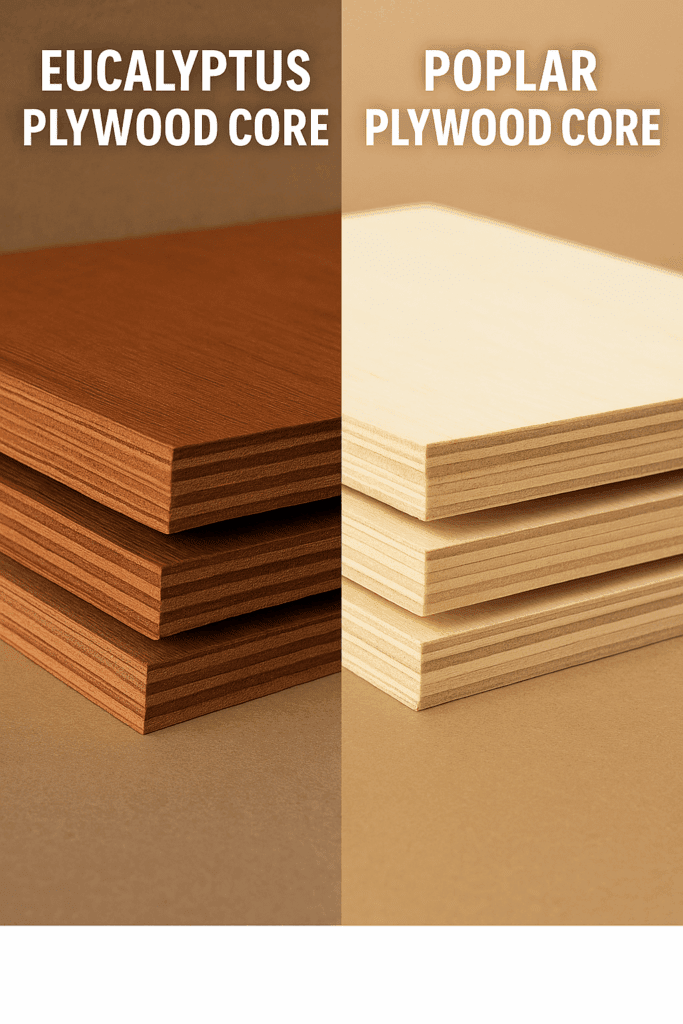
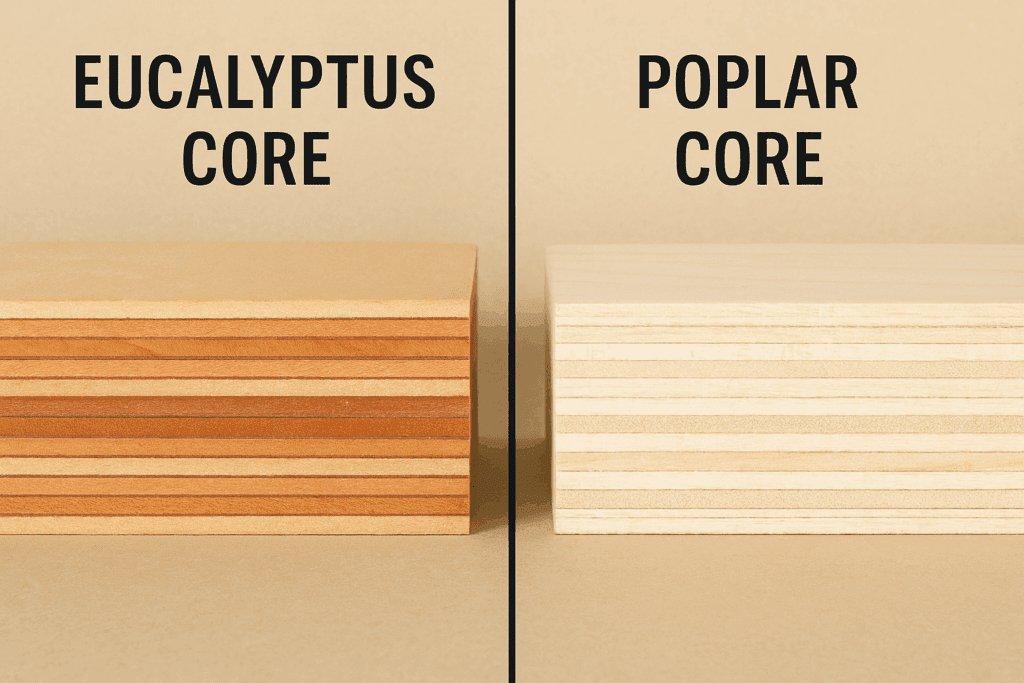
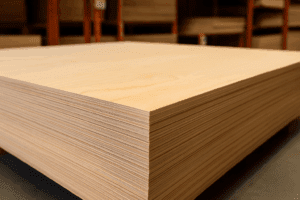
Most eucalyptus plywood is manufactured in China, where the tree is grown on large plantations. Trees can be harvested in as little as 35 years, much faster than many other hardwoods. With the recent advancements in wood cutting methods, this makes it a viable substitute for poplar as a material for making up the core plies in hardwood plywood. Eucalyptus plywood may be finished in a variety of ways, with other hardwoods providing the face and back veneers, while the core is made of eucalyptus wood. When compared to plywood made with a poplar core, eucalyptus core plywood is darker and slightly heavier. The higher density of the wood makes for stronger plywood.
Eucalyptus wood is also made into hardboard, which is available through Home Depot. The higher density of the wood works well for tempered boards, creating a highly durable product. Natural oils in the wood help it resist decay and insects. The wood is naturally water-resistant and will not become damaged if it gets wet.
While eucalyptus is a strong wood, it tends to be a bit on the brittle side, with low shock resistance. It also tends to expand and contract more severely than other types of wood from changes in the moisture and temperature. Eucalyptus is not a good wood choice for cold climates, especially for outdoor use. However, it is used extensively for outdoor applications in warmer climates. It can be found in furniture, fencing, millwork, paneling, and support beams.
Tips for Working with Eucalyptus Wood
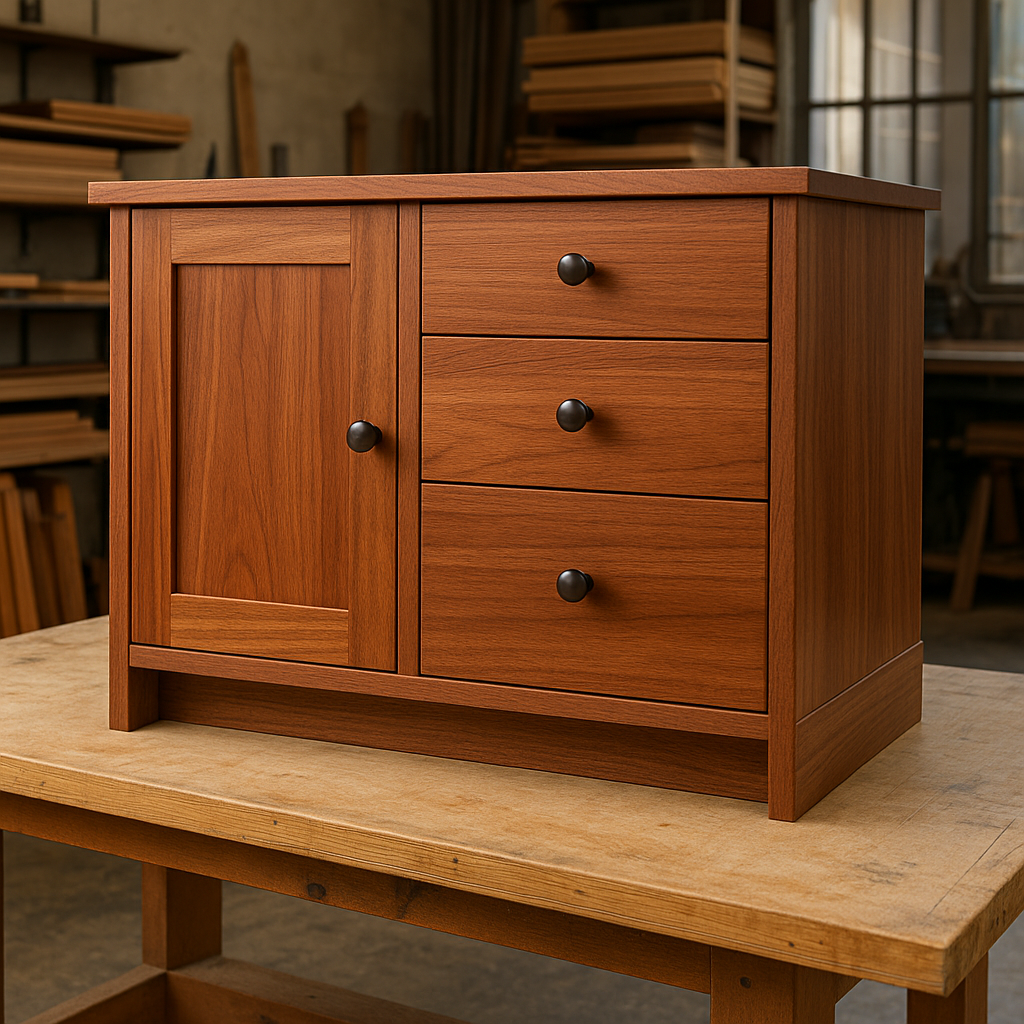
Eucalyptus wood is a popular replacement for teak in the manufacture of furniture. The greater availability and faster growth of the tree lead to lower prices, while providing a wood that is similar in appearance and durability. Properly finished outdoor furniture made from eucalyptus wood or plywood can be expected to last 25 to 30 years.
However, if the wood is not properly treated, it will fade, taking on a light gray tone. Faded wood can be brought back to its original beauty by sanding and oiling it.
Is Eucalyptus Plywood Easy to Find in the U.S.?
Eucalyptus plywood can be difficult to find in the United States. When available, it is priced comparably to domestic hardwood plywood. In most cases, the cost of shipping is more prohibitive than the cost of the plywood itself.
However, eucalyptus turning blanks and slabs are readily available, some even book-matched for making fine furniture.
Tips for Working with Eucalyptus Wood
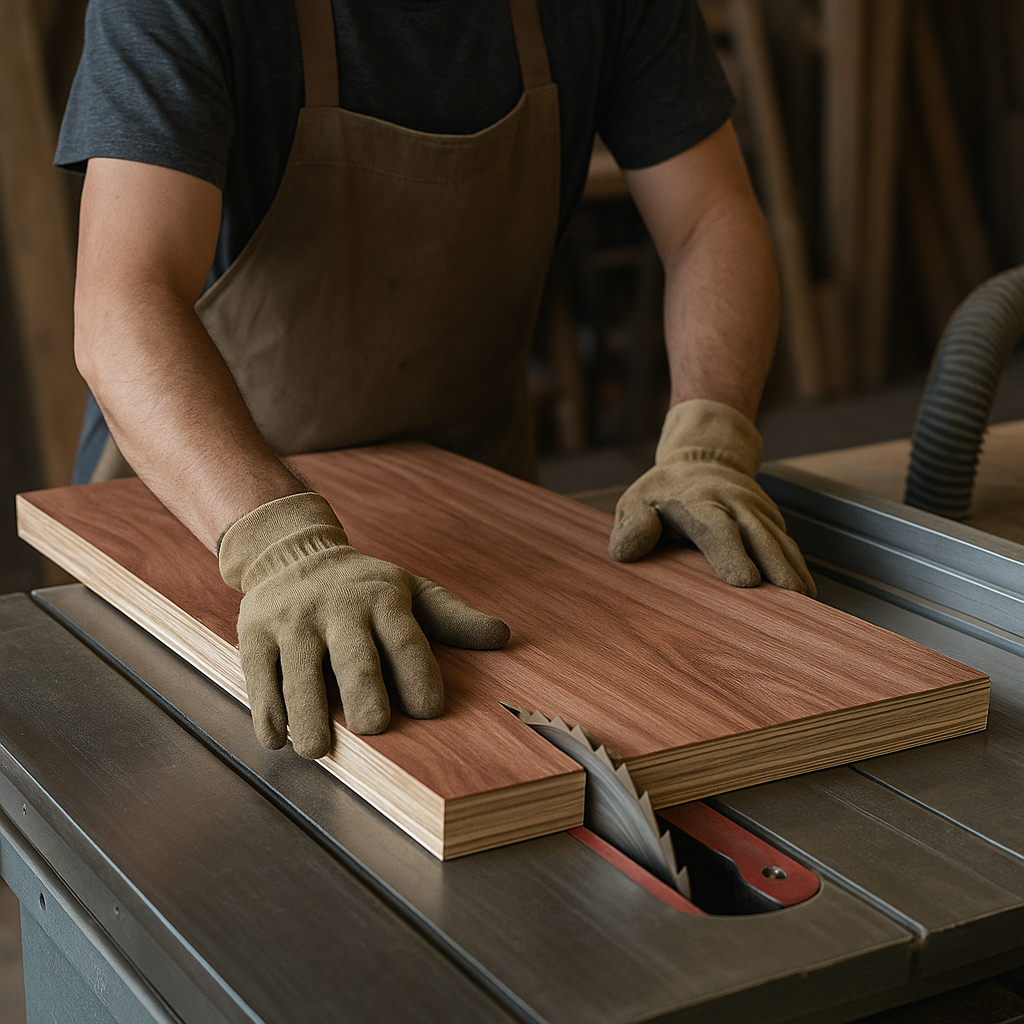
While eucalyptus is not difficult to mill, its sensitivity to moisture should be taken into consideration when using it. Allow boards time to acclimate to the temperature and moisture level in the workshop before using the wood to avoid shrinkage problems.
Be sure to seal the cut ends of pieces well when finishing projects to reduce the wood’s ability to absorb moisture.
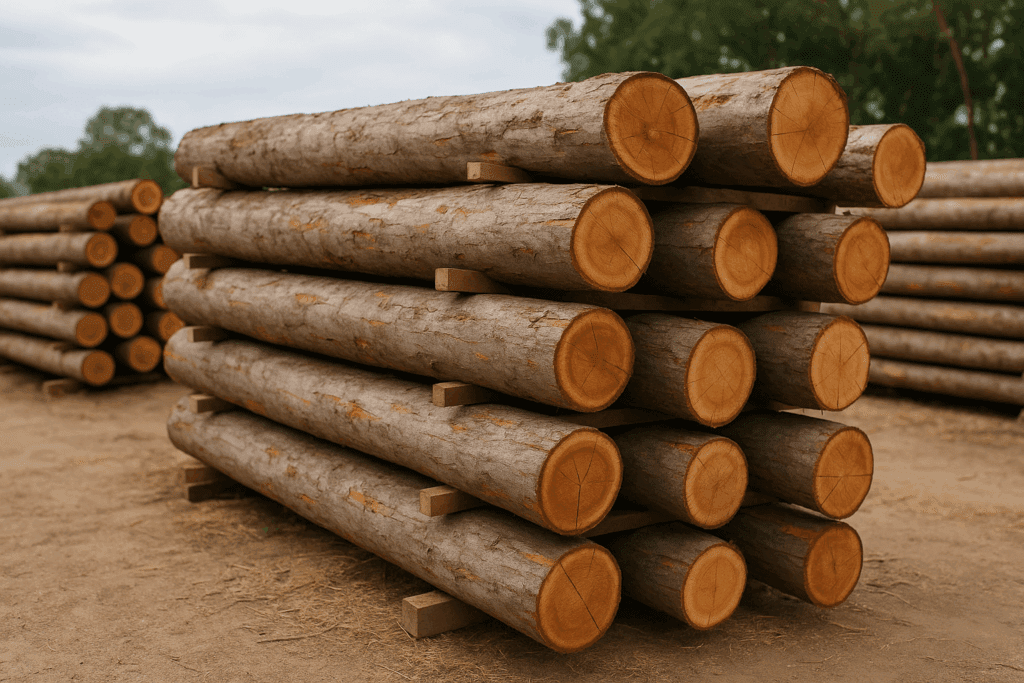
So why hasn’t eucalyptus completely taken over the hardwood market? The problem has always been drying. When eucalyptus trees are cut, the logs hold an exceptionally high amount of water—sometimes more than half the log’s weight is moisture. If the wood is rushed through the drying process, it almost always warps, cracks, or twists. Boards can cup like potato chips or split down the center, turning a valuable log into nothing more than firewood.
For decades, this high rate of loss kept builders and furniture makers away. Nobody wanted to invest time and money into milling lumber that might end up in the scrap pile. I’ve seen stacks of eucalyptus planks that looked fine at first, only to twist so badly within weeks that they were unusable for anything other than rustic fencing.
But in the past few years, new methods have started to change eucalyptus’ reputation. Careful kiln-drying schedules now gradually reduce the moisture content instead of forcing the process. Air-drying in controlled conditions before kiln treatment has also improved results. Perhaps the biggest breakthrough came from the Forest Research Institute in Dehra Dun, India, which pioneered a method called radial sawing. By cutting logs so that the boards radiate out from the center, the stress during drying is minimized. Instead of losing half the material, mills can now recover a much larger percentage of usable lumber, making eucalyptus a realistic competitor to more traditional hardwoods.
With these advancements, what was once considered a risky wood is slowly becoming a smart option for flooring, cabinetry, and even fine furniture. The challenge of drying hasn’t disappeared entirely, but it’s no longer a deal-breaker—and that’s opening the door for eucalyptus to step into the spotlight.
Eucalyptus Wood and Plywood: Strong, Dense, and Affordable
Eucalyptus Plywood Production and Uses
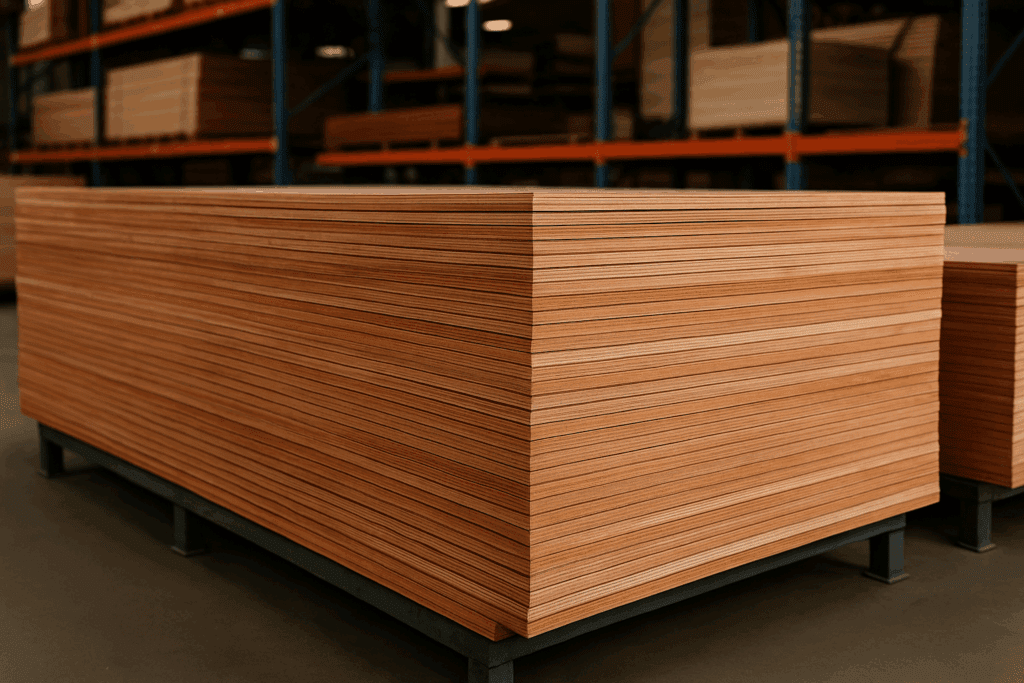
Today, much of the world’s eucalyptus plywood comes from China, where vast plantations of the species have been planted specifically for timber and veneer. These trees grow quickly and produce dense wood, which makes them an attractive alternative to more traditional options. Eucalyptus has become one of the most common substitutes for poplar in the core layers of plywood panels.
When you compare eucalyptus-core plywood to poplar-core plywood, a few differences stand out immediately. Eucalyptus tends to be noticeably darker and heavier, which reflects its higher density. That extra density gives the plywood greater strength, making it more resistant to dents, wear, and impact over time. For anyone building furniture, cabinets, or flooring that has to endure daily use, that extra toughness is a real advantage.
What makes eucalyptus plywood especially versatile is how it pairs with decorative veneers. A manufacturer can add oak, birch, walnut, or another attractive hardwood to the face and back, while relying on the eucalyptus core to provide stability and durability. The result is a panel that looks refined on the outside but has a tough inner core designed to hold up under stress. It’s this combination of beauty and resilience that has made eucalyptus plywood increasingly popular for applications where both appearance and performance matter.
Working With Eucalyptus in the Shop
Eucalyptus mills cleanly, but it’s moisture-sensitive. That means:
Let the boards acclimate in your shop for at least a week before cutting
Seal the ends of cut boards to prevent moisture absorption
Store it flat to prevent cupping or twisting
Use sharp blades and dust extraction, as it can be tough on tools
Pro Tip: Eucalyptus edges soak up finish quickly. To avoid blotching, use a pre-stain conditioner or seal the ends with glue or shellac before final finishing.
How Much Does Eucalyptus Plywood Cost?
In the United States, eucalyptus plywood isn’t something you’ll usually spot in the racks at a local big-box store. It’s more often brought in from overseas, and in many cases, the cost of shipping can outweigh the price of the wood itself. That said, if you manage to source it through a specialty supplier, the price usually lines up with what you’d pay for common cabinet-grade hardwood plywood like birch or maple.
This makes eucalyptus plywood an appealing option when you can get it, since you’re not paying a premium for strength and sustainability. Builders who’ve worked with it often mention that the material feels denser and sturdier compared to domestic cores, which adds long-term durability for projects like cabinetry or built-ins.
To give a clearer idea of how eucalyptus compares, here’s a simple price snapshot for mid-2025. These are typical U.S. retail costs for 3/4″ (19mm) cabinet-grade plywood in a standard 4×8 ft sheet:
Plywood Type
Typical Price (Per 4×8 Sheet)
Availability
Notes
Eucalyptus
$55–$70
Limited in U.S.
Imported, eco-friendly, good for furniture
Maple
$65–$85
Widely available
Hard, durable, great for cabinets and shop furniture
Birch
$50–$70
Very common
Baltic birch higher quality, excellent for joinery
Final Thoughts: Should You Use Eucalyptus Plywood?
Eucalyptus plywood isn’t something you stumble across every weekend and run to the lumber store. When I finally tracked some down, I was surprised at how heavy the sheets were compared to poplar-core panels. I lugged them into the shop and immediately thought, These are built differently. That weight carried over to the project, too — the shelves I built felt like they could hold an engine block without bowing.
But I also learned the hard way that eucalyptus doesn’t like to be rushed. The first sheet I ever used went from the truck to the saw on the same afternoon. A week later, one edge had shifted just enough to throw my cabinet doors out of square. It doesn’t sound like much, but if you’ve ever hung doors, you know how irritating that is. Since then, I’ve forced myself to let the panels sit for a few days and take the time to seal the edges. It’s one of those small steps that pays off big, especially in damp rooms like bathrooms or basements.
Once you get used to its quirks, eucalyptus is a material you can rely on. It’s tougher than poplar, shrugs off bugs better than birch, and it looks great under a clear finish. It might take more effort to source, but when I can get it, I don’t hesitate to put it to work.
Related Posts:
ACX Plywood Guide: Uses, Benefits & Costs by Admin September 2, 2025 Grades If you’ve walked through the lumber aisle at your local home improvement store, you’ve probably seen stacks of plywood labeled ACX. At first glance, it…
Precast Concrete Steps: Costs, Benefits & Installation Guide by Amy Reed March 21, 2025 More About Precast concrete steps are ready-made cement stairs, staircases, or hollow cement steps that can be installed outside existing staircases on a property or business premise.…