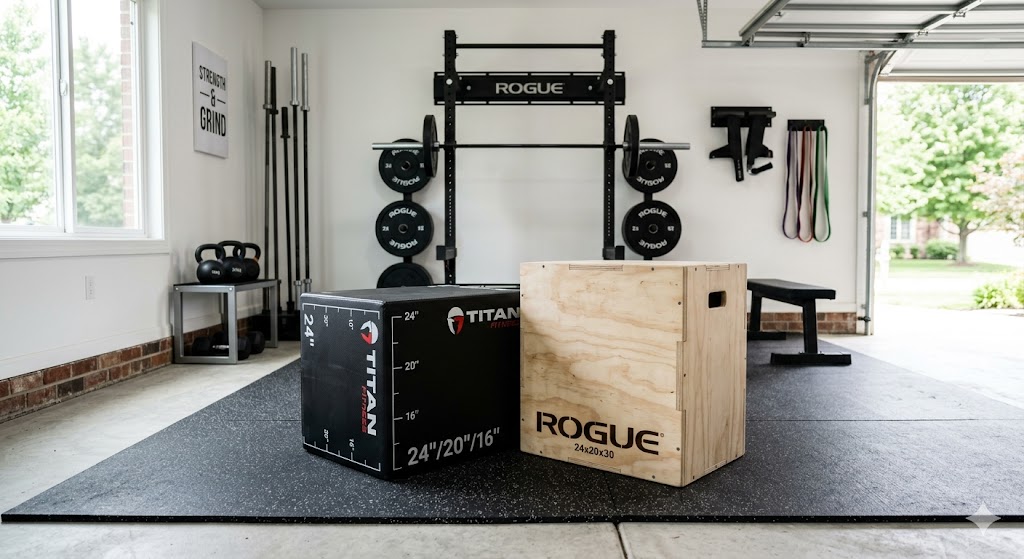
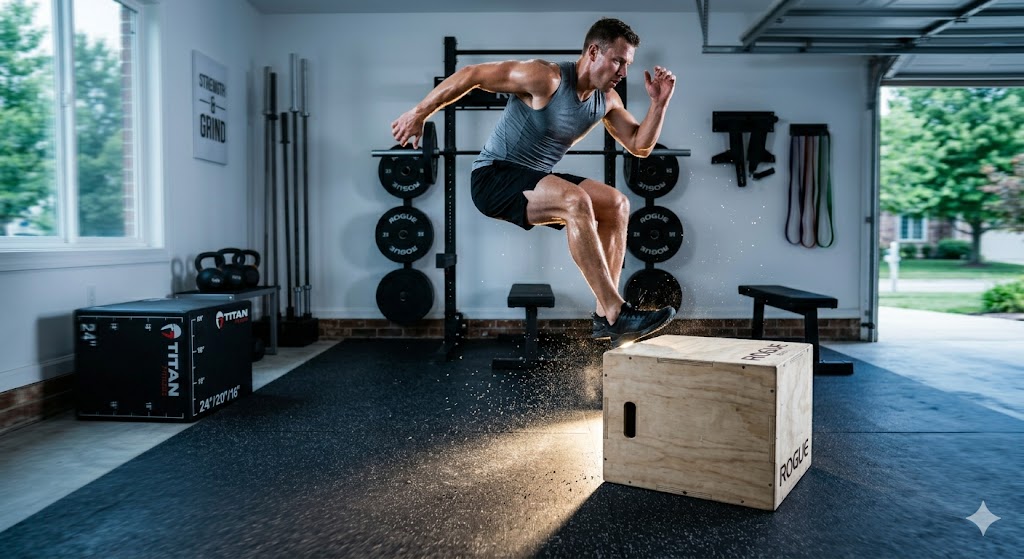
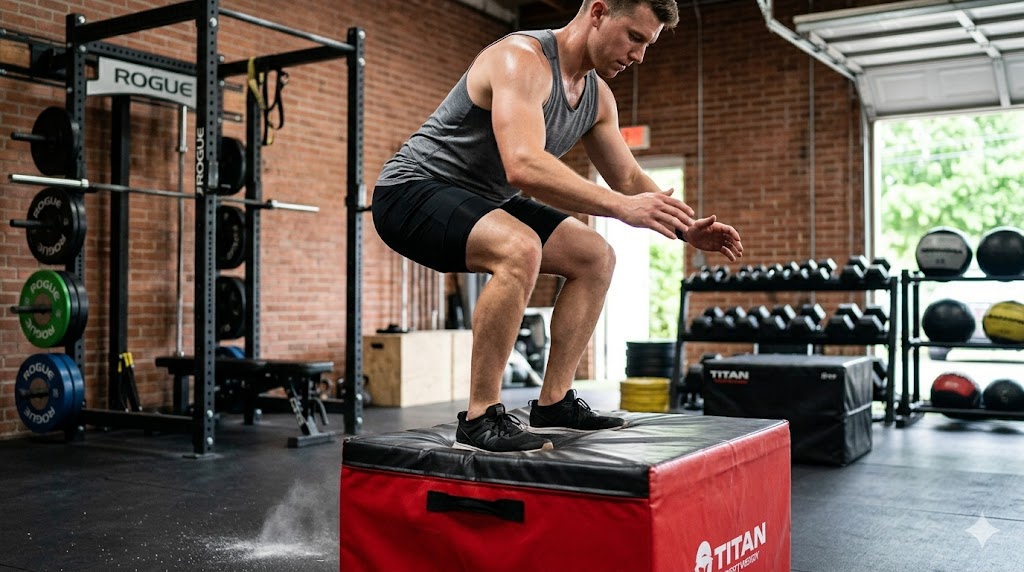
The best plyo box for most home gyms in 2026 is a heavy foam box with a weighted core, because it combines safety, stability, and durability. Wooden boxes offer maximum performance, but foam boxes reduce injury risk and allow consistent training, especially for beginners and solo users.
Choosing the wrong plyo box isn’t just a waste of money—it’s a safety hazard that leads to the dreaded “shin burger.” In this comprehensive 2026 guide, we break down the best boxes by stability, materials, and long-term value to ensure you build explosive power without a hospital bill.
👉 If you want a plyo box that lasts years and minimizes injury risk, these are the exact picks most home gym owners choose:
Benefits of Plyo Box Training
Plyo boxes aren’t just for jumping—they develop multiple athletic qualities at once.
Increased Explosive Power
Box jumps train fast-twitch muscle fibers, which are responsible for speed and power. This directly improves sprinting, jumping, and overall athletic performance.
Reduced Joint Impact
Compared to jumping on flat ground, landing on a raised surface reduces the eccentric load on your knees and ankles. This allows for more volume without overuse injuries.
Improved Coordination and Balance
Every jump requires precise timing, body control, and stable landings. Over time, this improves coordination and reduces the risk of injury in other activities.
Better Conditioning
Plyo box circuits elevate your heart rate quickly, making them effective for fat loss and high-intensity training.
💡 Bottom line: Plyo boxes build power, improve control, and reduce long-term joint stress compared to traditional jumping.
If you want a proven setup without overthinking it, these are the most reliable options right now:
REP Fitness Soft Box – Best for safety and home gyms.
Synergee Wood 3-in-1 Box – Best budget performance.
Rogue Games Box – Best for competitive athletes.
Titan Adjustable Box – Best for small spaces.
💡 These are the same models used in most professional garage gyms and CrossFit-style setups today.
🛑 The “Home Gym Regret” List: 3 Mistakes to Avoid
Before you buy, read these three common errors that ruin home gym progress:
The “Ego-Height” Buy: Purchasing a 30-inch box when your vertical is 20 inches. This leads to hesitation, lower power output, and inevitable injury.
Ignoring Weight: If your box weighs less than 30 lbs, it will slide on impact. Look for weighted cores.
The Bare Floor Slip: Never use a wooden box on polished concrete. It’s essentially a high-speed sled once you jump on it.
## Best Plyo Box for Your Situation (Quick Decision Guide)
🧊 Beginner / First-Time Buyer
Go with a foam plyo box. Beginners often struggle with the “mental block” of jumping onto a hard object. Foam eliminates the fear of missing and allows for the consistent reps needed to master the movement.
👉 Recommended height: 16″–20″
🏋️ Performance / Athletic Training
Go with a wooden plyo box. High-level athletes require zero energy loss to measure true explosive output. Wood provides a rigid surface for maximum force development.
👉 Only if your landing is perfect every time.
🏠 Home / Garage Gym (Most People)
Go with a heavy foam box (with a weighted core). Training at home often means training alone. A weighted foam box is significantly safer, quieter for family members, and doesn’t slide easily on floor mats.
📦 Small Space / Apartment
Go with an adjustable steel box. These nesting or pin-adjustable frames offer multiple heights while taking up minimal storage space.
💡 Simple rule: Train alone → foam. Train for max performance → wood.
## What Is a Plyo Box (And Why It Actually Works)
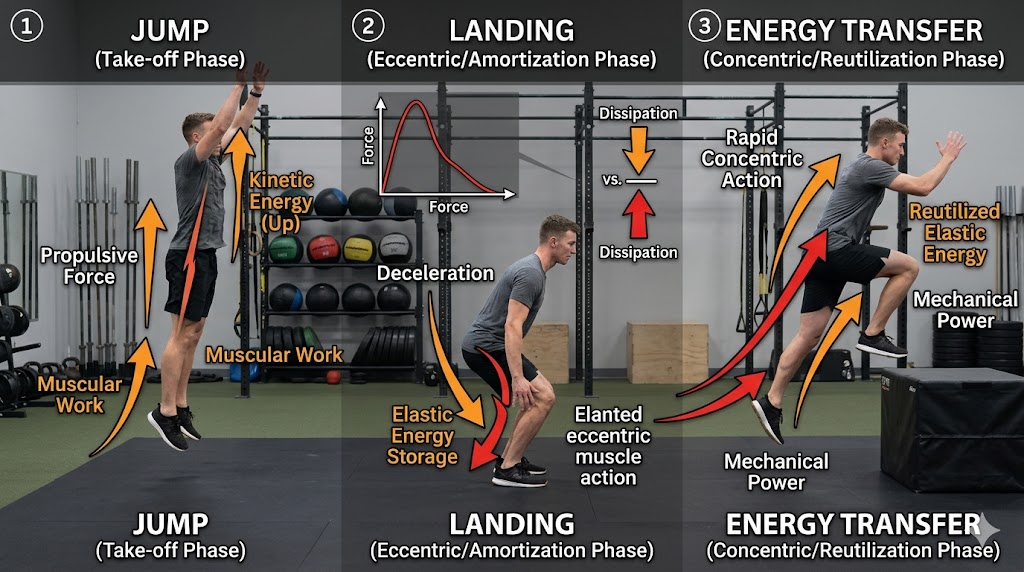
A plyo box is a tool designed to train explosive power using the stretch-shortening cycle (SSC). When you jump, your muscles and tendons load like a spring. The faster that transition happens, the more power you produce.
Why box jumps beat regular jumps:
Reduced Impact: You land higher than you started, saving your joints from the 4-6x bodyweight force of a ground landing.
Safer Volume: You can do 20 reps on a box with the joint fatigue of only 5 reps on flat ground.
Form Target: The box provides a clear visual cue for landing mechanics.
❌ The #1 Beginner Mistake: The “Ego Height” Trap
Purchasing a 30-inch box before you can stick a 20-inch landing is the fastest way to get hurt.
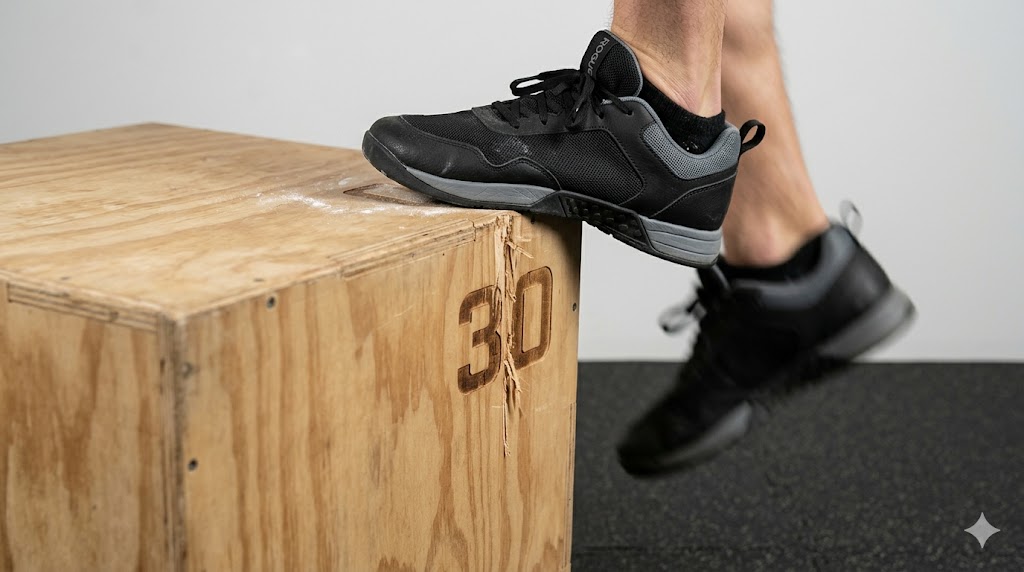
⚠️ Warning: When you are fatigued, your vertical drop increases. A wooden edge does not move. If you clip your toes, you aren’t just missing a rep; you’re losing skin and likely facing a multi-week recovery.
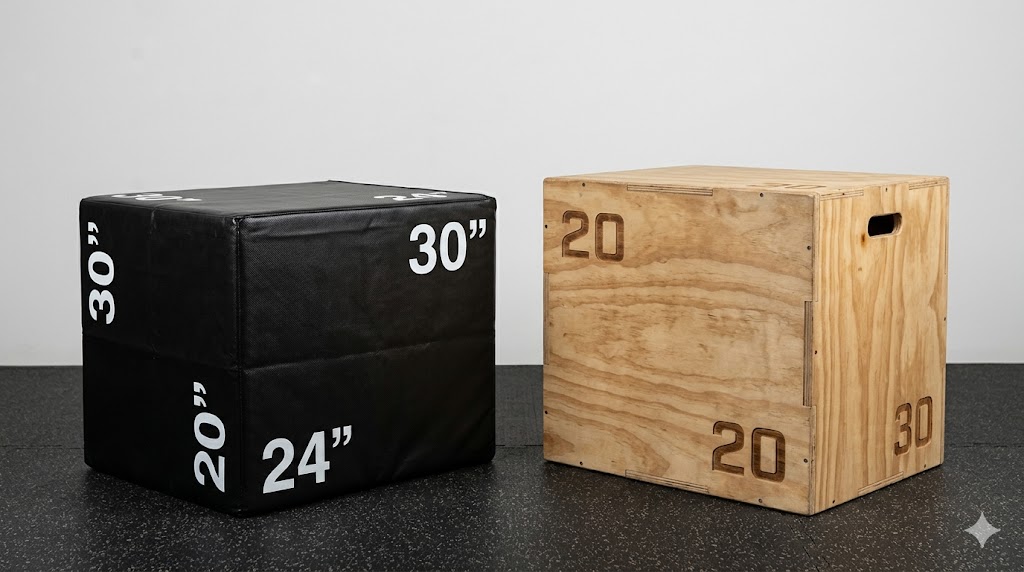
The Fix: Start with a “Medium” 3-in-1 box (24/20/16). It allows you to grow to your height while providing a safer starting point at 16 inches.
⚖️ The Comparison: Plyo Box vs. Alternatives
Method
Power Output
Joint Stress
Cost
Versatility
Plyo Box
High
Low
$75–$200
Very High
Stairs
Medium
Medium
Free
Low
Broad Jumps
High
High
Free
Medium
Tuck Jumps
Medium
Very High
Free
Low
When You Should NOT Use a Plyo Box
While explosive training is beneficial, a plyo box isn’t for everyone. If you currently suffer from chronic knee pain or patellar tendonitis, the high-velocity impact (even on foam) can exacerbate inflammation. In these cases, weighted step-ups are a much better high-yield alternative.
Furthermore, if you are an absolute beginner who cannot yet perform a controlled air squat or land stably from a 6-inch curb, jumping onto a 20-inch box is dangerous. You must establish landing control first. Without the ability to absorb force quietly and maintain knee tracking, the risk of ACL or meniscus stress far outweighs the power-building benefits.
💸 Cost Difference: Is DIY Actually Cheaper?
DIY Cost: A sheet of ¾” ACX plywood is roughly $55. Add screws, glue, and a 2-hour time investment.
Retail Cost: A pre-cut CNC box like the Synergee 3-in-1 retails around $85.
The Regret Factor: For a $30 difference in cost, you get rounded edges and guaranteed squareness.
🔍 Deep Dive: If you decide to go DIY, understanding the Types of Plywood available is critical. You might even find that the Best Plywood for Cabinets offers the density needed for a high-impact tool.
🧪 Wood vs. Foam: The Real-World Test
The Wooden Box (The Industry Standard)
Pros: Rock solid. Zero energy loss. Best for outdoor use.
Cons:Extreme shin danger. Wood does not forgive.
The Soft Foam Box (The Modern Choice)
Pros: Uses a wooden core wrapped in dense foam. 🧪 Real Test: We “tripped” on purpose during a 24-inch jump. Result? A soft bounce instead of a trip to the ER.
Cons: Higher initial cost difference.
## Foam vs. Wood vs. Steel Plyo Boxes (Full Comparison)
Real-World Performance Differences
Landing Stability: Wood is rigid. Foam compresses slightly; while this reduces joint stress, it can feel less stable if you land too close to the edge.
Confidence Factor: Most beginners hesitate on wood. Foam boxes remove that mental barrier, allowing you to train explosively without fear.
Noise: Wood boxes are loud. Foam boxes absorb sound, making them far more practical for indoor or apartment training.
⚠️ Quick Reality Check
Most people don’t quit plyo training because it doesn’t work. They quit because they chose the wrong box.
Too high → creates fear and hesitation.
Too light → leads to instability and sliding.
Too hard → results in painful shin injuries.
💡 The right setup removes all three, keeping you consistent for years.
## What Size Plyo Box Should You Actually Use?
Beginner: 16″–20″. Focus on “quiet” landings.
Intermediate: 20″–24″. Add a weighted vest.
Advanced: 24″–30″+. Only if you land consistently and silently.
How to Test Your Ideal Height
Measure Vertical: Mark your highest reach on a wall.
Subtract 6–10 Inches: This is your “safe training height.” (Example: A 26″ vertical jump = 16″ or 20″ box).
Test Landing: If you land loudly or your knees wobble, the box is too high.
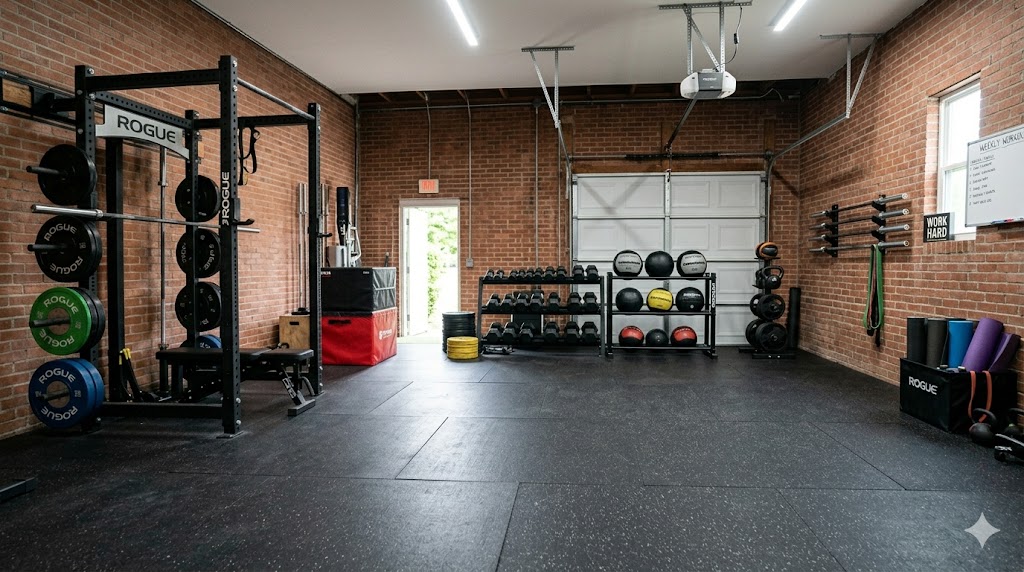
## Best Plyo Box Setup for a Home Gym
🧱 Floor Setup
Rubber stall mats are mandatory. Wood on bare concrete is a recipe for a slip-out warning.
Always place your box against a wall or on a dedicated non-slip surface. This ensures that if you land “short,” the box has nowhere to go.
## Plyo Box Exercises Beyond Box Jumps
💡 Key insight: If you only use it for jumps, you’re only using 20% of its value.
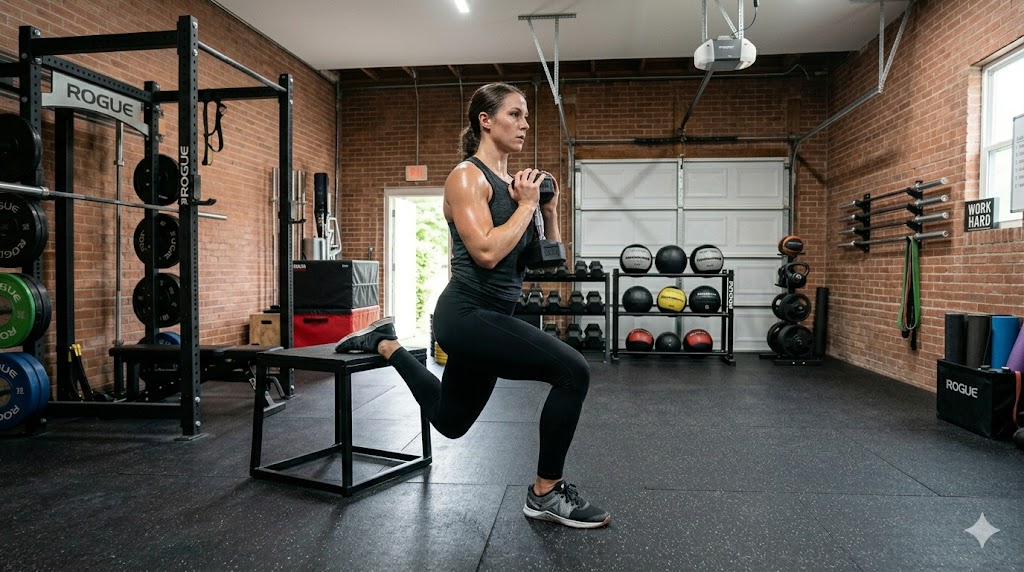
Bulgarian Split Squats: Place rear foot on the box for incredible glute strength.
Box Squats: Teaches proper depth and power out of the hole.
Step-Ups (Weighted): Safer than jumps for those with knee issues.
Incline/Decline Push-Ups: Target the chest and shoulders by varying elevation.
## How Long Does a Plyo Box Last? (Real Durability Test)
🪵 Wooden Boxes:Lifespan: 10–20 years. Best for long-term durability.
🧊 Foam Boxes:Lifespan: 3–7 years. Issue: Vinyl can tear over time.
🏗️ Steel Boxes:Lifespan: 10+ years. Issue: Bolts can loosen.
Plyo Box Height Chart (Beginner to Advanced)
Choosing the correct height is critical for both safety and progress.
Level
Recommended Height
Focus
Beginner
12″–20″
Landing mechanics, confidence
Intermediate
20″–24″
Power + control
Advanced
24″–30″+
Maximum explosiveness
How to Progress Safely
Increase height only after consistent, quiet landings
Avoid jumping to failure
Focus on control—not max height
Common Mistake
Most people skip levels and go straight to 30 inches. This leads to hesitation and missed jumps, which slow progress and increase the risk of injury.
💡 Rule: If your landing isn’t silent and controlled, the box is too high.
## Are Plyo Boxes Worth It? (Real Answer)
Short version:
Yes if you train for explosive power, vertical leap, or high-intensity conditioning.
No if you only lift slow, heavy weights and never move at high speeds.
The long-term ROI:
A plyo box is infinitely better than stairs because the wide landing surface encourages better mechanics. It is safer than ground jumps because it cuts the landing impact by nearly 50%. Ultimately, the long-term joint benefits make it one of the few pieces of equipment that actually extend your training lifespan.
🏃 Summary: Choosing Your Plyo Box at a Glance
Safety First? Get a Foam box with a weighted core.
Tight Budget? Get a Wooden 3-in-1 box and a rubber mat.
Maximum Power? Get a Wooden box for zero energy loss.
No Space? Get a Steel adjustable box.
Always: Step down, land quietly, and train on rubber.
Foam vs Wood Plyo Box: Which Should You Actually Buy?
Most buyers struggle with this decision, but the answer depends on how you train.
Choose Foam If:
You train alone
You’re a beginner
Safety is your priority
Foam boxes reduce the risk of injury and allow you to train without hesitation.
Choose Wood If:
You are an experienced athlete
You want maximum performance
You have perfect landing mechanics
Wood provides a rigid surface with zero energy loss.
The Real Answer
For most people, foam is the better choice. It removes fear, improves consistency, and reduces the risk of injury—especially in home gym environments.
Yes. It creates massive eccentric loading. Always step down to reduce joint stress.
🏁 Final Verdict: Which One Should You Get?
If you are building a home gym in 2026, the REP Fitness Soft Box is the superior choice for 90% of people. The “cost difference” is far cheaper than a single co-pay at an Urgent Care clinic for a torn shin.
However, if you are on a strict budget, theSynergee Wood 3-in-1 offers competition-grade performance for under $100.
Related Posts:
Best Coping Saw: Reviews, Buying Guide & Top Picks by Admin June 11, 2026 DIY A coping saw is a thin-bladed, C-frame handsaw used to cut tight curves, cope joints, and intricate shapes in wood, trim, and plastic. It's one…
Best Speaker Stands for Home Audio: DIY & Expert Picks by Admin March 20, 2025 DIY Why Speaker Stands Matter for Sound Quality If you want clearer, more immersive sound from your home audio setup, speaker stands are a must-have. Placing…