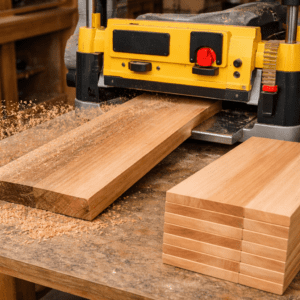
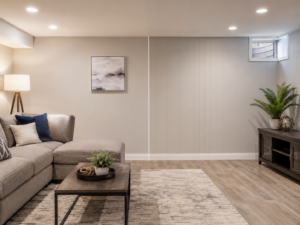
Fluted wood panels are decorative wall panels featuring vertical grooves that add texture, depth, and a high-end modern look to interiors. Commonly used for accent walls, kitchen islands, and ceilings, these panels are available in various materials, including solid hardwood, MDF, and waterproof WPC (Wood-Plastic Composite).
Quick Definition: Fluted wood panels are vertical grooved wall panels used to create textured accent walls, commonly made from MDF, solid wood, or waterproof WPC materials.
Whether you’re upgrading a living room or building a high-end accent wall, choosing the wrong panel can cost you hundreds—and ruin the entire look. Fluted wood panels are one of the highest-impact interior upgrades—and one of the easiest ways to make a room look expensive without a full renovation.
Best Fluted Wood Panels (2026 Picks)
If you want a fluted wall that still looks perfect in 5+ years, this is the exact setup most professionals use:
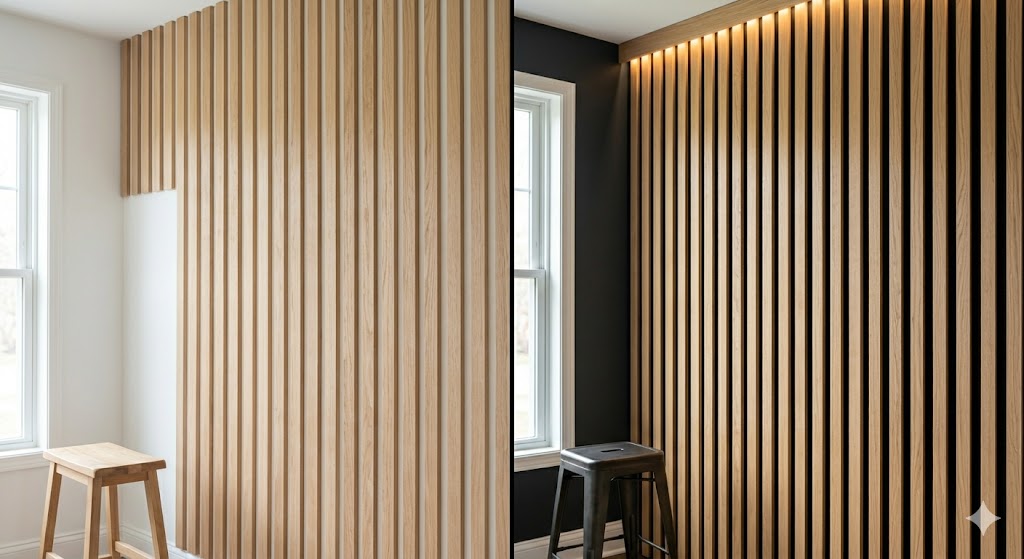
Most people install fluted wood panels directly onto a white wall without painting behind them. When light hits the grooves, the white drywall shows through—making the entire wall look unfinished and cheap. I’ve seen brand-new installations look incredible on day one—and completely fail within a few months just because of this one mistake.
The Fix: Paint the wall matte black or dark brown before installing panels. This creates a pronounced “shadow gap” effect, making the panels look professionally installed.
🧪 The Real Test: Why Material Choice Matters
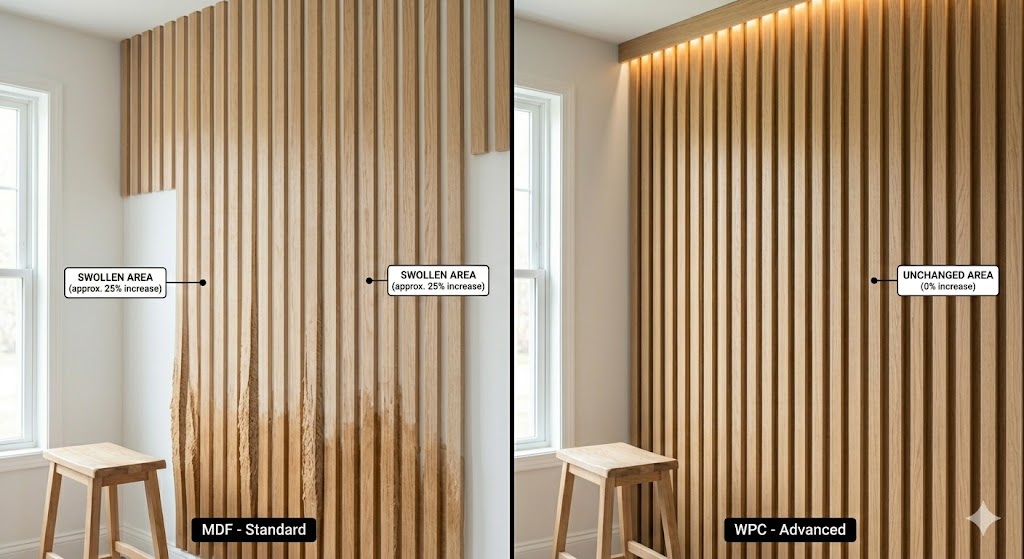
Before buying, you must understand the cost difference between core materials. I conducted a durability test on popular samples:
The MDF Panel (Medium Density Fiberboard)
In my testing, the MDF sample swelled by 30% after just two hours of exposure to moisture. This material is essentially compressed sawdust and glue. If you use this in a bathroom, you will regret it. Before choosing, check our [plywood vs MDF vs particleboard guide] to see why core stability matters. This is why most professional installers refuse to use MDF in anything other than low-traffic, dry interior walls.
The WPC Panel (Wood Plastic Composite)
The WPC sample showed zero change. It is an engineered blend of wood fiber and plastic, making it 100% waterproof. In high-humidity zones, always [learn how to waterproof wood properly] or stick to composite materials.
How to Choose the Right Fluted Wood Panels for Your Project
Choosing the right fluted wood panels comes down to environment, budget, and finish quality—and getting this wrong is where most people waste money.
Location: If your panels will be exposed to moisture—such as in bathrooms, kitchens, basements, or entryways—WPC (Wood-Plastic Composite) is the only safe choice. MDF will absorb moisture, swell, and eventually fail. Solid wood can work, but only if properly sealed and maintained.
Budget vs. Durability: MDF panels are the least expensive option, but they should be used only in dry, low-traffic areas like bedrooms. If you want something long-term, WPC offers the best balance between cost and performance.
Finish and Style: Solid wood panels like oak or walnut offer the most natural grain and a high-end look, but they require acclimation and ongoing maintenance. Engineered options are more consistent and easier to install.
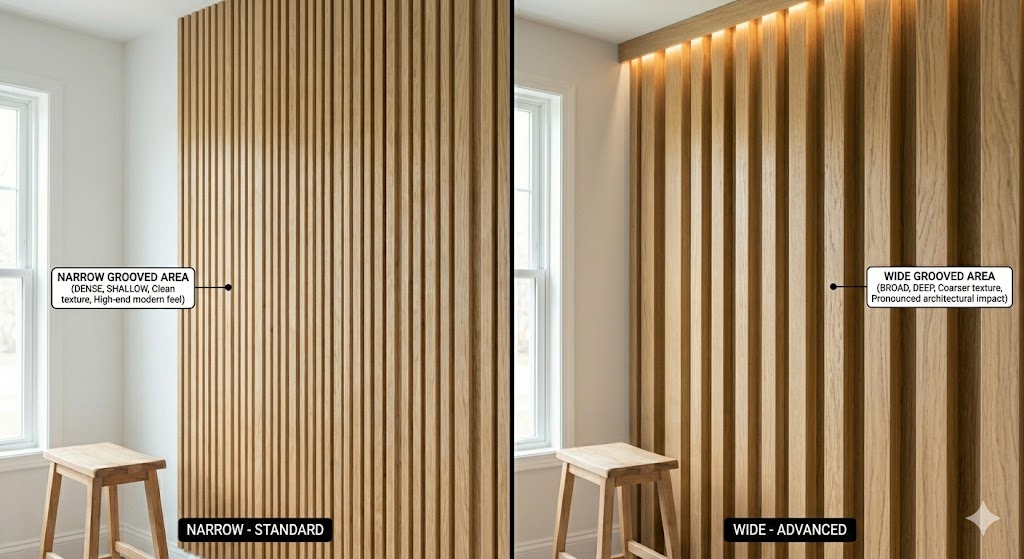
Dimensions: Narrow grooves create a more refined, modern look, while wider flutes feel more dramatic and architectural.
Pro Tip: If your goal is low risk + high-end look, most professionals default to WPC for 90% of residential installations.
Pros and Cons of Fluted Wood Paneling
Pros
High-End Aesthetic: Instantly elevates “builder-grade” homes.
Acoustic Benefits: The grooves diffuse sound waves, reducing echo.
Relatively Easy Install: Most projects are weekend-friendly.
Strong ROI: High impact on perceived home value.
Cons
Dust Accumulation: The horizontal ledges inside the flutes require cleaning.
MDF Failure Risk: High risk of swelling if used in the wrong environment.
Cost: Solid wood options can be significantly expensive.
For most homeowners, the benefits far outweigh the downsides—especially when using WPC panels in high-traffic areas.
How to Install Fluted Wood Panels (Step-by-Step Guide)
Most DIY installations take 6–12 hours, depending on wall size and cutting complexity. If you’re planning a full-wall build, see our guide to [installing plywood wall paneling step-by-step].
1. Acclimation (The “Warning” Step)
Real wood panels are “living” materials. If you don’t let them sit in your room for 72 hours, they will shrink, leading to visible gaps.
2. The Level Check
Use a [Amazon Link: Self-Leveling Laser] to find the highest point of your floor. If you’re mounting panels over framing or uneven surfaces, see our guide on [how to prepare a subfloor for tile and uneven surfaces]; the same leveling concepts apply. For the sub-structure itself, consult our [guide on plywood types and uses].
3. Adhesive & Fastening
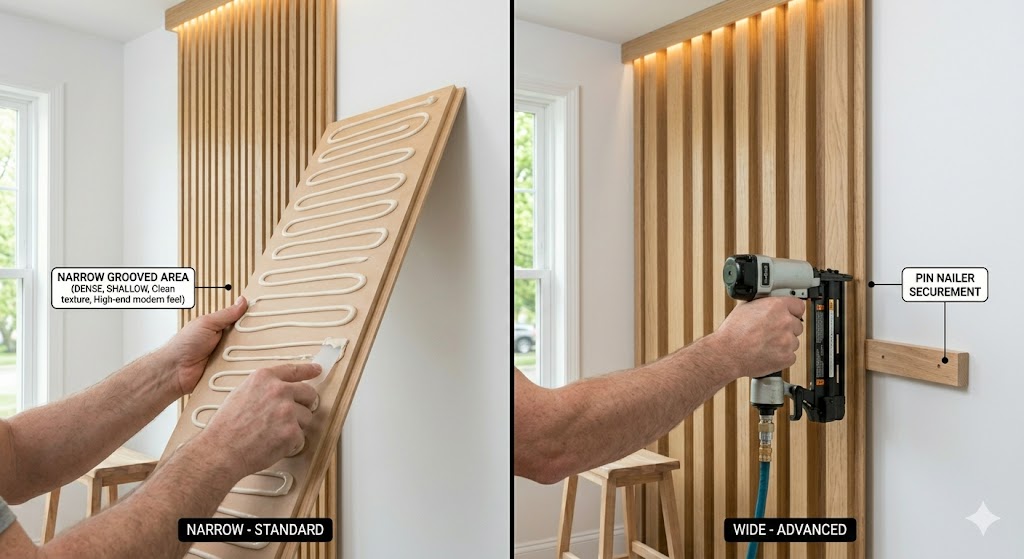
Using a high-grab adhesive like Gorilla Construction Adhesive is critical—cheap adhesives are one of the main reasons panels fall off within a year. Apply in a serpentine pattern. For a truly professional finish, use a 23-Gauge Pin Nailer. A 23-gauge pin nailer is one of the few tools that instantly make your project look professional rather than DIY.
Common Fluted Wood Panel Installation Mistakes (And How to Avoid Them)
Even though fluted wood panels are considered a beginner-friendly DIY project, small mistakes can completely ruin the final result.
Poor Wall Prep: Installing panels over uneven drywall or old paint bumps will cause visible gaps and misalignment. Always start with a clean, flat surface.
Starting Point Errors: If you begin installation from one side without checking the level, the panels can gradually drift, making the grooves look crooked across the wall.
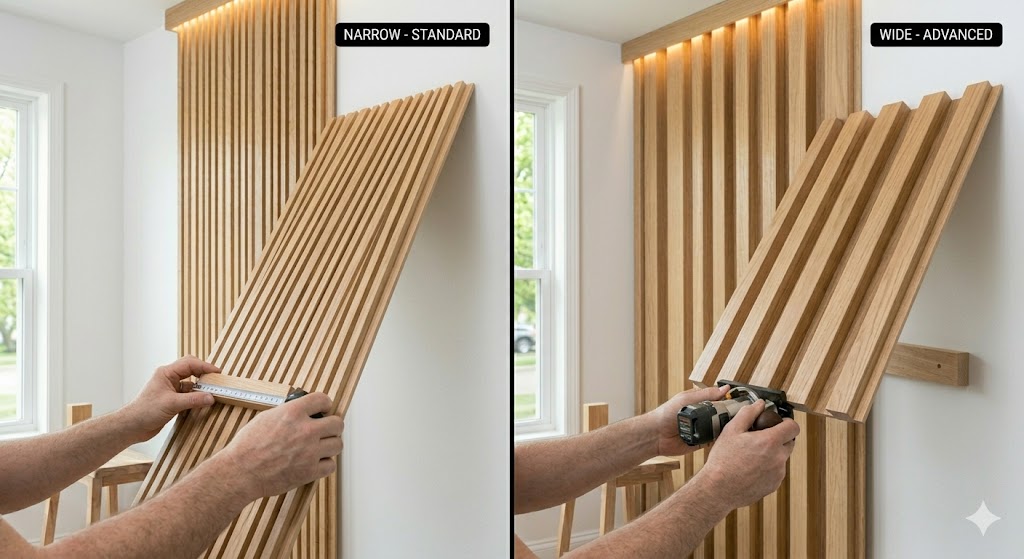
Cutting Errors: Fluted panels are not forgiving—one bad cut can ruin the alignment of the entire pattern. Always measure twice and dry fit before applying adhesive.
Adhesive Misuse: Too little causes panels to loosen; too much causes glue to seep into the grooves, damaging the finish.
The difference between a “Pinterest-perfect wall” and a failed install usually comes down to prep, leveling, and patience—not necessarily master-level skill.
Fluted Wood Panels vs Slat Wall Panels
While often used interchangeably, these panels create very different visual effects:
Fluted Panels: Rounded grooves create softer shadows and a more organic look.
Slat Panels: Flat strips create sharper lines and a more modern, linear aesthetic.
Where to Use Fluted Wood Panels (Accent Walls, Ceilings & More)
Fluted Wood Panel Accent Wall
Best for living rooms and bedrooms. It creates a focal point instantly. If you are building a custom bed frame to match, see our [breakdown of best plywood for cabinets] and furniture.
Fluted Panels for Kitchen Islands
Wrap builder-grade cabinets for a custom look. It is a high-impact, low-cost way to make a kitchen feel designer.
Fluted Panels in Bathrooms
Use WPC only. Moisture will destroy MDF. WPC provides the look of wood without the risk of rot or mold.
Fluted Ceiling Panels
Adds incredible depth and improves acoustics. It’s an advanced DIY project that offers the highest ROI on home value.
Great for upgrading old dressers. See our guide on [how to polish wood furniture properly] for a professional shine.
Design Ideas: How to Style Fluted Wood Panels for a High-End Look
Fluted wood panels are versatile, but the way you style them determines whether the space looks professionally designed or just DIY.
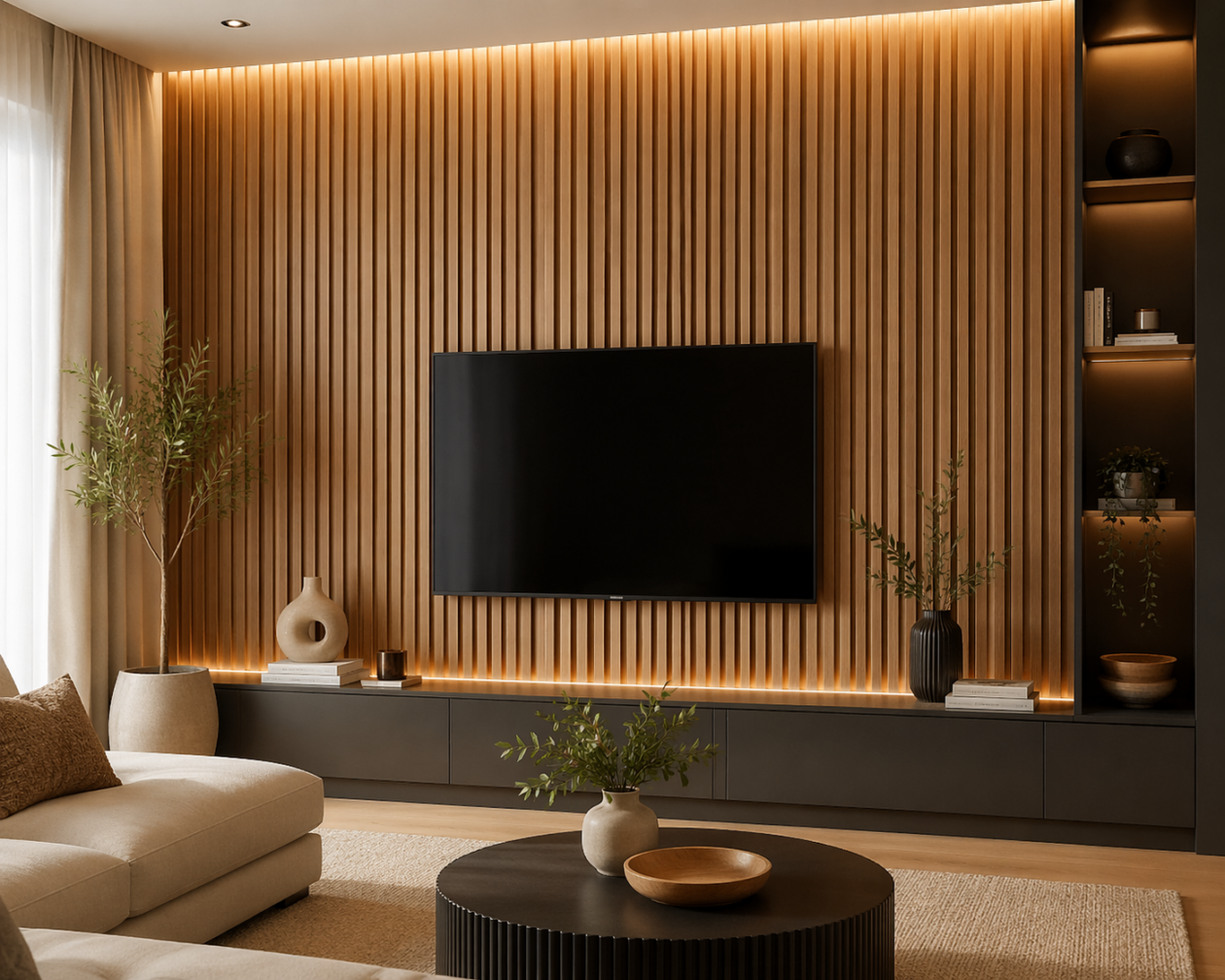
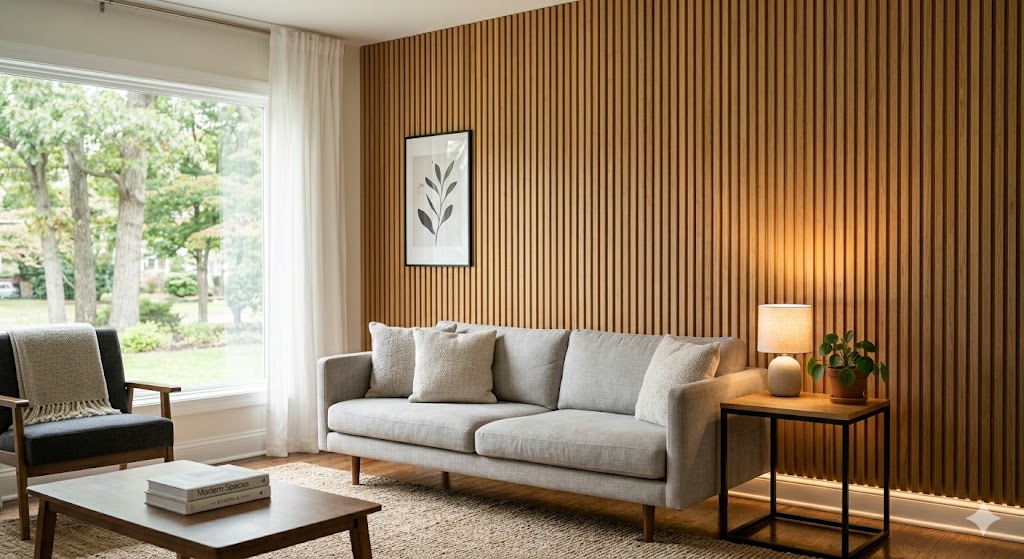
Living Rooms: Use fluted panels behind a TV or sofa to create a clean focal wall. Pair them with neutral tones and soft lighting to enhance the shadow lines.
Kitchens: Lighter wood tones work best for modern kitchens, while darker walnut tones create a luxurious, “moody” feel on island wraps.
Furniture DIY: Wrapping a nightstand or bar cabinet can instantly elevate inexpensive pieces to look custom.
Lighting: Side lighting or warm LED strips will enhance the grooves and create depth, making the texture pop.
The key principle: let the texture do the work—avoid cluttering the space with too many competing elements.
Are Fluted Wood Panels Worth It?
They are worth it if you:
Want a modern look without a full structural renovation.
Are installing in a dry area (or using WPC for moisture).
Follow proper prep, such as acclimation and shadow-gap painting.
They are NOT worth it if you:
Use MDF in bathrooms or kitchens.
Skip wall prep and install directly over white drywall.
Quick Summary (If You’re Skimming)
Best material: WPC for durability and bathrooms.
Biggest mistake: Not painting the wall behind panels.
Budget option: MDF (strictly dry areas only).
Installation time: 1–2 days for a standard DIY project.
ROI: Very high visual impact for a relatively low material cost.
Maintenance and Long-Term Care
Dusting: Use a soft-bristle vacuum attachment monthly.
Avoid Moisture: Never soak panels; use a damp (not wet) microfiber cloth for stains.
Refinishing: If using solid wood, check out [how to choose wood grain for furniture] to ensure your stains match perfectly over time.
Fluted Wood Panel Cost by Project Type
Small accent wall (6×8 ft): $400 – $900
Medium wall (8×10 ft): $950 – $1,300
Kitchen island wrap: $200 – $600
Full room installation: $2,500 – $5,000+
Fluted Wood Panels vs Painted Walls: Is It Worth the Upgrade?
At first glance, fluted wood panels may seem like an expensive upgrade compared to simply painting a wall—but the difference in visual impact is not even close.
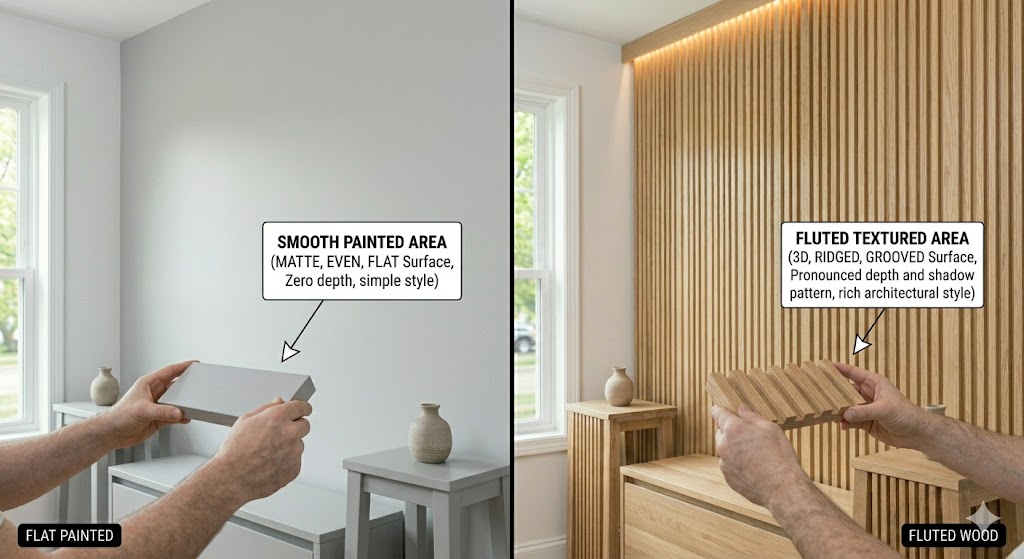
A painted wall is flat. Even with premium paint, it lacks depth and texture. Fluted wood panels, on the other hand, create natural shadow lines that shift throughout the day depending on lighting. This gives the room a dynamic, high-end look that paint alone cannot replicate.
From a cost perspective, painting a standard accent wall typically costs $100–$300 in materials. Fluted panels may cost $400–$1,200, depending on the material. However, the perceived value increase is significantly higher with panels. Textured finishes make a space feel custom-built rather than “builder-grade,” which is exactly what modern buyers respond to.
Do Fluted Wood Panels Go Out of Style?
One of the biggest concerns homeowners have is whether fluted wood panels are just another short-term trend.
The reality is that fluted designs are not new—they are rooted in classical architecture. Variations of vertical grooves have been used in columns and millwork for centuries. Today’s applications are cleaner and more minimal, usually applied as accents (islands, furniture, single walls) rather than entire rooms. This shift makes them much less likely to feel dated over time.
Pro Tip: To ensure longevity, choose natural wood finishes (oak, walnut) and neutral tones. Avoid overly bold or trend-driven painted MDF colors if you want the look to last a decade.
FAQ
Are fluted wood panels waterproof?
Only WPC panels are 100% waterproof. MDF and natural wood will fail in wet environments.
Do fluted wood panels increase home value?
Yes. They add visual depth and a modern finish that improves perceived value, especially in living rooms and kitchens.