Plywood Thickness Guide: Don’t Guess—Use This Chart
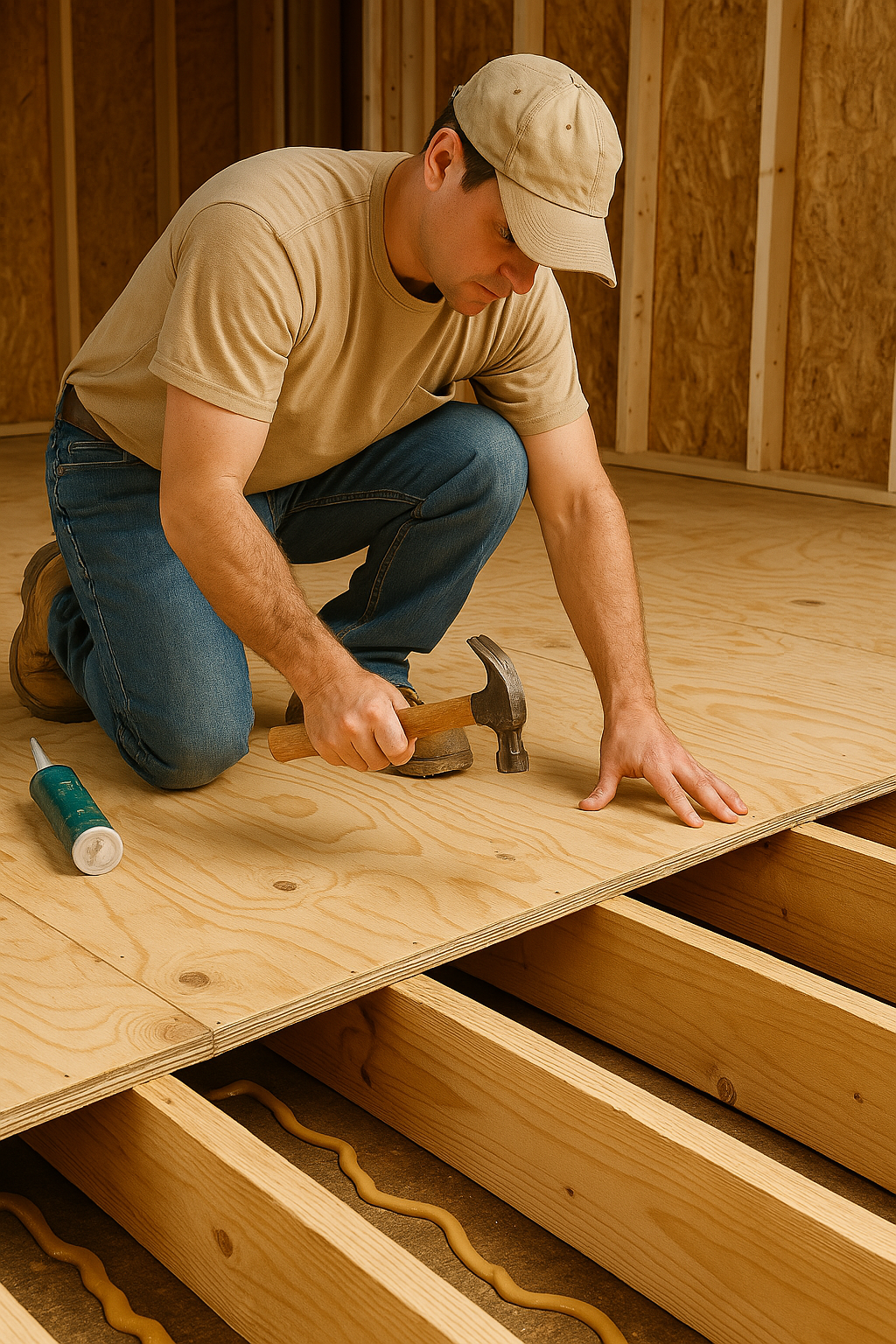
Selecting the correct plywood thickness is one of the most important decisions in woodworking and construction. The thickness of the sheet determines how strong the panel will be, how much weight it can support, and whether it will remain stable over time. What thickness of plywood should you use? 👉 For most projects, 3/4-inch plywood … Read more
How Much Does Plywood Weigh? 4×8 Sheet Weight Chart

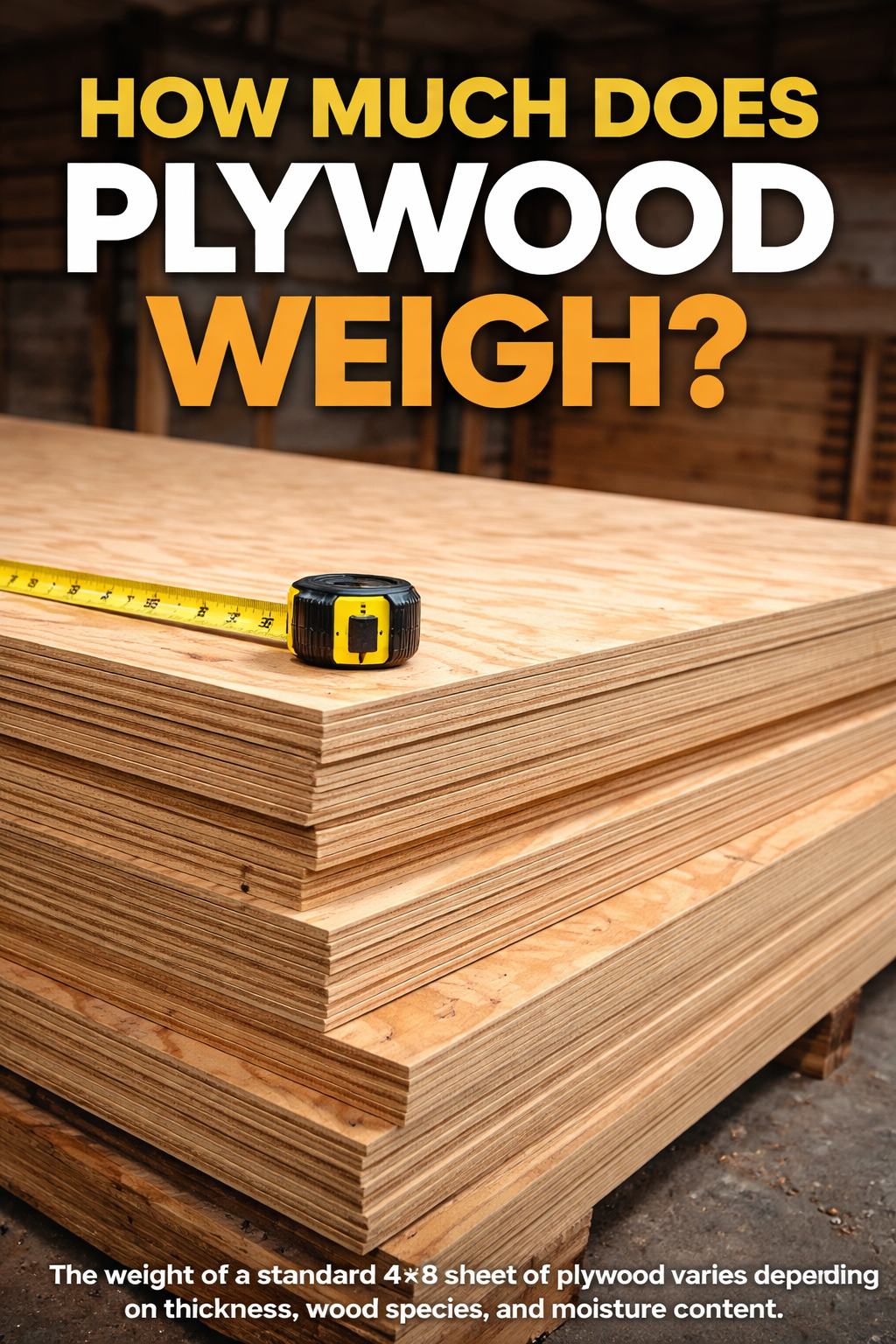
stack of 4x8 plywood sheets showing typical plywood sheet weight

Plywood weight depends mainly on thickness, wood species, and moisture content. As a general rule, plywood weighs about 2.5 to 3 pounds per square foot for every inch of thickness. Because a standard sheet measures 4×8 feet (32 square feet), the total weight of a sheet can vary significantly depending on the material used. For … Read more

What Is Sheathing Plywood? Uses, Thickness and Cost

Close-up view of exterior wall framing with plywood sheathing partially installed.

Sheathing plywood is a structural wood panel used for wall and roof framing. It strengthens the framing system, distributes loads, and provides a base for siding or roofing materials. It is commonly made from CDX-grade plywood and typically ranges from 3/8-inch to 3/4-inch thickness. If you’ve ever built a house, shed, or garage, you’ve probably … Read more

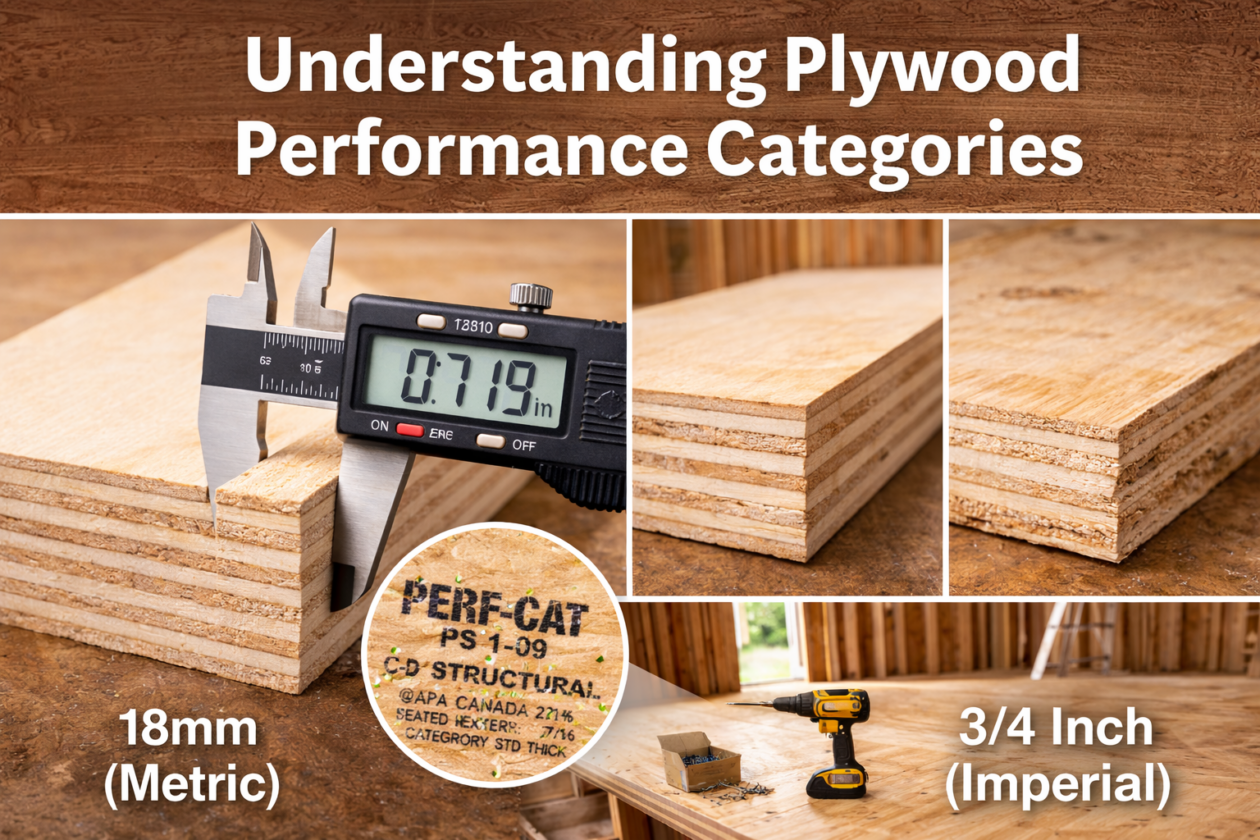
CAT Plywood Explained: PS1-09 Thickness Guide

Composite image showing plywood performance category stamp (PERF-CAT PS1-09), digital caliper measuring 23/32 inch plywood thickness, sanded vs unsanded panels, and structural subfloor installation

CAT plywood is the industry term used to describe plywood performance category ratings under the PS1-09 standard. If you’ve ever wondered why a sheet labeled 3/4″ actually measures 23/32″, the answer usually comes down to CAT plywood thickness tolerances. While many woodworkers focus on species or face grade, CAT plywood classifications control manufacturing consistency, thickness … Read more

Sawdust Uses: Smart Ways to Reuse Wood Dust at Home

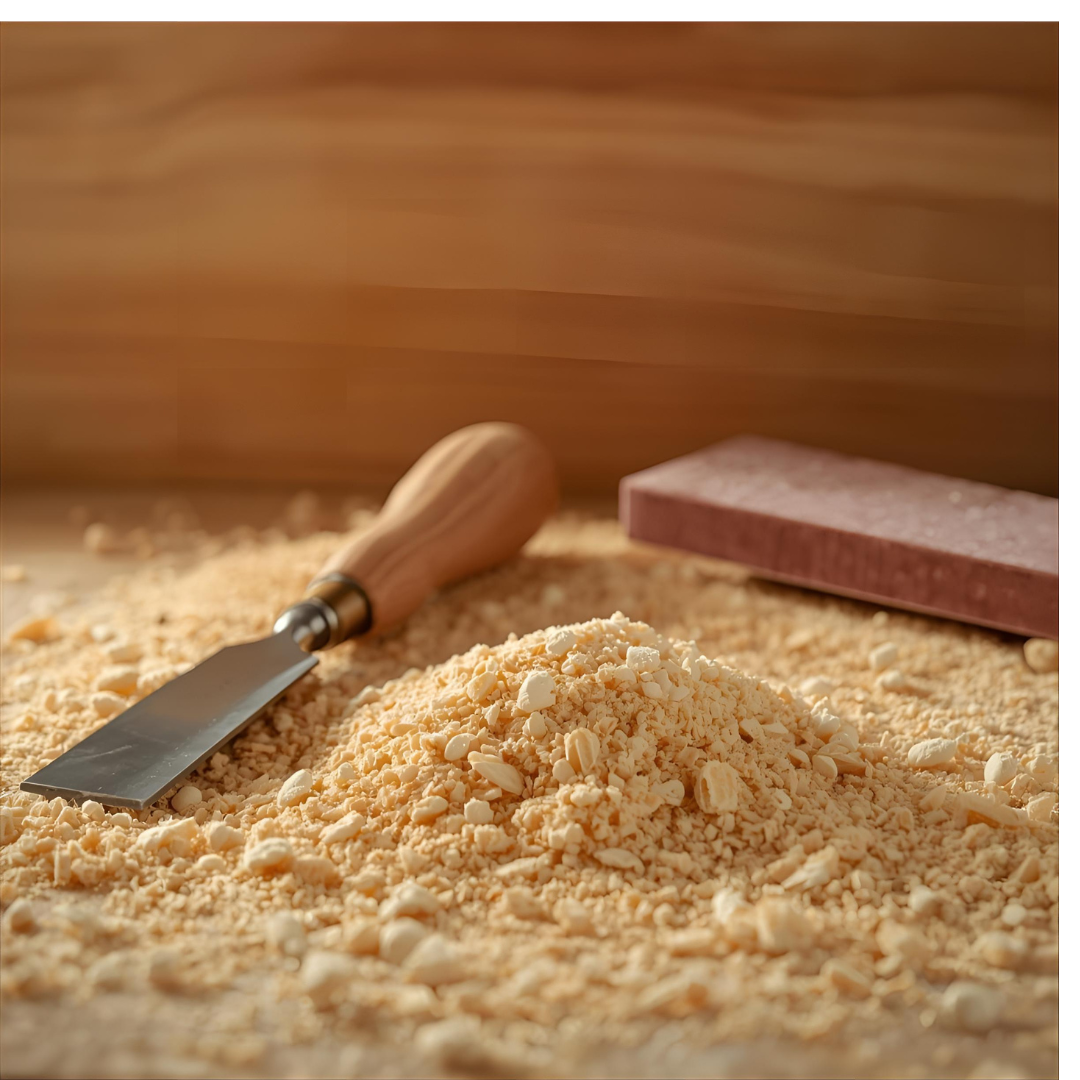
Pile of clean sawdust on a woodworking bench next to basic hand tools.

If you work with wood even a couple of times a month, you already know how fast sawdust piles up. Sand a tabletop? Dust. Trim a sheet of plywood? More dust. Cut hardwood on the miter saw? Dust everywhere — in your hair, on your shoes, on that cup of coffee you forgot to cover. … Read more