If you’ve ever taken apart a bed frame, built one from scratch, or even replaced a creaky base, you’ve likely seen plywood at work—even if you didn’t realize it. Plywood plays an essential (and often hidden) role in bed construction. It’s strong, lightweight, cost-effective, and incredibly versatile—making it the go-to material for modern bed designs, DIY builds, and even high-end furniture.
In this guide, we’ll break down why plywood is used in bed frames, headboards, platform bases, and under-mattress supports. Whether you’re designing your own bed or curious about what’s inside the one you sleep on, this article will walk you through every aspect of plywood’s role—along with tips, project ideas, and expert picks to build a better bed.
🪵 Why Plywood Is the Backbone of Modern Beds
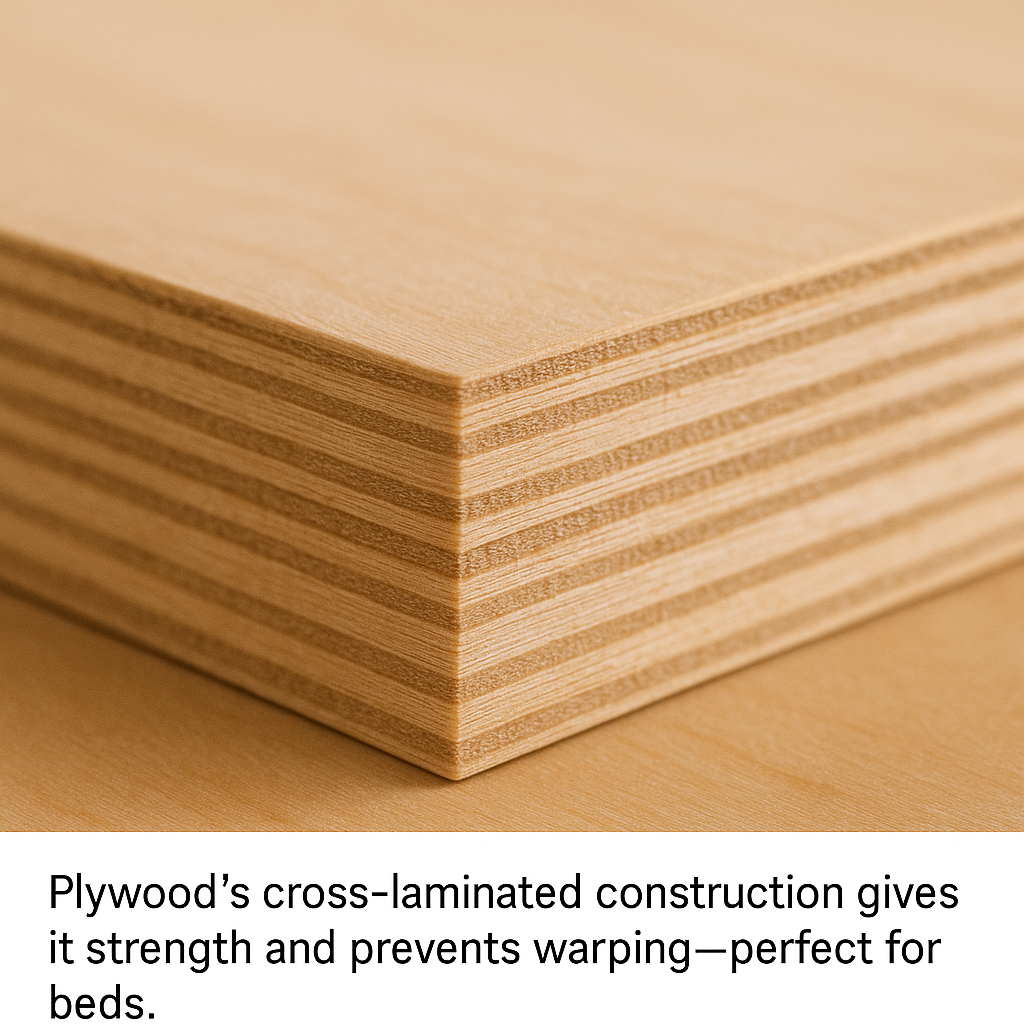
Plywood is made by gluing together thin layers (or “plies”) of wood veneer in alternating grain directions. This cross-laminated construction creates incredible structural strength without the weight and expense of solid wood.
For beds, this matters a lot. You need something that:
Holds weight without bowing
Stays stable over time
Doesn’t squeak or warp with humidity
Can be cut to size easily
Plywood checks all those boxes—and more.
You’ll find plywood used in:
Platform bases (supporting mattresses)
Slats and panels (beneath box springs or mattresses)
Headboards and footboards (decorative and structural)
The plywood thickness you need depends on the span (distance between supports), type of mattress, and whether you’re using additional slats or framing.
Here’s a quick breakdown:
Bed Part
Recommended Plywood Thickness
Platform Base (no box spring)
¾” (19mm)
Slats (closely spaced)
½” – ⅝” (12–16mm)
Headboard Panels
½” (12mm) or decorative ¼” veneer
Drawers or Storage Enclosures
½” – ¾” depending on load
Tip: Always support plywood edges properly to avoid flexing, especially for queen or king-size beds.
🔧 Using Plywood as a Mattress Support Panel
If you’re skipping the box spring and going with a platform bed, you’ll need a sturdy base that supports the mattress evenly. This is where a plywood mattress support panel comes in.
It’s essentially a large sheet of plywood cut to size and placed directly on the bed frame, sometimes with a few ventilation holes drilled in.
Benefits of a plywood support panel:
Prevents sagging in memory foam or hybrid mattresses
Reduces bounce for firmer sleep
Helps extend mattress life
Keeps costs down vs. slatted or commercial supports
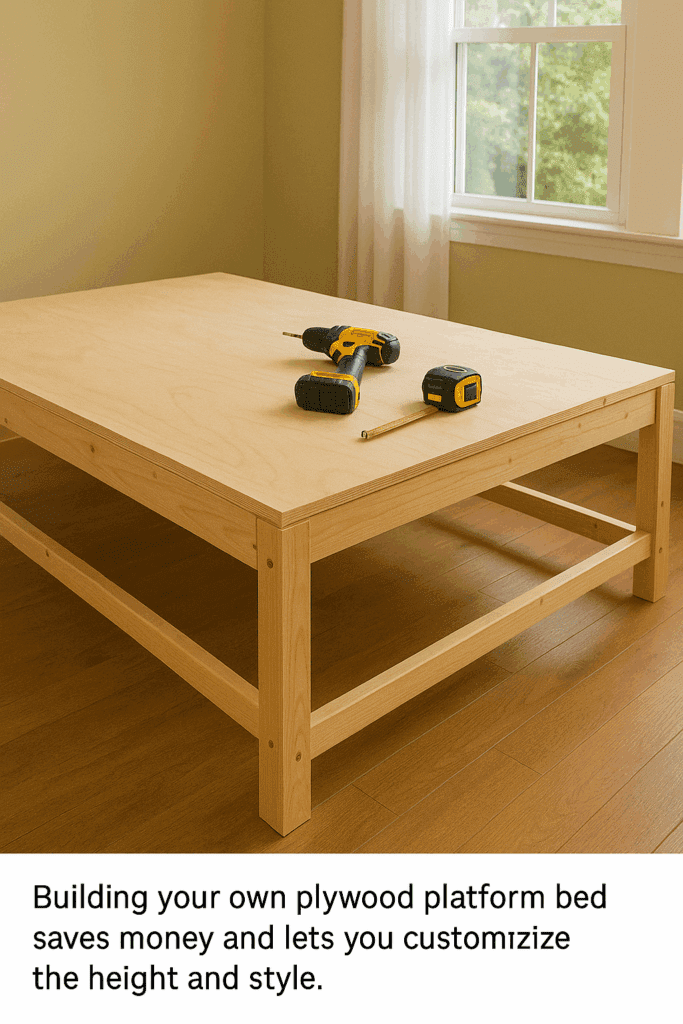
Building your bed? Plywood makes the process smoother. It’s easy to work with, stable, and customizable. For a basic platform bed, here’s what you’ll need:
Materials:
2–3 sheets of ¾” plywood (birch or cabinet-grade)
2×4 or 2×6 lumber for framing
Wood screws
Wood glue
Sandpaper and stain or paint
Simple Steps:
Cut your base to the size of your mattress.
Build the frame using 2x4s or 2x6s.
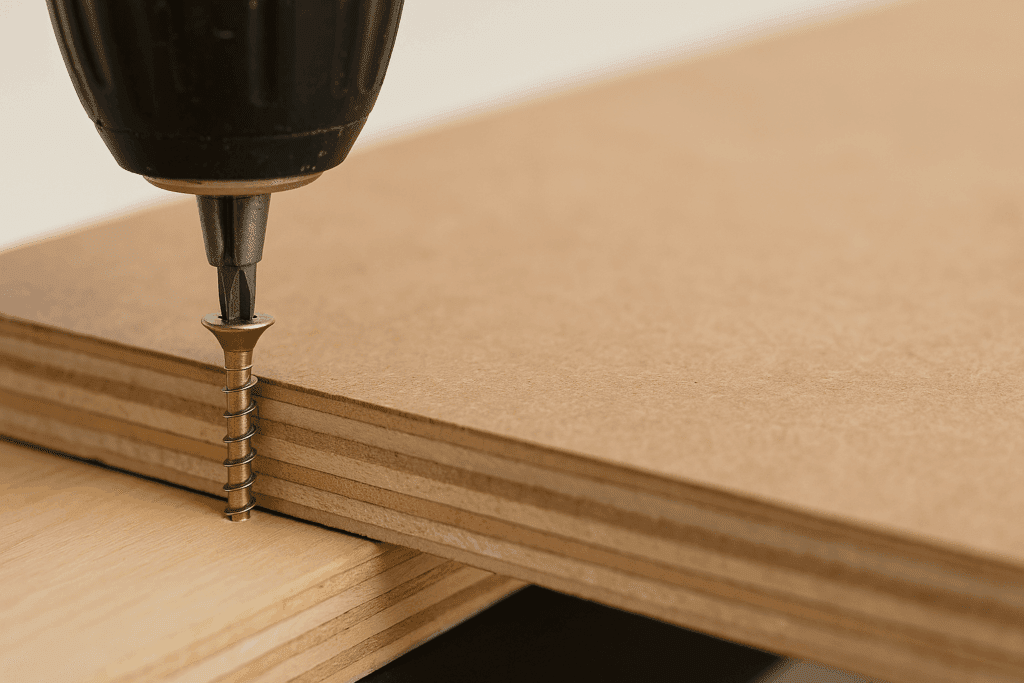
Attach the plywood panel to the top of the frame.
Add legs or a toe kick, or leave it flush to the ground.
Sand and finish the plywood surface for a smooth, splinter-free result.
.
👉 Explore:How to Make a Wooden Barrel – Learn more about woodworking techniques that improve your joinery skills.
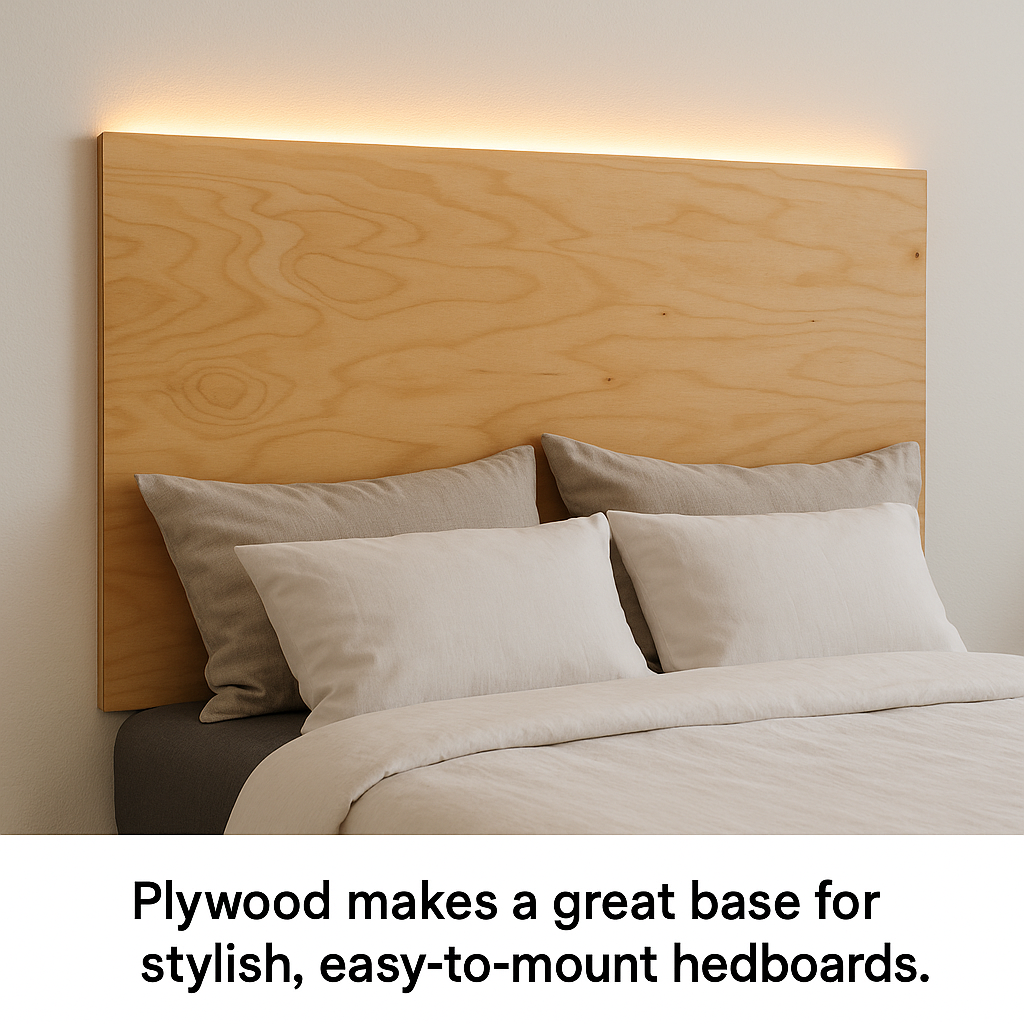
🛠️ Plywood Headboards and Decorative Bed Features
While plywood’s main job in bed construction is to provide support, it’s also great for decorative parts, especially headboards.
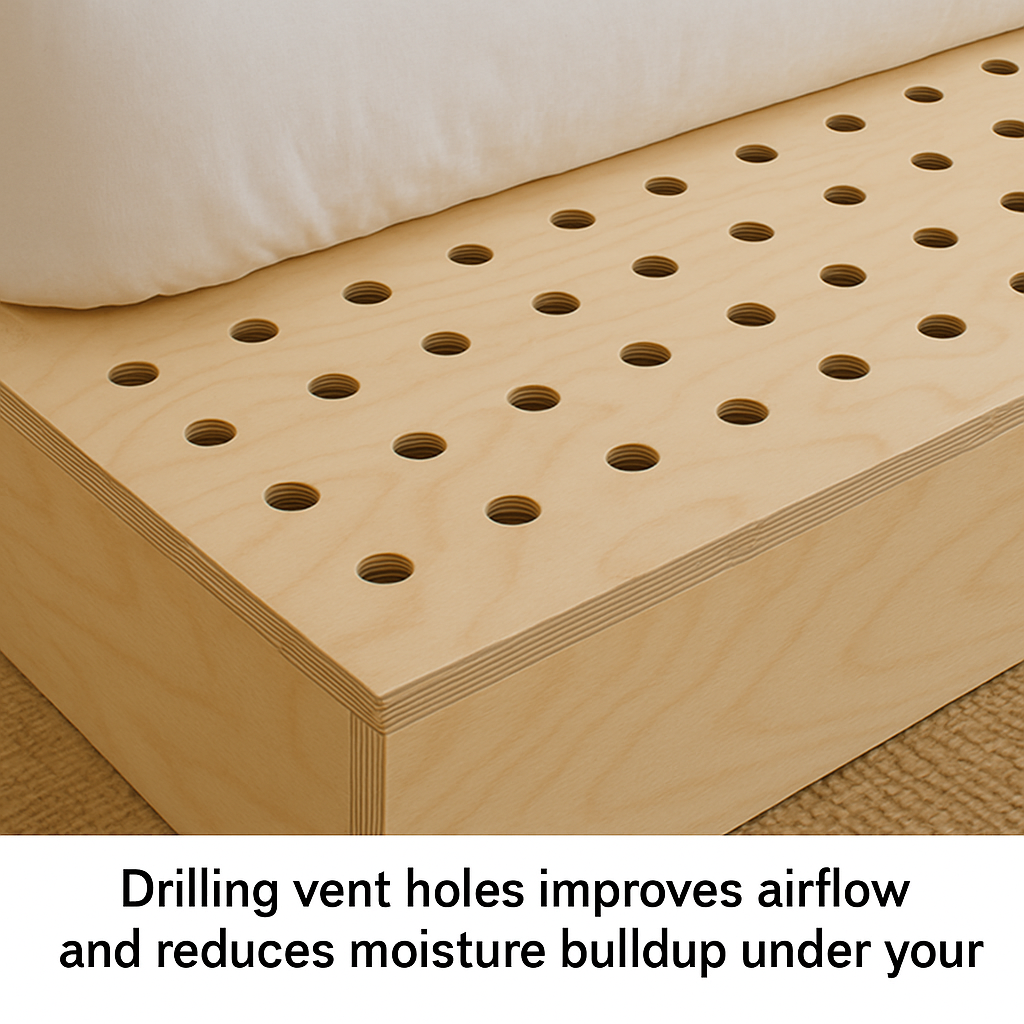
Some worry that plywood mattress panels can trap moisture. The solution? Drill ventilation holes—especially if you use a foam mattress.
Use a hole saw or spade bit to create 1” holes spaced about 6–8 inches apart.
Don’t weaken the structural integrity; keep holes away from high-load areas.
This keeps your mattress breathable and helps avoid mold or mildew.
🪑 Types of Plywood to Use in Bed Construction
Not all plywood is equal. Here are the best types for different bed components:
Type
Best Use
Cabinet-grade birch
Visible headboards, frames
CDX plywood
Hidden supports, slats
Furniture-grade hardwood plywood
Painted or stained projects
Baltic birch
High-precision builds
Avoid MDF for bed bases—it sags easily and doesn’t hold screws well. Similarly, OSB isn’t ideal for visible areas.
🧰 Recommended Tools and Accessories
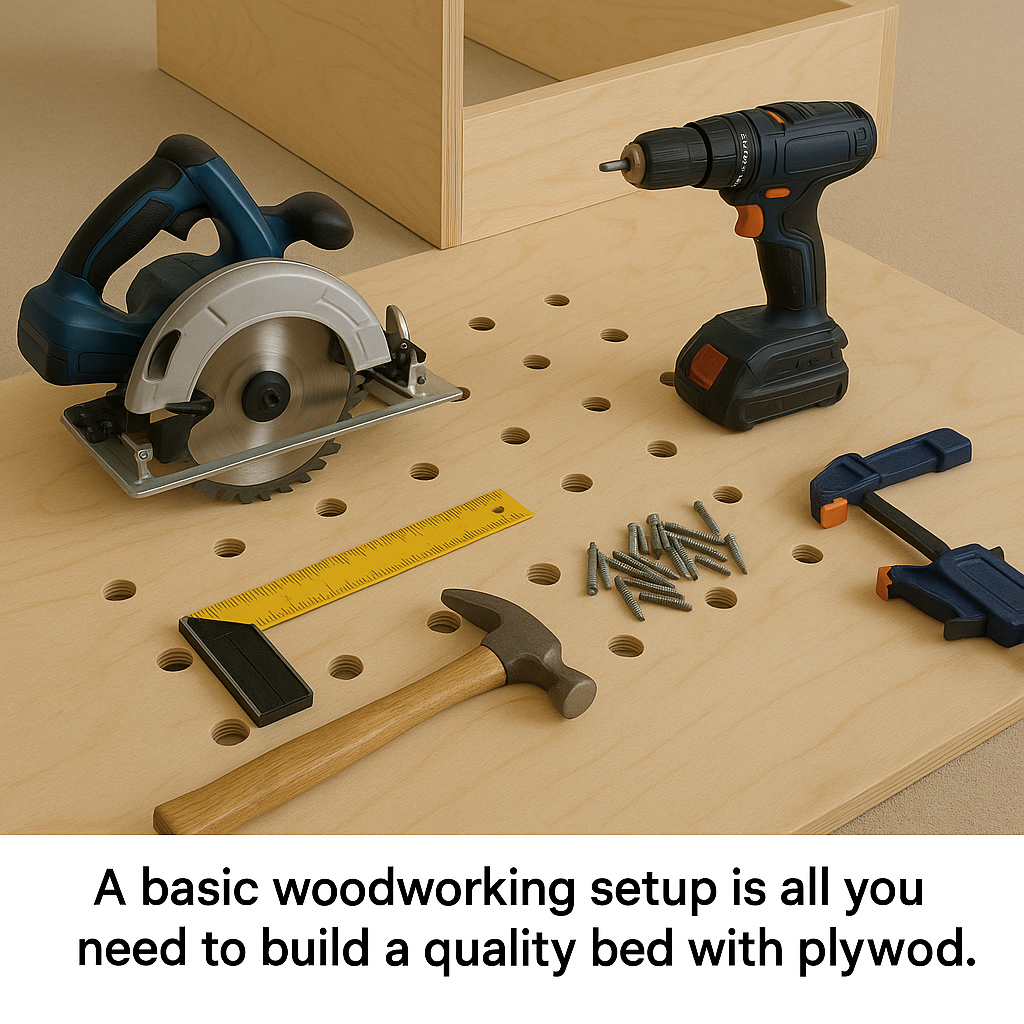
Building with plywood doesn’t require a professional workshop. These essentials will do the trick:
Circular saw or track saw
Drill/driver with countersink bit
Wood glue
Sandpaper or orbital sander
Measuring tape and framing square
Final Thoughts: Should You Use Plywood in Your Bed Project?
Yes—if you want something substantial, budget-friendly, and DIY-friendly, plywood is the best material for the job. From platform bases to headboards and hidden storage compartments, plywood does it all.
You don’t need to be a master carpenter to get great results. With a few tools and a solid plan, you can build a long-lasting, stylish bed at a fraction of the cost of a store-bought one.
Hanging Bed- Full Guide How to Make It by Admin August 18, 2025 DIY Have you ever climbed into a hammock and thought, “This is great, but man, I wish I had more room to stretch”? That’s pretty much…