When I upgraded to a king bed frame a few years ago, I thought it would be simple—find something sturdy, put a mattress on top, and enjoy the space. What I didn’t realize was how much a bed frame changes not just the look of the bedroom, but the comfort, durability, and even the way you sleep.
A king bed frame isn’t just furniture—it’s the anchor of your bedroom. It has to balance style with function, support your mattress for years without sagging or squeaking, and ideally, match the rest of your home’s design. In this guide, I’ll walk you through everything I learned (sometimes the hard way) about buying, setting up, and maintaining a king frame.
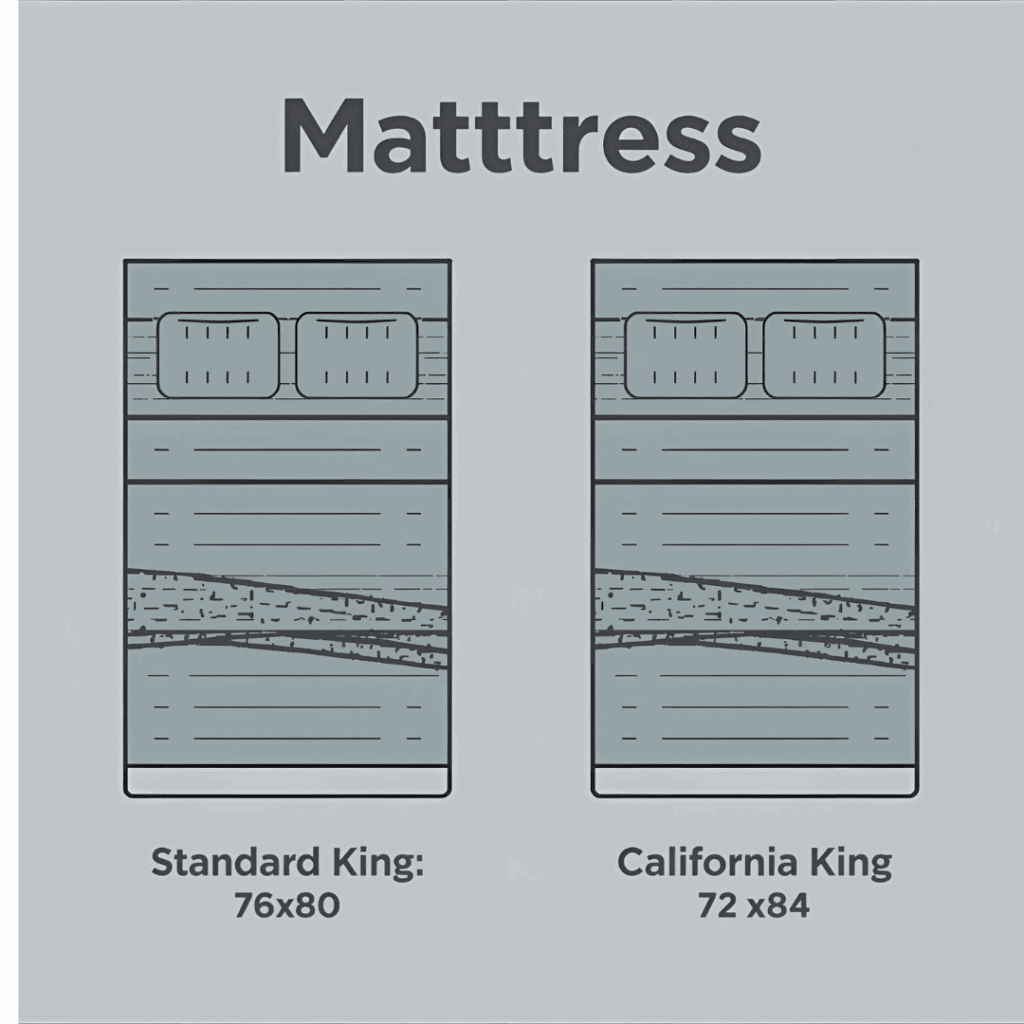
Standard King Bed Frame vs. California King Bed Frame
One of the first surprises when I shopped was realizing that “king” doesn’t mean just one size.
Standard King (Eastern King): 76 inches wide by 80 inches long. This is what most people mean when they say “king.” It provides ample width—great if you share the bed with a partner, kids, or even pets.
California King: 72 inches wide by 84 inches long. Slightly narrower but longer, perfect if you or your partner is over 6 feet tall.
When I moved my first king bed into a small bedroom, I learned the hard way: measure your space. A king frame really needs at least a 12×12-foot room; otherwise, it swallows the space.
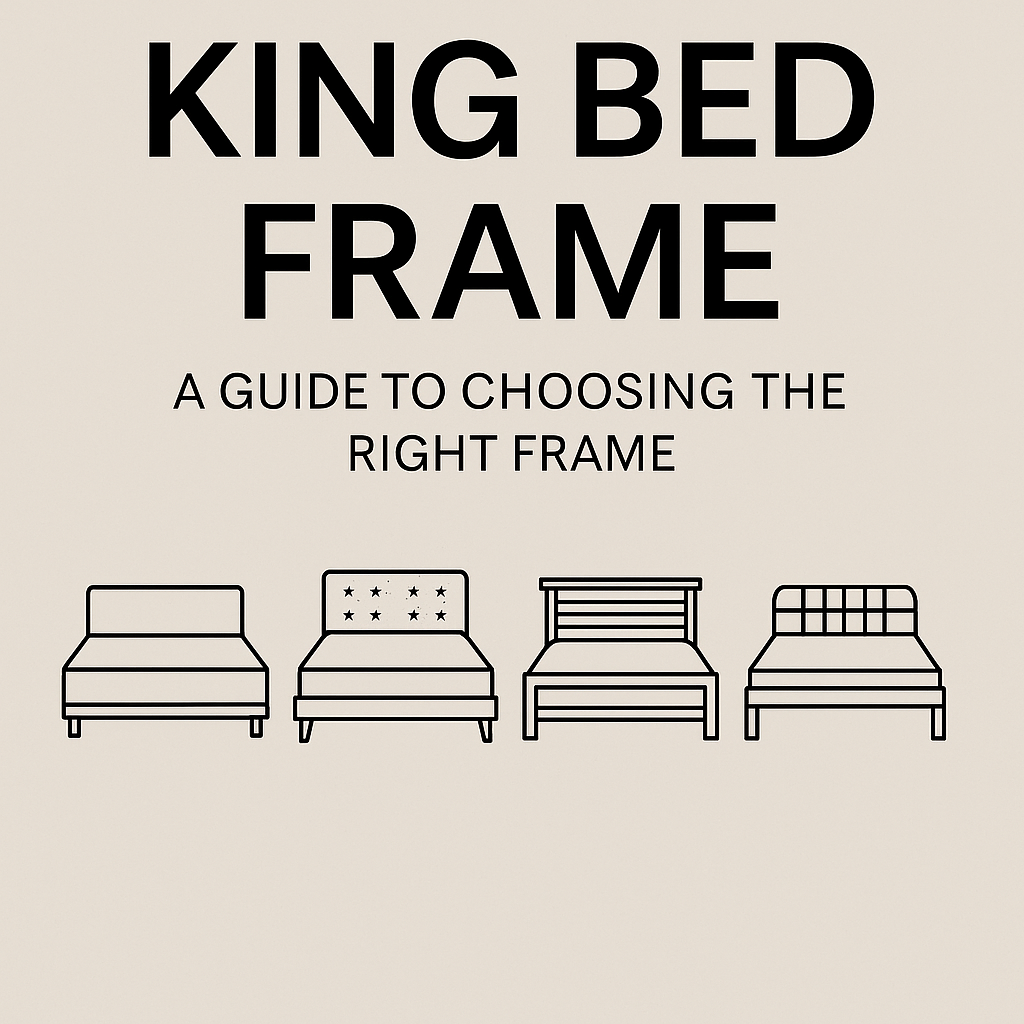
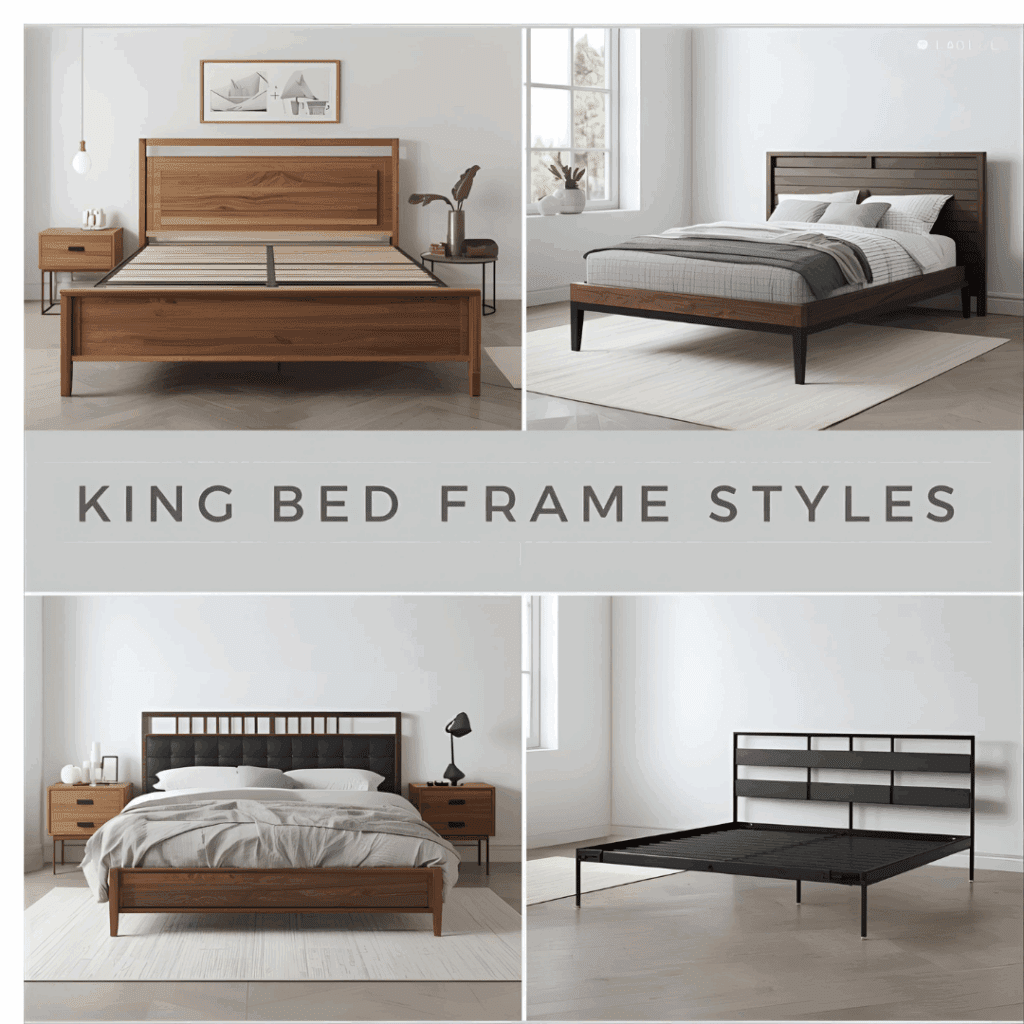
Types of King Bed Frames: Platform, Upholstered, Wood & Metal
Not all frames are created equal. Here are the most common types I’ve tried or researched, with the real pros and cons.
Platform Bed Frames
I love platform frames because they don’t require a box spring. They sit low to the ground with either a flat panel or slats across the base.
Pros: Modern, affordable, and often include storage drawers.
After buying a few bed frames that didn’t quite work out, I’ve learned which features really make the difference:
Slat spacing: If the slats are too far apart, your mattress won’t have the support it needs and will start to sag. Look for frames with slats no more than 2–3 inches apart.
Weight capacity: Most standard frames can hold 500–800 pounds, but if you need extra durability, go for a heavy-duty model that’s built to handle more.
Height: The right height depends on your needs. Low-profile frames create a sleek, modern look but can be harder for older adults to get in and out of. Taller frames not only make access easier but also give you more storage space underneath.
Assembly: Some frames are simple to set up, while others feel like an all-day project. Choose one with straightforward instructions or, better yet, a design that requires no tools.
Style: A bed frame should complement the rest of your space. Whether your room leans farmhouse, industrial, or modern, pick a style that ties the look together.
Downside: Can feel cold or squeaky if not maintained.
Upholstery
Why I like it: Adds luxury, softens the room.
Downside: Cleaning stains is a constant battle.
Bedroom Style Ideas
Choosing the right frame style can set the tone for your entire bedroom. Here are four of the most popular looks and how you can pull them off.
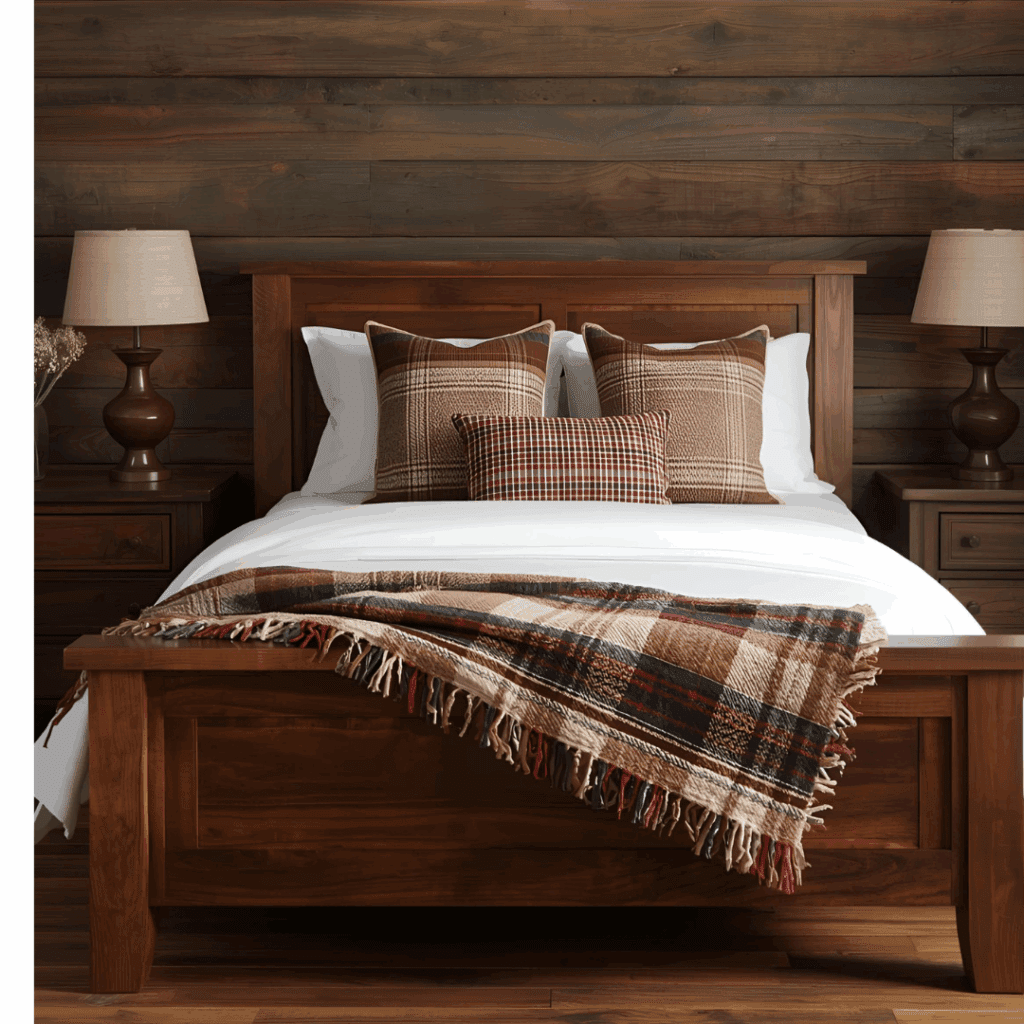
Farmhouse
The look: Weathered wood, distressed finishes, and cozy textures. A farmhouse-style bed frame usually has chunky posts or a simple paneled headboard made from solid or reclaimed wood.
Decorating tip: Pair the frame with white or cream linens, a plaid throw blanket, and metal bedside lamps for a rustic but warm atmosphere.
The look: Clean, simple lines with tapered wooden legs and a natural wood finish like walnut or teak. It’s a timeless style that feels light and uncluttered.
Decorating tip: Add a statement lamp with a brass base, geometric-pattern bedding, and a minimalist dresser to complete the look.
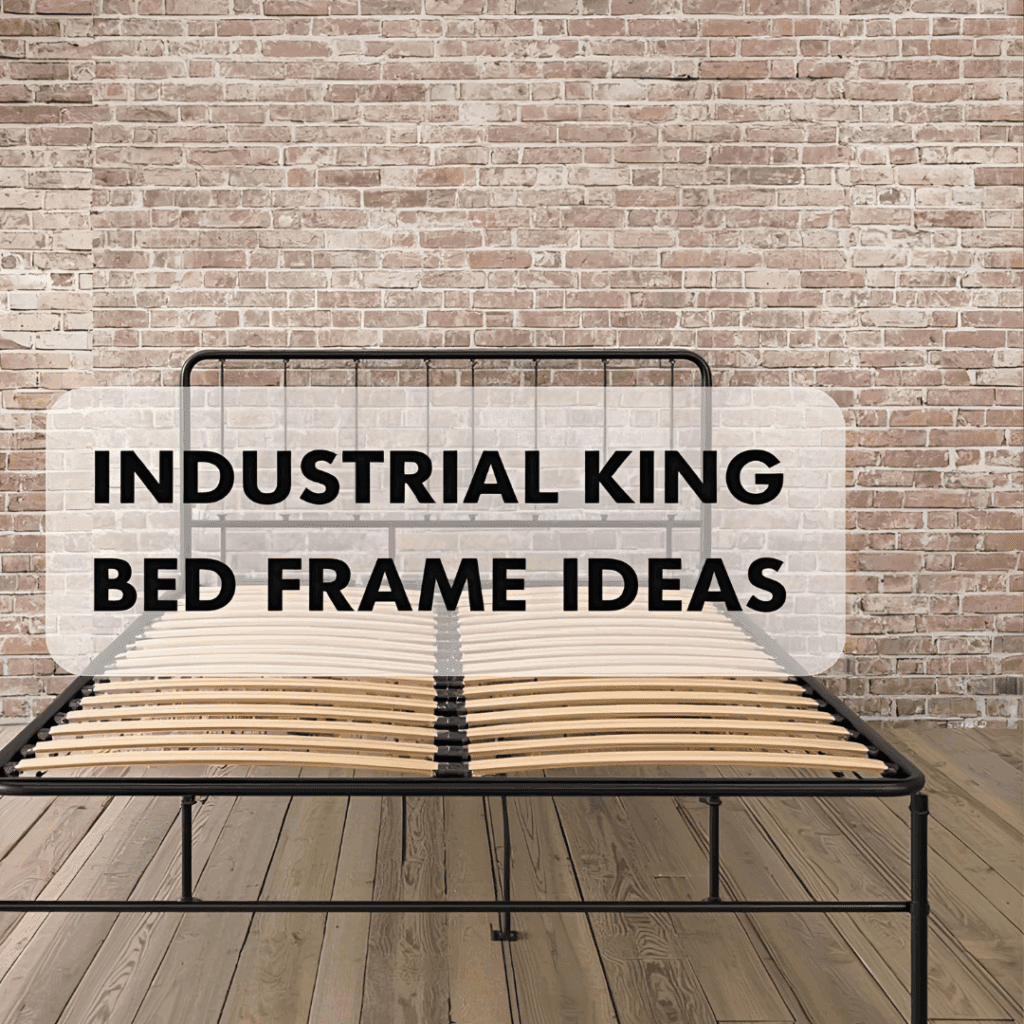
The look: A mix of metal and wood — think black iron frames with rustic wood slats or headboards. This style blends toughness with warmth, perfect for lofts or modern apartments.
Decorating tip: Complement the bed with Edison bulb lighting, exposed brick (or peel-and-stick panels), and neutral bedding.
When I set up my last bedroom, I used Pinterest boards to narrow down styles. Just searching “king bed frame ideas” gave me dozens of looks to copy, and I ended up blending farmhouse and industrial elements for something unique.
DIY King Bed Frame: Build Your Own with Plywood
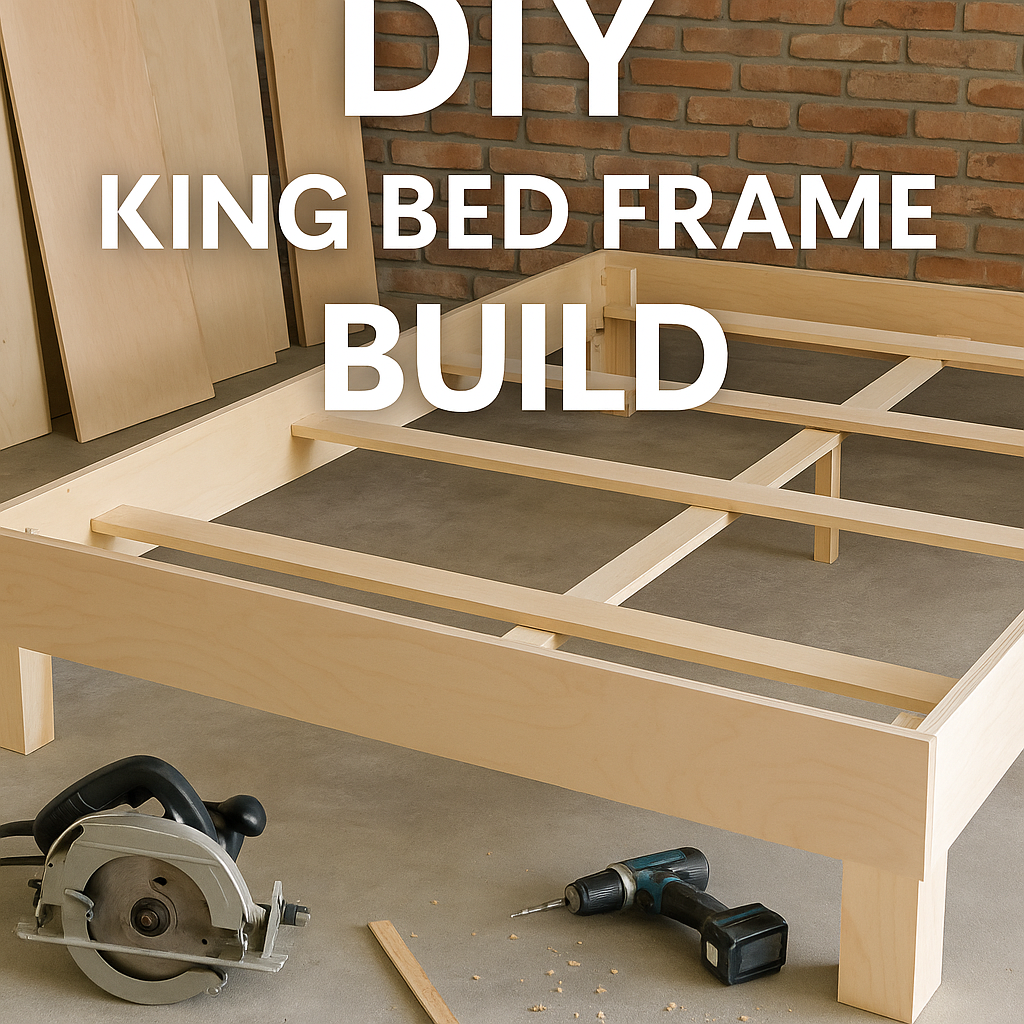
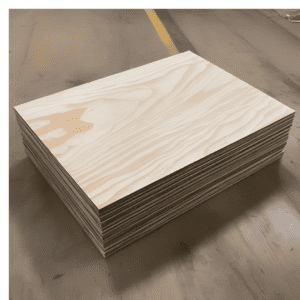
If you’re handy with tools, making your own bed frame is completely doable. I put one together using nothing more than plywood and a few 2x4s, and it’s held up better than I expected. Here’s the quick version of how you can build one:
Cut side rails from ¾-inch plywood. This thickness gives you plenty of strength without adding unnecessary weight.
Build a rectangular base with pocket screws. Pocket holes keep everything locked in tight and hidden, so the frame looks neat instead of patched together.
Add slats every 2–3 inches. Close spacing gives the mattress proper support and saves you from needing a box spring.
Attach a plywood headboard (optional). Even a simple panel instantly makes the frame look more finished and customized.
Sand, stain, and seal. This step is what takes the project from “DIY” to “furniture-quality.” A little patience here makes a huge difference.
💡 Tip: Birch plywood is the best choice—it’s smoother, more durable, and takes stain evenly. For inspiration, check out our guide on how to make plywood look like oak.
Common Mistakes When Choosing a King Bed Frame
After seeing (and making) a few mistakes myself, here are the pitfalls worth keeping in mind before you buy or build a bed frame:
Not measuring the room first I’ve actually watched friends haul a brand-new frame back to the store because it wouldn’t fit up their narrow staircase. A quick tape measure saves a lot of frustration.
Ignoring weight capacity A king frame has to handle more than you think—two adults, a heavy mattress, bedding, and maybe even a pet or two. That can easily push past 600 pounds, so always check the specs.
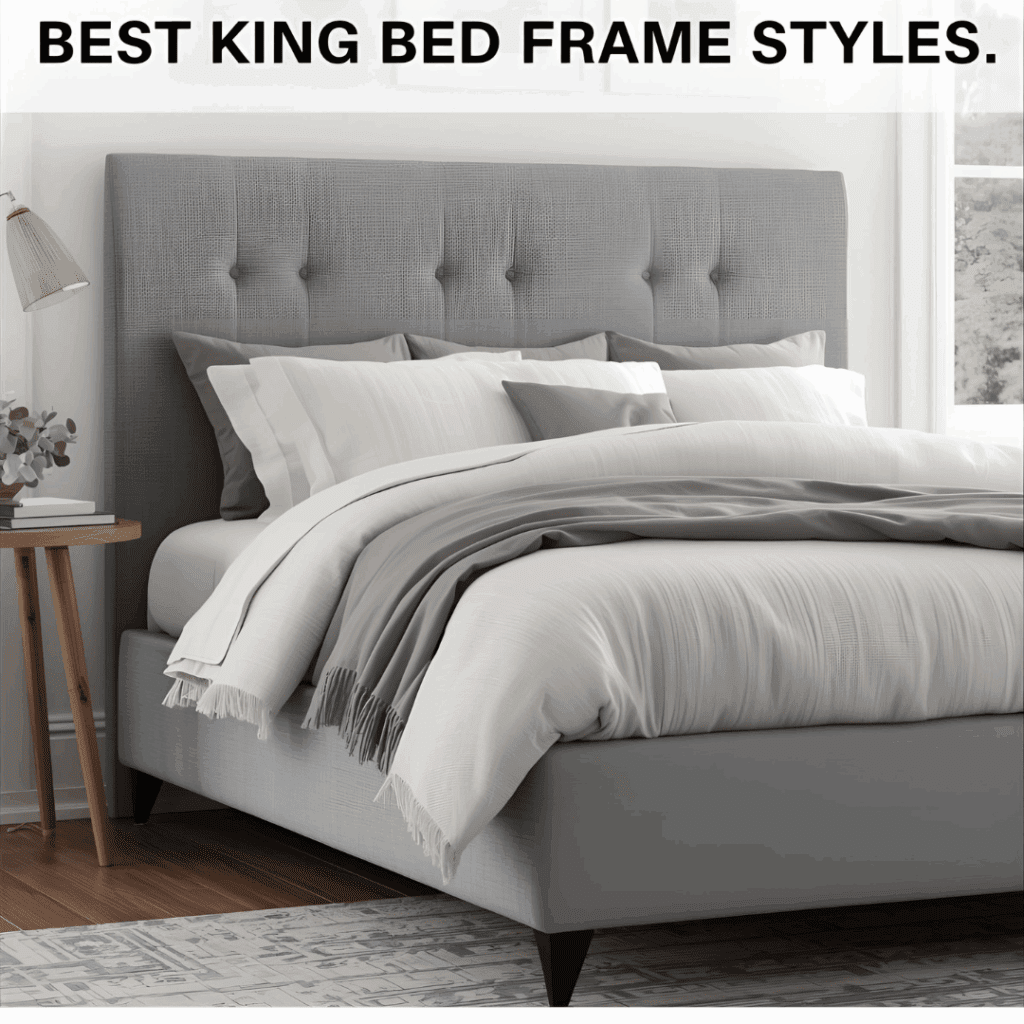
Choosing style over substance A tufted headboard might look straight out of a design magazine, but if the frame wobbles when you sit down, you’ll regret not going with something sturdier.
Skipping center support King-size frames need a middle support bar—no exceptions. Without it, the slats can bow, and your mattress won’t last nearly as long.
Forgetting about pets or kids Upholstered frames collect fur like a magnet, and wooden ones can end up with scratches from toys or paws. Think about who (and what) will be climbing onto the bed every day.
King Bed FrameCare & Maintenance Tips
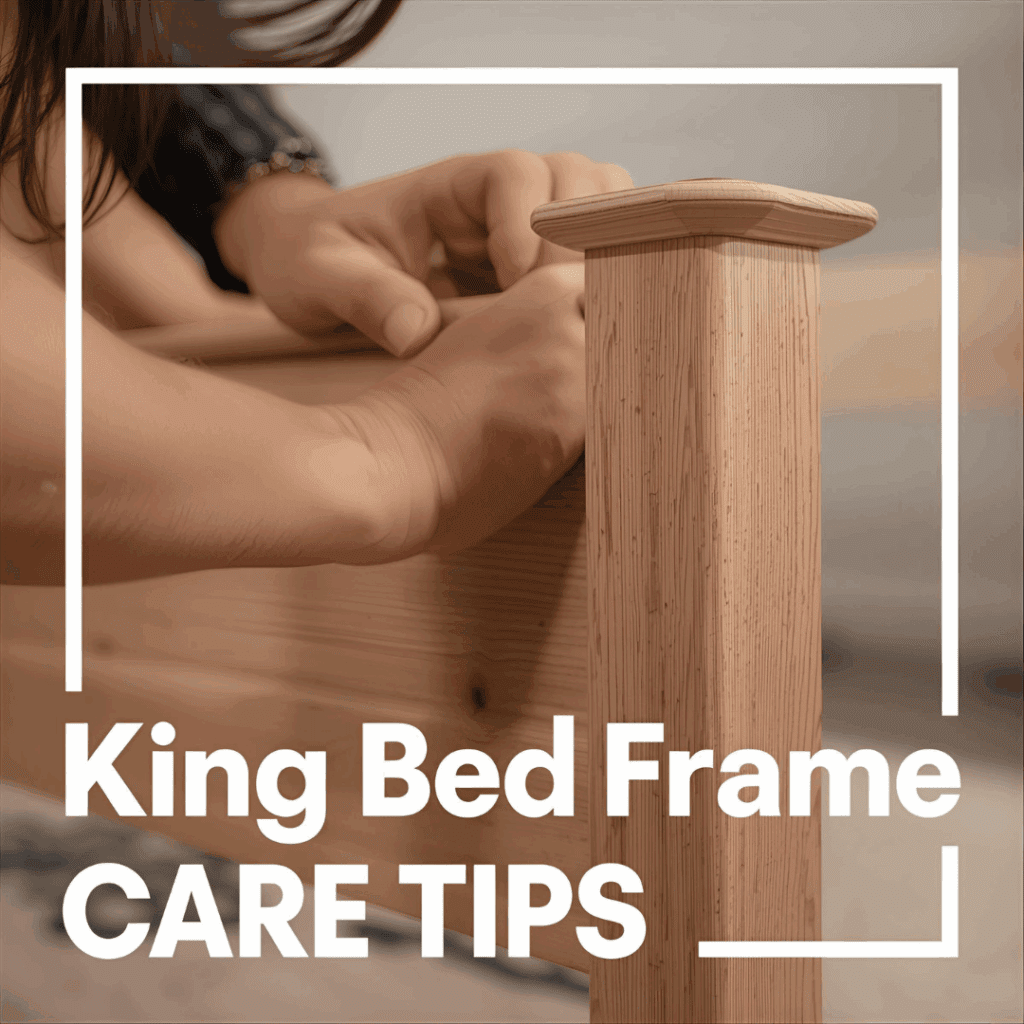
A good frame can last for years, but only if you give it a little upkeep. Here are a few habits that make a big difference:
Tighten bolts every six months. Even the sturdiest frame loosens over time, and a quick check keeps squeaks and wobbles away.
Use felt pads under wooden legs. They prevent scratches and make it easier to slide the bed around when cleaning or rearranging.
Oil squeaky joints on metal frames. A quick spray of WD-40 is usually all it takes to silence annoying creaks.
Vacuum underneath regularly. Dust bunnies love the dark space under a bed, so a monthly vacuum keeps things fresh and allergy-friendly.
Rotate your mattress. Turning it every few months helps prevent sagging and keeps your bed feeling supportive longer.
How Much Should You Spend?
Budget: $200–$400 (metal or basic platforms).
Mid-Range: $500–$900 (wood or upholstered).
Luxury: $1,000+ (solid hardwood, storage, or custom builds).
A king bed frame should last at least 10 years if you buy wisely. Sometimes it’s worth spending more up front for quality.
A king bed frame is more than just something to hold a mattress—it sets the tone for your entire bedroom. Whether you want a rustic farmhouse wood frame, a sleek upholstered headboard, or a simple platform with hidden storage, there’s an option that will fit your lifestyle.
If you’re a DIYer, building your own frame with high-quality plywood is a rewarding project. If not, the Amazon picks above are reliable, affordable, and stylish.
Plywood Weight Guide: How to Choose Right by Admin March 21, 2025 More About The heavier the plywood, the stronger the support structure needs to be. While most projects can handle the weight, overlooking this factor, especially when carrying…