🔥 My Real Take on Firewood—What Works and What’s a Waste
I’ve burned all kinds of firewood over the years—some that kept the house warm for hours, and some that just smoked up the place and made me question my life choices. If you’re trying to figure out the best firewood for heating, especially when it’s freezing out and your stove’s acting like it’s still asleep, this section’s for you.
What I Use (and Trust)
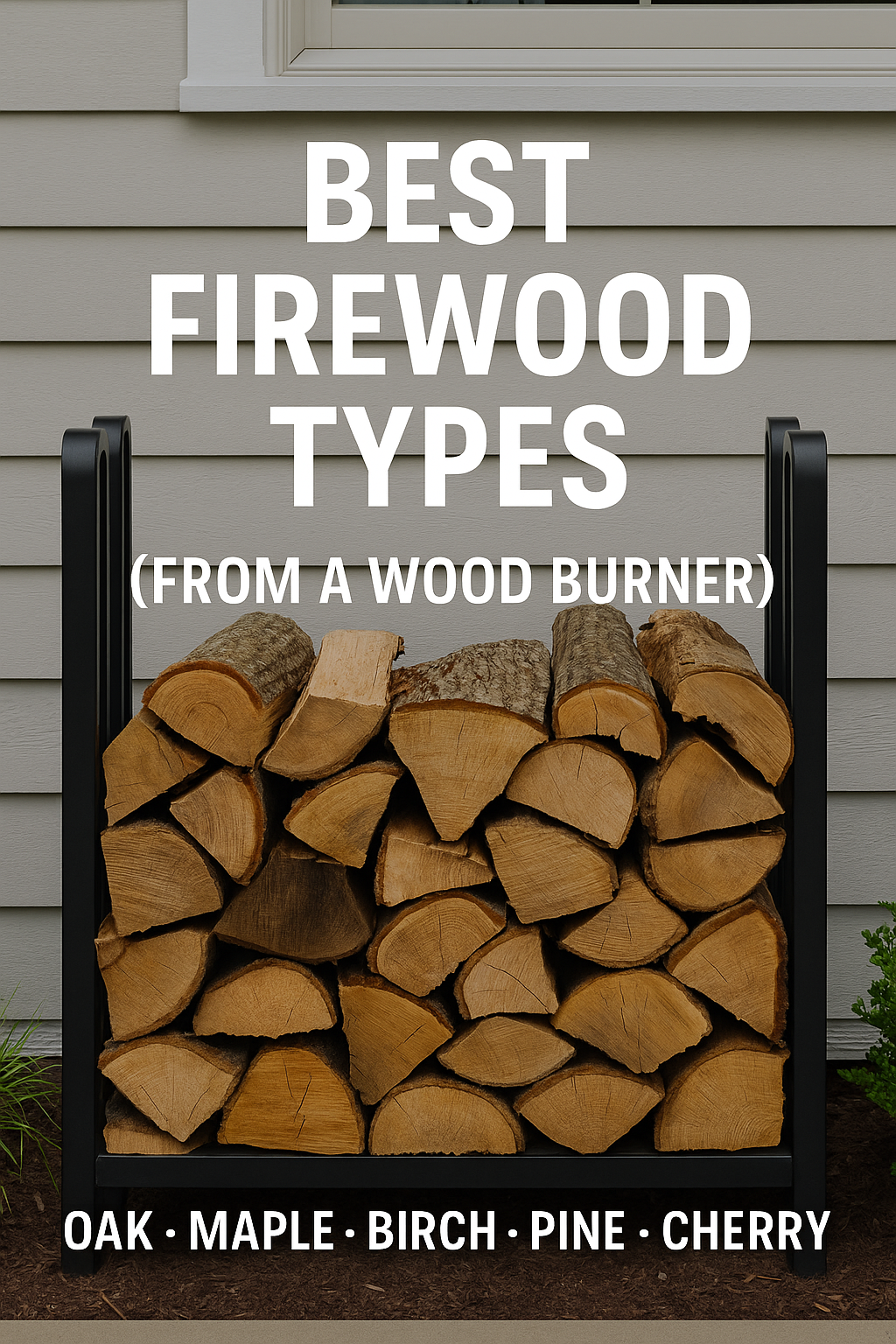
Oak is my backbone. I don’t care if it’s a pain to split or takes a year and a half to dry—it’s worth every swing of the maul. When it’s ready, it gives off that slow, steady heat that makes you want to sit in your flannel pajamas all day. I usually start splitting oak the minute the snow melts, then ignore it until the following winter.
Hickory is my go-to when we get a serious cold snap. It burns hotter than oak and throws off an amazing smell—like someone’s grilling, even if all you’re doing is heating the living room. If I’m lucky enough to get my hands on some, I save it for those below-zero nights when the furnace can’t keep up.
Maple doesn’t get the hype it deserves. It’s a lot easier to split than oak, dries quicker too, and still gives off a decent amount of heat. Not my first choice, but if I need wood, I can burn the same year I split it; maple’s the answer.
What I Burn for Kindling (Or When I’m Out of Options)
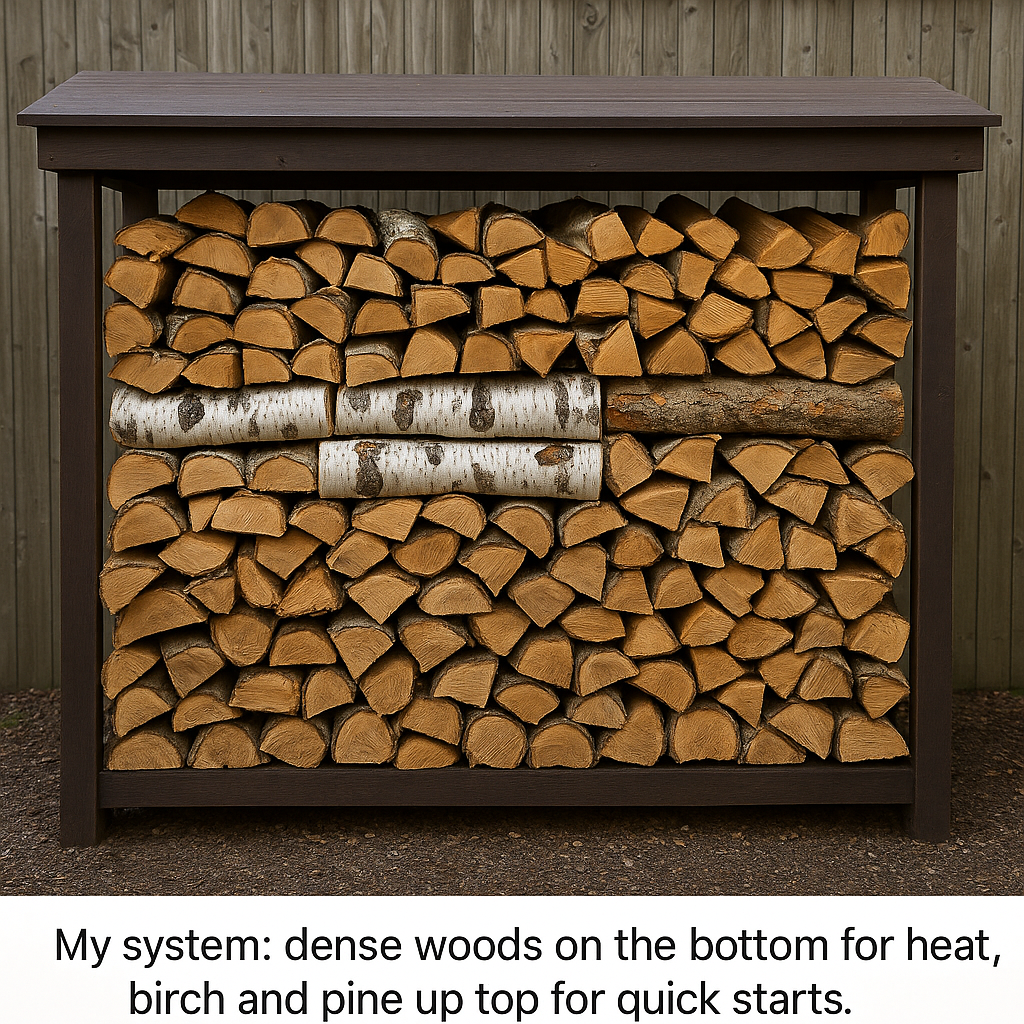
Birch is gold if you can get it. That bark lights up like a fire starter, even if it’s a little damp. I don’t have a ton of birch trees near me, but when I do, I keep every scrap of it.
Pine gets a bad rap—and yeah, if you burn it green, your chimney’s going to hate you. But fully seasoned pine has its place. It’s great for starting fires or heating up a cold stove fast. I just make sure it’s had a full year to dry, no shortcuts.
What I Don’t Bother With Anymore
Poplar is filler. It splits easily, sure, but it burns so fast and leaves so little heat, I might as well be throwing cardboard in there. I’ll mix it in with better stuff if I’m desperate, but on its own? Nah.
And look—I’ve made the mistake of burning green wood. Once. Never again. Thought I could get away with “half-dry” oak. The thing hissed and steamed for hours and gave me a room full of smoke with no heat to show for it. I opened all the windows in January. Lesson learned the hard way.
🪵 Quick-Glance Firewood Chart
Wood
Verdict
Real-World Notes
Oak
🔥🔥🔥🔥🔥
Best all-around—just be patient
Hickory
🔥🔥🔥🔥🔥
Hot, long-burning, smells great
Maple
🔥🔥🔥🔥
Reliable and seasons faster
Birch
🔥🔥🔥🔥
Lights fast, burns clean
Pine
🔥🔥🔥
OK if fully seasoned
Poplar
🔥🔥
Meh—burns fast, doesn’t heat
Green Wood
🔥 (but not really)
Don’t do it—it’s not worth it
How I Stack Wood Now
One year, I thought I was smart and stacked everything tight against the garage. Looked good at first. Then the rains hit. Bottom row turned black and soggy. That mess didn’t burn—it just steamed and smoked.
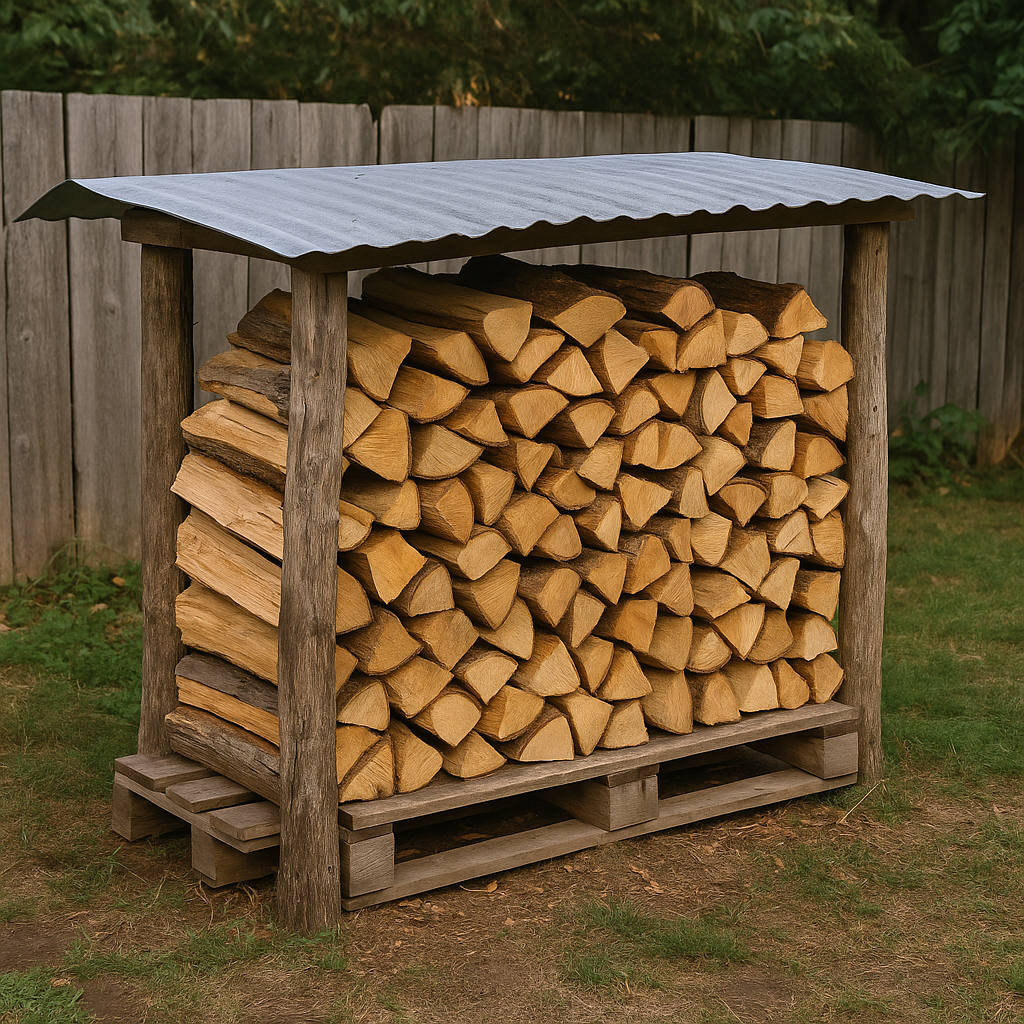
Now I stack on old pallets. Not fancy. Just enough to keep it off the dirt. I leave space between rows, no walls behind it, and throw a piece of scrap tin on top. It’s ugly but it works. The logs dry right, and when it’s cold and I need heat, I know the pile won’t let me down.
Lighting a Fire That Lasts
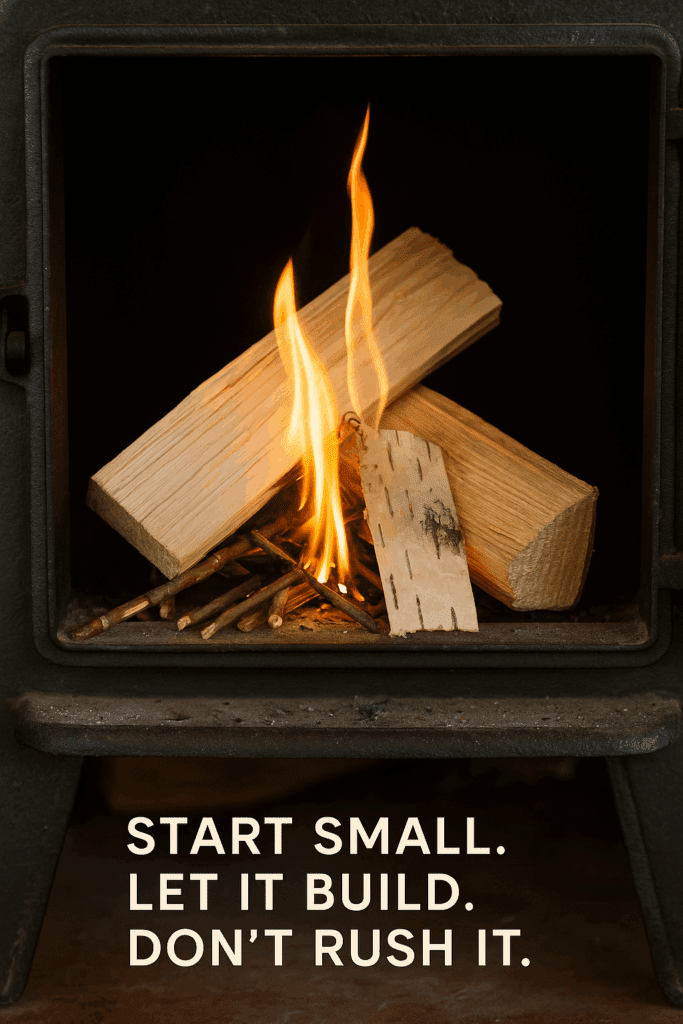
I don’t mess around with big logs to start. I use newspaper, dry pine, and birch bark if I’ve got any. Takes just a few minutes to catch. Then I toss on some maple or softer oak. Once there’s a bed of red-hot coals, that’s when I lay on the hickory or white oak. It is important to follow safety rules while lighting a fire. Recommendations on wood burning safety: visit the EPA Burn Wise guide.
If I get it right, I won’t need to open the stove again until morning. That’s the goal.
I’ve got a furnace. Works fine. But I still light the stove most days in winter.
There’s something about it. I split that wood. I stacked it. I built the fire. The heat isn’t just heat—it’s earned. Quiet, steady, honest.
If you’re new to it, expect some bad fires. Damp wood, too much paper, not enough kindling—it happens. But you’ll figure it out. And when you do, when the stove’s humming and the house is warm, you’ll know exactly why people stick with it.
Best Tools for Splitting Firewood (And What to Skip)
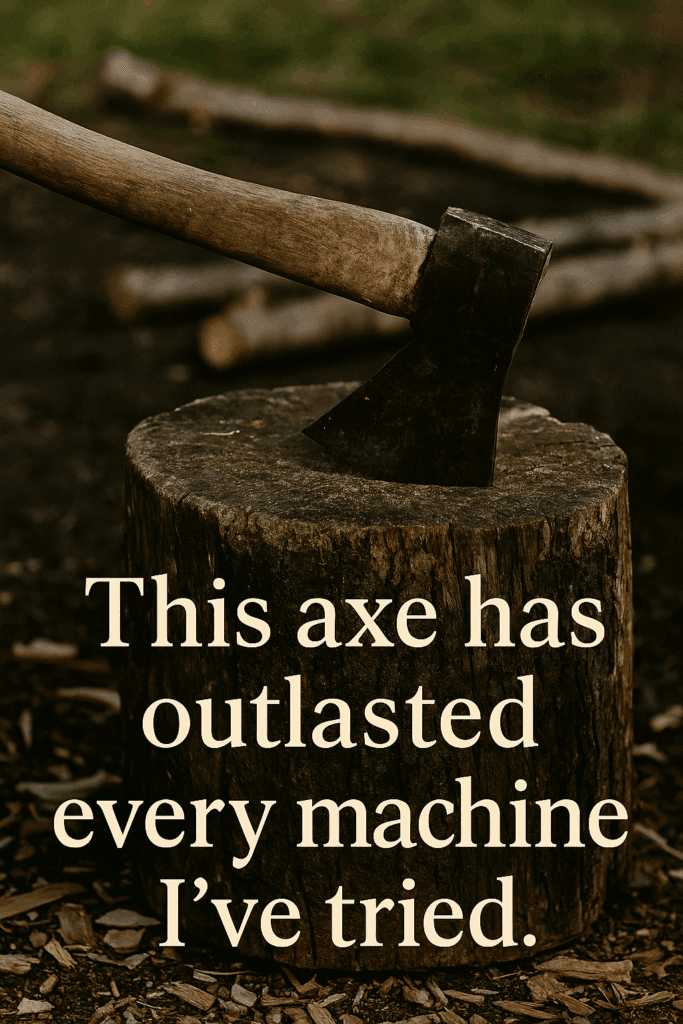
There’s a certain axe I’ve used for years. Heavy head, wood handle, no label left on it. Bought it secondhand and never looked back. It’s not “ergonomic” or whatever the big box store promises—but it swings clean and splits straight. That’s enough for me.
I tried one of those “smart” splitters once. Gas-powered, came with wheels. Sounded like a good idea when I saw it on sale. First cold morning, the fluid gummed up, and it wheezed its way through a chunk of birch. Sold it a week later. I’d rather swing an axe for an hour than listen to that thing grunt and stall.
Gloves? I go through a few pairs every season. Not the fancy kind—just rough leather ones from the hardware bin. They crack, they rip, they get wet and stiff up. But they keep my hands from looking like I wrestled a raccoon.
I do have one “fancy” item I’ll admit to liking: my moisture meter. Cheap digital one. Tells me if the wood’s ready without guessing. Anything above 20% sits in the sun longer. Under that, it goes to the ready pile.
Beginner Tips: Choosing and Using the Best Firewood for Heating
Don’t let the gearheads talk you into buying every tool under the sun. You don’t need much to get started. A solid axe, something to stack wood on, and patience. That’s it.
Split in spring. Stack it in a spot that gets some sun and wind. Raise it with blocks or pallets. Throw something over the top if you can, but leave the sides wide open. Tight stacks look good in pictures, but they trap moisture. Loose and ugly dries better.
When the time comes to light a fire, don’t reach for the big stuff right away. Start with paper. Thin slivers of pine. Maybe a chunk of bark. Birch bark is gold if you can get your hands on it. Once that lights, feed in something a little bigger. Let the base build. Don’t rush it. That’s the part I had to learn the hard way.
And don’t panic when a fire doesn’t catch. Sometimes the wood’s damp. Sometimes there’s not enough draft. Sometimes it just refuses. Step back, try again. You’ll get it. One day you’ll light it once, go make coffee, and come back to a glow that lasts until dinner.