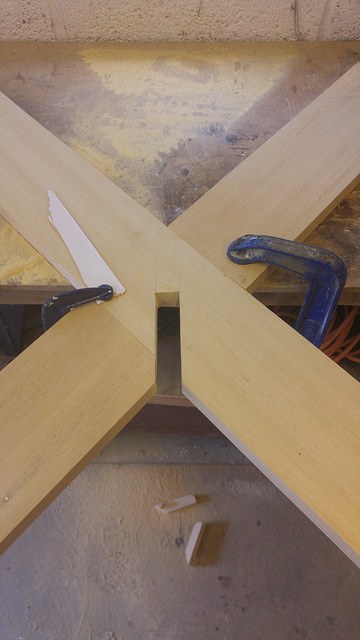
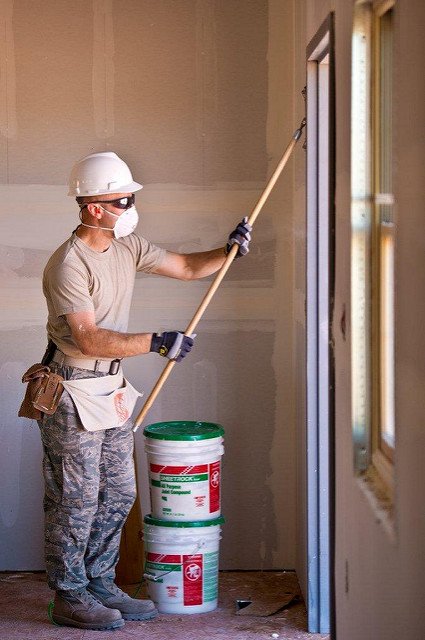
Making Long Cuts in Plywood: Straight and Angled
plywood, wood, cut

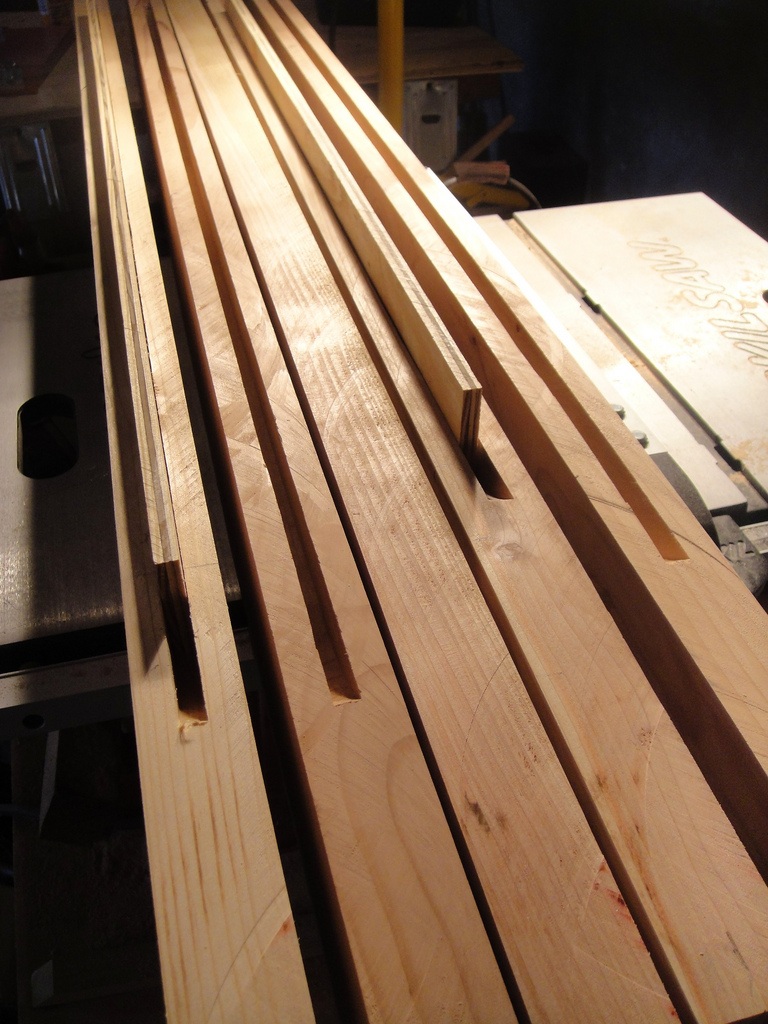
One of the benefits with using plywood sheets is their size—dimensions of plywood in the US normally come in 4’ x 8’ sheets (125 x 250 cm metric). For larger-scale projects with significant surface area to cover such as roofs and subflooring, plywood sheets make quick work of covering these large areas. The size of … Read more

Categories DIY

Basic Cabinet Construction

cabinet, division, drawing

It doesn’t matter whether you’re building a large number of custom kitchen cabinets for your own home, a simple bathroom vanity or a place to store your tools out in your shop, basic cabinet construction follows a relatively straightforward formula. At their core, cabinets are simply large boxes that are further subdivided into shelves, drawers … Read more

Categories DIY

Solo Handling of Plywood

solo handling of plywood

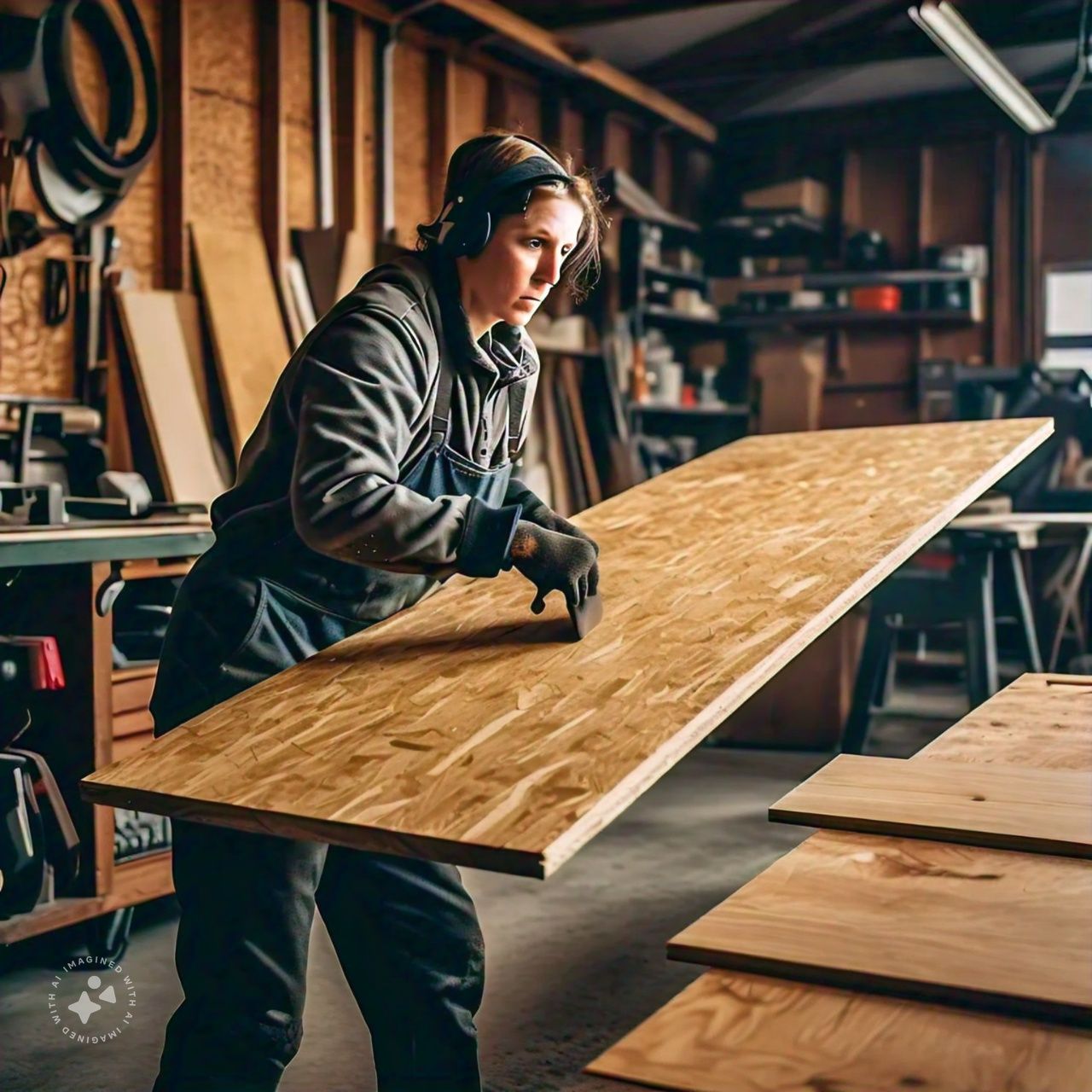
The large size of plywood sheets (8’ x 4’ US; 125 x 250 cm metric) is ideal for rapidly constructing homes and completing home improvement projects. However, those large sheets also come with a few problems, most notably in how to handle them effectively. The combination of their large, awkward size and weight, with a … Read more

Cutting Notches in Plywood

wood, notch

Plywood makes the construction of larger items much easier due to the sheer size of plywood sheets (8’ x 4’; or 125 x 250 cm in Europe). Sheets may be cut to appropriate size readily on a table saw or with a skil saw using a straightedge guide clamped to the wood. However, there are … Read more

Drywall Repairs—Minor to Major

sanding, drywall, man, worker, repair

In the last half century, drywall (also known as Sheetrock, wallboard or plaster board) has replaced plaster/lath as the material used for interior walls. First developed over a century ago,1 drywall consists of gypsum sandwiched between two external layers of paper. The ease of use and installation of drywall didn’t catch on right away, however, … Read more