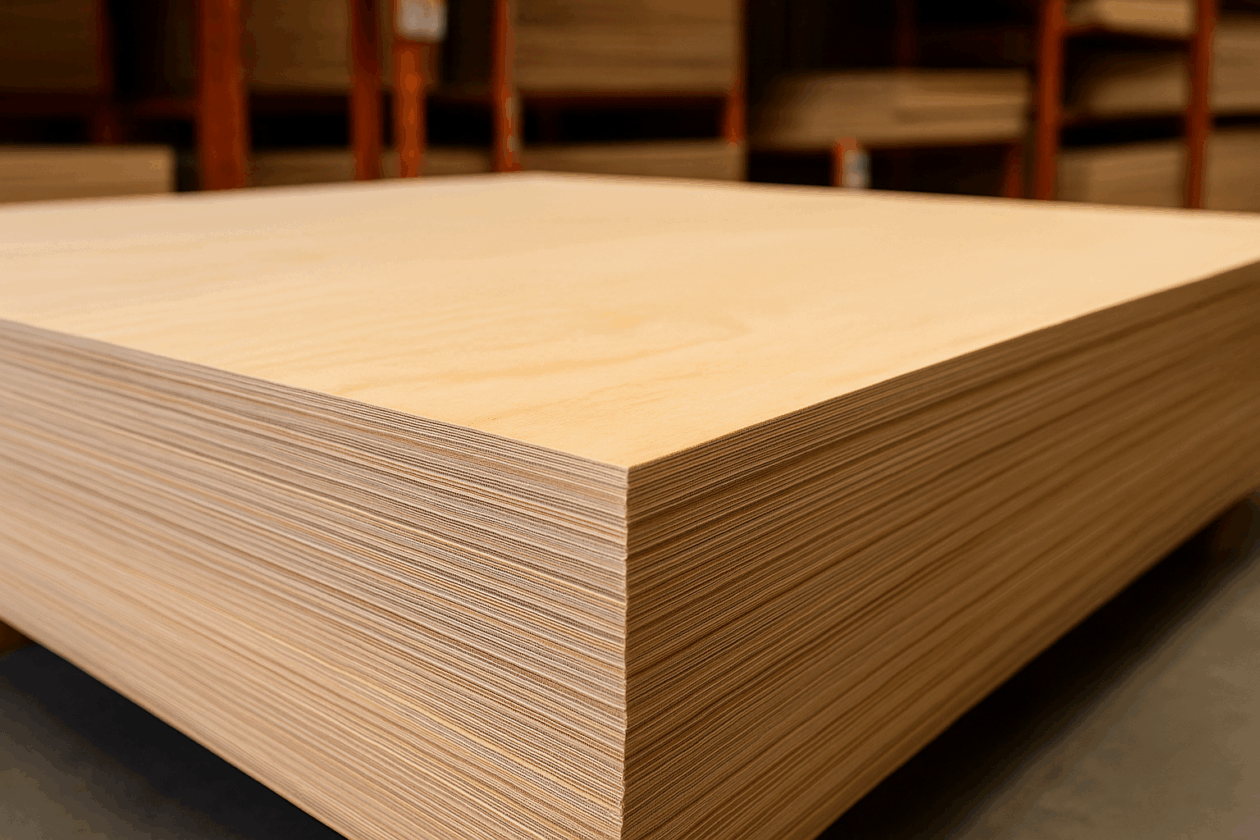
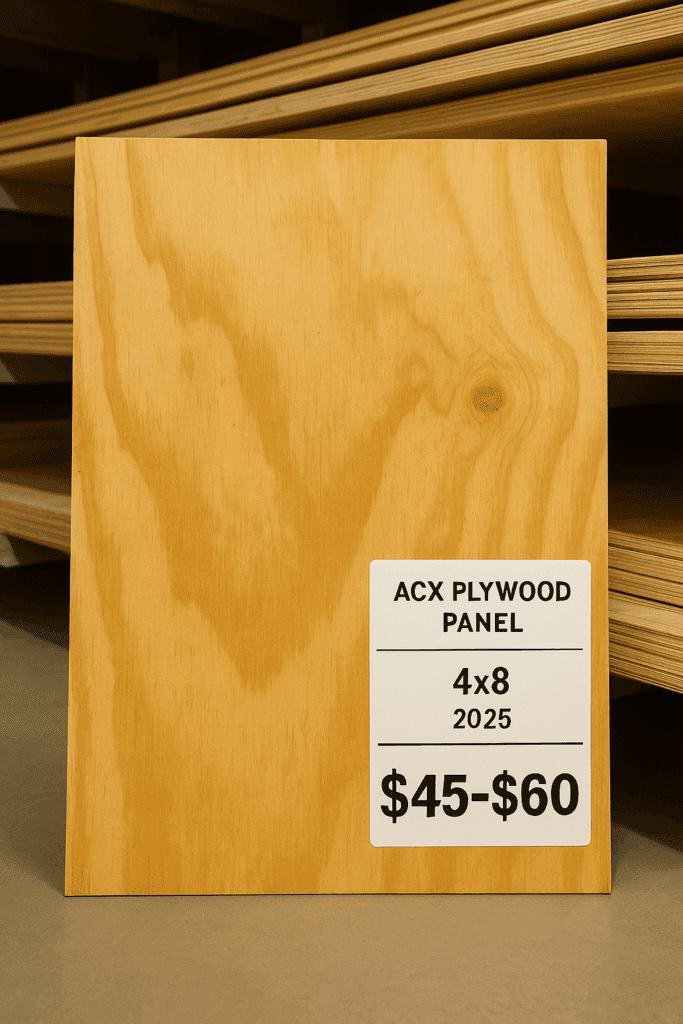
If you’ve walked through the lumber aisle at your local home improvement store, you’ve probably seen stacks of plywood labeled ACX. At first glance, it looks like any other sheet of plywood. But ACX stands out because of its sanded, smooth face veneer, its exterior durability, and its balance between strength and appearance.
For builders, it’s a reliable choice for roof sheathing, siding, and subfloors. For DIYers, it’s a great plywood for outdoor benches, shop projects, and furniture that will be painted or sealed. In this guide, I’ll walk you through everything you need to know about ACX plywood, including where to buy it, how to use it, and why it’s often the “just right” option between cheaper CDX plywood and more expensive marine-grade panels.
What Does “ACX” Mean?
The letters in ACX tell you exactly what you’re getting:
A – The front face is an A-grade veneer. It’s sanded, smooth, and suitable for finishing.
C – The back side is a C-grade veneer. It may have visible patches or knots, but still solid and structurally sound.
X – The “X” indicates exterior glue was used, making it resistant to moisture and weather exposure.
That combination gives ACX plywood a smooth, paintable face on one side and strength throughout the panel, at a more affordable price than marine plywood.
📌 full breakdown of veneer grades (A, B, C, D).
Benefits of ACX Plywood
Why do builders and DIYers choose ACX? A few key reasons stand out:
Every time I walk into the lumber yard, I end up checking the ACX stack. It’s not the fanciest plywood out there, but it’s the kind of sheet that solves a lot of problems without draining your wallet. Over the years, I’ve used it for everything from subfloors to backyard benches, and a few things stand out.
Weather Resistance
One thing I’ve learned is that ACX holds up surprisingly well outside. The waterproof glue keeps the layers together, even if the board gets rained on during a project. I once left a half-cut panel leaning against my shed for a couple of weeks—forgot about it, honestly—and when I went back, it was still flat and usable. Try that with bargain plywood and you’ll find it warped like a potato chip.
Appearance
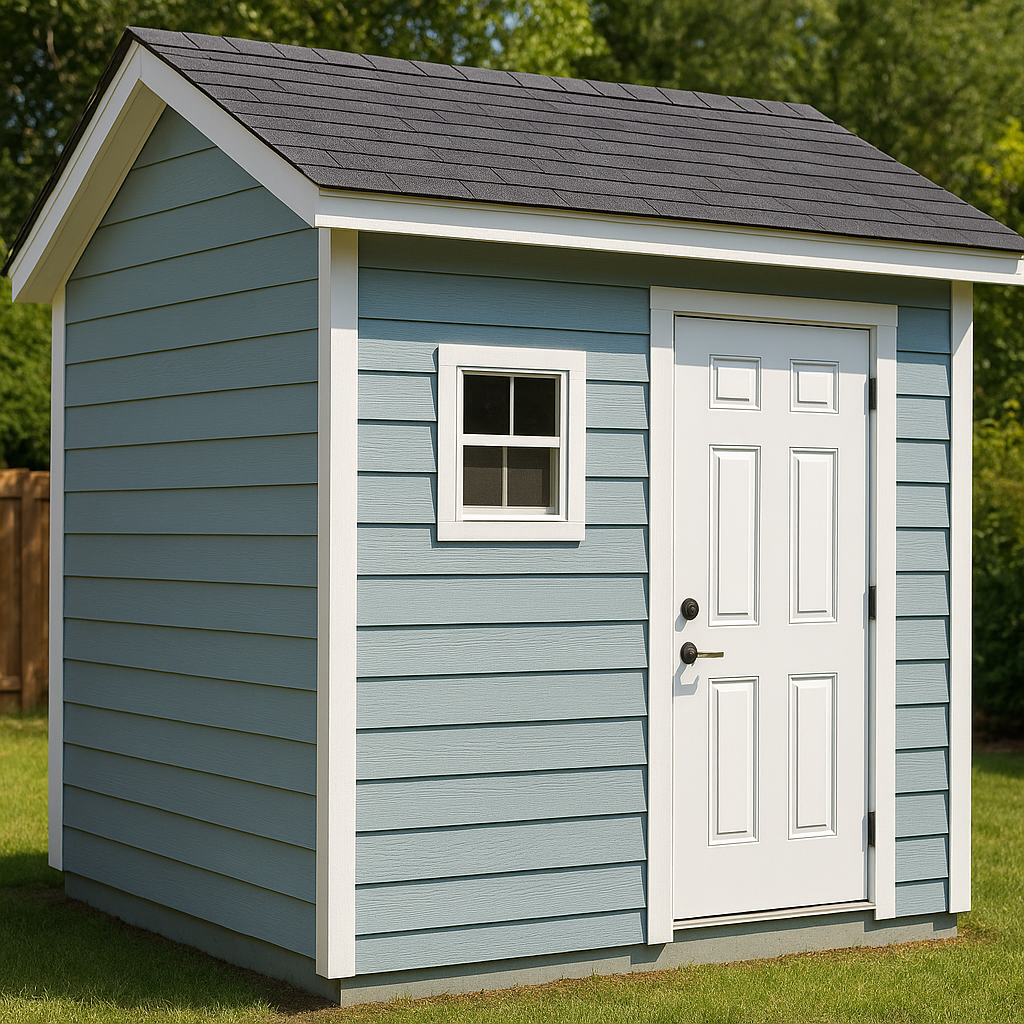
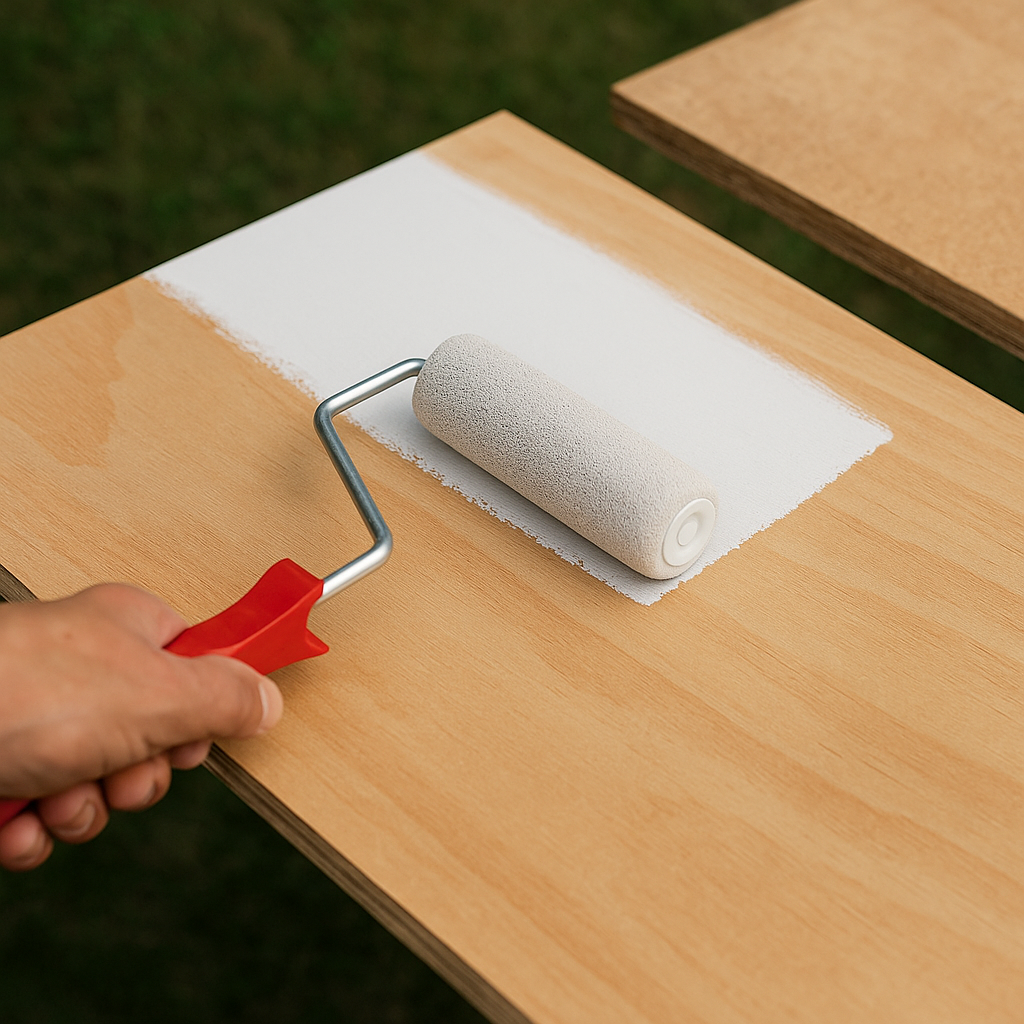
The “A” side is where ACX earns its keep. It comes smooth and ready for finishing work. On a shed I built last summer, I rolled on a quick coat of primer, followed by exterior paint, and the wall looked sharp with very little prep. That smooth face makes projects look cleaner without burning hours on sanding.
Structural Strength
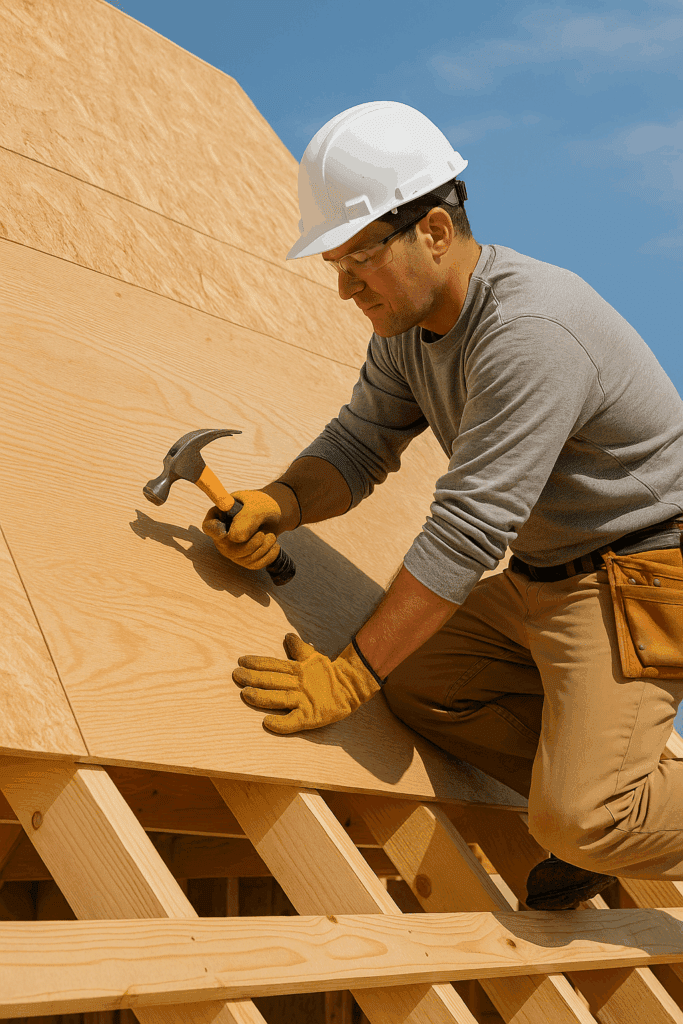
Looks aside, ACX has backbone. I’ve nailed it down as roof decking and walked across it the same afternoon without worrying about flexing. It feels sturdy underfoot, and that peace of mind is worth more than the extra few dollars per sheet.
Cost Efficiency
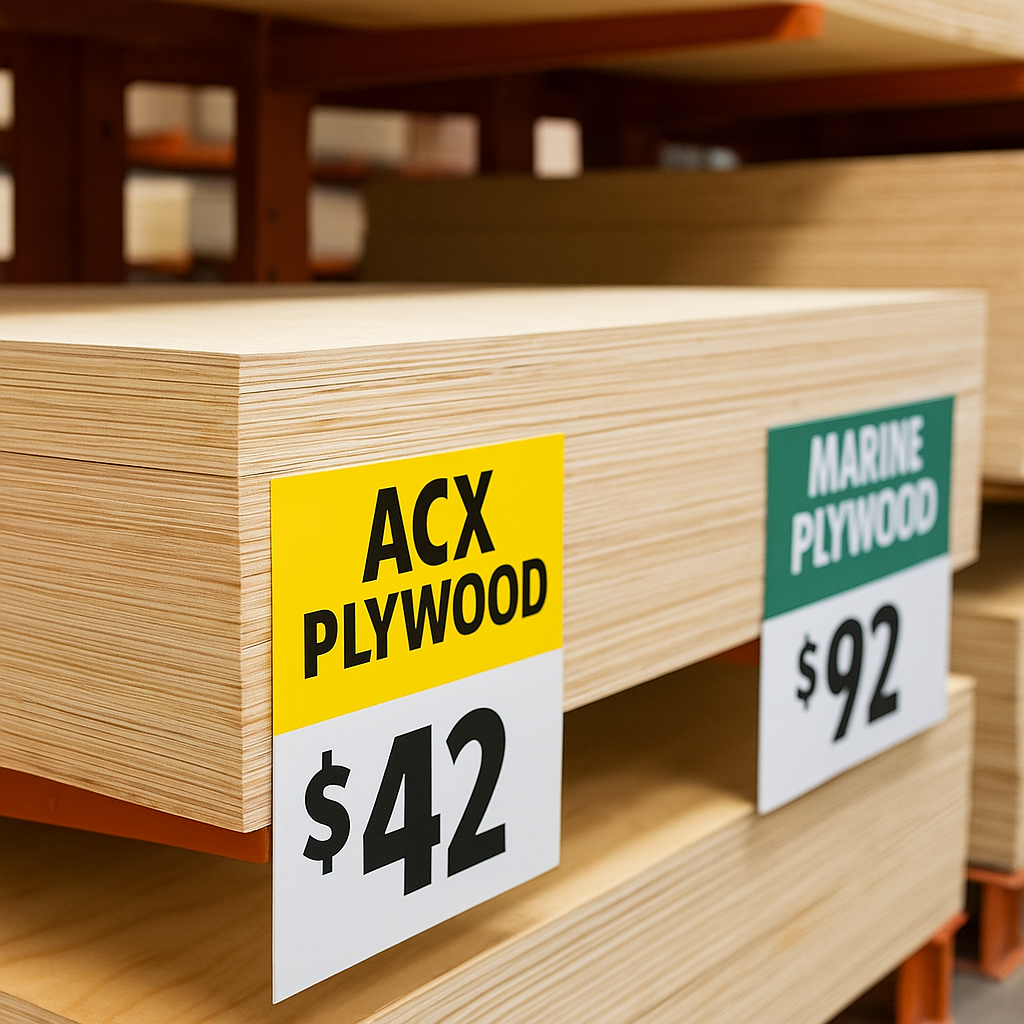
Here’s the real kicker: ACX is affordable. Marine plywood is excellent, but unless you’re building a boat, it’s overkill. CDX is cheap, but you’ll fight with splinters and a rough finish. ACX gives you enough strength and a finishable face at a price that makes sense. That balance is why I keep buying it.
Common Uses for ACX Plywood
You’ll see ACX used in both residential and commercial projects. Here are some of the most common:
Roof and Wall Sheathing ACX is strong enough to resist sagging or flexing, which is why it shows up so often in framing jobs. I’ve used it on sheds and even small additions, and it feels solid the moment you nail it down. Once the panels are in place, you can count on them to stay flat and hold fasteners without splitting.
Exterior Siding Because of its smooth “A” face, ACX takes paint and sealer better than cheaper plywood grades. On one garage project, I rolled on primer in the morning and had the siding painted by dinner—it went on evenly with no fuss. The result looked far more polished than the cost would suggest.
Subfloors A good subfloor needs to be stable, and ACX does the job well. When I laid it under hardwood in my shop, it gave me a quiet, squeak-free base that hasn’t moved in years. That kind of reliability matters when you’re building something meant to last.
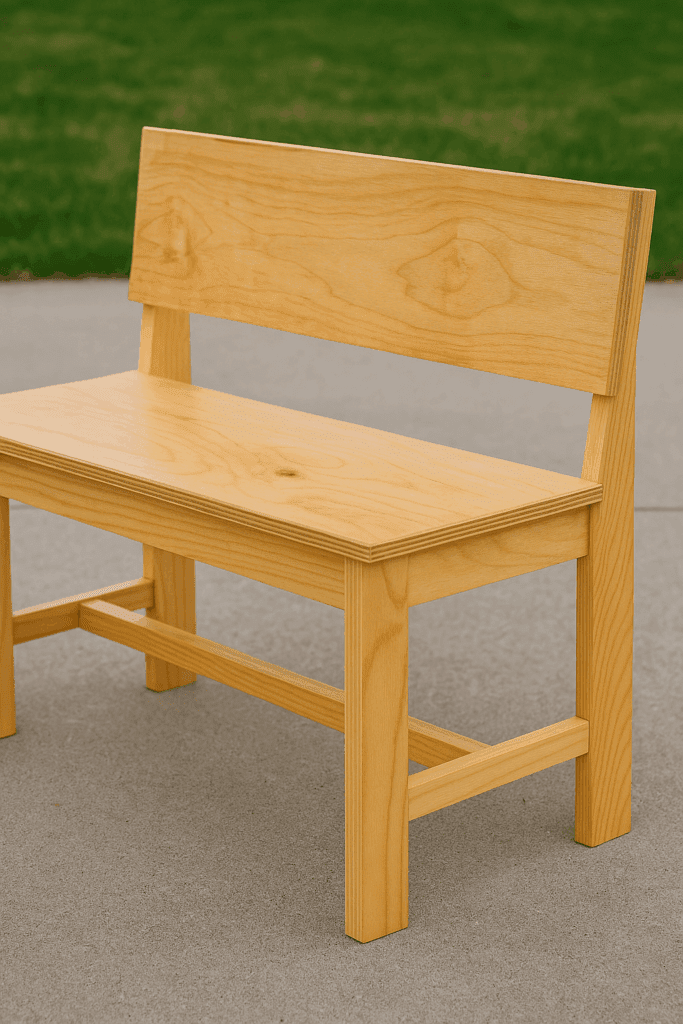
Outdoor Furniture For backyard benches, planter boxes, or even a sturdy work table, ACX is hard to beat. Seal it properly and it will shrug off rain and sun better than you’d expect. I’ve built garden boxes that have seen several seasons without showing signs of rot.
Utility Projects Sometimes you just need a tough, affordable sheet for shop projects. I keep ACX around for shelving, quick workbenches, and the odd temporary wall. It’s one of those materials that saves you a trip to the store because you always find a use for it.
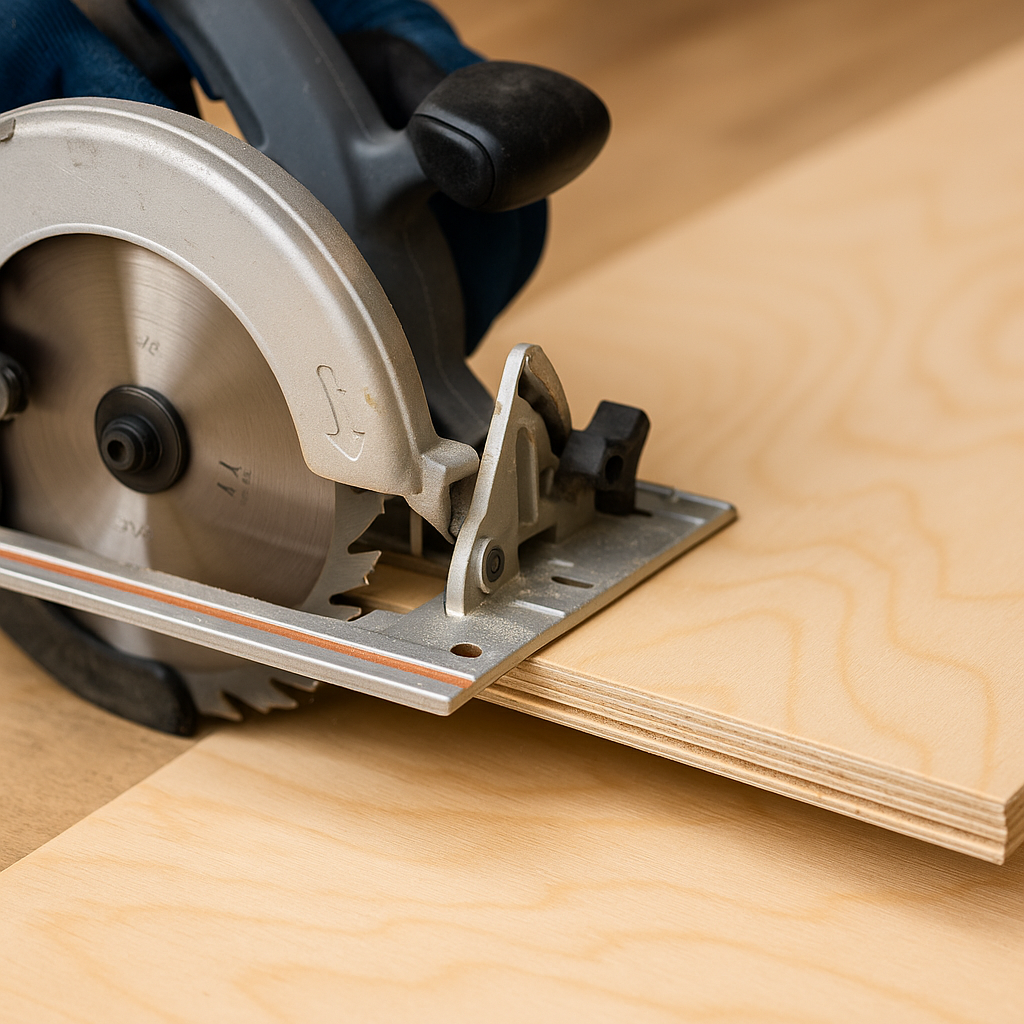
Cutting Use a sharp blade on your table saw or circular saw to keep edges clean and splinter-free. I once tried pushing through with a dull blade, and the sanded face chipped so badly I had to scrap the panel—lesson learned.
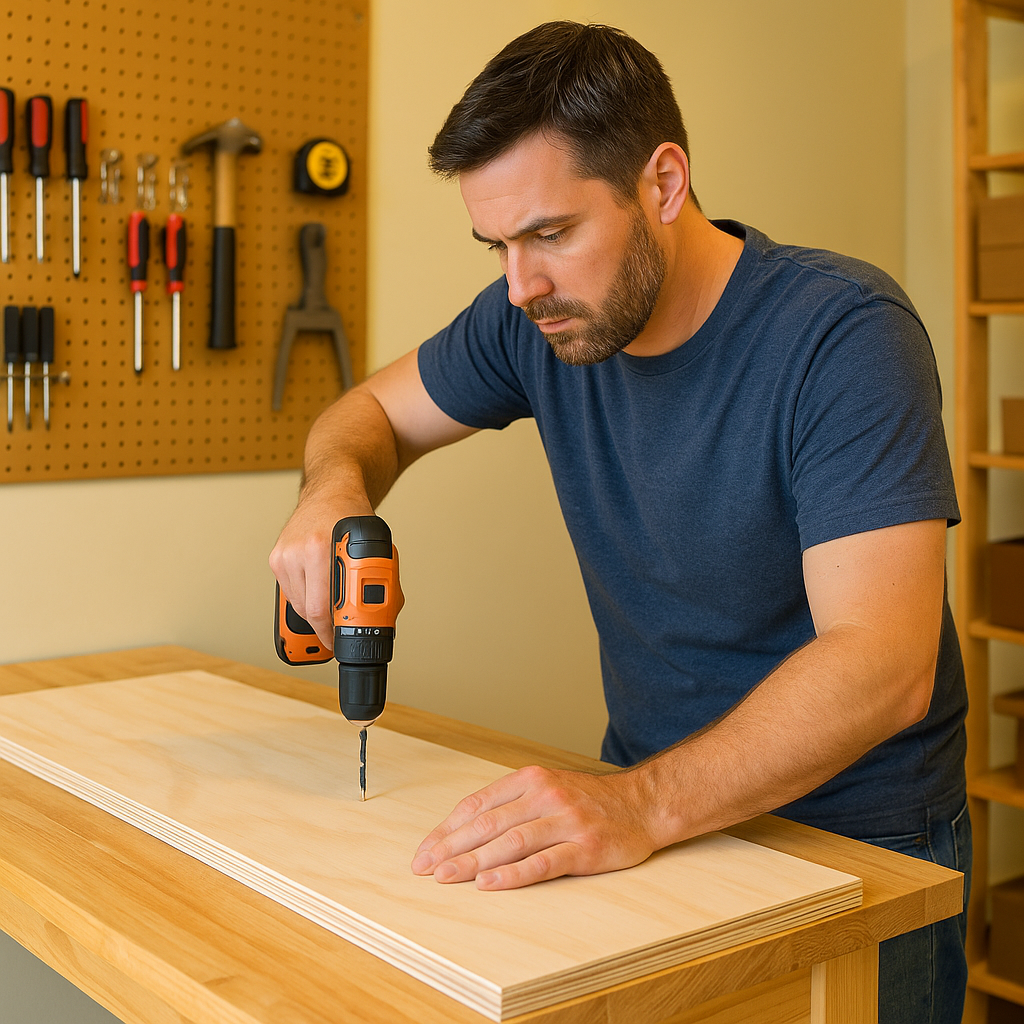
Fastening Pre-drill screw holes, especially close to the edges, or you’ll risk splitting the veneer. That extra step only takes a few minutes, but it makes the whole build feel sturdier and helps the screws grab more securely.
Sealing
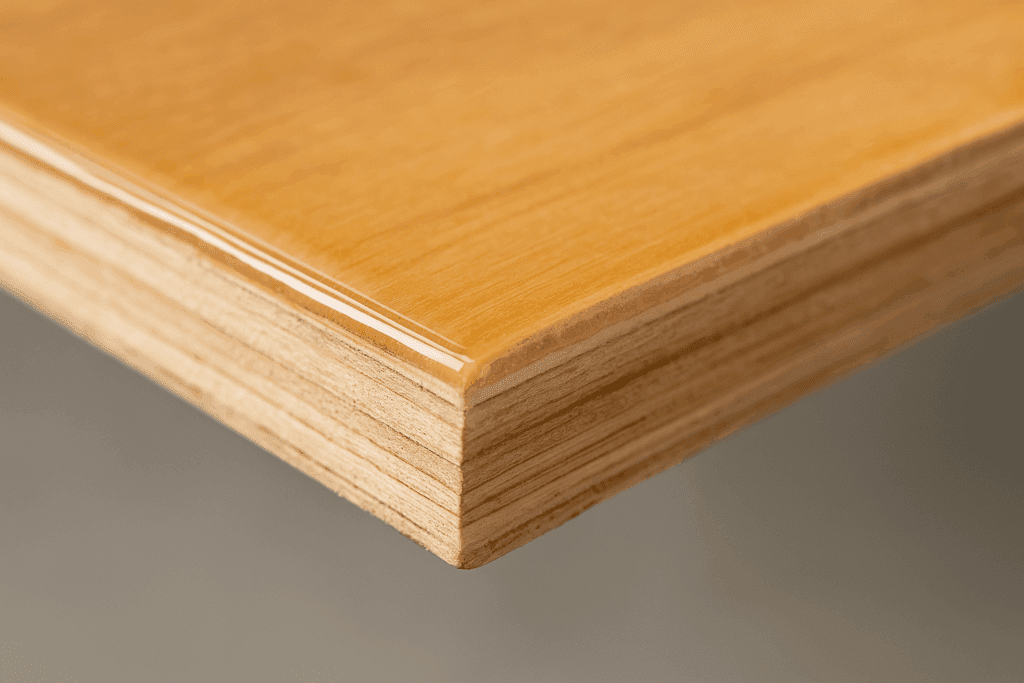
The “A” face veneer handles paint and stain just fine, but the edges are where water loves to creep in. I always run a bead of waterproof sealer or roll on exterior paint to lock those ends up tight—it’s the cheapest insurance you can buy for outdoor projects.
Storing Lay the sheets flat and keep them off the floor with scrap 2x4s or blocks. The one time I stood a stack against the garage wall, they bowed within a week, and I’ve never stored plywood upright since.
DIY Projects with ACX Plywood
Because it looks decent and holds up well, ACX is a favorite among DIYers. A few project ideas:
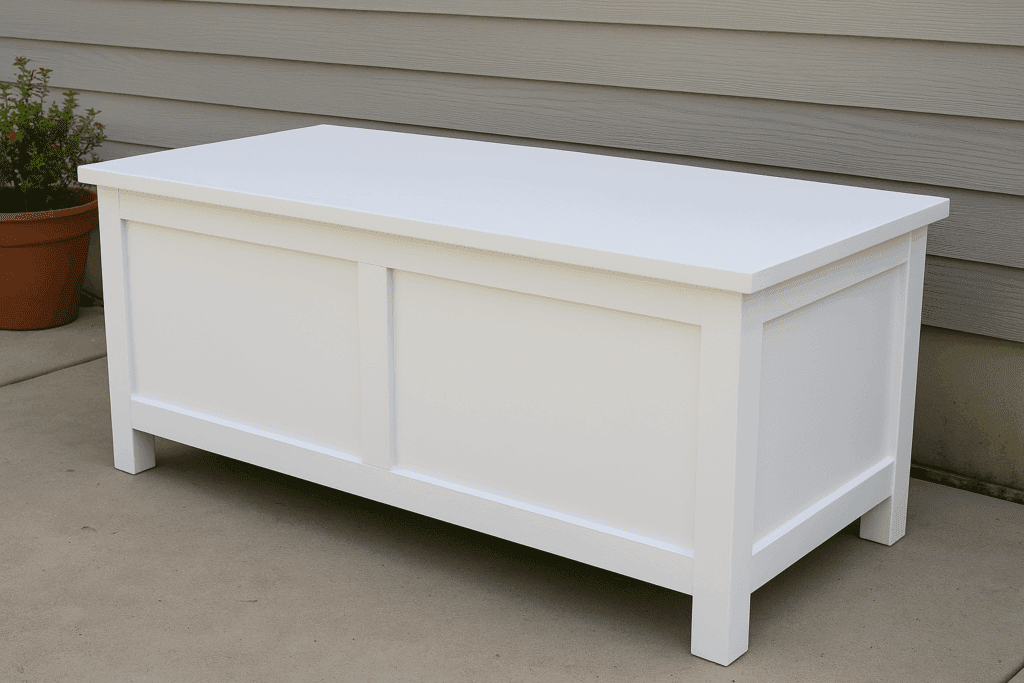
Outdoor Storage Benches
These are one of the most common uses for ACX, since the panels can handle weight and weather. With a coat of exterior paint, the bench doubles as both seating and storage on a patio or porch.
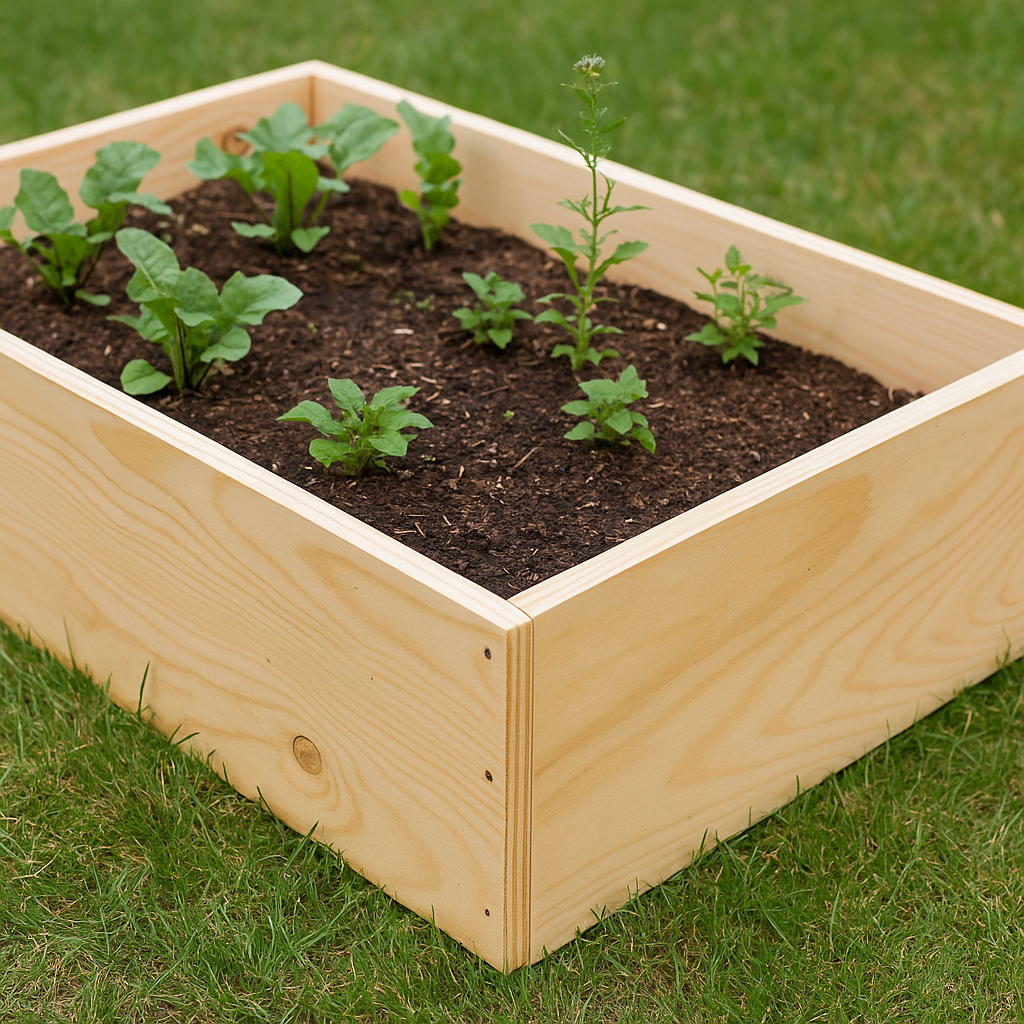
Raised Garden Boxes
Gardeners love ACX because it stands up to soil pressure and moisture better than most budget plywood. Line the inside with landscaping fabric and seal the edges, and you’ll get multiple growing seasons out of a single build.
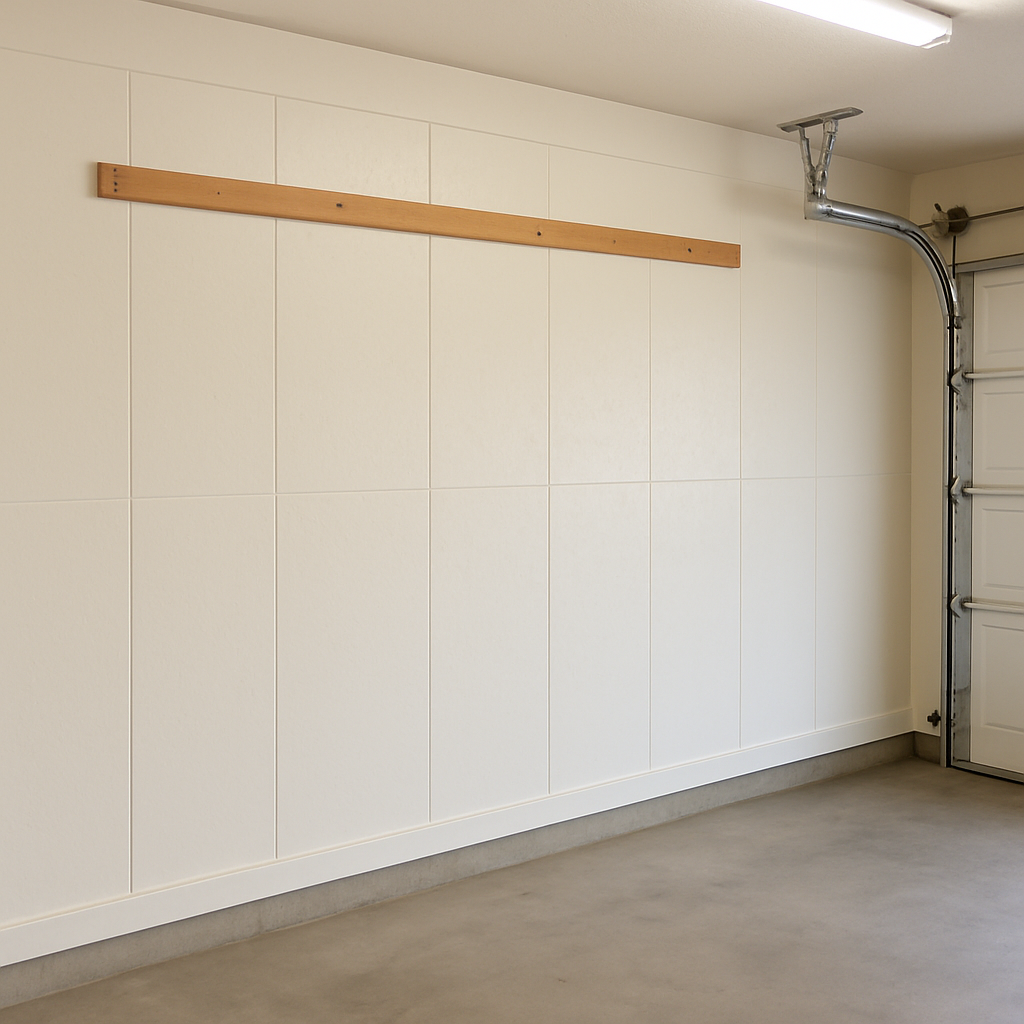
Painted Wall Paneling for Garages
ACX makes a garage look finished without spending a fortune. The smooth face takes paint beautifully, and once it’s up, the walls are easy to clean and tough enough to hold hooks and shelving.
Simple Shop Cabinets If you’ve ever needed quick storage for tools or hardware, ACX is a great go-to. It cuts easily, screws together without fuss, and looks clean once painted—plus, it’s cheaper than cabinet-grade hardwood ply.
Patio Tables and Chairs For outdoor furniture, ACX gives you strength and a surface you can finish however you like. Add a sealer, and you’ll have a table and chair set that can stand up to weekend barbecues and changing seasons.
How to Work With ACX Plywood
Cutting Use a sharp blade on your table saw or circular saw to keep edges clean and splinter-free. I once tried pushing through with a dull blade, and the sanded face chipped so badly I had to scrap the panel—lesson learned.
Fastening Pre-drill screw holes, especially close to the edges, or you’ll risk splitting the veneer. That extra step only takes a few minutes, but it makes the whole build feel sturdier and helps the screws grab more securely.
Sealing The “A” face veneer handles paint and stain just fine, but the edges are where water loves to creep in. I always run a bead of waterproof sealer or roll on exterior paint to lock those ends up tight—it’s the cheapest insurance you can buy for outdoor projects.
Storing Lay the sheets flat and keep them off the floor with scrap 2x4s or blocks. The one time I stood a stack against the garage wall, they bowed within a week, and I’ve never stored plywood upright since.
Even though ACX is weather-resistant, it’s not indestructible. To make it last:
Use a primer + paint system for exterior projects.
Apply a sealer for outdoor furniture or garden boxes.
Avoid ground contact unless pressure-treated lumber is used as a base.
Inspect yearly for rot, especially around edges.
Sustainability & Alternatives
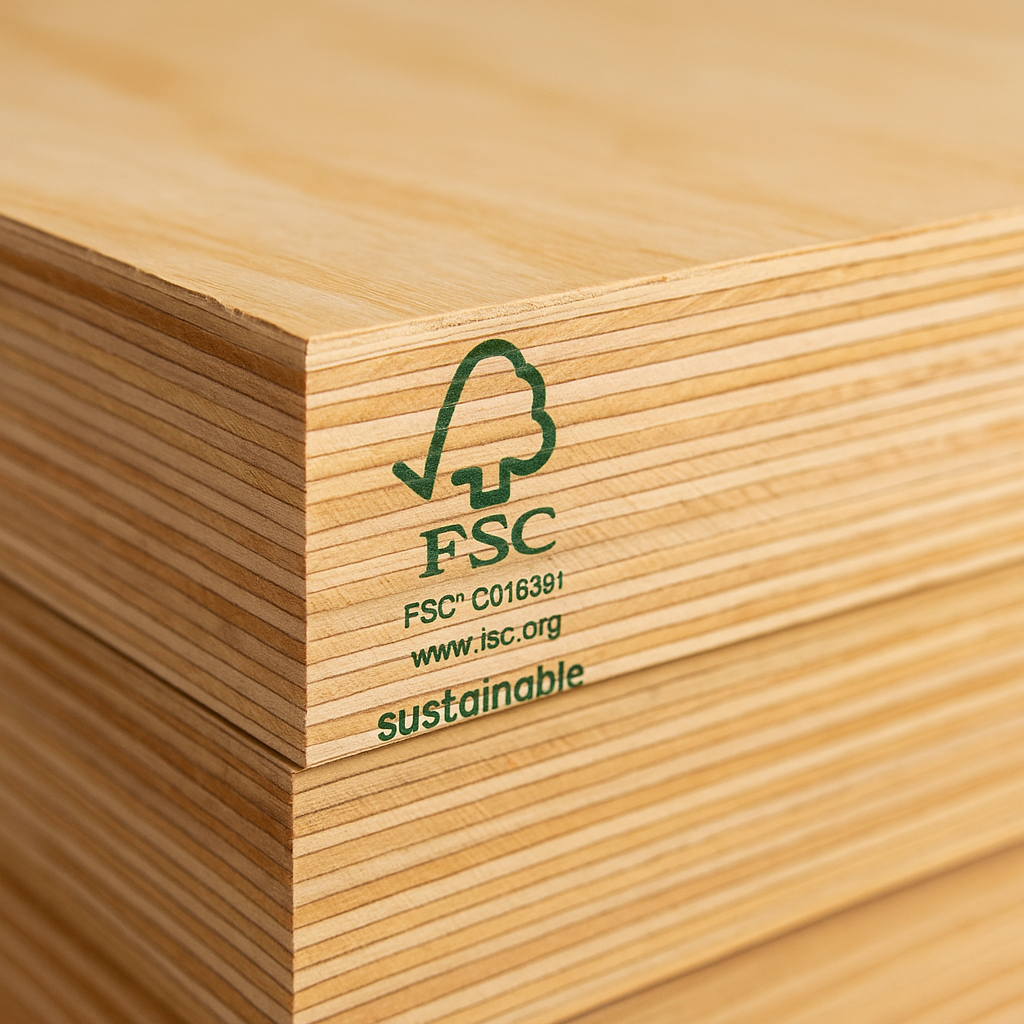
Some builders worry about the environmental impact of plywood. ACX is typically made from pine or fir, both of which are renewable. Still, if sustainability matters to you, look for:
ACX plywood really does fall into that “just right” category. It’s tougher and cleaner-looking than CDX, but you don’t have to pay the premium that comes with marine-grade panels. I’ve used it for subfloors, shed siding, and even a patio table, and it’s never let me down.
The key is in the prep: seal the edges, use sharp blades, and don’t skimp on primer or topcoat if the project’s going outside. Do that, and ACX will hold up for years—whether you’re working on a full addition or just knocking together a weekend project in the garage.
Related Posts:
Precast Concrete Steps: Costs, Benefits & Installation Guide by Amy Reed March 21, 2025 More About Precast concrete steps are ready-made cement stairs, staircases, or hollow cement steps that can be installed outside existing staircases on a property or business premise.…
Eucalyptus Wood: Uses, Benefits, & Drawbacks by Admin August 18, 2025 Hardwood Eucalyptus wood is quickly gaining attention as a sustainable, durable, and affordable alternative to traditional hardwoods like teak, birch, and maple. While many people know…